Rotary dial phone
1344×768 · AVIF · CC BY 4.0
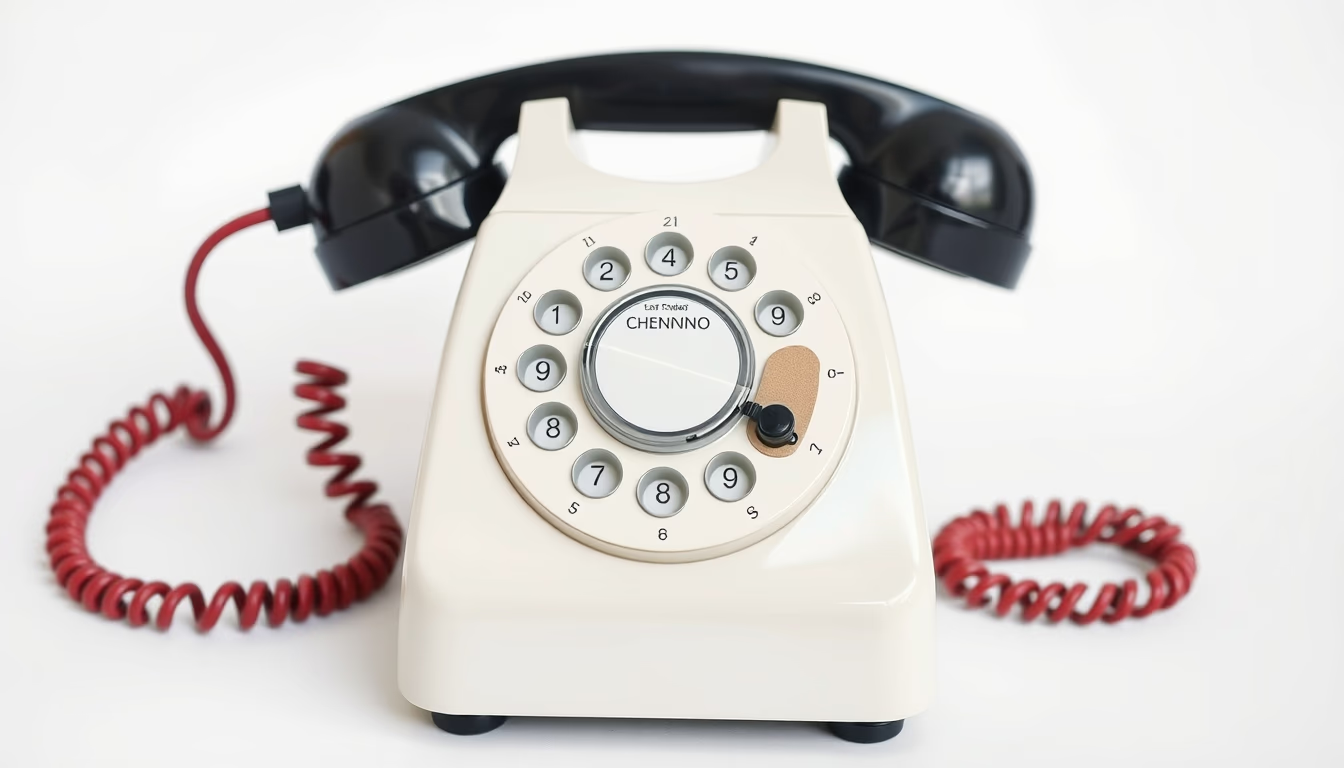
The rotary dial phone, an icon of 20th-century communication, combines mechanical design and electromechanical engineering.
About this subject
The rotary dial phone, also known as a pulse dial telephone, was the primary means of residential and commercial communication for much of the 20th century. Invented in 1891 by Almon Brown Strowger, an American undertaker seeking to eliminate human operator intervention, the system used a series of electrical pulses generated by rotating the dial. Each dialed number produced a specific number of pulses: digit 1 generated one pulse, digit 2 two pulses, and so on up to 0 which produced ten pulses. This technology, known as pulse dialing, formed the backbone of analog telephone networks for decades.
The design of the rotary dial phone became a cultural icon, appearing in films, TV series, and the collective memory of generations. Iconic models such as the Western Electric 500 (released in 1949) and the Ericofon (the Swedish 'candlestick' phone from 1954) exemplify how functionality merged with aesthetics. The dial, typically made of metal or plastic, displayed numbers in a circular layout, and the handset rested on a cradle that activated the line signal. The introduction of push-button phones in the 1970s began the decline of rotary models, but they remain collector's items and retro design pieces.
In Brazil, rotary dial phones were widely used until the 1990s, especially in homes and small businesses. The state-owned telecom company Telebrás distributed models like the TEL-200, manufactured by companies such as Arno and Siemens. Pulse dialing gradually gave way to DTMF (dual-tone multi-frequency) signaling, which is the current standard. Today, rotary phones are appreciated by vintage technology enthusiasts, and some companies still manufacture modern versions compatible with VoIP networks, preserving the tactile and auditory experience of dialing.
Frequently Asked Questions
How does pulse dialing work on a rotary phone?
When you rotate the dial and release it, a spring returns it to its original position, repeatedly interrupting the electrical circuit. Each number generates a number of pulses equal to the digit (1 to 10 for 0). The telephone exchange interprets these pulses to complete the call.
Why did rotary phones become obsolete?
The decline began with the introduction of push-button (DTMF) phones in the 1970s, which were faster, quieter, and supported features like tone recording. Telephone exchanges also migrated to digital systems, making pulse dialing obsolete.
Can I still use a rotary phone today?
Yes. Many vintage rotary phones can be adapted to modern networks using pulse-to-tone converters. Additionally, modern replicas with internal electronic components are available that work directly on VoIP or PSTN lines.
Direct URL
https://pub-c7d6a6ea828543ac903a74a341ccb2e1.r2.dev/imagens/rotary-dial-phone-commercial-product-photography-p5.avifHow to credit
Include a visible link back to UtilizAí. Copy one of the snippets below:
<a href="https://xn--utiliza-eza.com/en/midia/imagens/rotary-dial-phone-commercial-product-photography-p5">Rotary dial phone</a> by <a href="https://xn--utiliza-eza.com">UtilizAí</a>, licensed under <a href="https://creativecommons.org/licenses/by/4.0/">CC BY 4.0</a>.
[Rotary dial phone](https://xn--utiliza-eza.com/en/midia/imagens/rotary-dial-phone-commercial-product-photography-p5) by [UtilizAí](https://xn--utiliza-eza.com), CC BY 4.0
License: CC-BY-4.0