Samurai armor detail
1344×768 · AVIF · CC BY 4.0
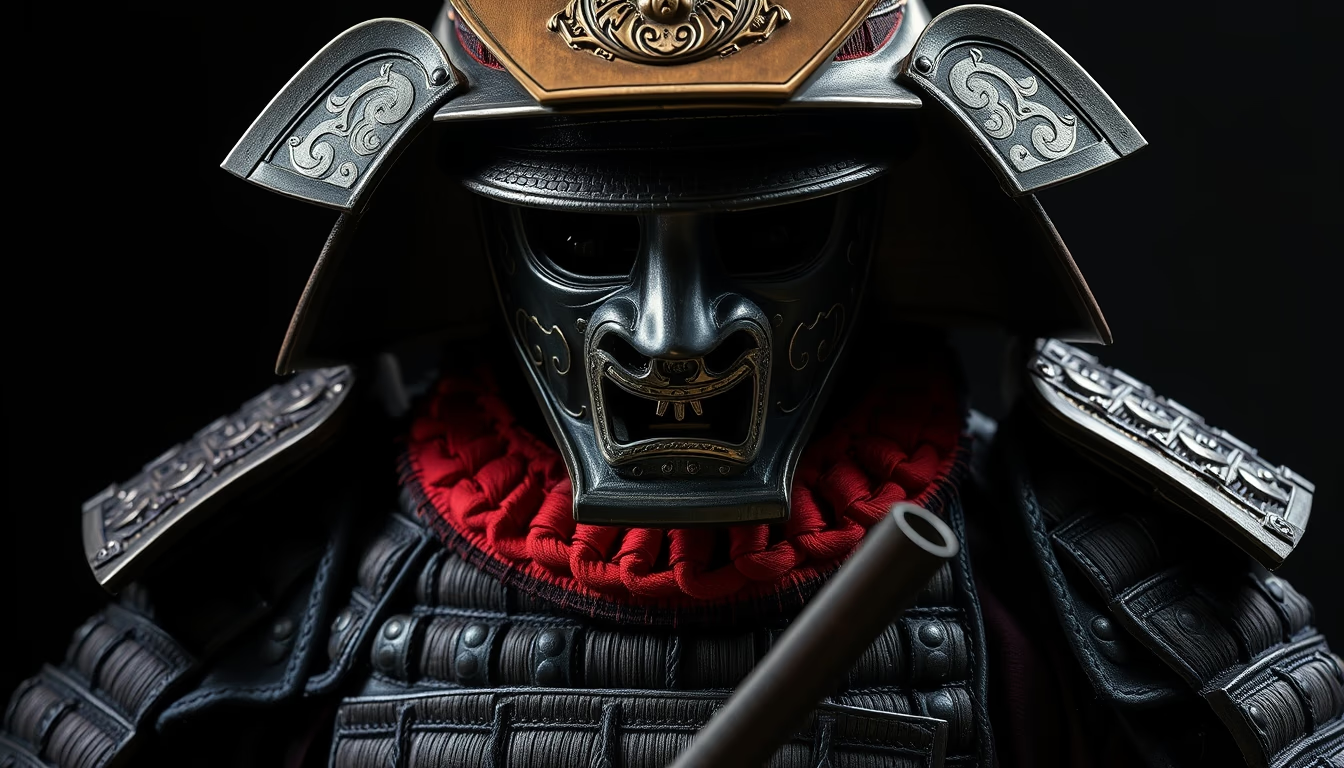
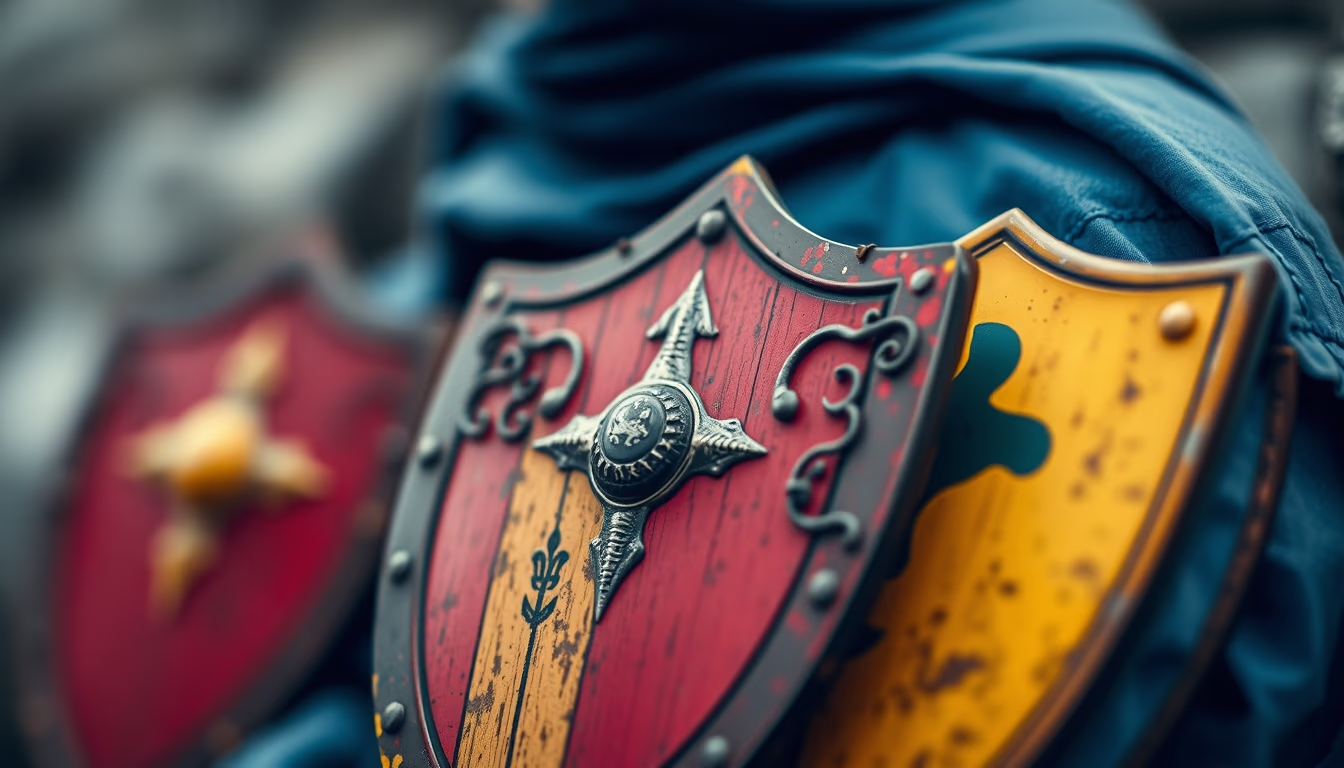
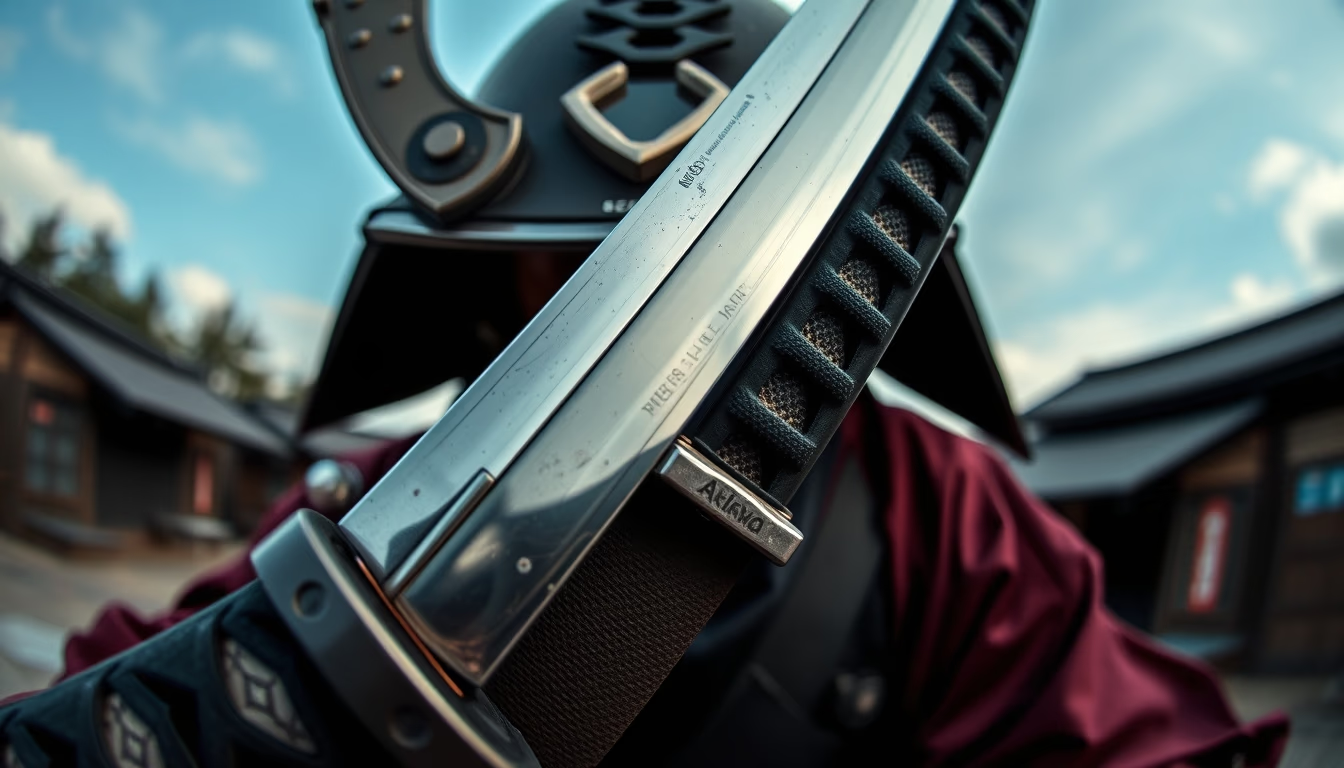
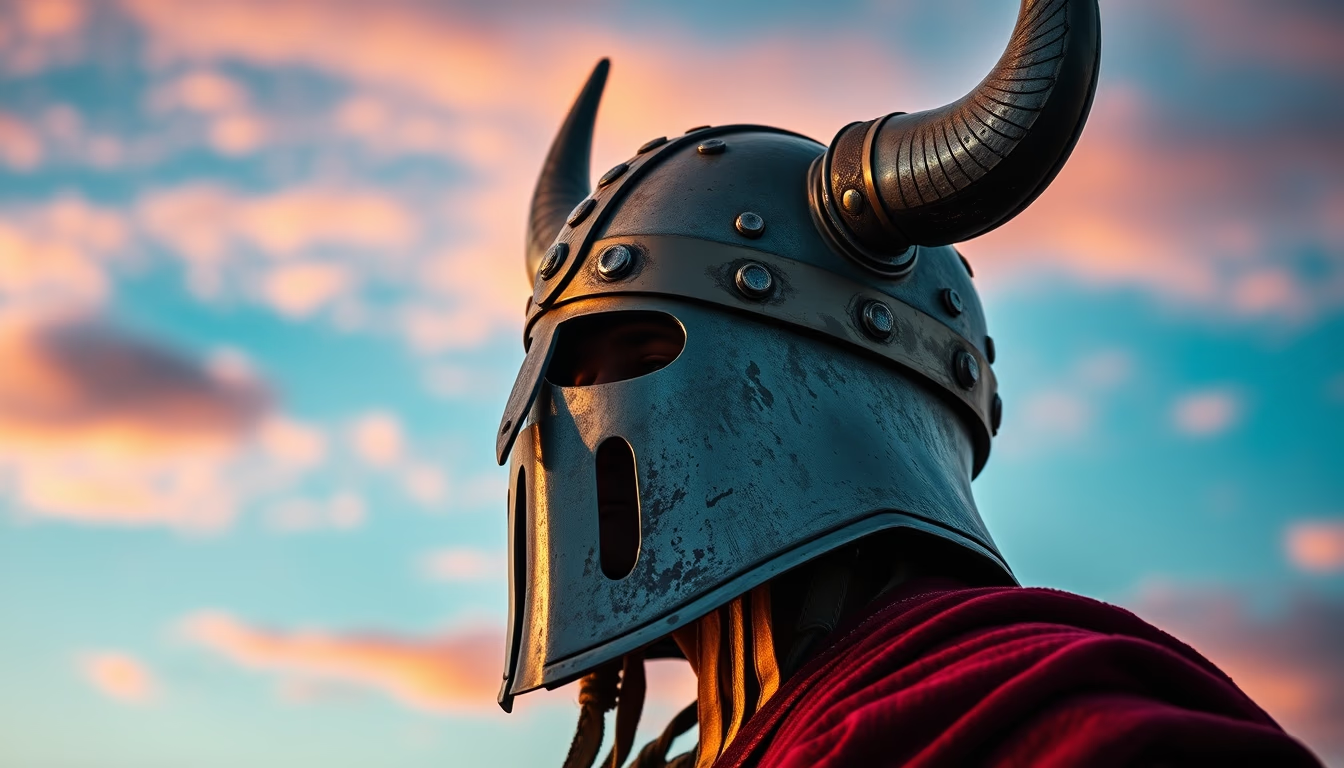
Details of samurai armor reveal the sophistication and symbolism of Japanese warriors, blending protection and art.
About this subject
Samurai armor, known as yoroi, is a masterpiece of military craftsmanship that evolved over centuries in feudal Japan. Made primarily from iron or lacquered leather plates connected by silk or leather cords, it offered both mobility and resilience. Each component, from the helmet (kabuto) to the face mask (menpo), was designed not only for defense but also to intimidate enemies and reflect the warrior's status.
The kabuto often featured an ornamental crest (maedate), such as a deer antler or clan emblem. The menpo protected the face and often included detachable mustaches for a fierce appearance. The body was covered by a cuirass (do) made of steel lamellae riveted together, while shoulder guards (sode) and thigh protectors (haidate) completed the ensemble. Details in gold, silver, or red lacquer indicated wealth and lineage.
Armor production was highly specialized, carried out by artisans called katchū-shi. They used techniques like differential forging and tempering to balance hardness and flexibility. During the Edo period (1603-1868), prolonged peace made armor more ceremonial, with elaborate decorations. Today, these pieces are considered cultural heritage, studied by historians and admired in museums worldwide.
Interestingly, samurai armor has influenced modern designs, such as in films and games, and inspired the aesthetics of robots and sci-fi characters. The attention to every detail, from cord tension to material choice, demonstrates the importance of functionality and art in Japanese culture. For a samurai warrior, his armor was more than protection: it was an extension of his honor and identity.
Frequently Asked Questions
What are the main parts of a samurai armor?
The main parts include the kabuto (helmet), menpo (face mask), do (cuirass), sode (shoulder guards), and haidate (thigh protectors). Each piece had a specific protective and symbolic function.
How was samurai armor made?
It was constructed from iron or lacquered leather plates laced together with silk or leather cords. Artisans called katchū-shi used differential forging and tempering to balance strength and flexibility.
What is the cultural importance of samurai armor today?
Today they are considered cultural heritage, studied by historians and displayed in museums. They also influence pop culture, such as in films, games, and sci-fi character design.
Direct URL
https://pub-c7d6a6ea828543ac903a74a341ccb2e1.r2.dev/imagens/samurai-armor-detail-studio-still-life-p11.avifHow to credit
Include a visible link back to UtilizAí. Copy one of the snippets below:
<a href="https://xn--utiliza-eza.com/en/midia/imagens/samurai-armor-detail-studio-still-life-p11">Samurai armor detail</a> by <a href="https://xn--utiliza-eza.com">UtilizAí</a>, licensed under <a href="https://creativecommons.org/licenses/by/4.0/">CC BY 4.0</a>.
[Samurai armor detail](https://xn--utiliza-eza.com/en/midia/imagens/samurai-armor-detail-studio-still-life-p11) by [UtilizAí](https://xn--utiliza-eza.com), CC BY 4.0
License: CC-BY-4.0