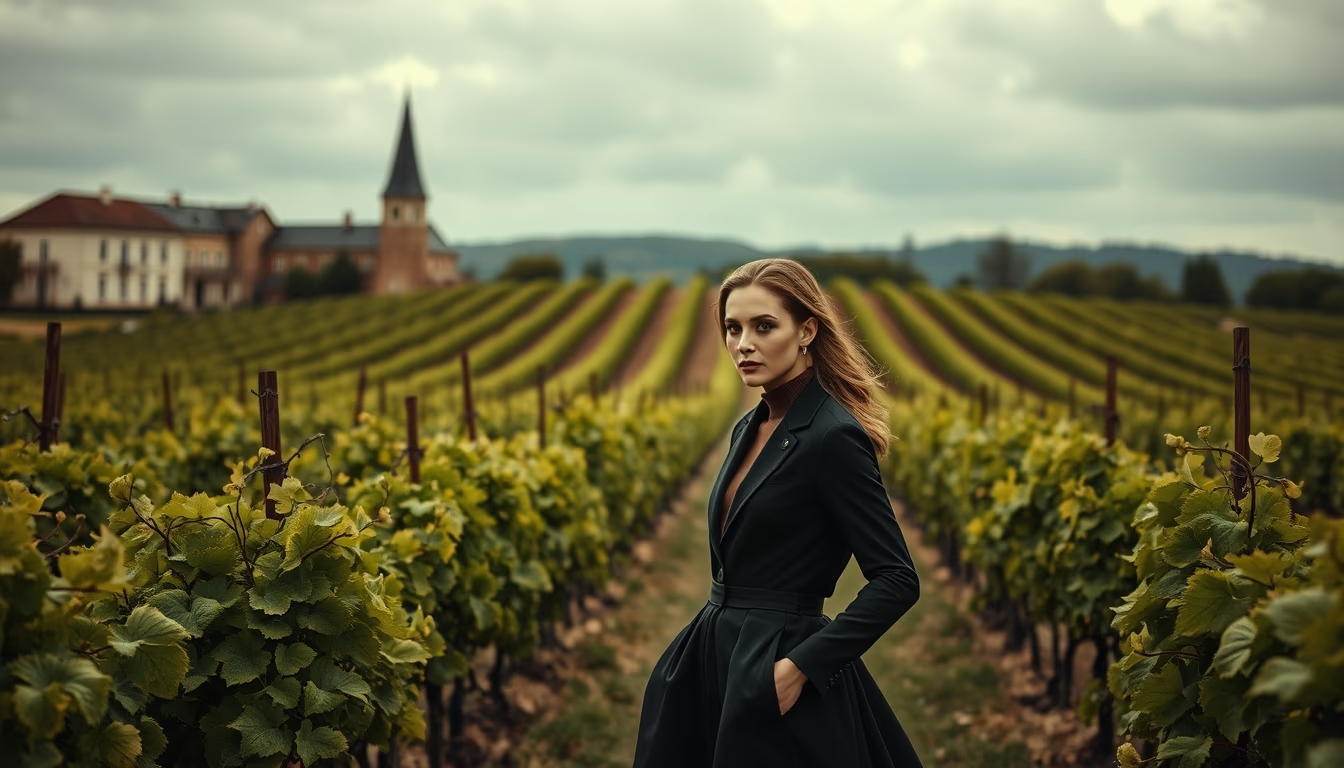
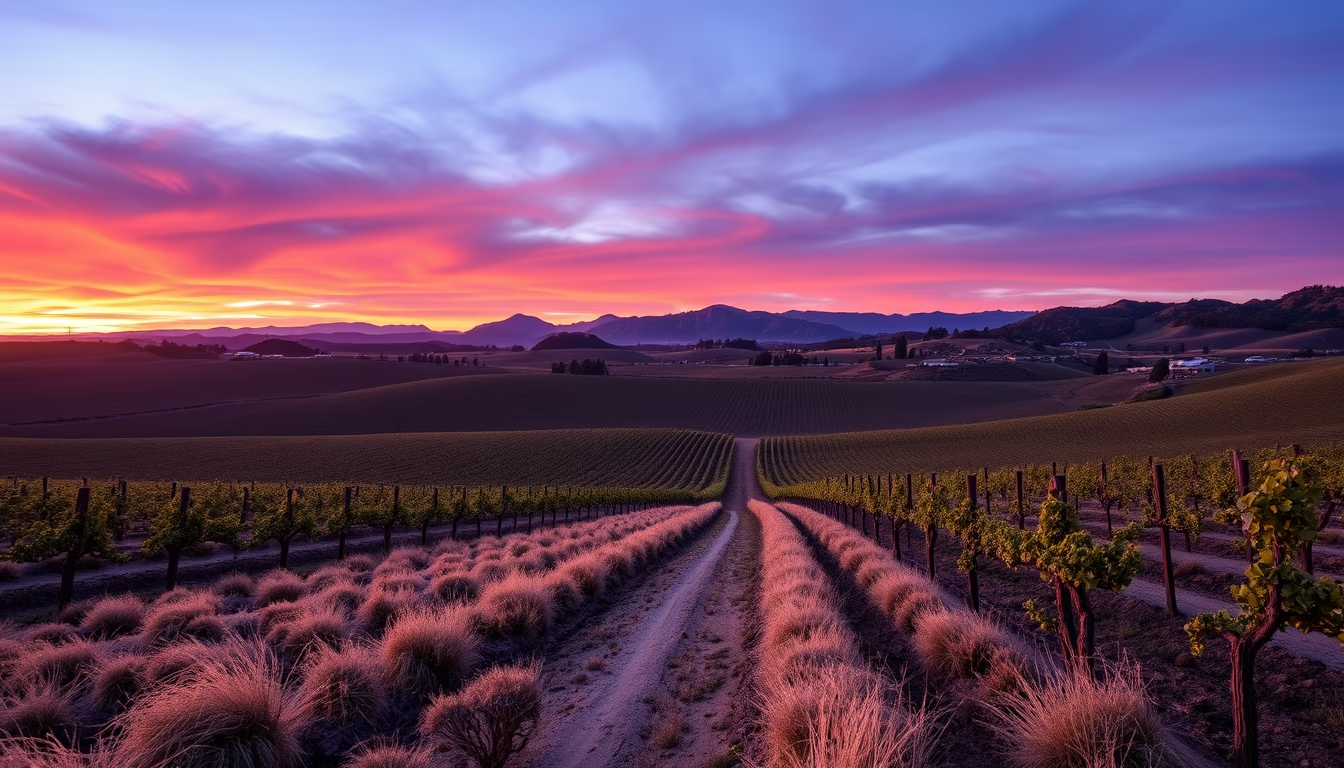
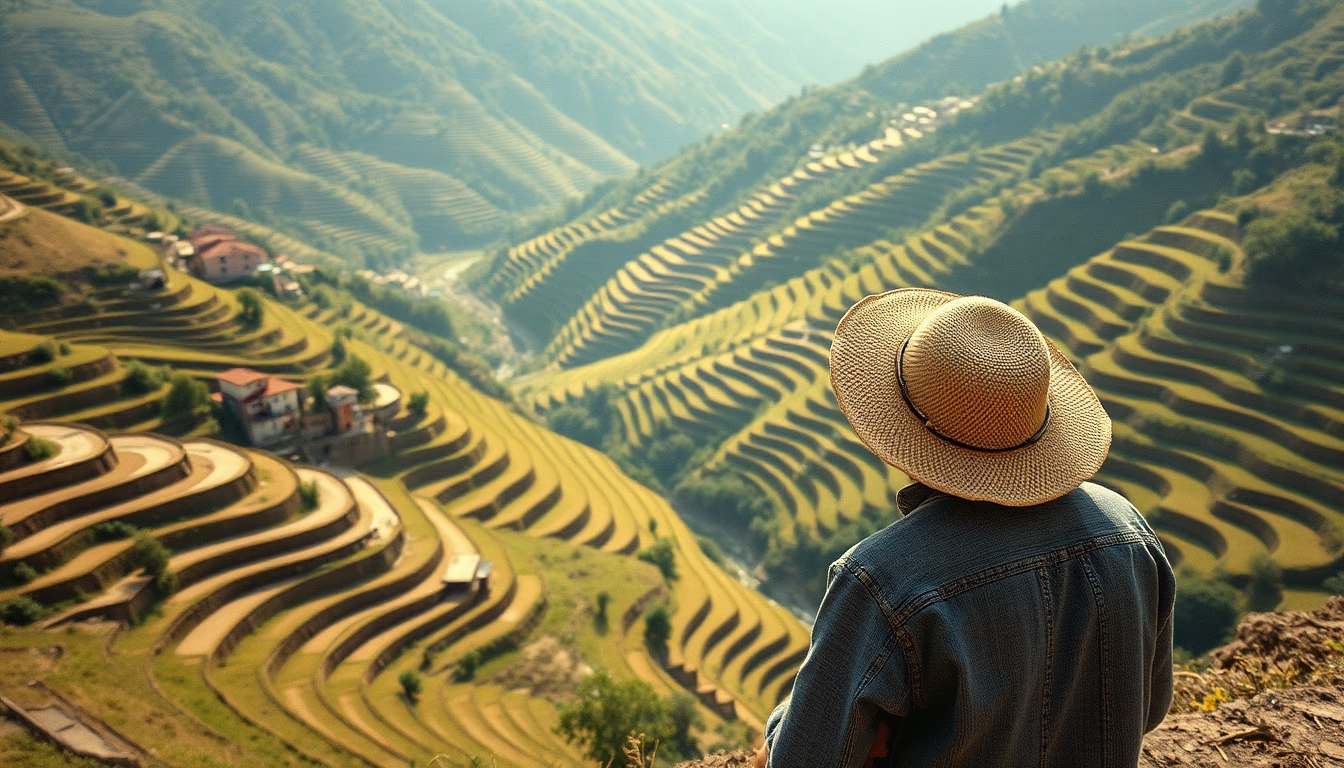
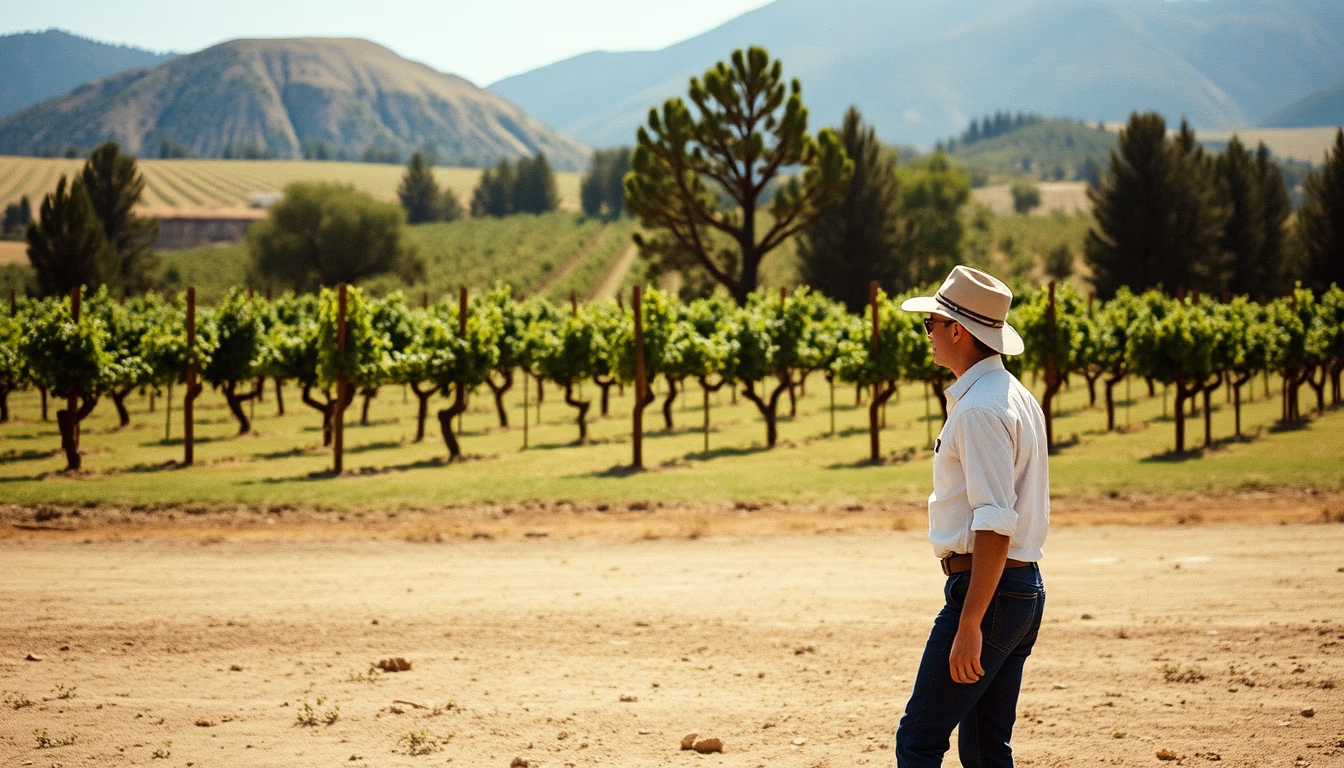
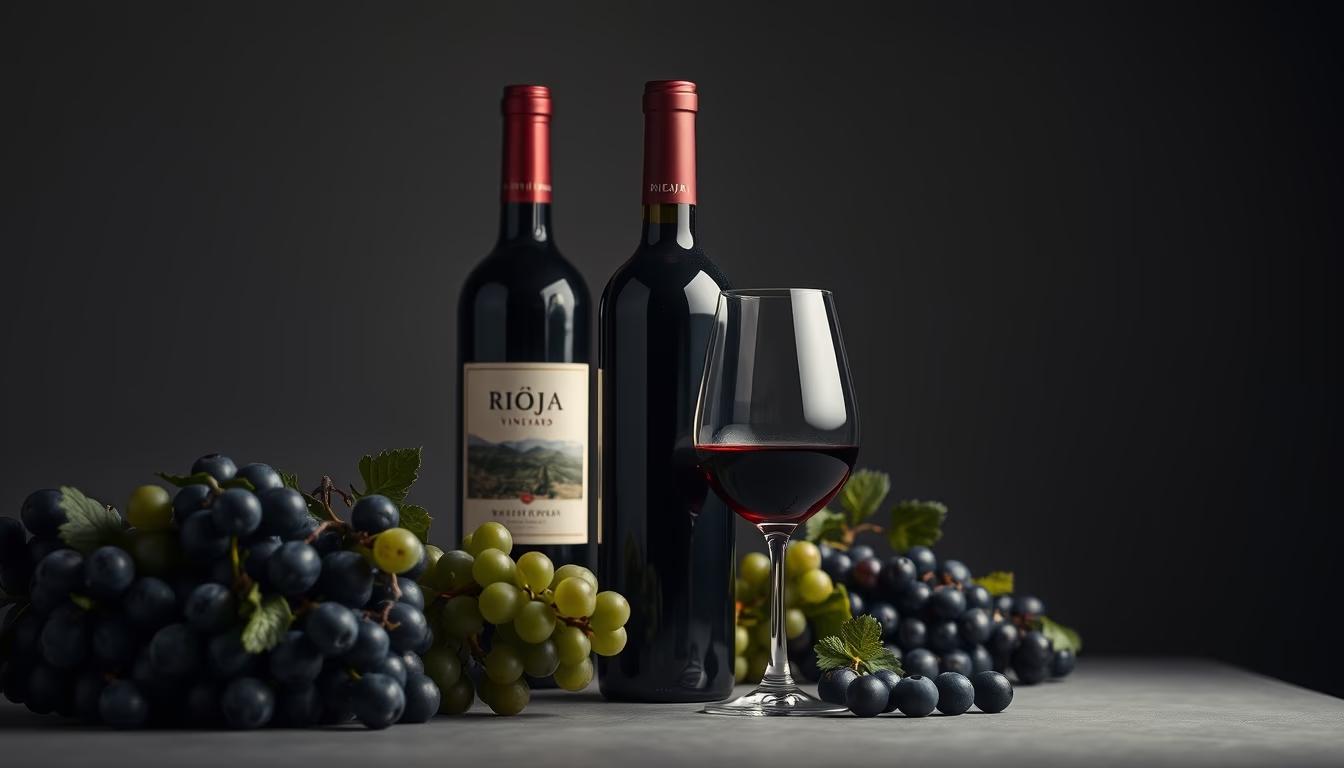
Rioja spain vineyards
1344×768 · AVIF · CC BY 4.0
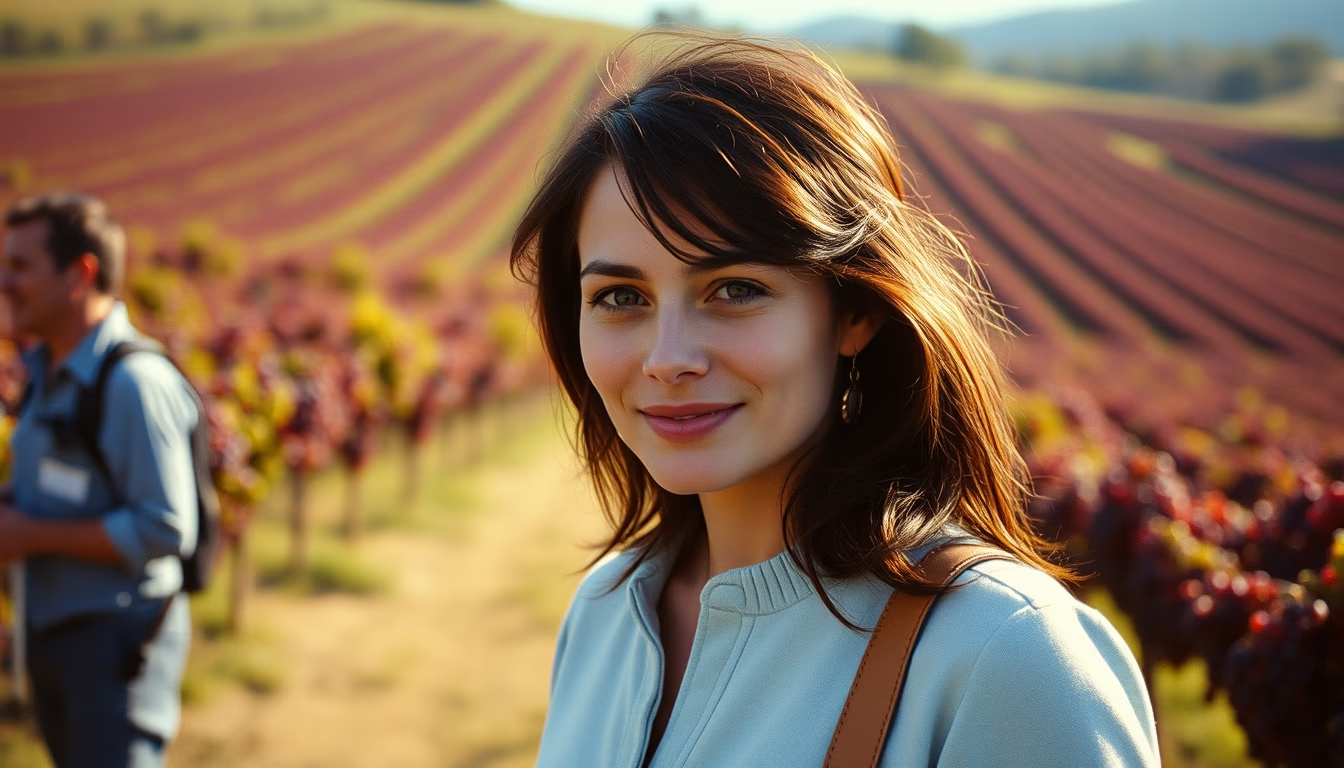
A região vinícola de Rioja, na Espanha, é famosa por seus tintos encorpados à base de Tempranillo, com denominação de origem qualificada (DOCa) desde 1991.
Sobre o tema
Localizada no norte da Espanha, ao longo do Rio Ebro, a Rioja é uma das regiões vinícolas mais prestigiadas do mundo. Subdivide-se em três sub-regiões: Rioja Alta, Rioja Alavesa e Rioja Oriental (antes chamada Baja). A Rioja Alta possui solos argilo-calcários e clima continental com influência atlântica, produzindo vinhos elegantes. A Rioja Alavesa, em encostas mais altas, tem solos calcários e vinhos com acidez vibrante. Já a Rioja Oriental, mais quente e seca, com solos aluviais e argilosos, resulta em vinhos mais alcoólicos e encorpados. A uva rainha é a Tempranillo, responsável pela estrutura e envelhecimento, complementada por Garnacha, Graciano e Mazuelo.
A classificação por envelhecimento é um marco da Rioja. Vinhos Crianza passam ao menos dois anos, com um em barrica; Reserva, três anos com um em barrica; Gran Reserva, cinco anos com dois em barrica. Barricas de carvalho americano e francês trazem notas de baunilha e especiarias. A região foi a primeira da Espanha a receber a denominação de origem (DO) em 1926 e a DOCa em 1991, garantindo controles rigorosos de qualidade. A tradição vinícola remonta à época romana, mas o impulso moderno veio no século XIX com a filoxera na França, quando enólogos bordaleses se mudaram para Rioja.
O turismo enológico é vibrante, com centenas de bodegas que vão desde caves históricas como Marqués de Riscal e López de Heredia até projetos arquitetônicos de vanguarda, como o Hotel Marqués de Riscal projetado por Frank Gehry. A cultura do vinho está profundamente enraizada: festivais como a Batalha do Vinho (Haro) e a Semana do Vinho de Logroño atraem visitantes. Rioja produz também brancos e rosés, mas os tintos são a alma da região. A influência do clima e do solo, aliada ao savoir-faire local, confere aos vinhos capacidade de guarda excepcional.
Perguntas frequentes
Qual a diferença entre os vinhos Crianza, Reserva e Gran Reserva da Rioja?
A diferença está no tempo de envelhecimento. Crianza: mínimo 2 anos (1 em barrica). Reserva: mínimo 3 anos (1 em barrica). Gran Reserva: mínimo 5 anos (2 em barrica). Quanto mais longo, mais complexo e macio.
Quais são as principais uvas cultivadas na Rioja?
A uva principal é a Tempranillo, que dá estrutura e capacidade de envelhecimento. As outras variedades tintas autorizadas são Garnacha, Graciano e Mazuelo. Para brancos, destacam-se Viura, Malvasía e Garnacha Blanca.
O que significa a denominação DOCa Rioja?
DOCa significa Denominación de Origen Calificada, o mais alto nível de classificação na Espanha. Foi concedida à Rioja em 1991, após cumprir requisitos rigorosos de qualidade, como controles de produção, envelhecimento e origem das uvas.
URL direta
https://pub-c7d6a6ea828543ac903a74a341ccb2e1.r2.dev/imagens/rioja-spain-vineyards-lo-fi-disposable-camera-fresh16.avifComo creditar
Inclua um link visível de volta pro UtilizAí. Copie um dos snippets abaixo:
<a href="https://xn--utiliza-eza.com/midia/imagens/rioja-spain-vineyards-lo-fi-disposable-camera-fresh16">Rioja spain vineyards</a> by <a href="https://xn--utiliza-eza.com">UtilizAí</a>, licensed under <a href="https://creativecommons.org/licenses/by/4.0/">CC BY 4.0</a>.
[Rioja spain vineyards](https://xn--utiliza-eza.com/midia/imagens/rioja-spain-vineyards-lo-fi-disposable-camera-fresh16) by [UtilizAí](https://xn--utiliza-eza.com), CC BY 4.0
Licença: CC-BY-4.0