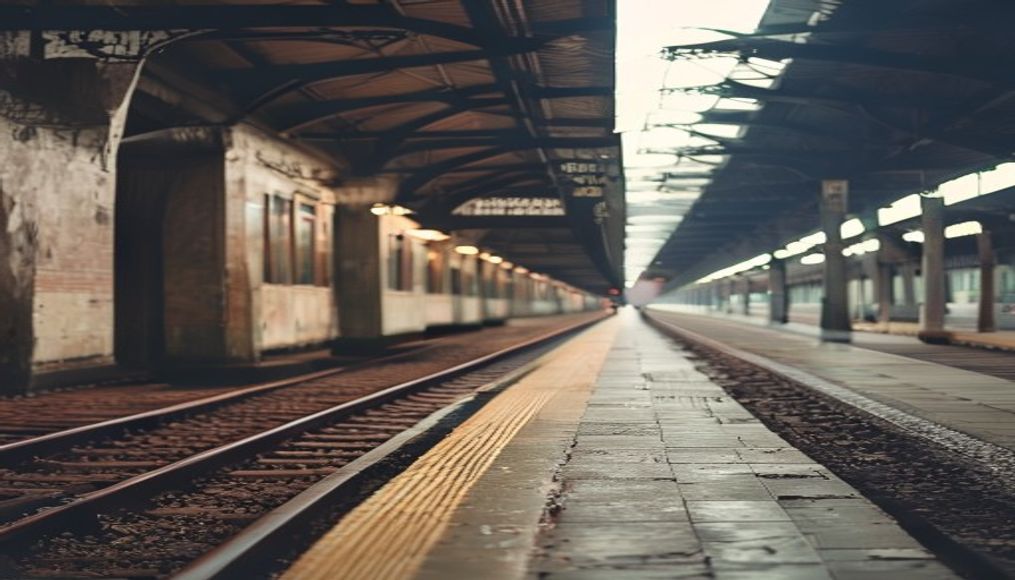
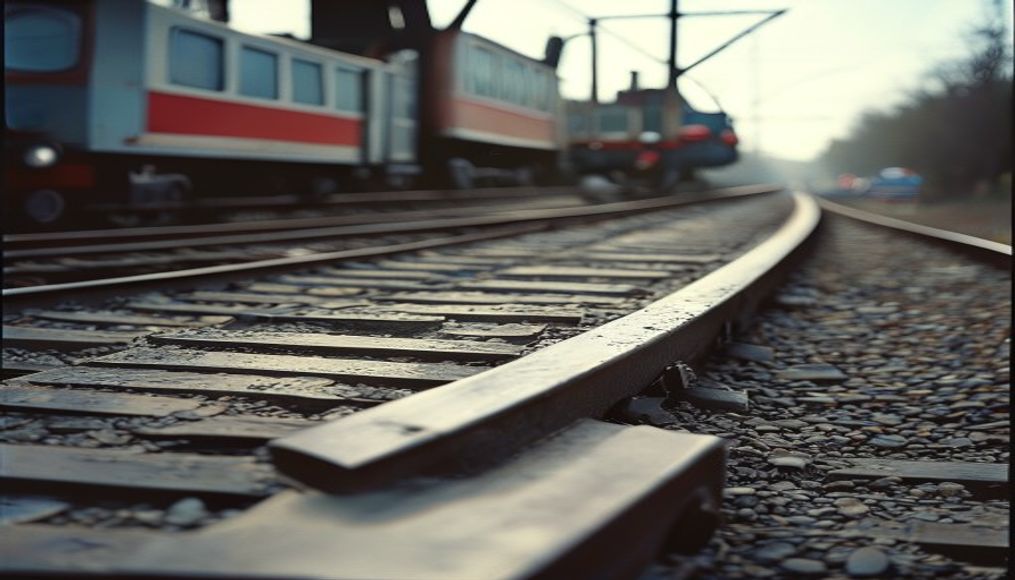
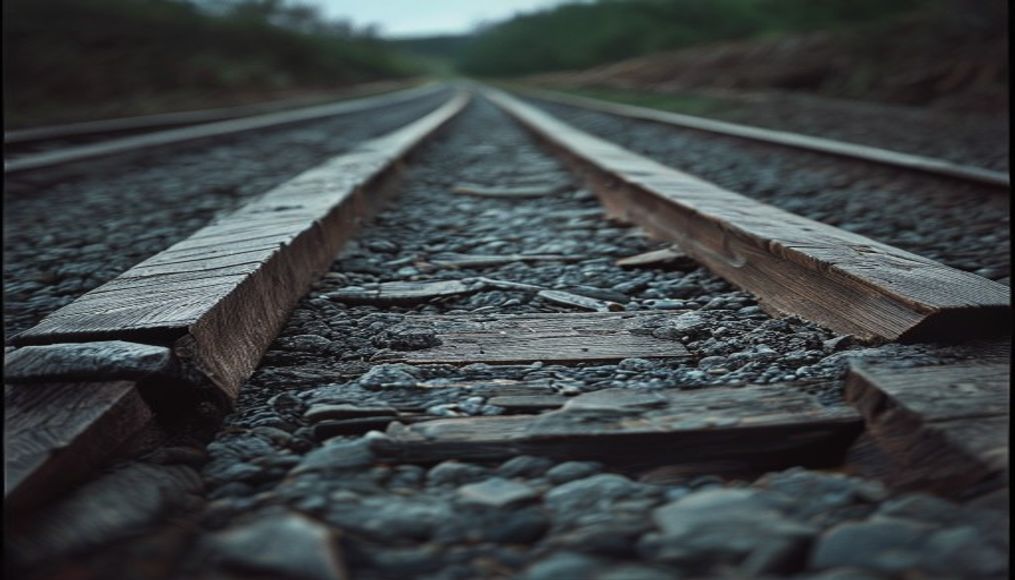
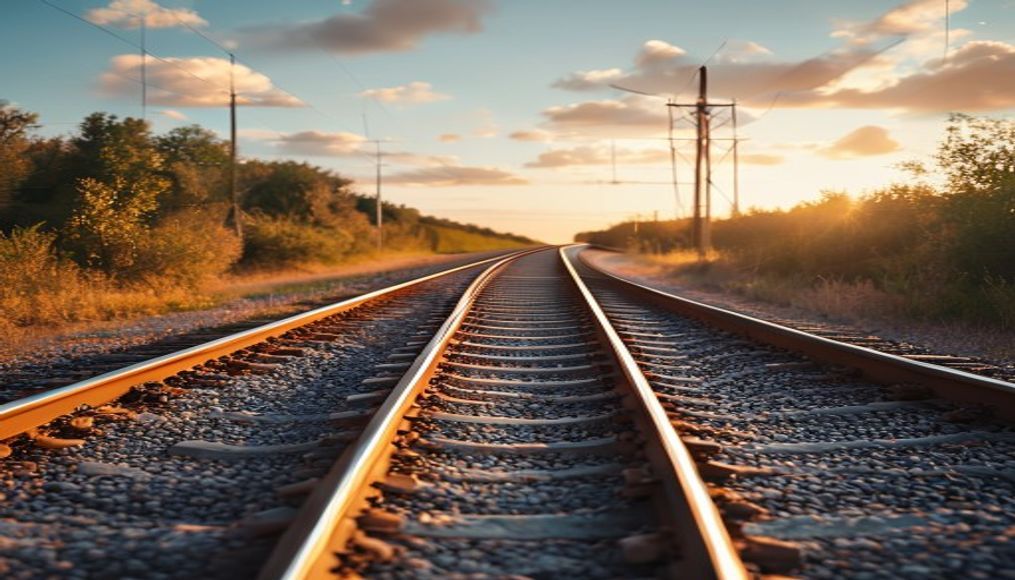
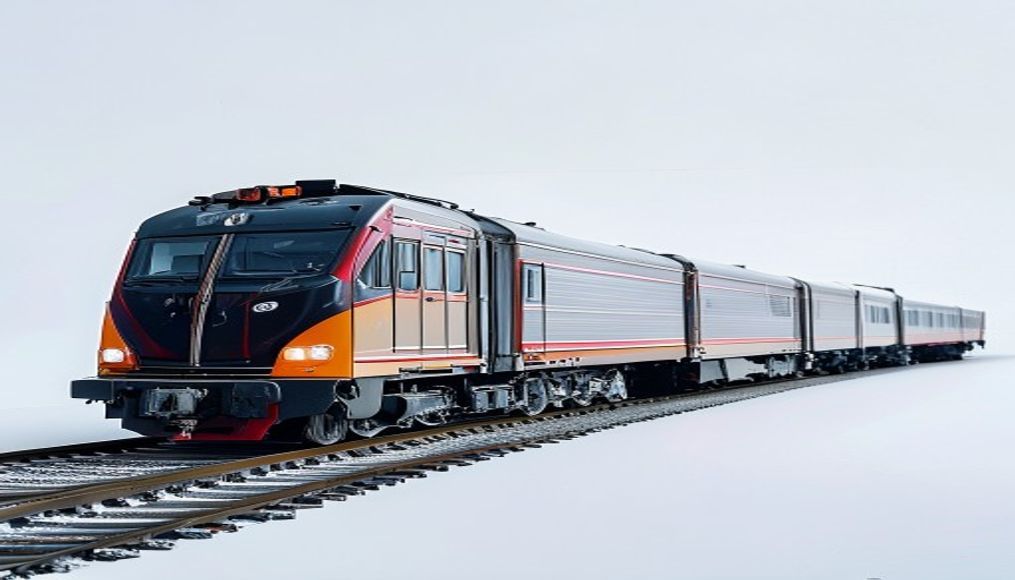
Railroad switch
1344×768 · AVIF · CC BY 4.0
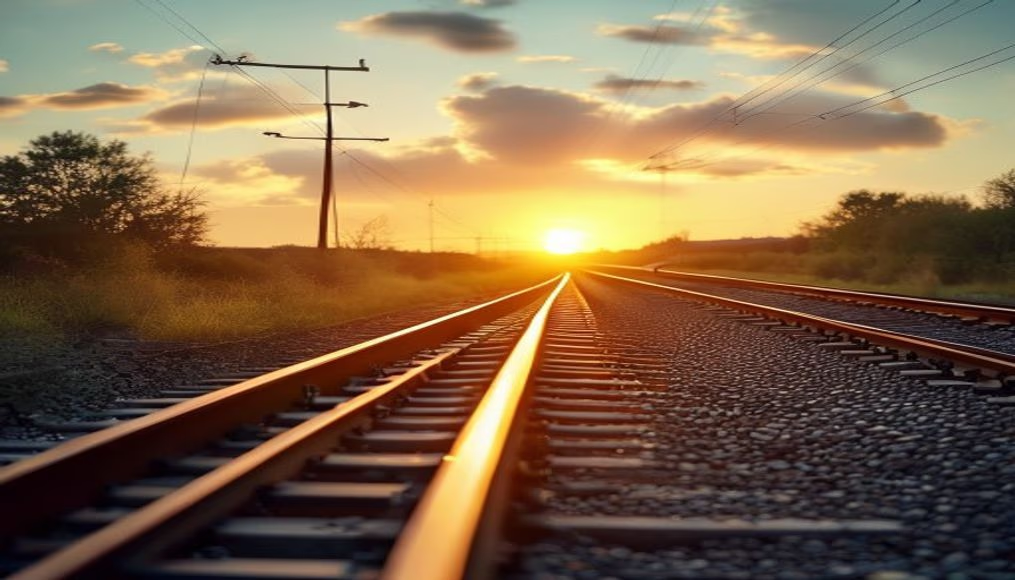
Chave de desvio ferroviário: dispositivo que permite que trens mudem de trilho, essencial para a operação de ferrovias.
Sobre o tema
Um desvio ferroviário, também conhecido como chave de desvio ou aparelho de mudança de via (AMV), é um mecanismo que guia os trens de uma linha para outra. Composto por trilhos móveis chamados de agulhas, o dispositivo funciona desviando as rodas do trem para o trajeto desejado sem necessidade de parada. Existem dezenas de tipos, desde o desvio simples (que bifurca uma via em duas) até o desvio de dupla troca (que permite múltiplas combinações). O primeiro registro de uso data do início do século XIX, nos primórdios das ferrovias a vapor, quando a necessidade de cruzar e mudar de linha se tornou crítica para o transporte de cargas e passageiros. Sem esses mecanismos, as redes ferroviárias modernas, com milhares de quilômetros de extensão, simplesmente não existiriam. A manutenção dos desvios é constante, pois o atrito e o impacto repetido dos trens desgastam as agulhas, exigindo inspeções diárias e lubrificação. Em ferrovias de alta velocidade, os desvios precisam suportar forças centrífugas intensas, sendo projetados com ligas de aço especiais e sistemas de travamento hidráulico. Curiosamente, o termo "polinização de onda" (ou wave pollination) não está relacionado diretamente ao desvio, mas pode descrever o movimento oscilatório das rodas ao passar sobre juntas de trilho. Já na fotografia de viagem, esses mecanismos são temas frequentes por sua geometria precisa e pelo contraste com a paisagem ao redor, evocando a engenhosidade da infraestrutura de transporte global.
Perguntas frequentes
Qual é a função principal de um desvio ferroviário?
Permitir que um trem mude de uma via para outra sem parar, direcionando as rodas por meio de trilhos móveis chamados agulhas.
Quais são os principais tipos de desvios?
Os mais comuns são o desvio simples (bifurcação), o desvio em Y, e o desvio de dupla troca, que permite múltiplas combinações de rotas.
Como são feitas a manutenção e a inspeção dos desvios?
A manutenção é diária, com lubrificação das agulhas e verificação do desgaste. Em ferrovias de alta velocidade, são usados sistemas de monitoramento eletrônico para detectar falhas.
URL direta
https://pub-c7d6a6ea828543ac903a74a341ccb2e1.r2.dev/imagens/railroad-switch-travel-photography-p0.avifComo creditar
Inclua um link visível de volta pro UtilizAí. Copie um dos snippets abaixo:
<a href="https://xn--utiliza-eza.com/midia/imagens/railroad-switch-travel-photography-p0">Railroad switch</a> by <a href="https://xn--utiliza-eza.com">UtilizAí</a>, licensed under <a href="https://creativecommons.org/licenses/by/4.0/">CC BY 4.0</a>.
[Railroad switch](https://xn--utiliza-eza.com/midia/imagens/railroad-switch-travel-photography-p0) by [UtilizAí](https://xn--utiliza-eza.com), CC BY 4.0
Licença: CC-BY-4.0