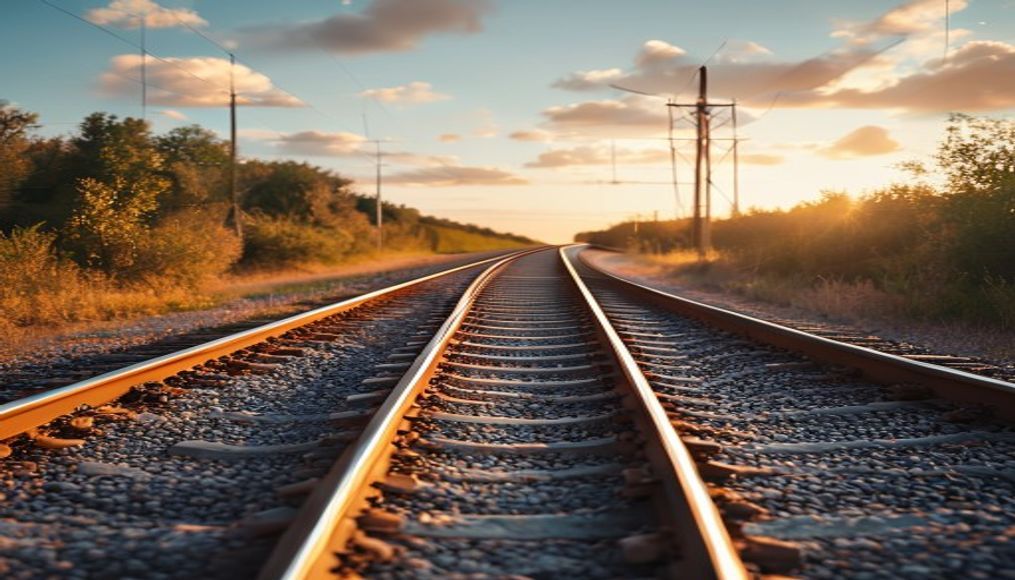
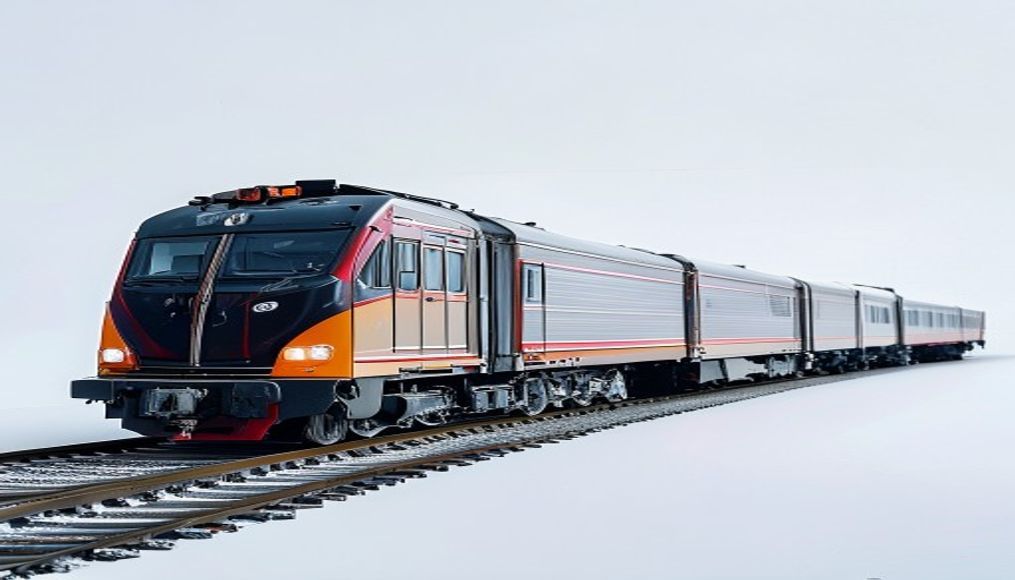
Railroad switch
1344×768 · AVIF · CC BY 4.0
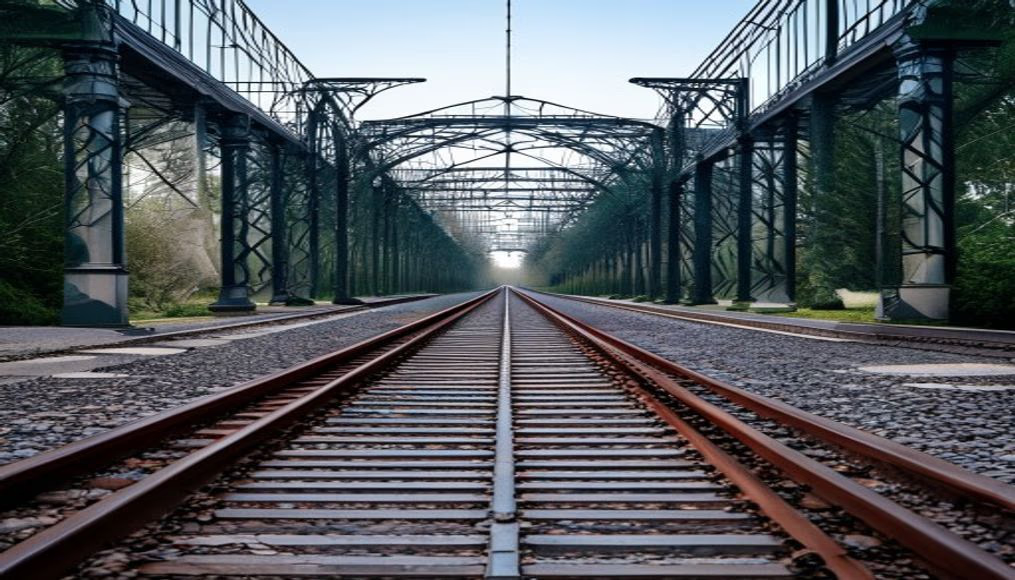
A railroad switch is essential for diverting trains between tracks. Learn about its types, operation, and importance in railway networks.
About this subject
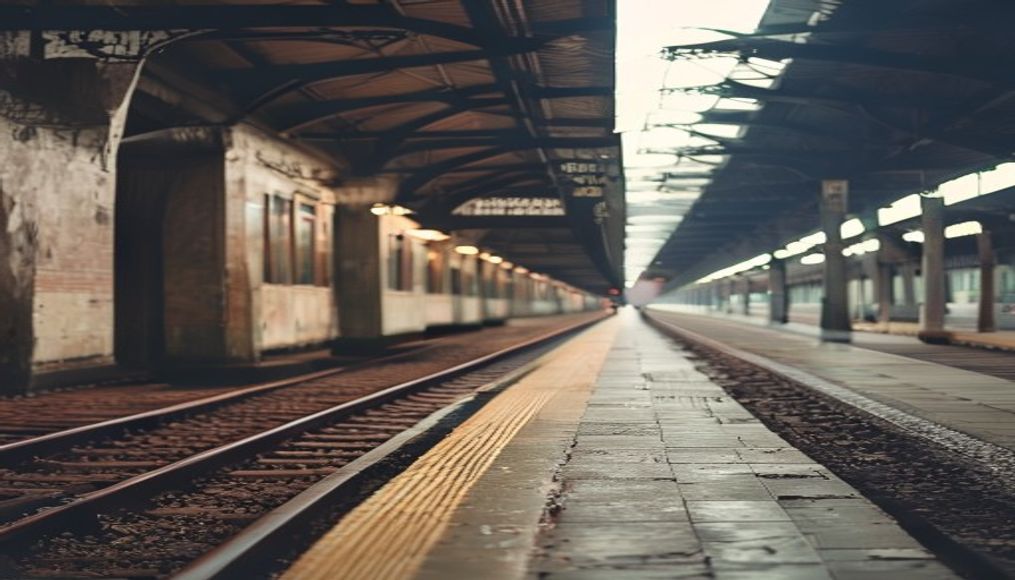
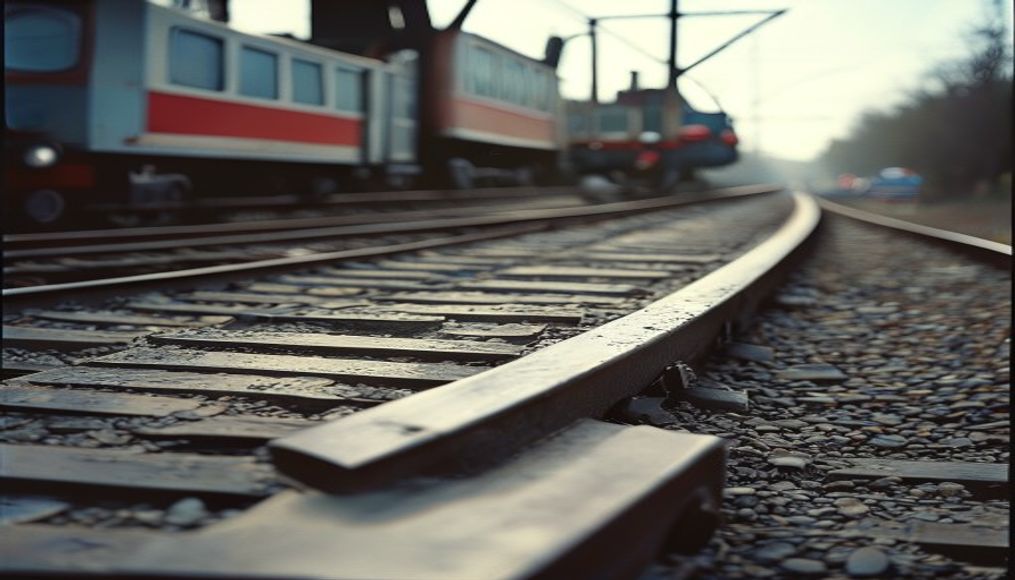
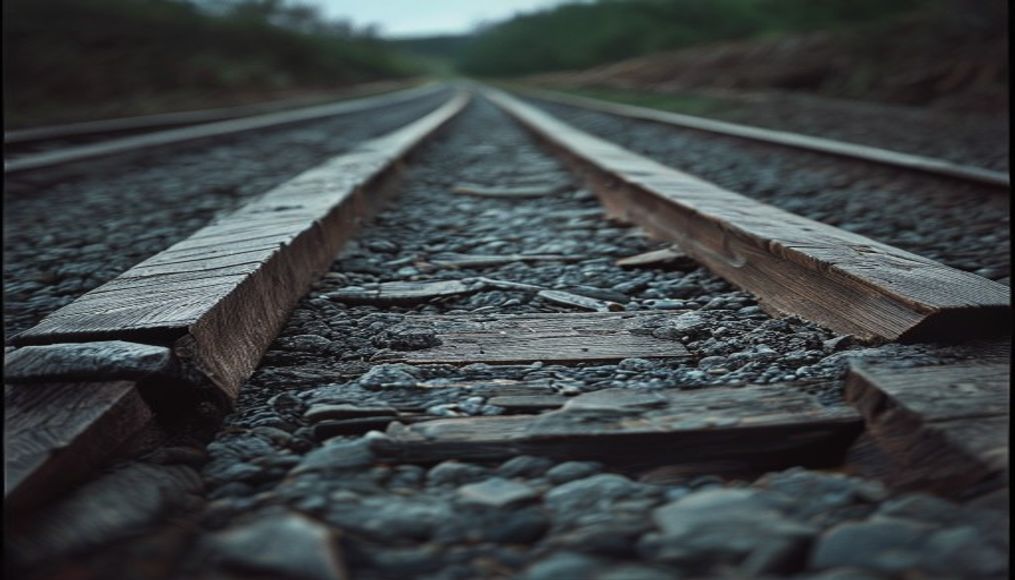
A railroad switch, also known as a turnout or points, is a mechanical device that allows trains to be diverted from one track to another. Consisting of movable rails (points), a frog, and guard rails, it operates by shifting the points to guide the train wheels onto the desired track. This component is essential for the flexibility and efficiency of railway operations, enabling multiple trains to use the same track without collisions. There are various types, such as the simple switch, which connects one track to two directions, and the double switch, which allows three routes. The history of the railroad switch dates back to the early 19th century, with innovations like the cannonball switch and lever-operated points. Worldwide, switches are critical in railway networks, from high-speed lines to urban transit. The maximum speed through a switch depends on the frog angle, ranging from 30 to 100 km/h in modern systems. Maintenance is vital for safety, including lubrication, gap adjustment, and wear inspection. Locking systems and associated signaling ensure the switch is correctly positioned before a train passes. New technologies include remote-controlled switches and sensor monitoring, enhancing reliability and reducing human error.
Frequently Asked Questions
How does a railroad switch work?
The switch works by moving the points (movable rails) to guide the train wheels onto the main or diverging track. The frog allows the wheels to cross the intersection point.
What is the difference between a simple switch and a double switch?
A simple switch connects one track to two directions (one divergence). A double switch, or crossover, allows a train to go in three directions, typically used in yard areas.
Where are railroad switches used?
They are used throughout the railway network: stations, freight yards, junctions, and even on high-speed lines for controlled track changes.
Direct URL
https://pub-c7d6a6ea828543ac903a74a341ccb2e1.r2.dev/imagens/railroad-switch-architectural-photography-p3.avifHow to credit
Include a visible link back to UtilizAí. Copy one of the snippets below:
<a href="https://xn--utiliza-eza.com/en/midia/imagens/railroad-switch-architectural-photography-p3">Railroad switch</a> by <a href="https://xn--utiliza-eza.com">UtilizAí</a>, licensed under <a href="https://creativecommons.org/licenses/by/4.0/">CC BY 4.0</a>.
[Railroad switch](https://xn--utiliza-eza.com/en/midia/imagens/railroad-switch-architectural-photography-p3) by [UtilizAí](https://xn--utiliza-eza.com), CC BY 4.0
License: CC-BY-4.0