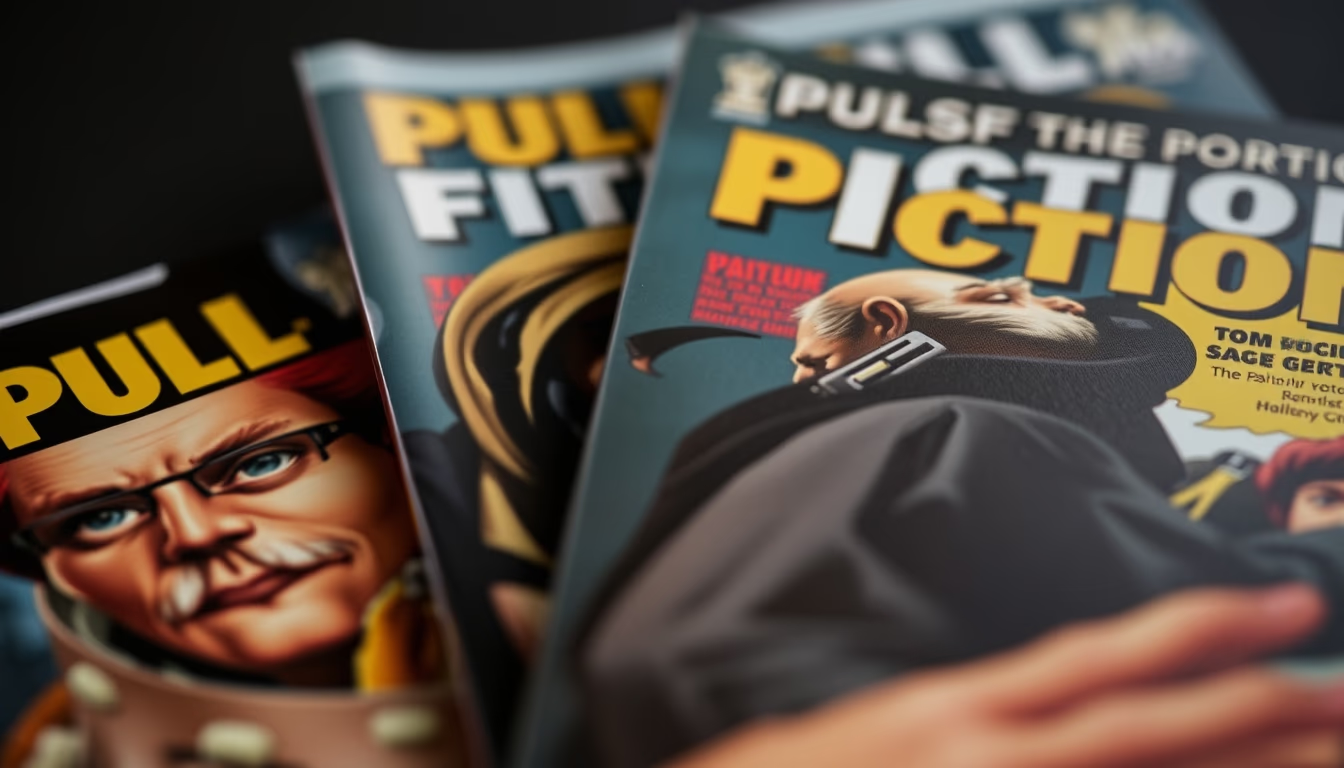
Pulp fiction covers
1344×768 · AVIF · CC BY 4.0

Capas de revistas pulp, ícones da cultura pop dos anos 1920 a 1950, retratam aventura, ficção científica e mistério com arte vibrante e chamativa.
Sobre o tema
As capas de pulp fiction são artefatos icônicos da era de ouro das revistas populares nos Estados Unidos, entre os anos 1920 e 1950. O termo "pulp" vem do papel barato de polpa de madeira usado nessas publicações, que custavam apenas alguns centavos. Essas revistas abrangiam gêneros como ficção científica, fantasia, mistério, aventura e romance, e suas capas eram peças-chave para atrair leitores nas bancas. Artistas como Frank R. Paul, Margaret Brundage e Virgil Finlay criaram ilustrações ousadas e coloridas, muitas vezes com mulheres em perigo, monstros grotescos ou heróis musculosos, que hoje são altamente colecionáveis.
A importância cultural das capas de pulp vai além do entretenimento: elas influenciaram o design gráfico, a literatura e o cinema. Títulos como "Weird Tales", "Amazing Stories" e "Black Mask" lançaram autores como H.P. Lovecraft, Edgar Rice Burroughs e Raymond Chandler. A estética das capas, com seu contraste forte e cores saturadas, inspirou movimentos artísticos posteriores, como a pop art. Hoje, essas imagens são frequentemente reproduzidas com grão de filme (film grain) para evocar a sensação autêntica de papel envelhecido e impressão da época.
O efeito de granulado aplicado em reproduções digitais não é apenas decorativo: ele busca simular a textura original das páginas de revista, que com o tempo adquirem manchas, desbotamento e uma granulação natural devida ao papel. Isso confere autenticidade e nostalgia às imagens, sendo muito utilizado em design retrô e campanhas publicitárias que desejam remeter ao passado. Colecionadores e fãs de cultura pop valorizam essas capas como testemunhos de uma era pré-televisão, quando a imaginação era alimentada por essas publicações efêmeras, mas duradouras na memória cultural.
Perguntas frequentes
O que eram as revistas pulp?
As revistas pulp eram publicações baratas, impressas em papel de polpa de madeira, populares nos EUA entre os anos 1920 e 1950. Elas ofereciam histórias de gêneros como ficção científica, mistério e aventura, com capas coloridas e chamativas.
Por que as capas de pulp fiction são tão icônicas?
Suas capas eram projetadas para atrair leitores rapidamente, com ilustrações ousadas e temas sensacionalistas. Artistas talentosos criaram imagens que se tornaram referência cultural, influenciando a arte, o cinema e a literatura.
O que significa o efeito de granulado (film grain) nessas imagens?
O granulado simula a textura e o envelhecimento natural do papel das revistas originais. É usado em reproduções digitais para dar autenticidade e um toque nostálgico, remetendo à estética vintage.
URL direta
https://pub-c7d6a6ea828543ac903a74a341ccb2e1.r2.dev/imagens/pulp-fiction-covers-film-grain-authentic-fresh6.avifComo creditar
Inclua um link visível de volta pro UtilizAí. Copie um dos snippets abaixo:
<a href="https://xn--utiliza-eza.com/midia/imagens/pulp-fiction-covers-film-grain-authentic-fresh6">Pulp fiction covers</a> by <a href="https://xn--utiliza-eza.com">UtilizAí</a>, licensed under <a href="https://creativecommons.org/licenses/by/4.0/">CC BY 4.0</a>.
[Pulp fiction covers](https://xn--utiliza-eza.com/midia/imagens/pulp-fiction-covers-film-grain-authentic-fresh6) by [UtilizAí](https://xn--utiliza-eza.com), CC BY 4.0
Licença: CC-BY-4.0