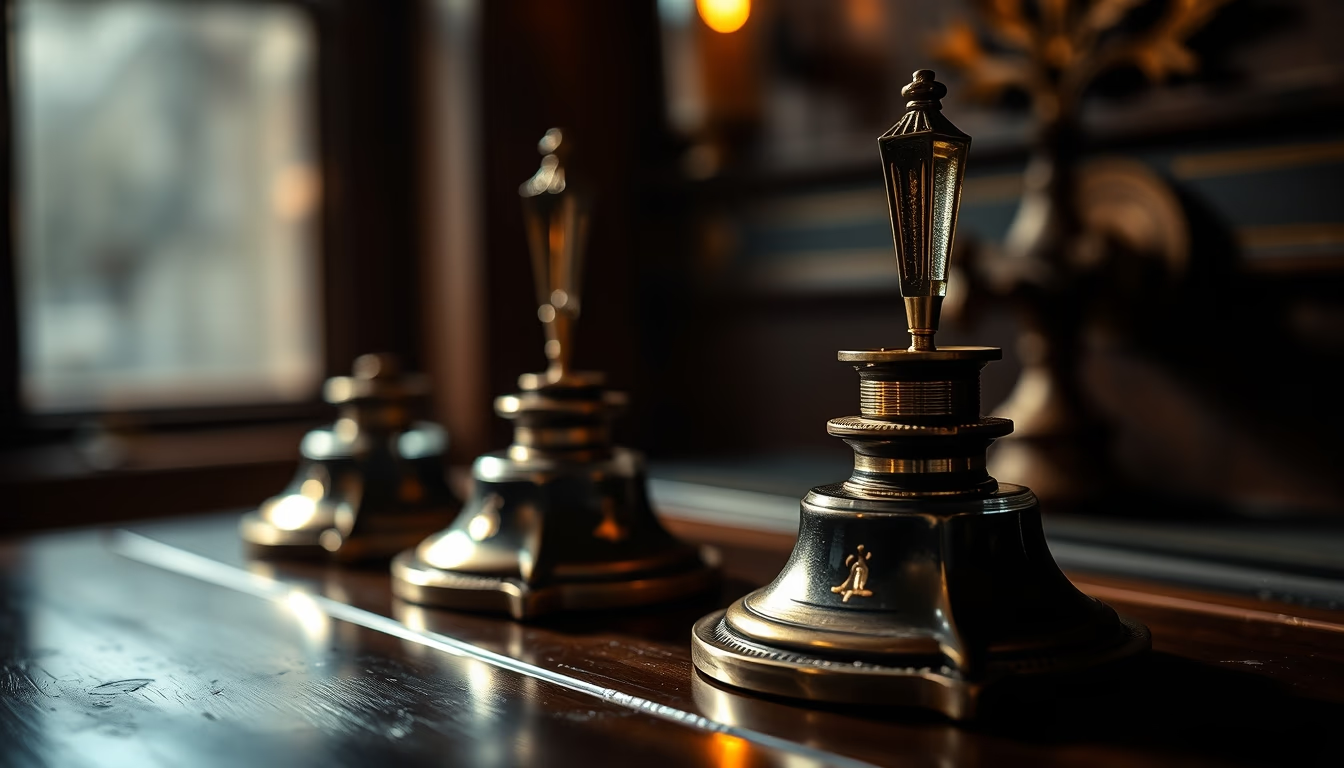
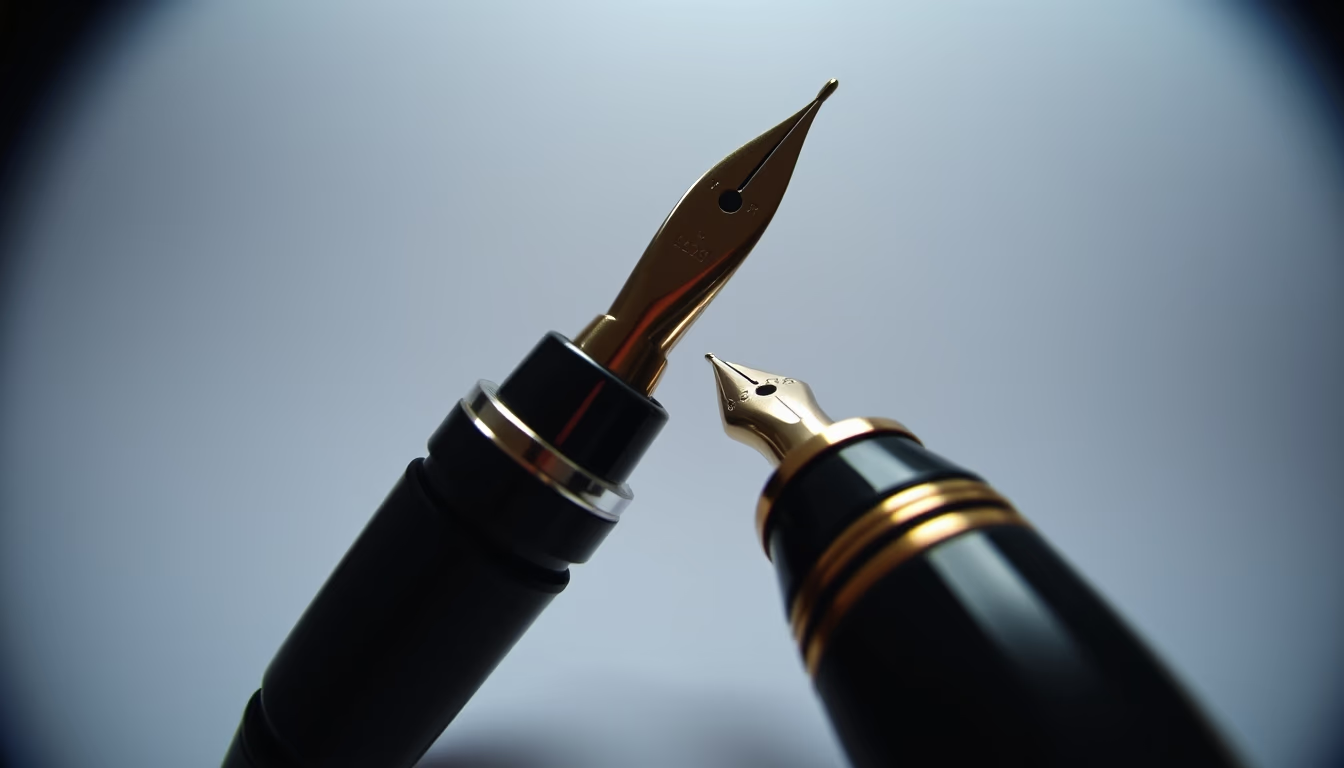
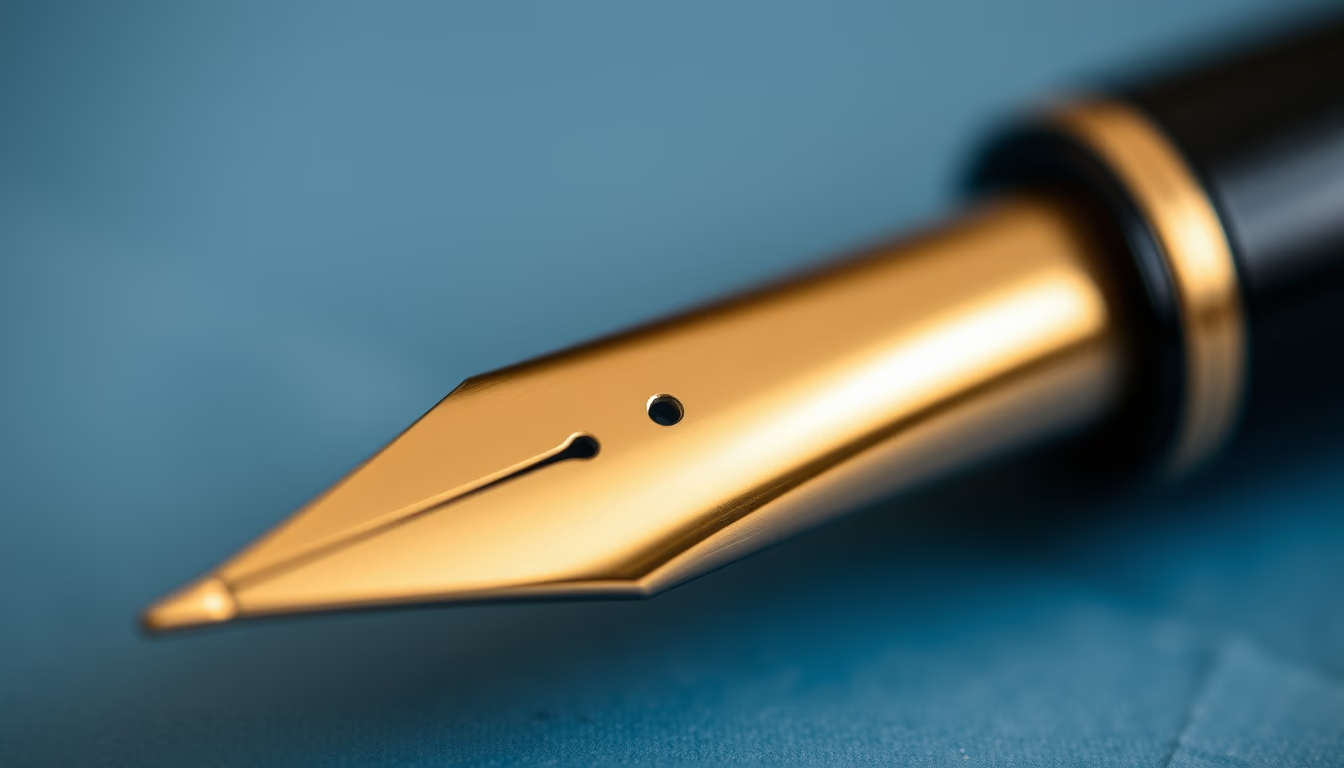
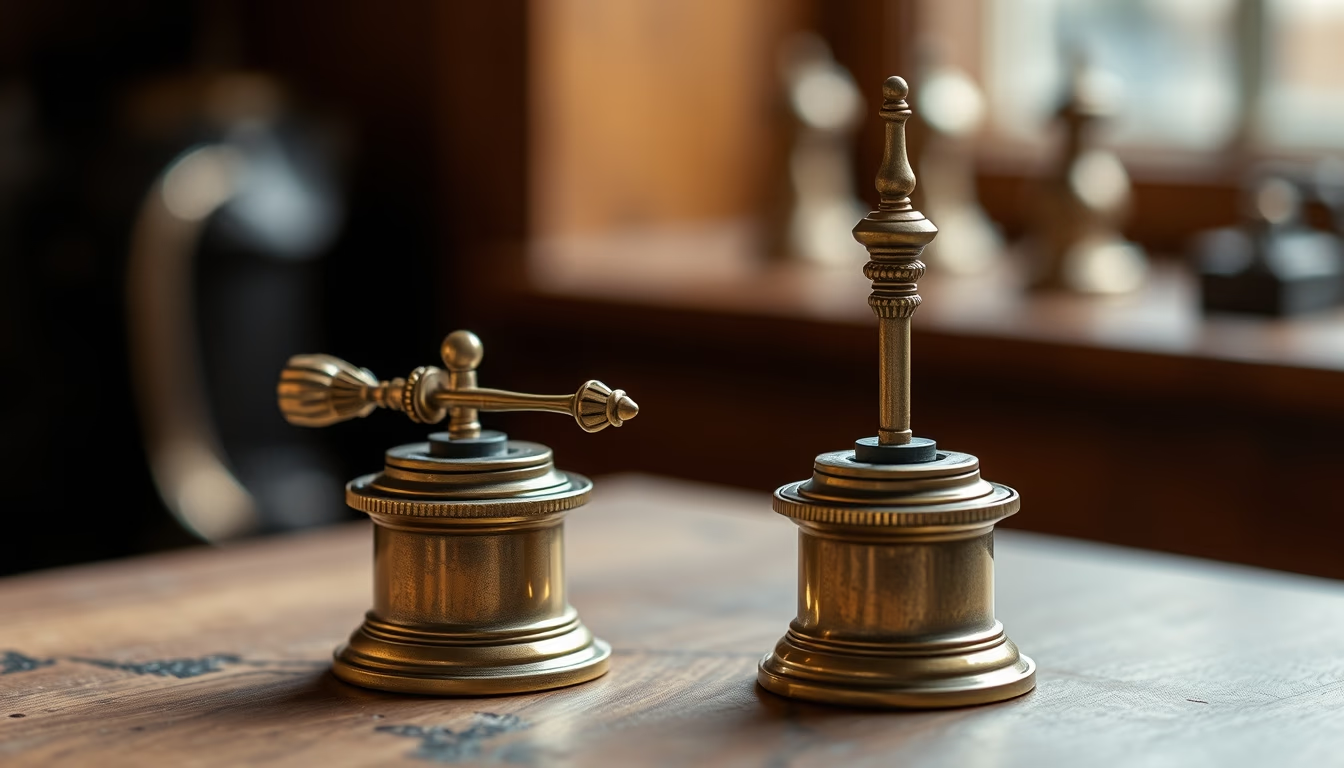
Pencil collection vintage
1344×768 · AVIF · CC BY 4.0
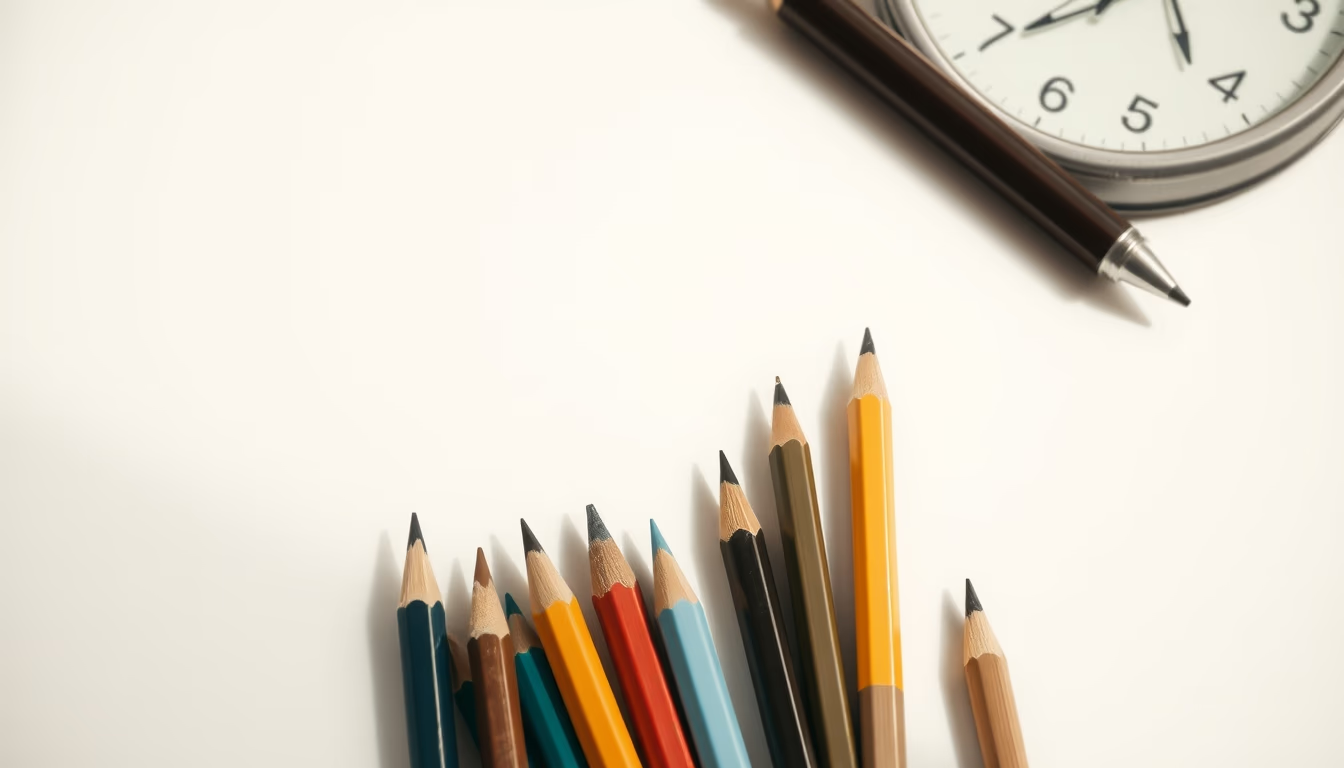
Vintage pencil collections reveal the evolution of design and writing, with rare pieces telling stories of bygone eras.
About this subject
Vintage pencils, especially those manufactured between the 19th and mid-20th centuries, are coveted objects for collectors and writing enthusiasts. Unlike modern pencils, these specimens featured unique characteristics such as leads of varying hardness, exotic woods (cedar, cherry, mahogany), and finishes in varnish or metal. Brands like Faber-Castell, Staedtler, Eagle, and Koh-I-Noor produced iconic lines, such as the “Mongol” colored pencils or technical drawing pencils with specific numbering. Many of these items also bore labels and prints in Art Deco or Art Nouveau styles, reflecting the aesthetic trends of each decade.
The practice of collecting vintage pencils has gained momentum with the growing interest in retro stationery. Antique fairs, specialized websites, and social media groups bring together enthusiasts who exchange information about rarities, such as advertising pencils from defunct companies, limited editions from German and Japanese factories, and even pencils once used by historical figures. A coveted example is the “Blackwing 602” pencil, produced by Eberhard Faber, famous for its rectangular eraser and for having been used by composers like John Steinbeck and Leonard Bernstein.
Beyond historical value, collecting vintage pencils offers a dive into the technological evolution of writing. The first graphite pencils, in the 16th century, were wrapped in string or leather; by the 19th century, industrialization allowed mass production, with improvements in graphite strength and color standardization. Collecting these objects is also preserving the memory of a time when handwriting was the primary means of communication, before the digital age.
For those wishing to start a collection, it is recommended to research authenticity certificates, condition (intact graphite, original eraser), and provenance. Pencils with manufacturing errors, discontinued lines, or commemorative editions are particularly valued. Careful curation can transform a simple pencil box into a library of industrial and cultural stories.
Frequently Asked Questions
What makes a vintage pencil valuable to collectors?
Factors such as rarity, condition, iconic brand, limited editions, use by historical figures, and unique design features (like colored lead or unusual shape) increase value.
How can I identify the authenticity of an old pencil?
Check original logos and markings, compare with period catalogs, analyze natural wear on wood and lead, and look for seals from reliable manufacturers. Joining specialized forums helps confirm provenance.
What are the main care tips for preserving vintage pencils?
Store them in a dry place away from humidity and direct sunlight. Avoid sharpening to preserve the original lead. Use padded cases or dividers to prevent friction and falls.
Direct URL
https://pub-c7d6a6ea828543ac903a74a341ccb2e1.r2.dev/imagens/pencil-collection-vintage-minimalist-composition-fresh2.avifHow to credit
Include a visible link back to UtilizAí. Copy one of the snippets below:
<a href="https://xn--utiliza-eza.com/en/midia/imagens/pencil-collection-vintage-minimalist-composition-fresh2">Pencil collection vintage</a> by <a href="https://xn--utiliza-eza.com">UtilizAí</a>, licensed under <a href="https://creativecommons.org/licenses/by/4.0/">CC BY 4.0</a>.
[Pencil collection vintage](https://xn--utiliza-eza.com/en/midia/imagens/pencil-collection-vintage-minimalist-composition-fresh2) by [UtilizAí](https://xn--utiliza-eza.com), CC BY 4.0
License: CC-BY-4.0