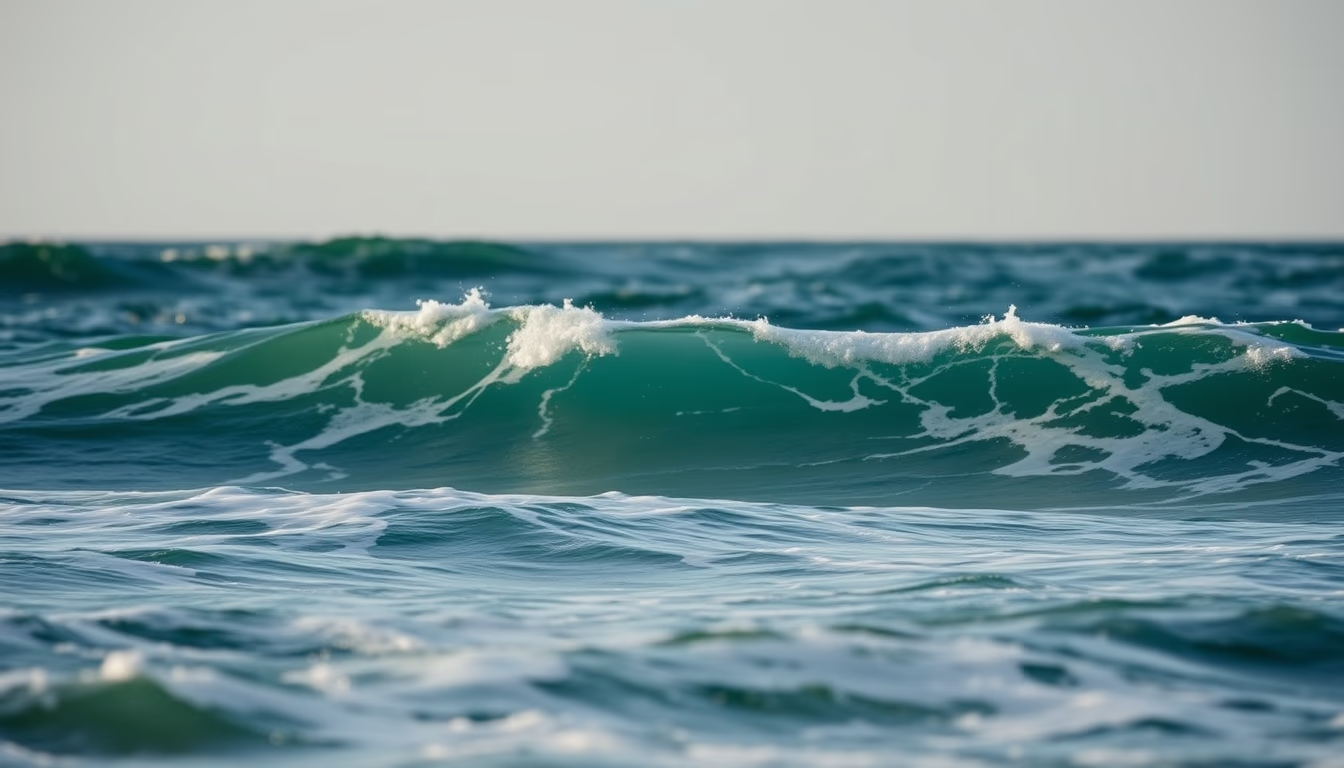
Pacific ocean waves
1344×768 · AVIF · CC BY 4.0
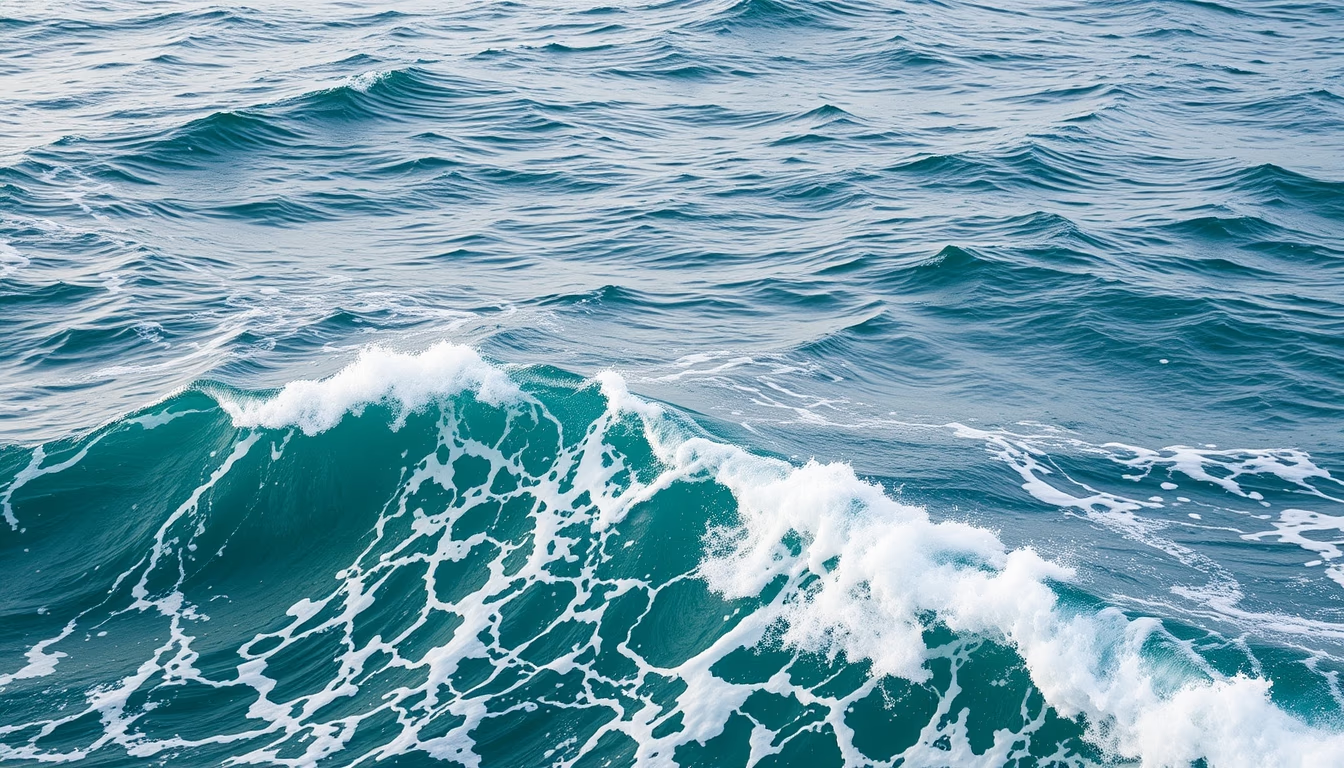
Pacific Ocean waves: giants generated by trade winds and storms, crucial for global climate and surf tourism in Hawaii, Japan and California.
About this subject
Pacific Ocean waves are primarily generated by trade winds and tropical storms, transferring energy to the ocean surface. The Pacific, the largest ocean on Earth covering about 32% of the planet's surface, has waves that directly influence global climate by transporting heat from the tropics to the poles. Along the west coast of the Americas, swell waves from North Pacific storms travel thousands of kilometers to reach California beaches, breaking over 15 meters high at spots like Mavericks. In Hawaii, the north shore of Oahu receives waves up to 20 meters in winter, making the archipelago a premier destination for big-wave surfing. The El Niño-Southern Oscillation (ENSO) also modifies wave patterns: during El Niño, equatorial sea surface temperatures rise, altering winds and generating more intense swell in some areas. Beyond tourism and sport, ocean waves are a source of renewable energy, with wave energy conversion projects under development in Chile, the United States, and Japan. The Pacific also hosts some of the largest waves ever recorded: in 2013, a buoy in the North Pacific measured a wave of 25.6 meters, the highest ever at that time. Tsunamis, waves caused by underwater earthquakes, are more frequent in the Pacific due to the Ring of Fire. Understanding waves is crucial for navigation, coastal engineering, and weather forecasting.
Frequently Asked Questions
How are Pacific Ocean waves formed?
They are primarily generated by wind, especially trade winds and storms, transferring energy to the water surface. Wave size and power depend on wind speed, duration, and fetch (distance over which wind blows).
What is the largest wave ever recorded in the Pacific?
In 2013, a buoy in the North Pacific recorded a wave height of 25.6 meters. This remains one of the highest instrumental records of waves in the Pacific Ocean.
Why are Pacific waves important for global climate?
Waves transport heat from the tropics to the poles, influencing ocean currents and climate patterns. Phenomena like El Niño and La Niña alter sea temperature and wave activity, affecting weather worldwide.
Direct URL
https://pub-c7d6a6ea828543ac903a74a341ccb2e1.r2.dev/imagens/pacific-ocean-waves-national-geographic-style-p1.avifHow to credit
Include a visible link back to UtilizAí. Copy one of the snippets below:
<a href="https://xn--utiliza-eza.com/en/midia/imagens/pacific-ocean-waves-national-geographic-style-p1">Pacific ocean waves</a> by <a href="https://xn--utiliza-eza.com">UtilizAí</a>, licensed under <a href="https://creativecommons.org/licenses/by/4.0/">CC BY 4.0</a>.
[Pacific ocean waves](https://xn--utiliza-eza.com/en/midia/imagens/pacific-ocean-waves-national-geographic-style-p1) by [UtilizAí](https://xn--utiliza-eza.com), CC BY 4.0
License: CC-BY-4.0