Oil refinery night lights
1344×768 · AVIF · CC BY 4.0
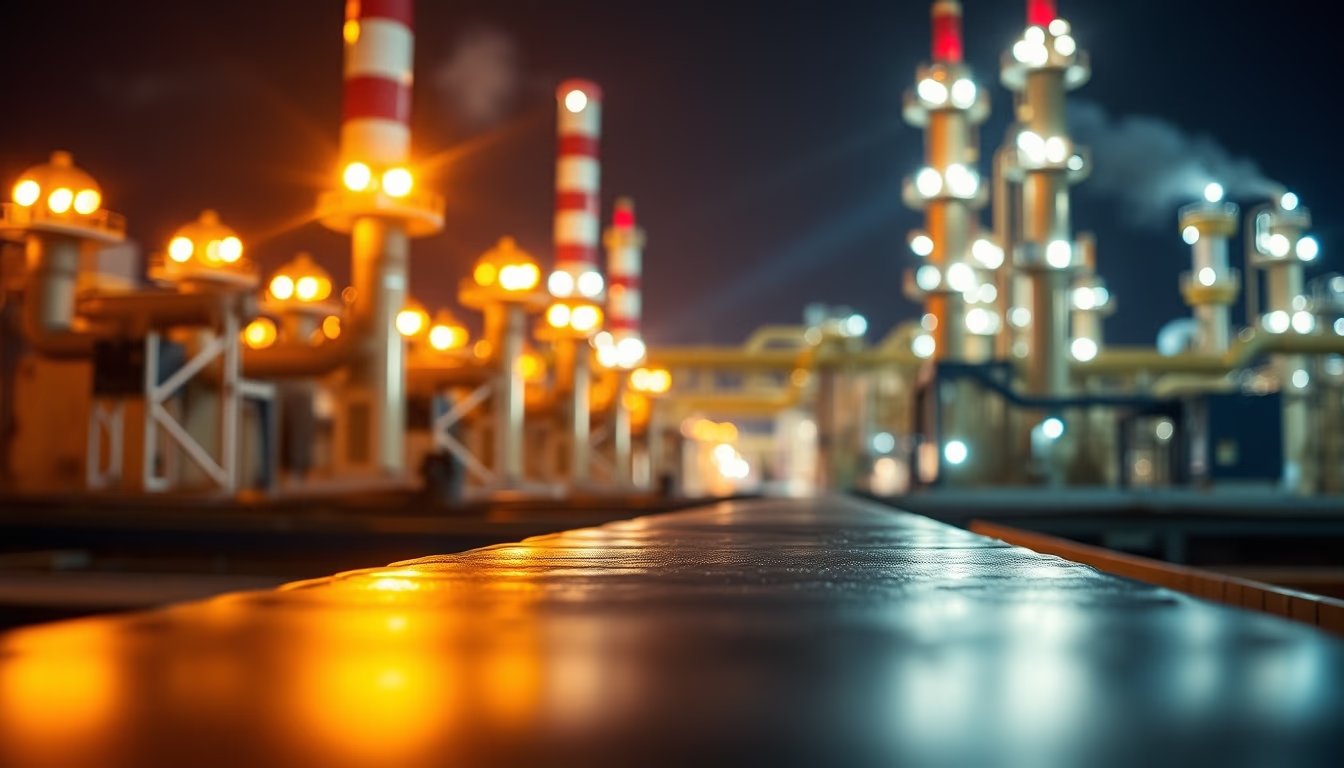
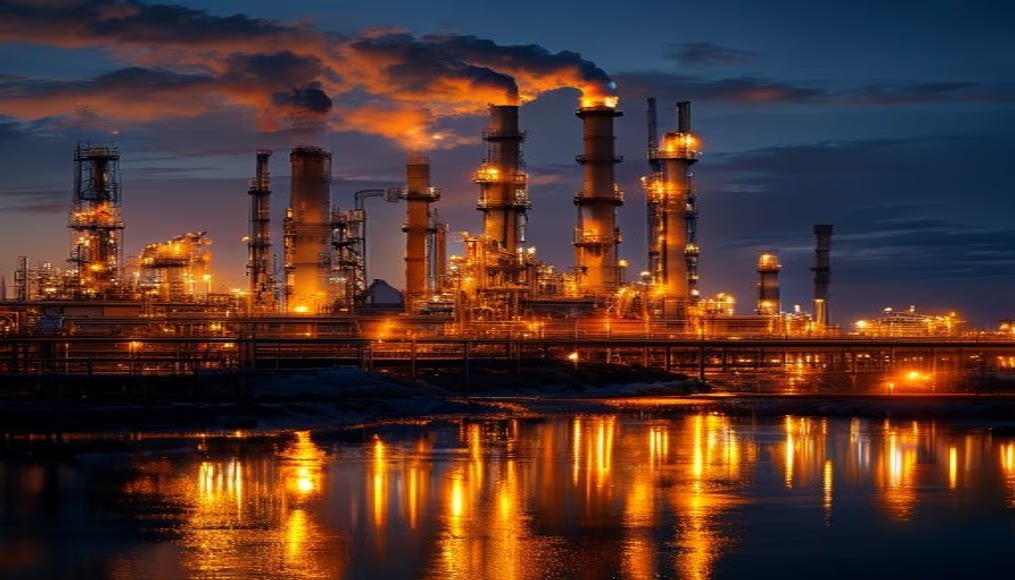
Oil refineries illuminated at night reveal the complexity of global energy infrastructure and its visual impact.
About this subject
Oil refineries are industrial facilities that transform crude oil into derivatives such as gasoline, diesel, and kerosene. When illuminated at night, their towers, pipes, and tanks create a spectacle of lights highlighting the scale of operations. These structures often run 24 hours a day, with safety lighting and aircraft warning systems. The night image of a refinery can evoke both technological advancement and debates about fossil fuel dependence.
Globally, refineries are concentrated in producing regions like the Middle East, Gulf of Mexico, and Southeast Asia. In Brazil, the Paulínia Refinery (Replan) in São Paulo is one of the largest, processing about 400,000 barrels per day. Night lighting also serves safety monitoring, preventing leaks and accidents. Night photography of refineries is a recognized genre in industrial photography, documenting the intersection of energy and landscape.
Interestingly, the color of flames in refinery flares can indicate the type of gas burned: yellow flames suggest heavy hydrocarbons, while blue indicates more efficient combustion. Light pollution from these facilities affects nearby ecosystems but also serves as a visual reference for air and maritime navigation. With the energy transition, many refineries are being adapted to process biofuels, changing their night appearance.
Frequently Asked Questions
Why are oil refineries so brightly lit at night?
Intense lighting is necessary for operational safety, allowing workers and monitoring systems to identify leaks or failures. Additionally, tall towers have obstruction lights for aviation.
What is the largest refinery in Brazil?
The Paulínia Refinery (Replan) in São Paulo is the largest in the country, with a capacity to process about 400,000 barrels of oil per day.
Do refinery night lights cause light pollution?
Yes, the light pollution generated can affect astronomical observation and local ecosystems. However, modern systems aim to direct light to reduce impact.
Direct URL
https://pub-c7d6a6ea828543ac903a74a341ccb2e1.r2.dev/imagens/oil-refinery-night-lights-magazine-editorial.avifHow to credit
Include a visible link back to UtilizAí. Copy one of the snippets below:
<a href="https://xn--utiliza-eza.com/en/midia/imagens/oil-refinery-night-lights-magazine-editorial">Oil refinery night lights</a> by <a href="https://xn--utiliza-eza.com">UtilizAí</a>, licensed under <a href="https://creativecommons.org/licenses/by/4.0/">CC BY 4.0</a>.
[Oil refinery night lights](https://xn--utiliza-eza.com/en/midia/imagens/oil-refinery-night-lights-magazine-editorial) by [UtilizAí](https://xn--utiliza-eza.com), CC BY 4.0
License: CC-BY-4.0