Rust patina detail
1344×768 · AVIF · CC BY 4.0
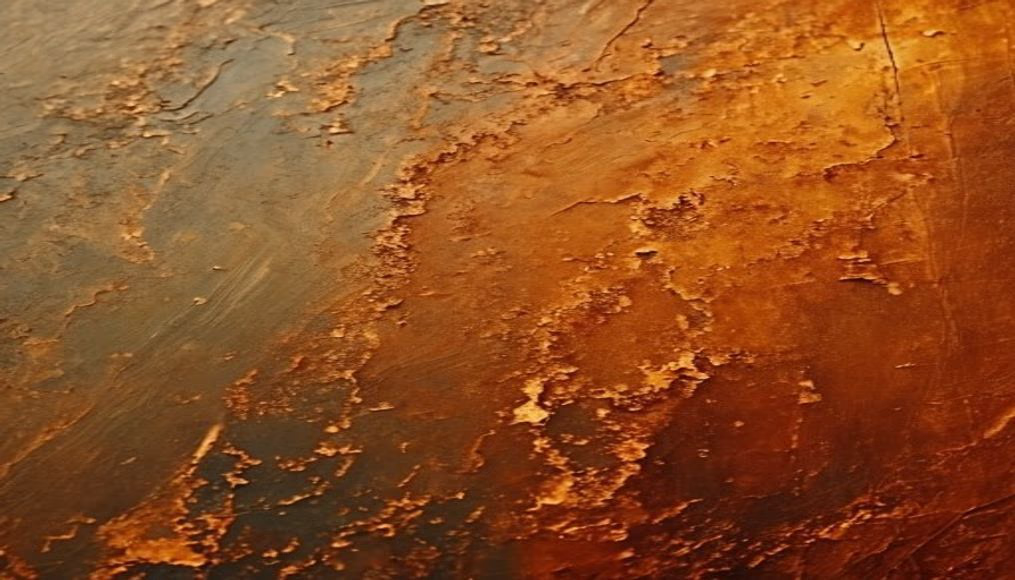
Rust patina reveals the beauty of controlled decay, a chemical and aesthetic phenomenon found on metal structures worldwide, valued in photography and architecture.
About this subject
Rust, or iron oxidation, is a natural process that occurs when metal reacts with oxygen and moisture. Rust patina, however, transcends simple wear: it is a surface layer that protects the underlying metal, offering textures and colors ranging from vibrant orange to deep brown. On structures such as bridges, shipwrecks, and Corten steel sculptures, this layer is either intentionally cultivated or accepted as part of the work's history.
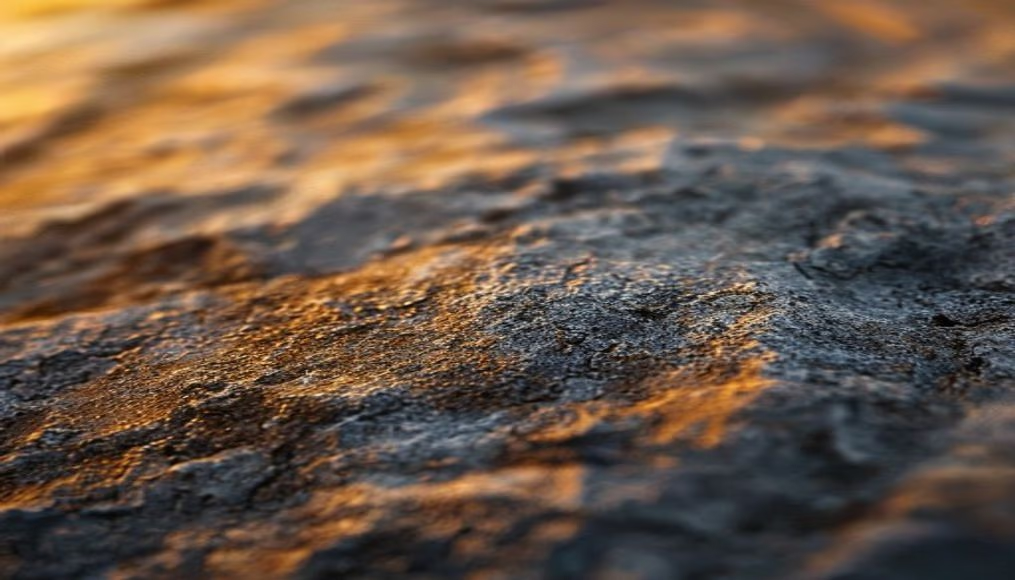
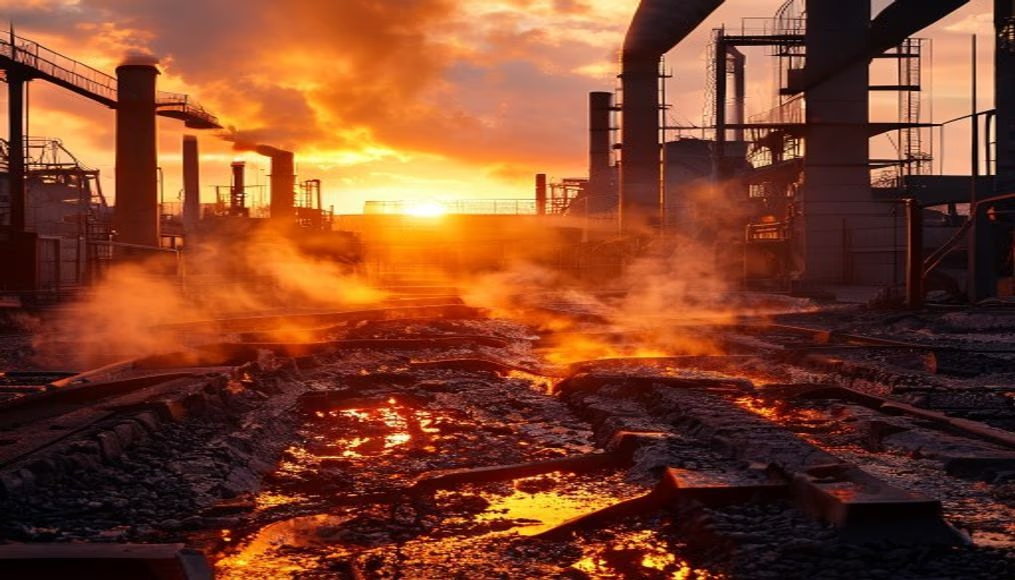
In travel photography, rust details are recurring compositions, especially in sites of decommissioned industrial heritage, like factories and railways. The grainy texture and irregular stains tell a story of exposure to elements, climate, and time. Photographers seek these images to evoke nostalgia and the passage of time, valuing the imperfect and the transient.
From a technical standpoint, patina formation depends on factors such as metal composition, relative humidity, and pollutants. In weathering steel (Corten), surface oxidation is controlled to prevent deep corrosion, used in architectural facades. In contrast, common rust on untreated structures is a sign of degradation, requiring maintenance. The line between aesthetic beauty and structural decay is subtle but fascinating.
Trivia: the word 'patina' comes from Italian and originally referred to the green layer that forms on bronze. Today, it encompasses any surface layer resulting from aging or oxidation. In many cultures, patina is a symbol of authenticity and history, celebrated in the Japanese concept of wabi-sabi, which finds beauty in imperfection and transience.
Frequently Asked Questions
What causes rust patina?
It results from iron oxidation in contact with oxygen and moisture, forming iron oxides (Fe2O3·nH2O). The speed and color depend on environmental conditions.
Why is rust considered aesthetically beautiful?
Because it evokes the passage of time, history, and imperfection, aesthetic values present in movements like Japanese wabi-sabi and art photography.
What is the difference between common rust and patina on Corten steel?
Corten steel forms a stable oxide layer that protects the metal, while common rust tends to flake and corrode deeply, requiring frequent maintenance.
Direct URL
https://pub-c7d6a6ea828543ac903a74a341ccb2e1.r2.dev/imagens/rust-patina-detail-travel-photography-v10.avifHow to credit
Include a visible link back to UtilizAí. Copy one of the snippets below:
<a href="https://xn--utiliza-eza.com/en/midia/imagens/rust-patina-detail-travel-photography-v10">Rust patina detail</a> by <a href="https://xn--utiliza-eza.com">UtilizAí</a>, licensed under <a href="https://creativecommons.org/licenses/by/4.0/">CC BY 4.0</a>.
[Rust patina detail](https://xn--utiliza-eza.com/en/midia/imagens/rust-patina-detail-travel-photography-v10) by [UtilizAí](https://xn--utiliza-eza.com), CC BY 4.0
License: CC-BY-4.0