Oboe wooden detail
1344×768 · AVIF · CC BY 4.0
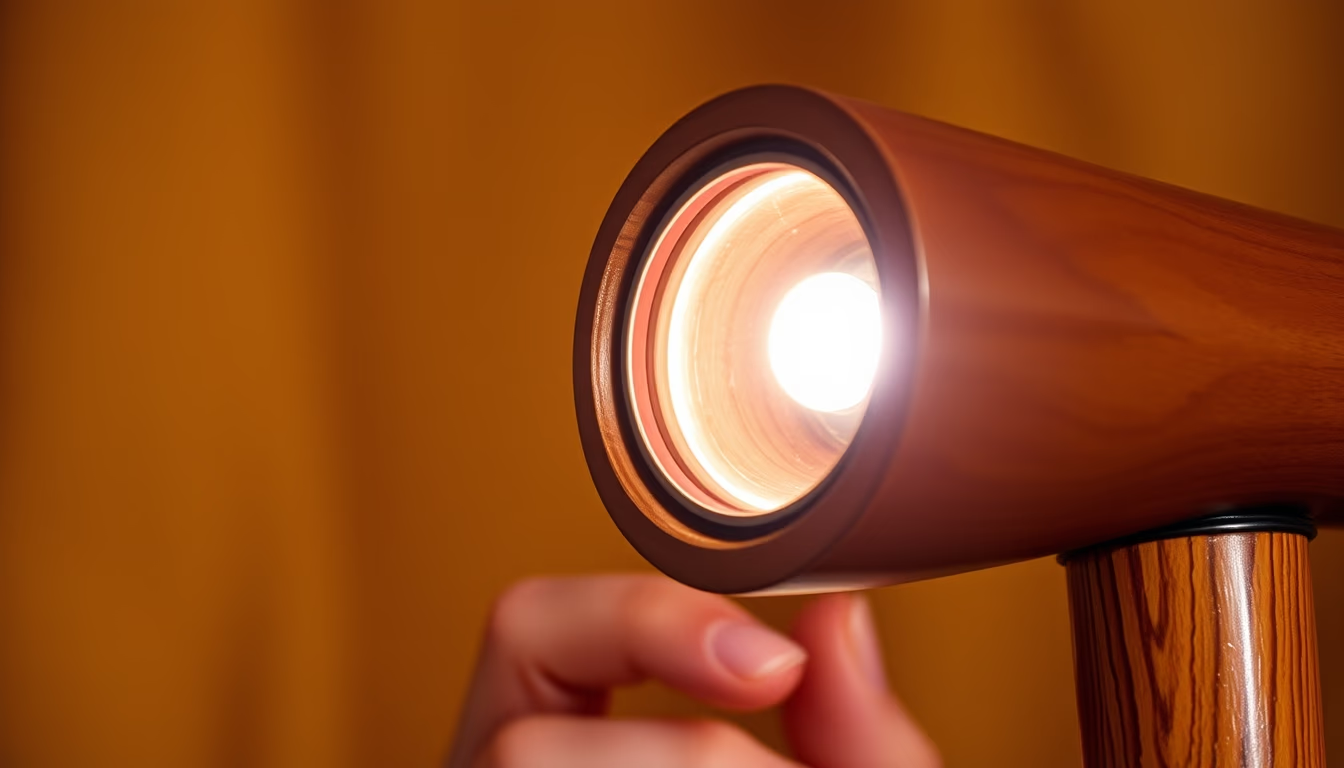
Detalhe da madeira de um oboé, instrumento de sopro da família das madeiras, rico em história e artesanato.
Sobre o tema
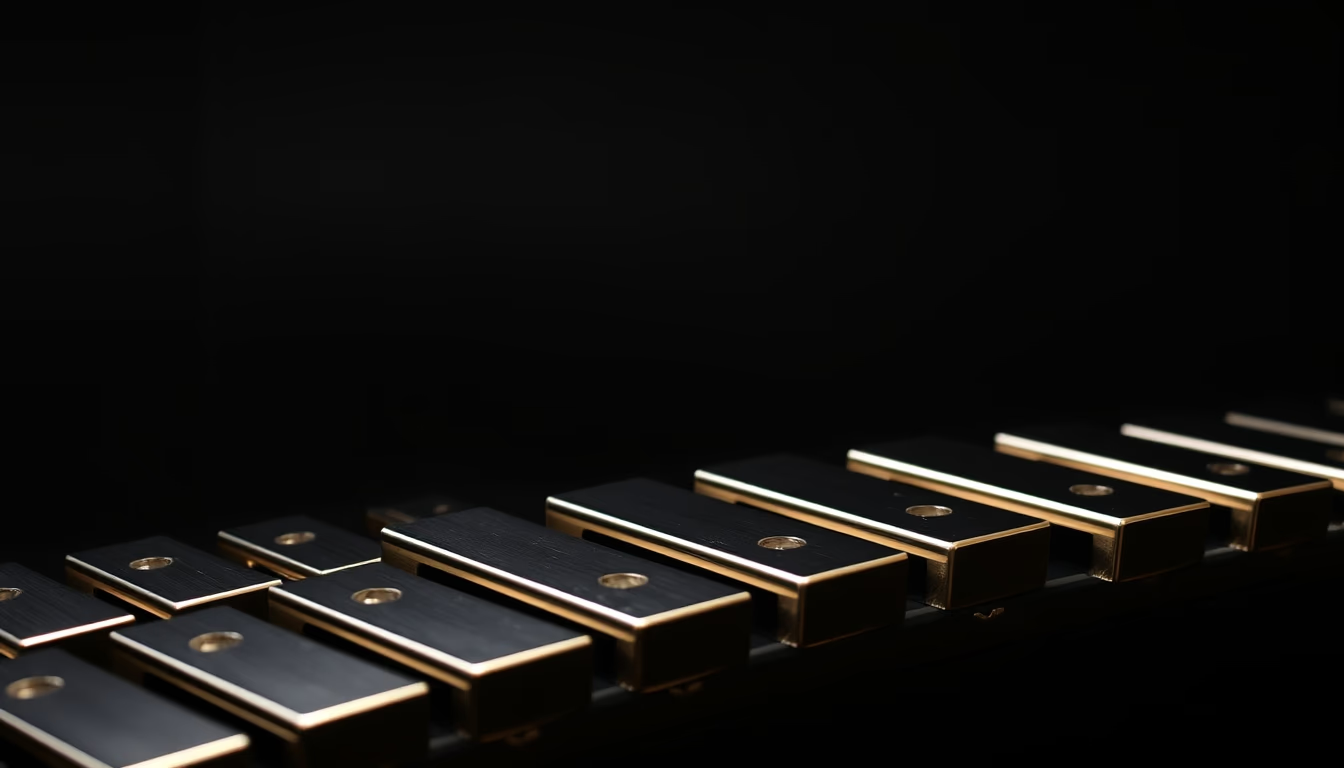
O oboé é um instrumento de sopro de palheta dupla, tradicionalmente construído em madeiras nobres como granadilha (Dalbergia melanoxylon), também conhecida como pau-preto africano. Essa madeira, densa e oleosa, é valorizada por sua resistência à umidade e por permitir um acabamento polido que realça a beleza natural dos veios. Cada oboé é esculpido a partir de um bloco maciço, em um processo que pode levar meses de trabalho manual. A escolha da madeira influencia diretamente o timbre: tons mais escuros tendem a produzir sons mais encorpados e centrados, ideais para a sonoridade lírica e expressiva do instrumento. O oboé moderno possui cerca de 60 centímetros de comprimento e utiliza um sistema complexo de chaves de metal (prata ou níquel) que cobrem orifícios para controlar a afinação. Sua origem remonta aos antigos instrumentos de palheta, como a aulos grega e a shawm medieval, mas foi no século XVII, na França, que o oboé ganhou a forma atual, com chaves e furos cônicos. Desde então, tornou-se peça fundamental em orquestras sinfônicas, bandas e música de câmara, sendo também usado no jazz e na música popular. A manutenção da madeira exige cuidados especiais: umidade excessiva pode causar rachaduras, enquanto a secura extrema leva a empenamentos. Por isso, músicos utilizam óleos específicos e estojos com controle de umidade. A imagem em estilo lo-fi e câmera descartável evoca a nostalgia do processo artesanal, contrastando a sofisticação do instrumento com uma estética crua e cotidiana.
Perguntas frequentes
Por que o oboé é feito de madeira específica como a granadilha?
A granadilha (pau-preto africano) é densa, oleosa e resistente à umidade, permitindo um acabamento liso e produzindo um timbre encorpado e estável, ideal para instrumentos de palheta dupla.
Como o oboé é afinado?
O oboé usa um sistema de chaves metálicas que abrem e fecham orifícios ao longo do corpo. O músico ajusta a embocadura (pressão dos lábios na palheta) e pequenas variações nos furos para controlar a afinação.
Qual é a origem histórica do oboé?
O oboé moderno evoluiu da shawm medieval no século XVII, na França, onde foi aperfeiçoado com chaves e um furo cônico. Tornou-se o padrão orquestral no período barroco.
URL direta
https://pub-c7d6a6ea828543ac903a74a341ccb2e1.r2.dev/imagens/oboe-wooden-detail-lo-fi-disposable-camera-p1.avifComo creditar
Inclua um link visível de volta pro UtilizAí. Copie um dos snippets abaixo:
<a href="https://xn--utiliza-eza.com/midia/imagens/oboe-wooden-detail-lo-fi-disposable-camera-p1">Oboe wooden detail</a> by <a href="https://xn--utiliza-eza.com">UtilizAí</a>, licensed under <a href="https://creativecommons.org/licenses/by/4.0/">CC BY 4.0</a>.
[Oboe wooden detail](https://xn--utiliza-eza.com/midia/imagens/oboe-wooden-detail-lo-fi-disposable-camera-p1) by [UtilizAí](https://xn--utiliza-eza.com), CC BY 4.0
Licença: CC-BY-4.0