Morse code key brass
1344×768 · AVIF · CC BY 4.0
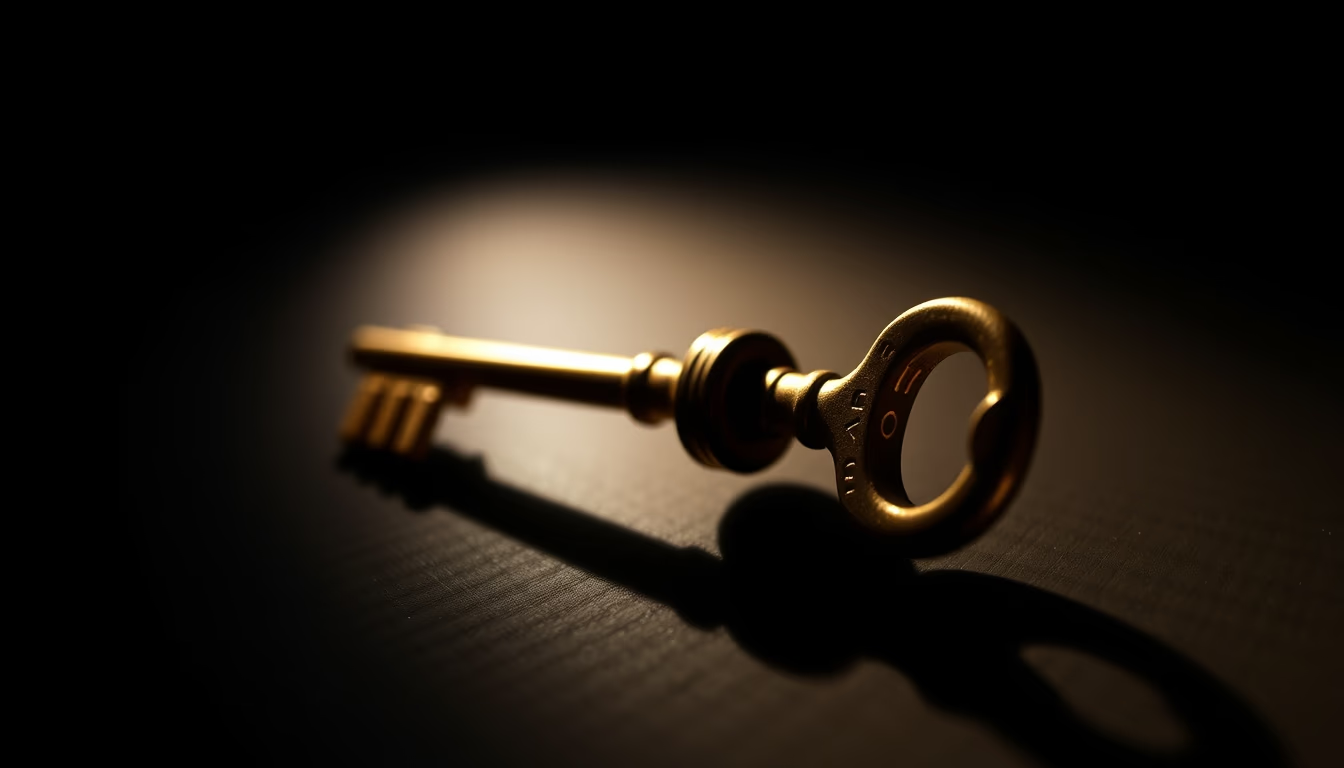
The brass Morse code key is a historical telecommunication instrument that enabled message transmission worldwide.
About this subject
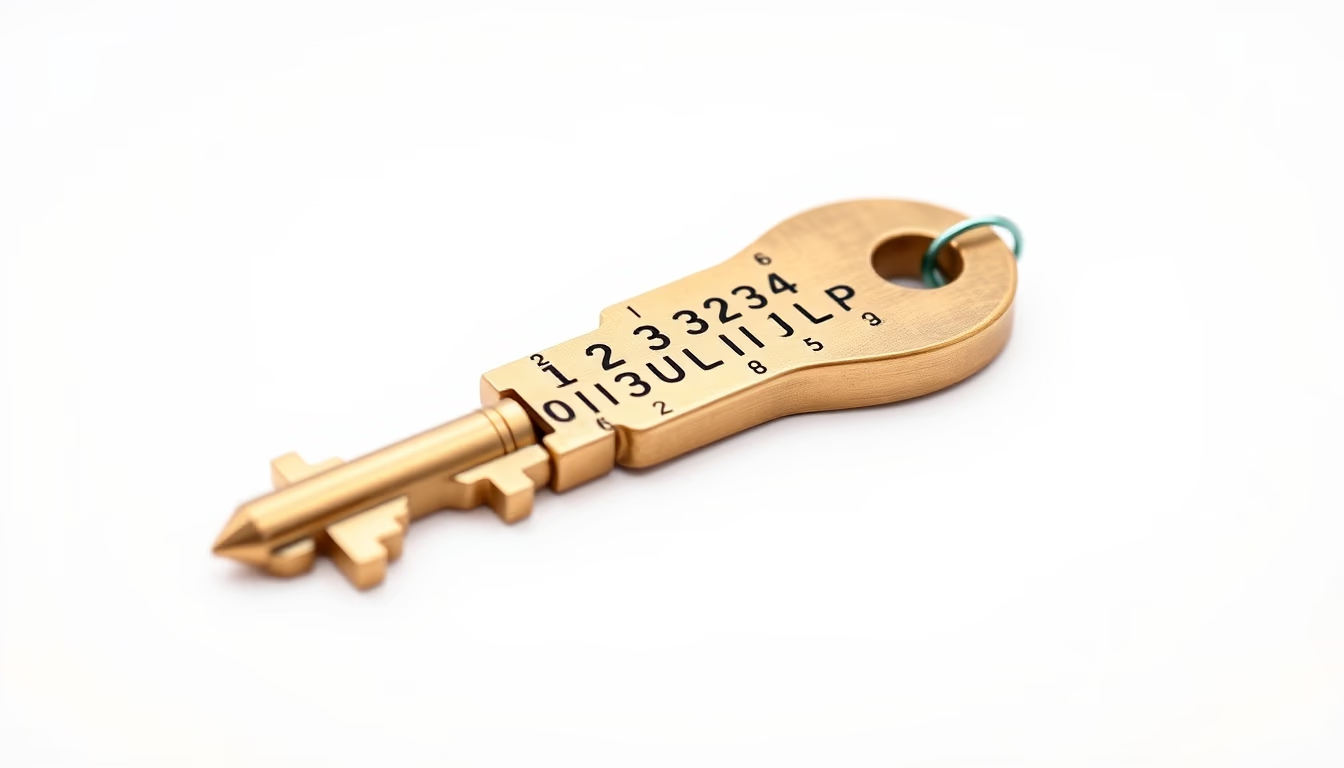
The brass telegraph key, also known as a Morse manipulator, was the central device of the first electric telegraph networks. Invented by Samuel Morse and Alfred Vail in the 1830s, the system encoded letters and numbers into sequences of dots and dashes transmitted via electrical pulses over wires. The brass key was pressed by the operator to close the electrical circuit, generating an audible or visual signal at the receiving station. Brass was chosen for its durability, conductivity, and weight, which stabilized the key during intense use.
Throughout the 19th and early 20th centuries, brass Morse keys were used in telegraph offices, railways, and newspaper rooms for urgent communications. The telegraph revolutionized information speed, reducing message delivery time from days to minutes. Trained operators could achieve speeds of up to 40 words per minute. In the United States, the first transcontinental telegraph line was completed in 1861. Standard models included the U.S. Army J-38 and keys manufactured by Western Electric.
Interestingly, the term 'Morse code key' also refers to computer keys or modern devices, but the physical brass object remains an icon of the telegraphic era. Today, amateur radio operators still use mechanical brass keys for Morse code transmission, keeping the tradition alive. The durability of brass means many 19th-century examples are still fully functional, making them collector's items and historical artifacts.
Frequently Asked Questions
How does a brass telegraph key work?
The brass key has an electrical contact that, when pressed by the operator, closes the circuit and sends an electrical pulse along the telegraph line. The duration of the press determines whether it is a dot (short) or dash (long).
What is the historical significance of Morse code?
Morse code was the first large-scale electrical telecommunication system, enabling instant communication between cities and continents. It was essential for railways, newspapers, and military operations until the mid-20th century.
Are brass Morse keys still used today?
Yes, amateur radio operators still use mechanical brass keys to transmit Morse code, especially in speed competitions and to preserve the historical technique.
Direct URL
https://pub-c7d6a6ea828543ac903a74a341ccb2e1.r2.dev/imagens/morse-code-key-brass-rembrandt-lighting-dramatic-shadows-fresh8.avifHow to credit
Include a visible link back to UtilizAí. Copy one of the snippets below:
<a href="https://xn--utiliza-eza.com/en/midia/imagens/morse-code-key-brass-rembrandt-lighting-dramatic-shadows-fresh8">Morse code key brass</a> by <a href="https://xn--utiliza-eza.com">UtilizAí</a>, licensed under <a href="https://creativecommons.org/licenses/by/4.0/">CC BY 4.0</a>.
[Morse code key brass](https://xn--utiliza-eza.com/en/midia/imagens/morse-code-key-brass-rembrandt-lighting-dramatic-shadows-fresh8) by [UtilizAí](https://xn--utiliza-eza.com), CC BY 4.0
License: CC-BY-4.0