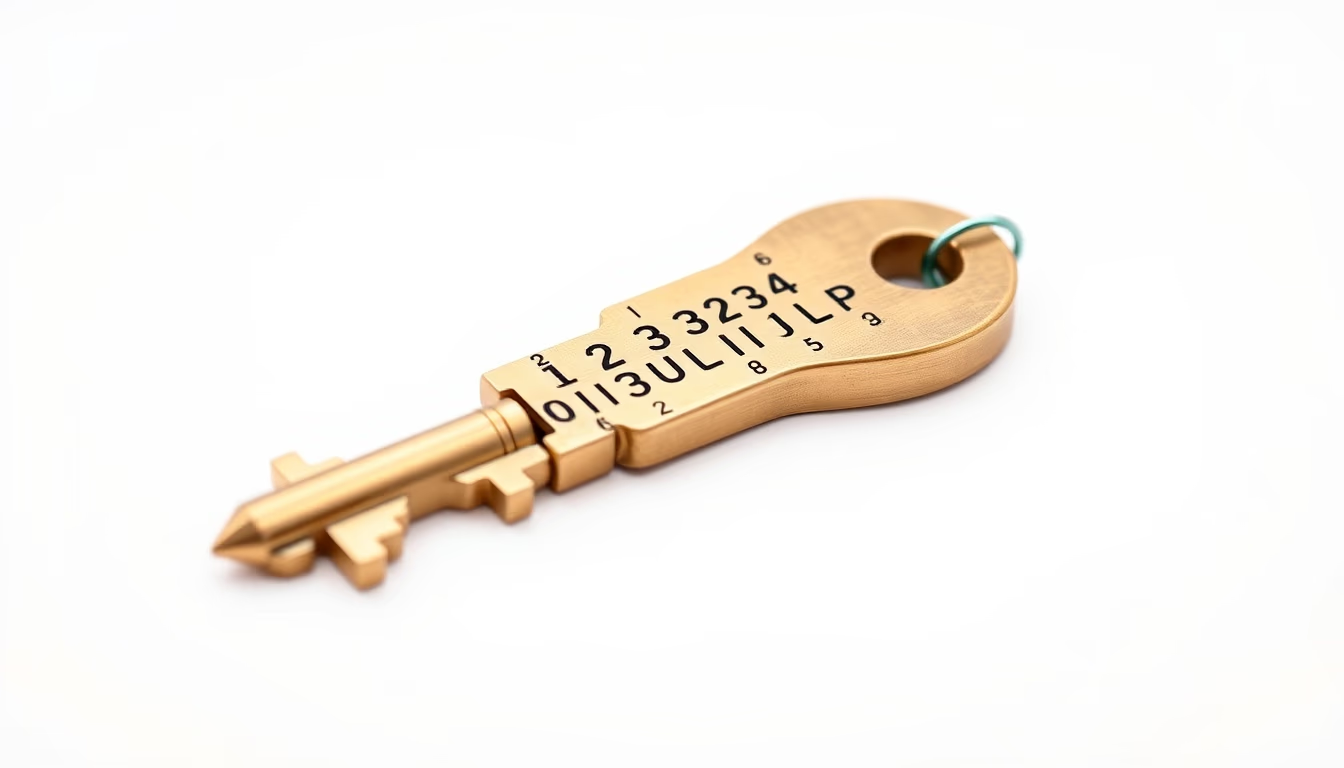
Morse code key brass
1344×768 · AVIF · CC BY 4.0
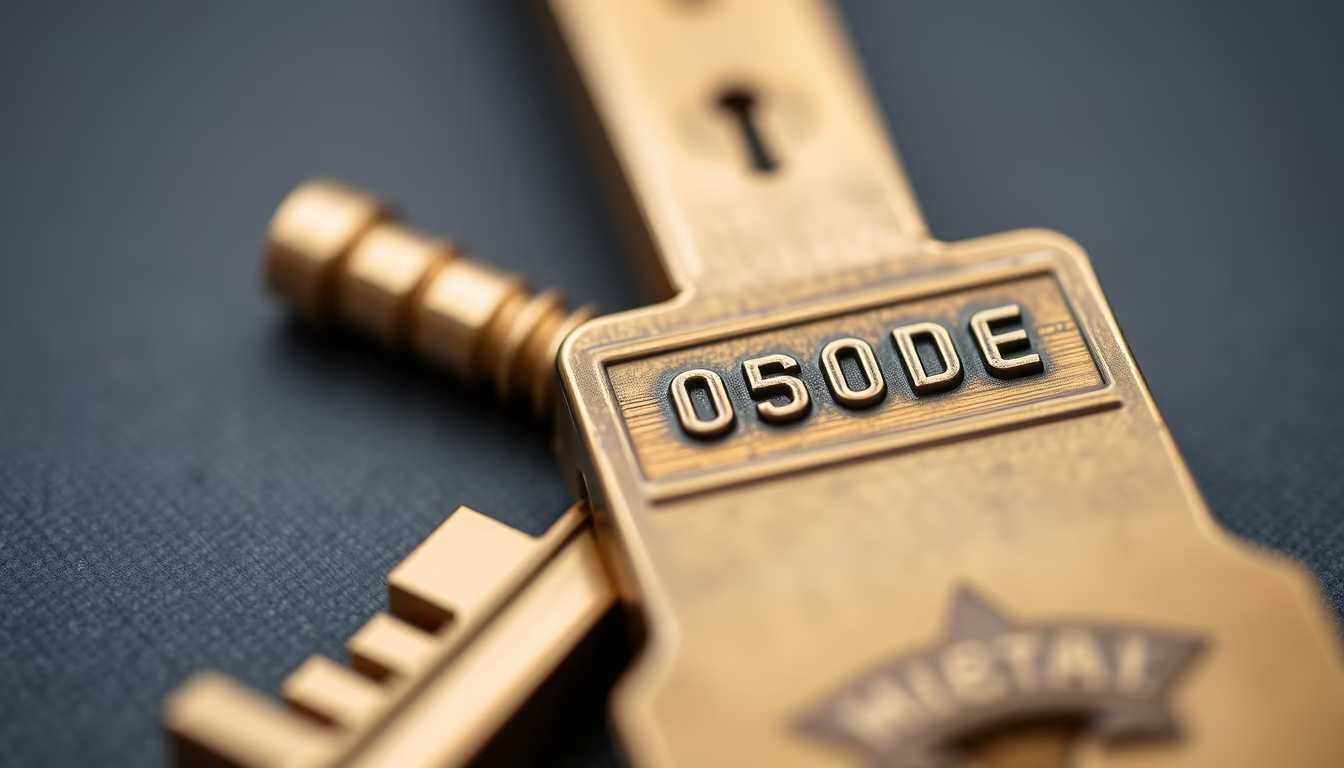
A brass telegraph key, a classic Morse code communication instrument that revolutionized telecommunications in the 19th century.
About this subject
The brass telegraph key is the central component of the electric telegraph, invented by Samuel Morse and Alfred Vail in 1837. This device allows an operator to send Morse code signals by closing and opening an electrical circuit, generating pulses that travel along wires to a distant receiver. Brass was chosen for its excellent electrical conductivity and resistance to corrosion, ensuring durability and reliable contact.
The key operates with a pivoting lever held open by a spring. Pressing the handle closes the electrical contact, completing the circuit and sending a signal. The duration of the press determines whether the signal is a dot (short) or a dash (long). Skilled operators developed a precise rhythm, capable of transmitting 20 to 30 words per minute. The characteristic metallic click of the key became so familiar that many operators recognized colleagues by their style.
Historically, the telegraph transformed global communication. In 1866, the first transatlantic telegraph cable was installed, reducing message delivery time from weeks to minutes. Railways, newspapers, and governments quickly adopted the technology, creating the first global network of instant communication. Morse code remained in official use in many navies and aviation until the late 20th century and is still used today by amateur radio operators. The SOS signal (three dots, three dashes, three dots) is the most famous and was standardized internationally.
Today, brass telegraph keys are highly valued as collector's items and steampunk aesthetic objects. Their handcrafted construction, with a wooden base and polished brass fittings, reflects 19th-century engineering. Unlike modern digital keypads, this key requires manual skill and knowledge of code, connecting the user to an era when every transmitted word was shaped by hand movement.
Frequently Asked Questions
What is a brass telegraph key?
It is an instrument used to send Morse code in electric telegraphs. It consists of a brass lever mounted on a base, which closes and opens an electrical circuit when pressed, generating pulses representing dots and dashes.
How does the telegraph transmit messages with this key?
The operator presses the key for short or long durations to create dots and dashes of Morse code. The electrical pulses travel along wires to a receiver, which converts the signals into sounds or marks on paper.
What was the impact of the telegraph on global communication?
The electric telegraph enabled instant long-distance message transmission from the 19th century, revolutionizing business, newspapers, and military operations. It reduced communication time between continents from weeks to minutes.
Direct URL
https://pub-c7d6a6ea828543ac903a74a341ccb2e1.r2.dev/imagens/morse-code-key-brass-macro-closeup-fresh13.avifHow to credit
Include a visible link back to UtilizAí. Copy one of the snippets below:
<a href="https://xn--utiliza-eza.com/en/midia/imagens/morse-code-key-brass-macro-closeup-fresh13">Morse code key brass</a> by <a href="https://xn--utiliza-eza.com">UtilizAí</a>, licensed under <a href="https://creativecommons.org/licenses/by/4.0/">CC BY 4.0</a>.
[Morse code key brass](https://xn--utiliza-eza.com/en/midia/imagens/morse-code-key-brass-macro-closeup-fresh13) by [UtilizAí](https://xn--utiliza-eza.com), CC BY 4.0
License: CC-BY-4.0