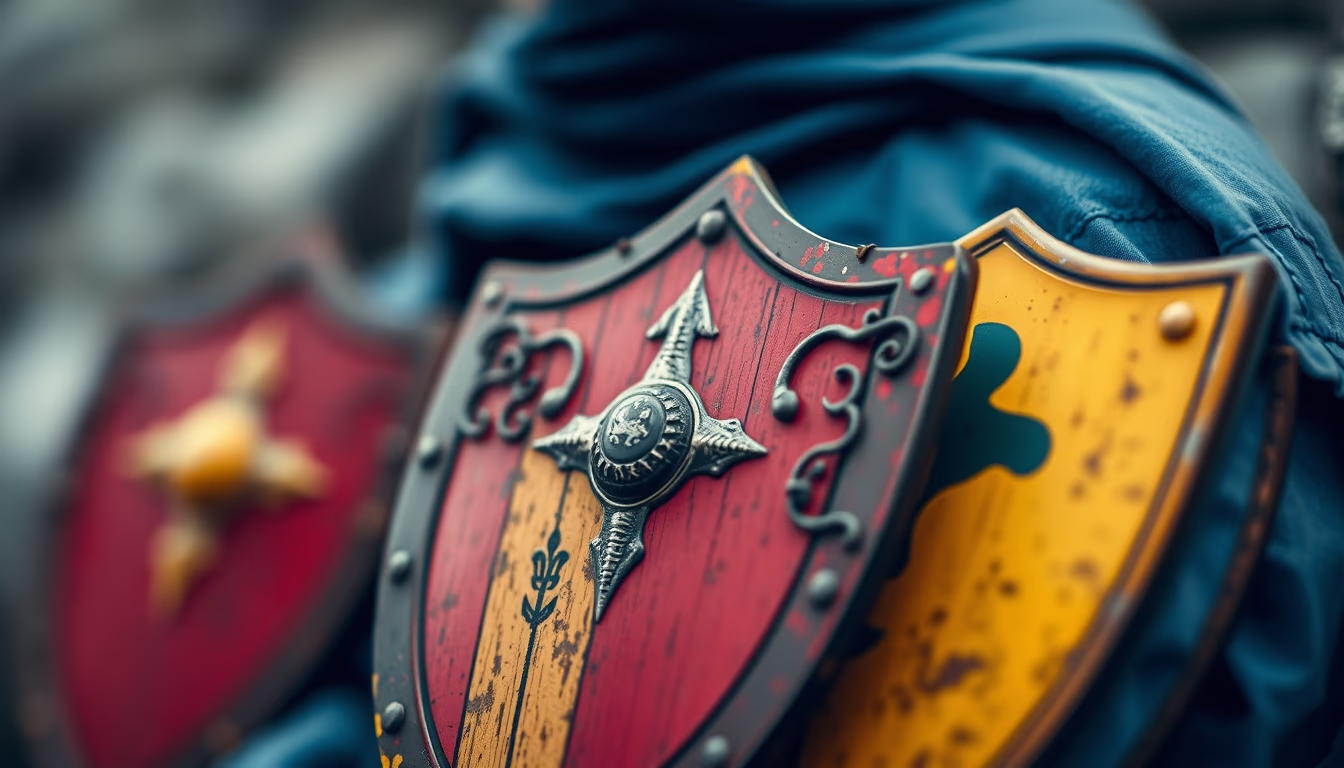
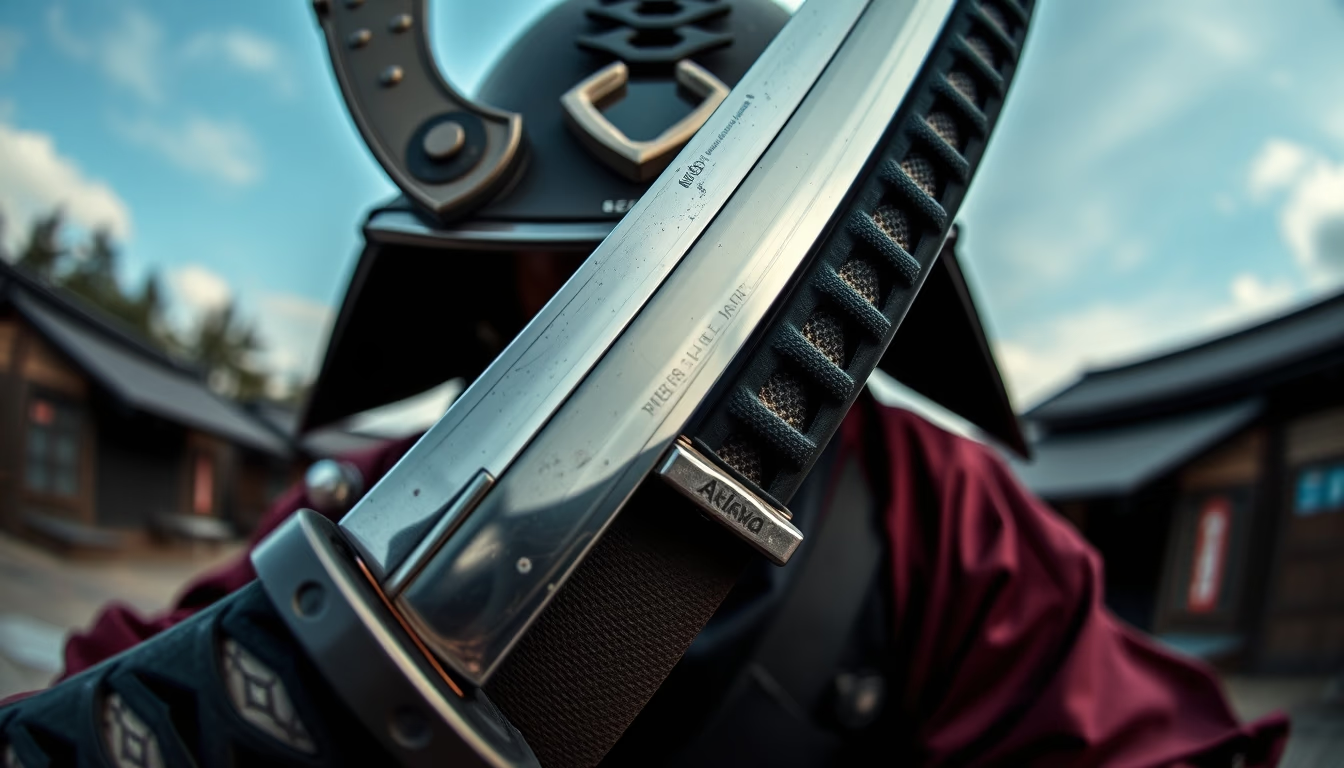
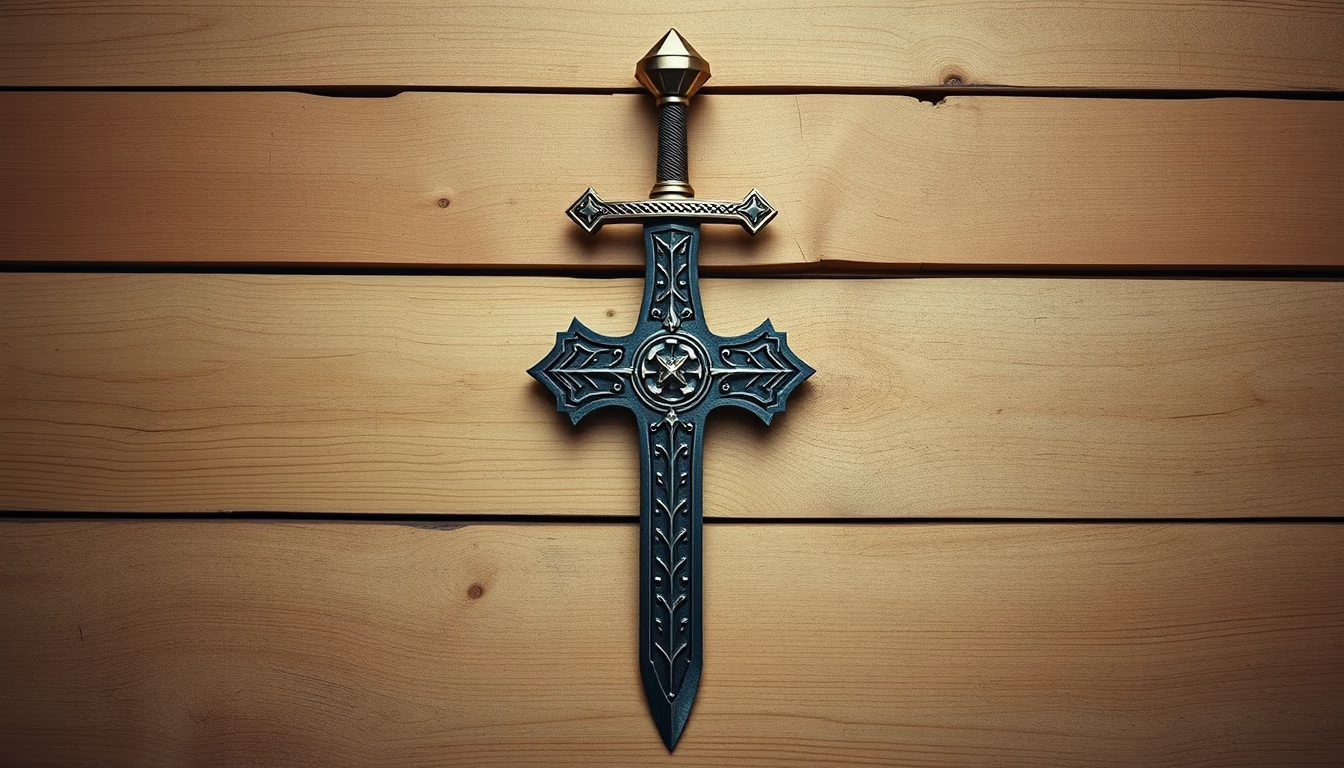
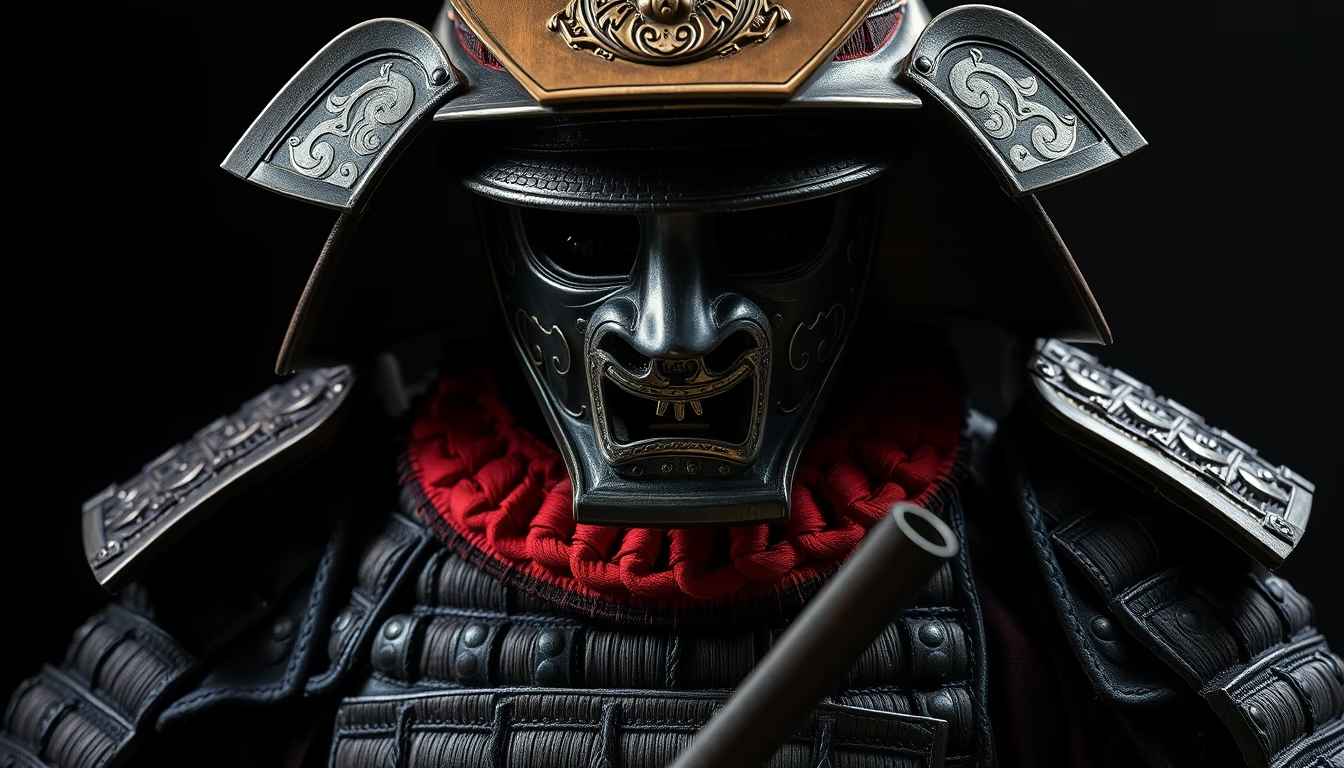
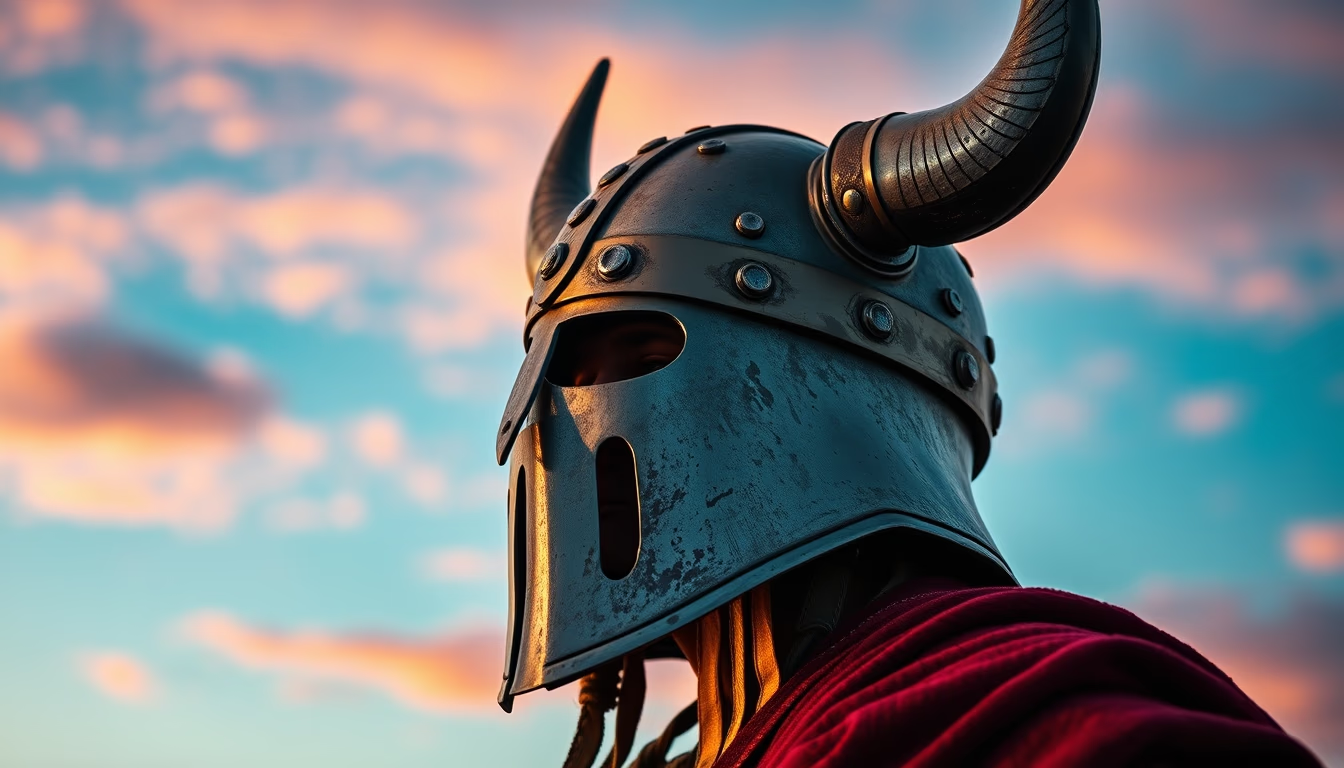
Medieval armor display
1344×768 · AVIF · CC BY 4.0
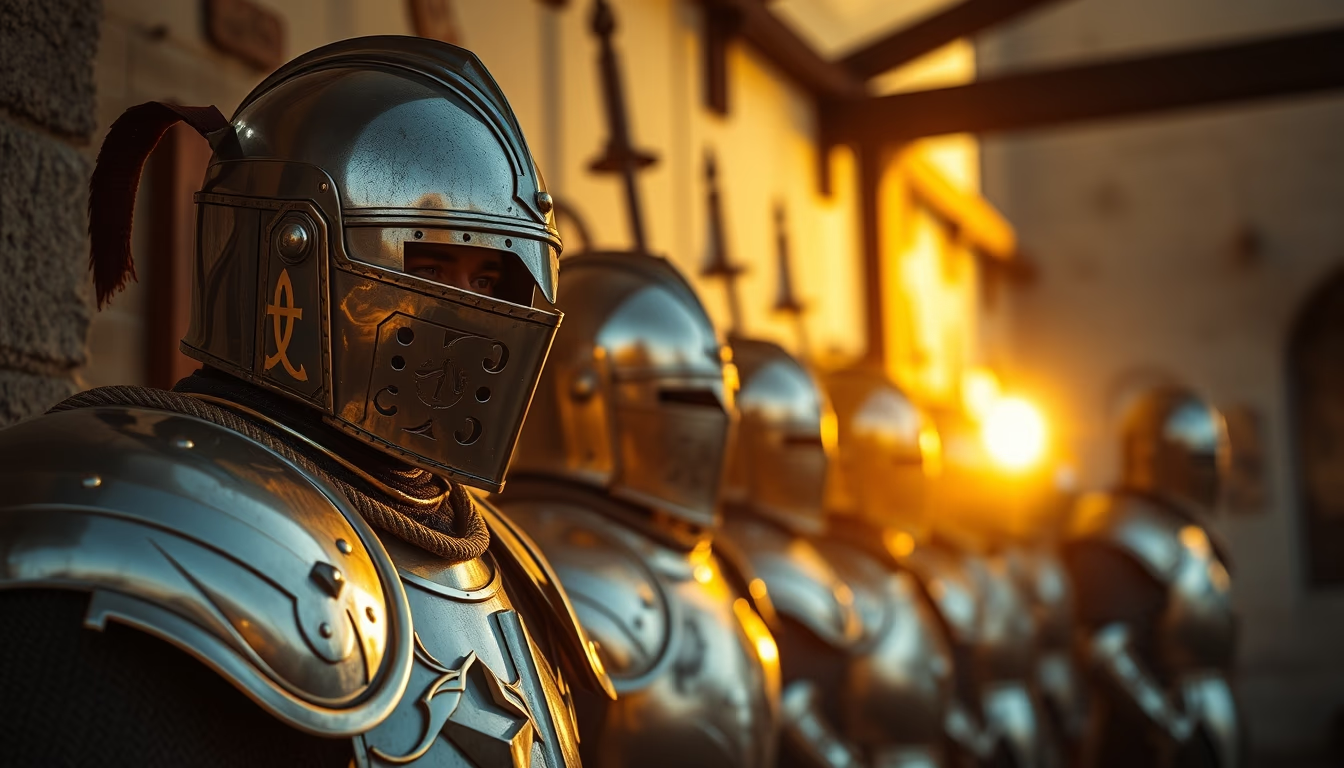
Discover the history and details of medieval armor displayed in museums, symbols of power and warfare technique of the Middle Ages.
About this subject
Medieval armor, developed between the 11th and 16th centuries, represented the pinnacle of individual protection on the battlefield. Initially composed of chainmail, interlocking iron rings that offered flexibility and resistance against cuts, it evolved into full plate armor in the late Middle Ages. This evolution was driven by improvements in weaponry, such as crossbows and early firearms, which demanded stronger protection. A complete plate armor, custom-fitted for the knight, could weigh between 20 and 30 kilograms, distributed to allow surprising mobility for riding and hand-to-hand combat.
The production of armor was a complex and expensive artisanal process carried out by specialized armorers. Steel was forged, tempered, and shaped into pieces articulated with rivets and leather straps. Famous production centers included Milan, Augsburg, and Nuremberg. Armor was not only functional but also works of art, often decorated with engravings, gilding, and heraldic designs, reflecting the wealth and status of the wearer. In tournaments, specific pieces such as jousting armor were even more robust, prioritizing safety over mobility.
Culturally, medieval armor transcended its military use. It became a symbol of the idealized knight, associated with honor, nobility, and the code of chivalry. The decline of armor use came with the increasing effectiveness of gunpowder weapons in the 16th and 17th centuries, rendering it obsolete on the battlefield. Today, surviving examples in museums such as the Metropolitan Museum of Art in New York and the Royal Armouries in Leeds stand as testaments to the engineering and artistry of an era.
Frequently Asked Questions
How were medieval armors manufactured?
Manufacturing was artisanal, involving blacksmiths who forged and tempered steel plates, shaping them to the wearer's body. Pieces were joined with rivets and straps, a process that could take months and required great skill.
How much did a complete suit of armor weigh?
A full plate armor for a knight weighed between 20 and 30 kg, with weight distributed to allow essential movements for riding and combat.
Were armors used in wars or only in tournaments?
They were used in both. On the battlefield, they protected against sword blows and arrows. In tournaments, heavier versions prioritized safety, as fights had rules and lower risk of death.
Direct URL
https://pub-c7d6a6ea828543ac903a74a341ccb2e1.r2.dev/imagens/medieval-armor-display-travel-photography-p6.avifHow to credit
Include a visible link back to UtilizAí. Copy one of the snippets below:
<a href="https://xn--utiliza-eza.com/en/midia/imagens/medieval-armor-display-travel-photography-p6">Medieval armor display</a> by <a href="https://xn--utiliza-eza.com">UtilizAí</a>, licensed under <a href="https://creativecommons.org/licenses/by/4.0/">CC BY 4.0</a>.
[Medieval armor display](https://xn--utiliza-eza.com/en/midia/imagens/medieval-armor-display-travel-photography-p6) by [UtilizAí](https://xn--utiliza-eza.com), CC BY 4.0
License: CC-BY-4.0