Maya temple chichen
1344×768 · AVIF · CC BY 4.0
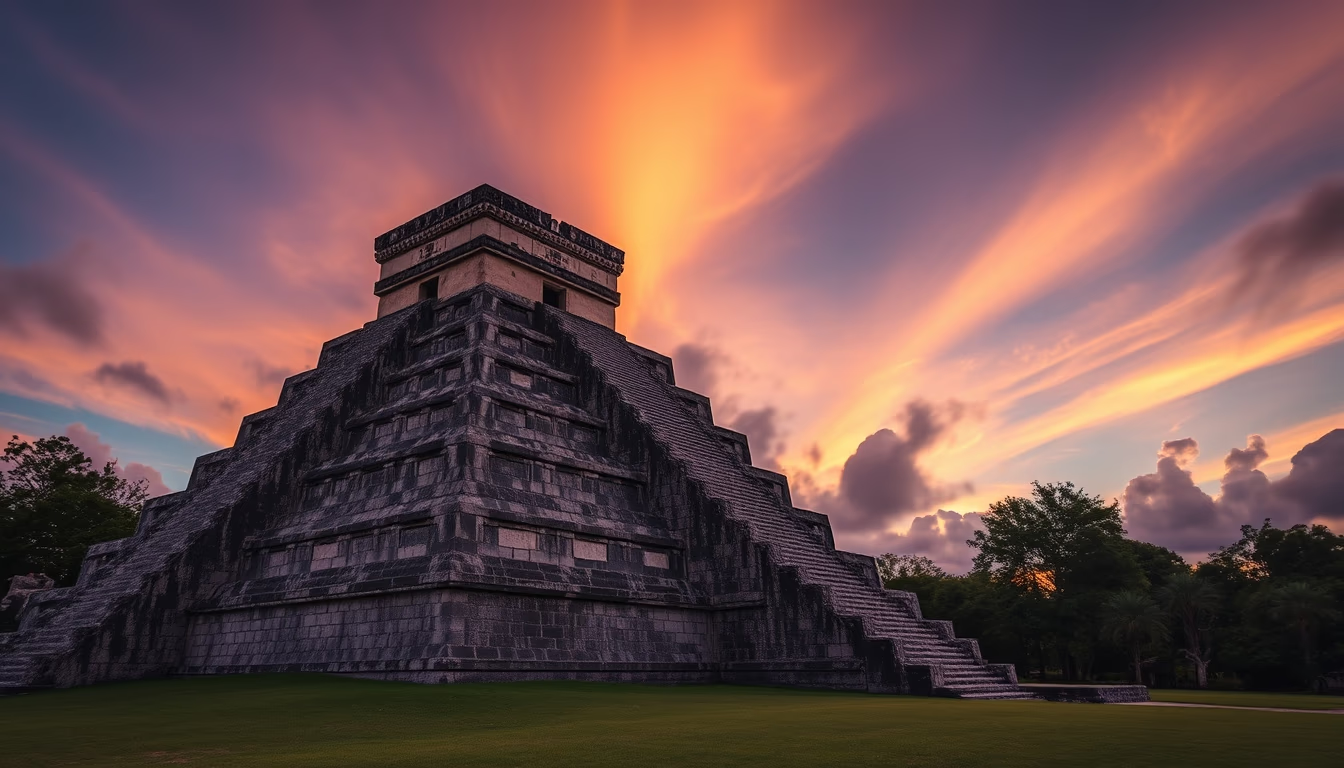
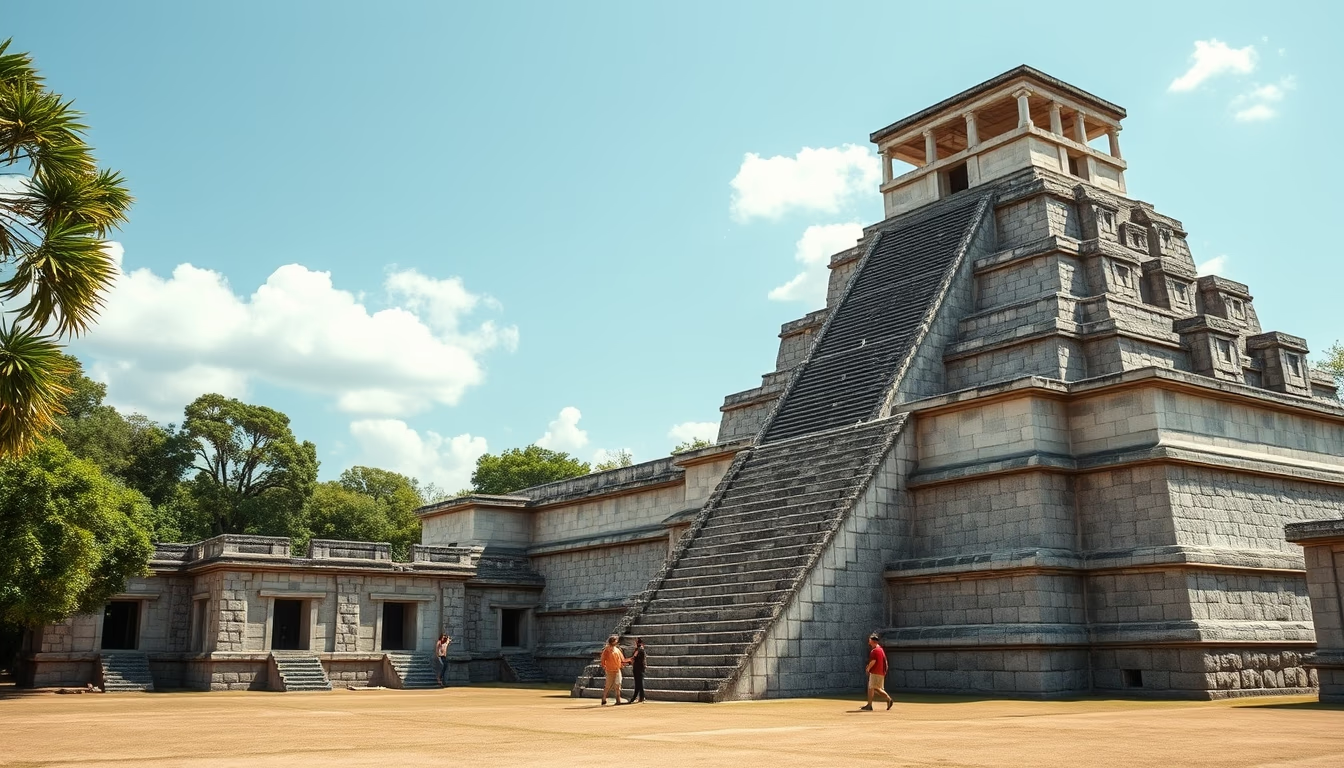
El Castillo, the Temple of Kukulcán at Chichen Itza, is a Maya monument renowned for its architectural precision and astronomical alignment.
About this subject
El Castillo, also known as the Temple of Kukulcán, is the central structure of the Chichen Itza archaeological site, located in the Yucatán Peninsula, Mexico. Built by the Maya between the 9th and 12th centuries, the pyramid is a remarkable example of Mesoamerican architecture, with nine stepped platforms symbolizing the nine levels of the Maya underworld. Each face has 91 steps, which, added to the top platform, total 365, representing the days of the solar year. The astronomical alignment is demonstrated during the spring and autumn equinoxes, when sunlight casts a shadow forming the image of a serpent descending the northern staircase, a homage to Kukulcán, the feathered serpent.
Chichen Itza was a major political, economic, and religious center of the Maya civilization, reaching its peak during the late classic period. The site was declared a UNESCO World Heritage Site in 1988 and named one of the New7Wonders of the World in 2007. In addition to El Castillo, the complex houses other iconic structures, such as the Temple of the Warriors, the Observatory (El Caracol), and the Great Ball Court, the largest in Mesoamerica. The court's impressive acoustics allow whispers to be heard over great distances, showcasing the advanced engineering and sound knowledge of the Maya.
The preservation of El Castillo faces challenges, including wear from intensive tourism and invasive vegetation. Since 2006, climbing the pyramid has been prohibited to protect its structure. However, visitors can still admire the monument's grandeur from designated areas. The Maya iconography in the pyramid's reliefs and sculptures offers clues about rituals, calendars, and cosmological beliefs, providing ongoing research material for archaeologists and historians. The long-exposure night shot depicted in this image highlights the temple's silhouette against the starry sky, evoking the Maya's connection to the heavens.
Frequently Asked Questions
What does the serpent that appears during the equinoxes at El Castillo represent?
The serpent represents Kukulcán, the Maya feathered serpent deity associated with wind, rain, and knowledge. The optical phenomenon symbolizes the deity's descent to Earth, marking the transition of seasons.
Why was climbing the pyramid at Chichen Itza banned?
The ban was enacted in 2006 due to excessive wear caused by millions of visitors. Erosion of the steps and structures posed a risk to the conservation of the monument, a UNESCO World Heritage site.
How many steps does the Pyramid of Kukulcán have and what is the significance?
Each of the four sides has 91 steps, totaling 364. Adding the top platform gives 365, the number of days in the solar year. This alignment demonstrates the advanced astronomical knowledge of the Maya.
Direct URL
https://pub-c7d6a6ea828543ac903a74a341ccb2e1.r2.dev/imagens/maya-temple-chichen-long-exposure-p2.avifHow to credit
Include a visible link back to UtilizAí. Copy one of the snippets below:
<a href="https://xn--utiliza-eza.com/en/midia/imagens/maya-temple-chichen-long-exposure-p2">Maya temple chichen</a> by <a href="https://xn--utiliza-eza.com">UtilizAí</a>, licensed under <a href="https://creativecommons.org/licenses/by/4.0/">CC BY 4.0</a>.
[Maya temple chichen](https://xn--utiliza-eza.com/en/midia/imagens/maya-temple-chichen-long-exposure-p2) by [UtilizAí](https://xn--utiliza-eza.com), CC BY 4.0
License: CC-BY-4.0