Manga panels black white
1344×768 · AVIF · CC BY 4.0
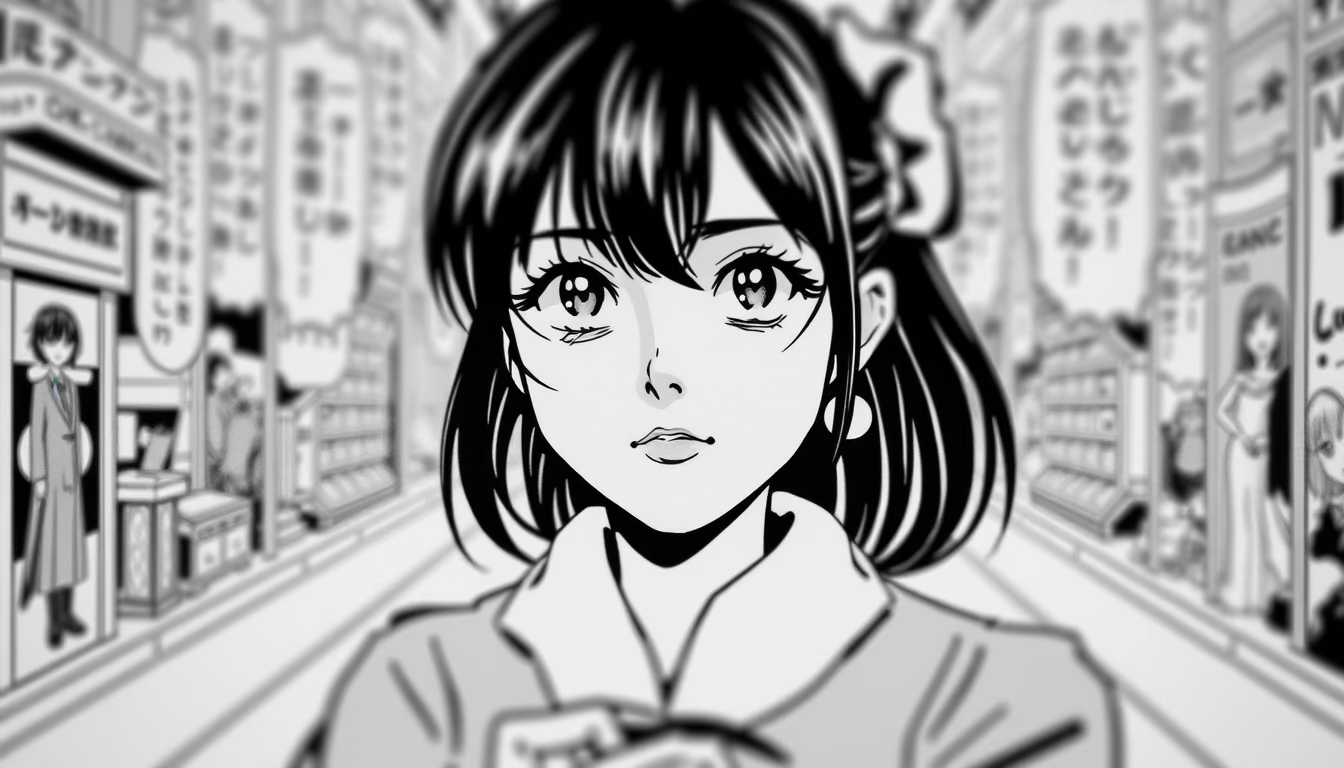
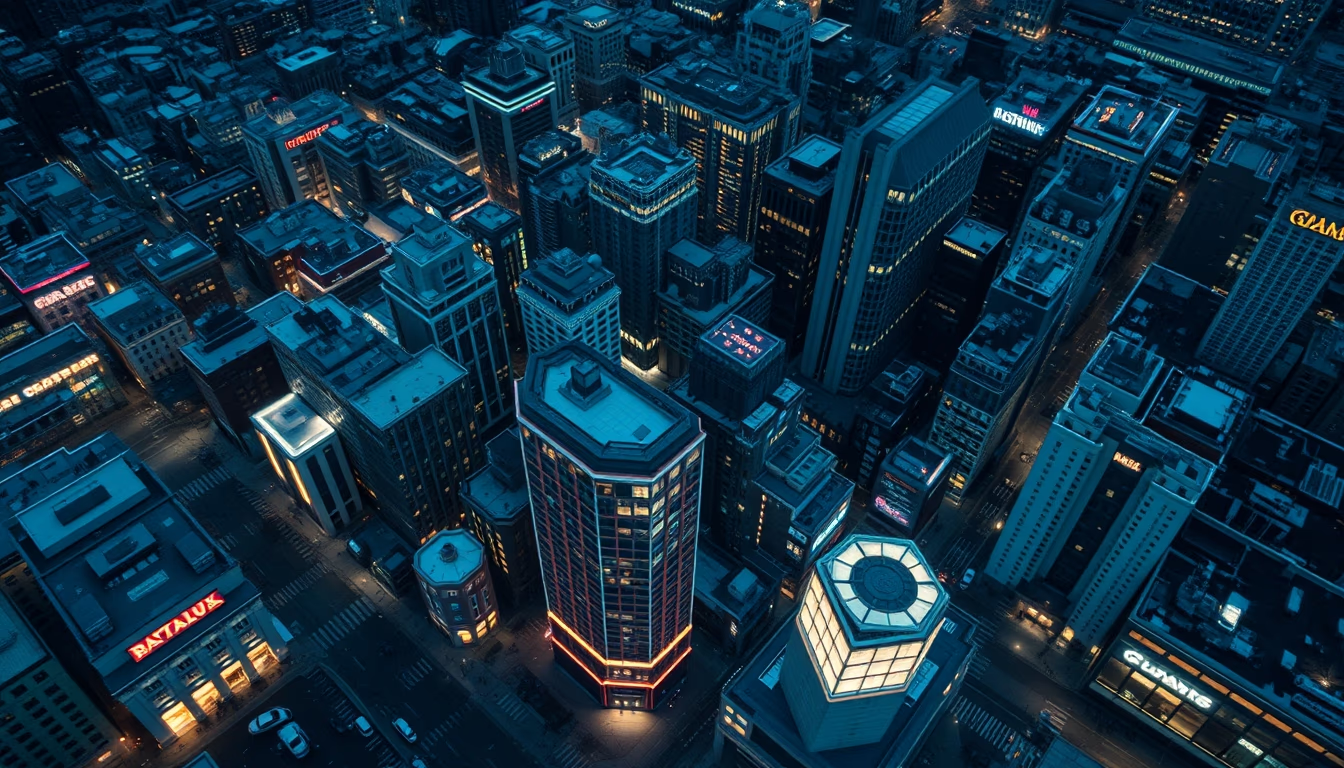
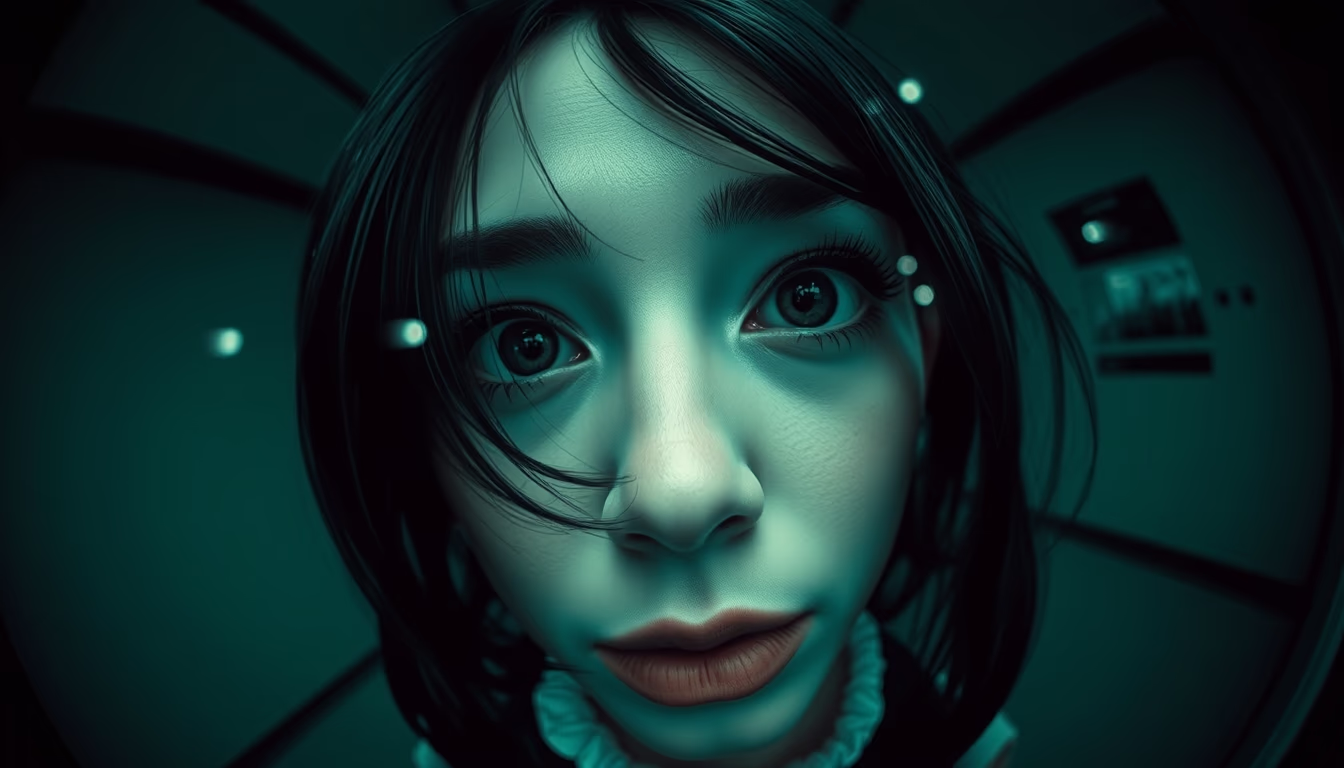
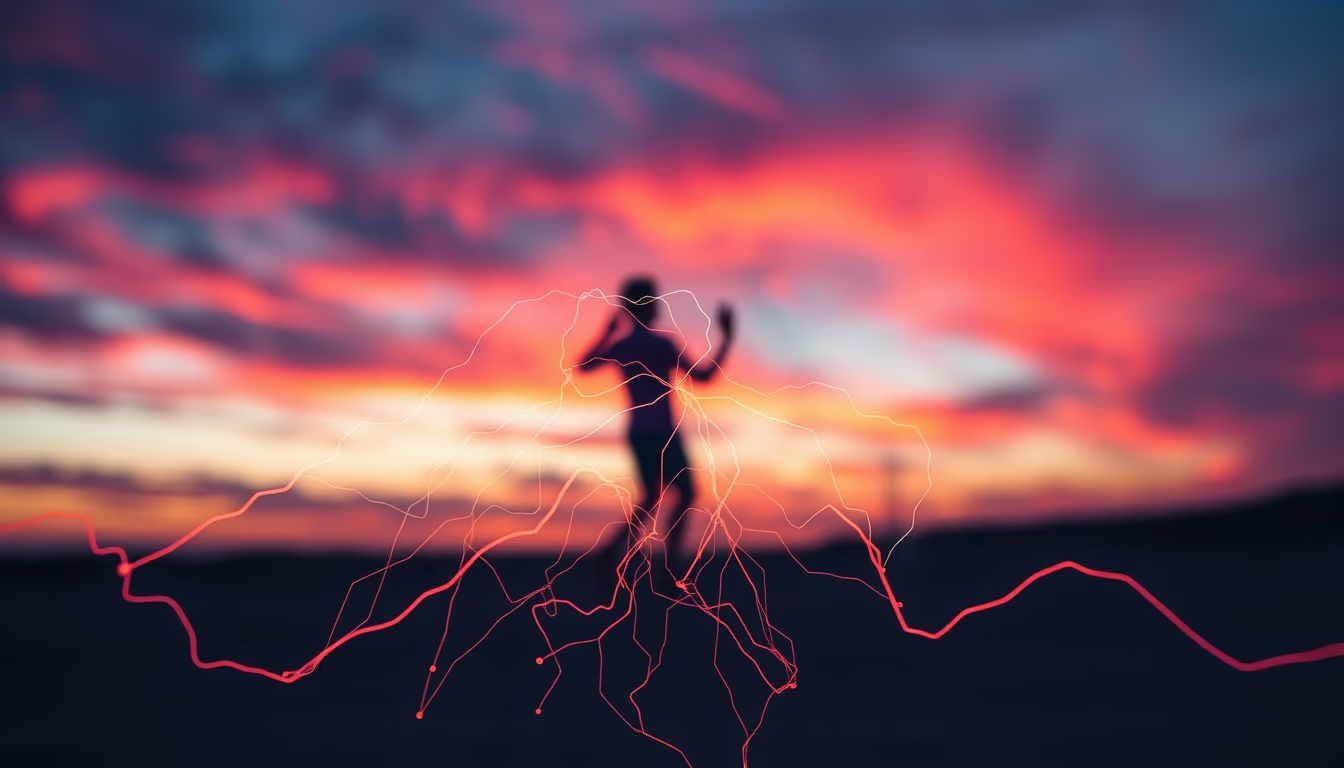
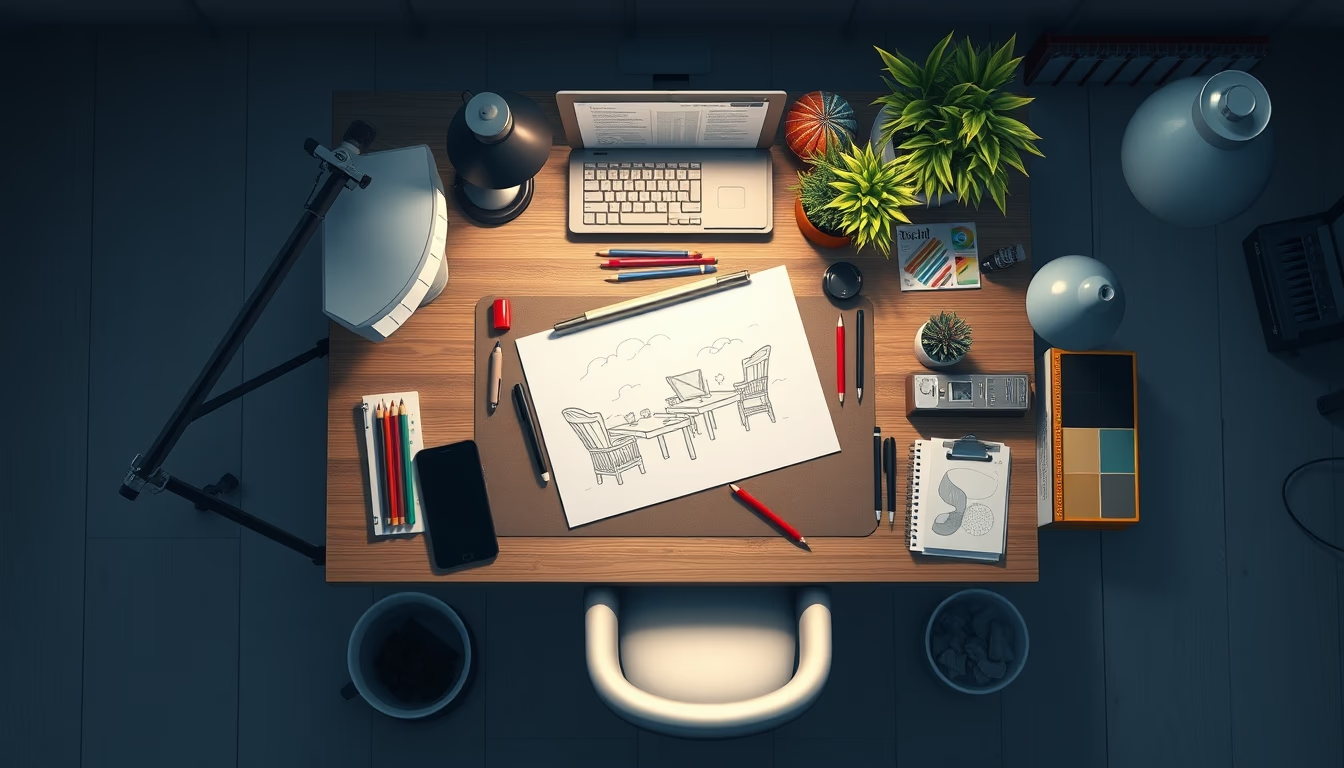
Black and white manga panels with a tilt-shift effect that mimics miniature models, highlighting the aesthetics and visual storytelling of Japanese comics.
About this subject
Black and white manga panels form the core of visual storytelling in Japanese comics. Unlike Western comics, which often use color, manga adopts monochrome for both economic and artistic reasons: it reduces printing costs and allows artists to focus on linework, textures, and dramatic contrasts. This tradition began after World War II, pioneered by Osamu Tezuka, who popularized dynamic and expressive panel layouts to guide reading rhythm. The tilt-shift effect, when applied to photography, creates an illusion of depth at a reduced scale, similar to photographs of dioramas. When combined with manga panels, the effect suggests a three-dimensional miniature scene, drawing the viewer into the details of the artwork. In Brazil, manga gained popularity from the 1990s onward, with publishers like Conrad and JBC, influencing local artists to adopt black and white as a visual language. The tilt-shift technique applied to manga imagery is uncommon, but explored by photographers and designers to contrast the two-dimensional medium with a three-dimensional perception, resulting in a unique visual impact.
Frequently Asked Questions
Why is manga in black and white?
Manga is predominantly black and white for economic reasons: it reduces printing costs and allows artists to produce chapters quickly. Additionally, monochrome helps emphasize lines and tones, enhancing the expressiveness of the artwork.
What is the tilt-shift effect in images?
The tilt-shift effect is a photographic technique using special lenses or post-processing to alter the focal plane, creating a shallow depth of field that makes objects appear as miniatures. It is commonly used to give a diorama-like look to real scenes.
How does manga influence Brazilian art?
Manga influences Brazilian artists in the adoption of black and white, dynamic panel layouts, and visual storytelling. Since the 1990s, manga publications and events like Anime Friends have fostered this style, resulting in national works such as 'Mônica Teen' and 'Turma da Mônica Jovem' with a manga aesthetic.
Direct URL
https://pub-c7d6a6ea828543ac903a74a341ccb2e1.r2.dev/imagens/manga-panels-black-white-tilt-shift-miniature-fresh6.avifHow to credit
Include a visible link back to UtilizAí. Copy one of the snippets below:
<a href="https://xn--utiliza-eza.com/en/midia/imagens/manga-panels-black-white-tilt-shift-miniature-fresh6">Manga panels black white</a> by <a href="https://xn--utiliza-eza.com">UtilizAí</a>, licensed under <a href="https://creativecommons.org/licenses/by/4.0/">CC BY 4.0</a>.
[Manga panels black white](https://xn--utiliza-eza.com/en/midia/imagens/manga-panels-black-white-tilt-shift-miniature-fresh6) by [UtilizAí](https://xn--utiliza-eza.com), CC BY 4.0
License: CC-BY-4.0