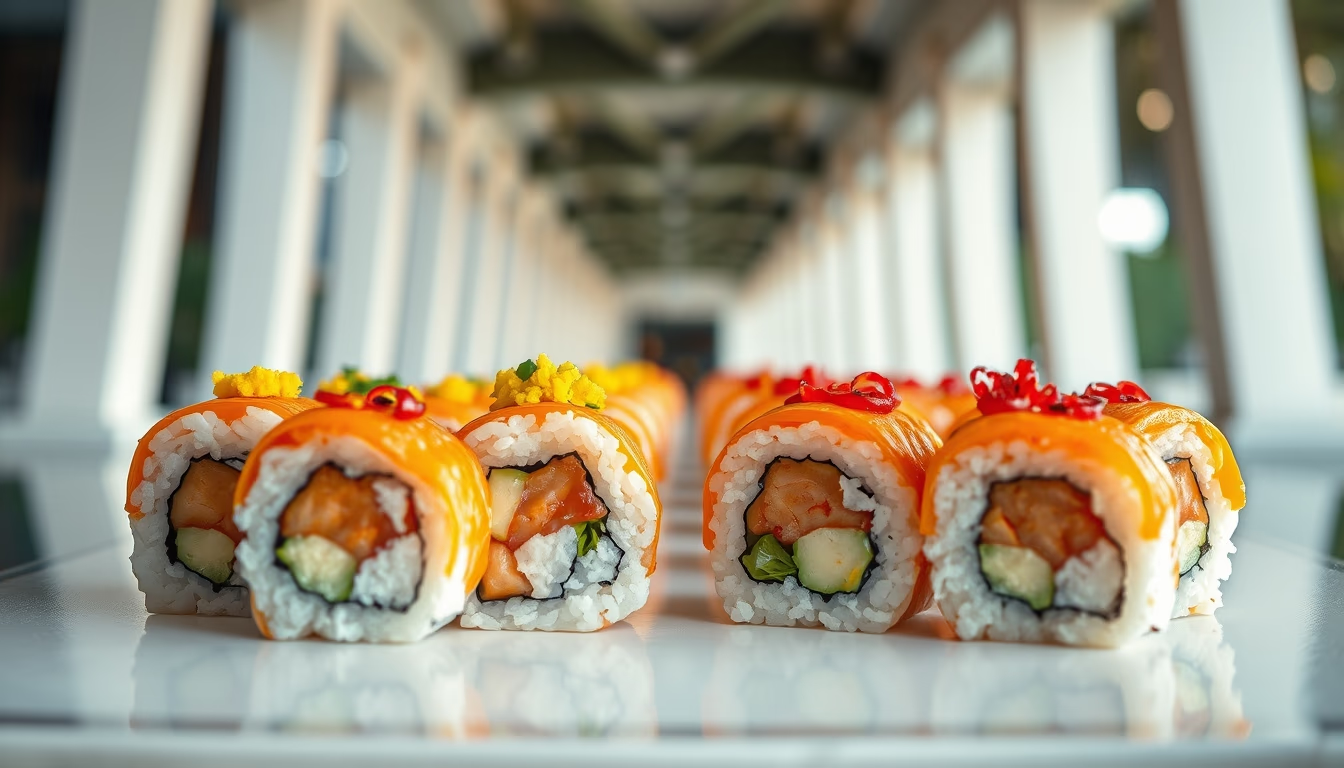
Maki rolls colorful
1344×768 · AVIF · CC BY 4.0
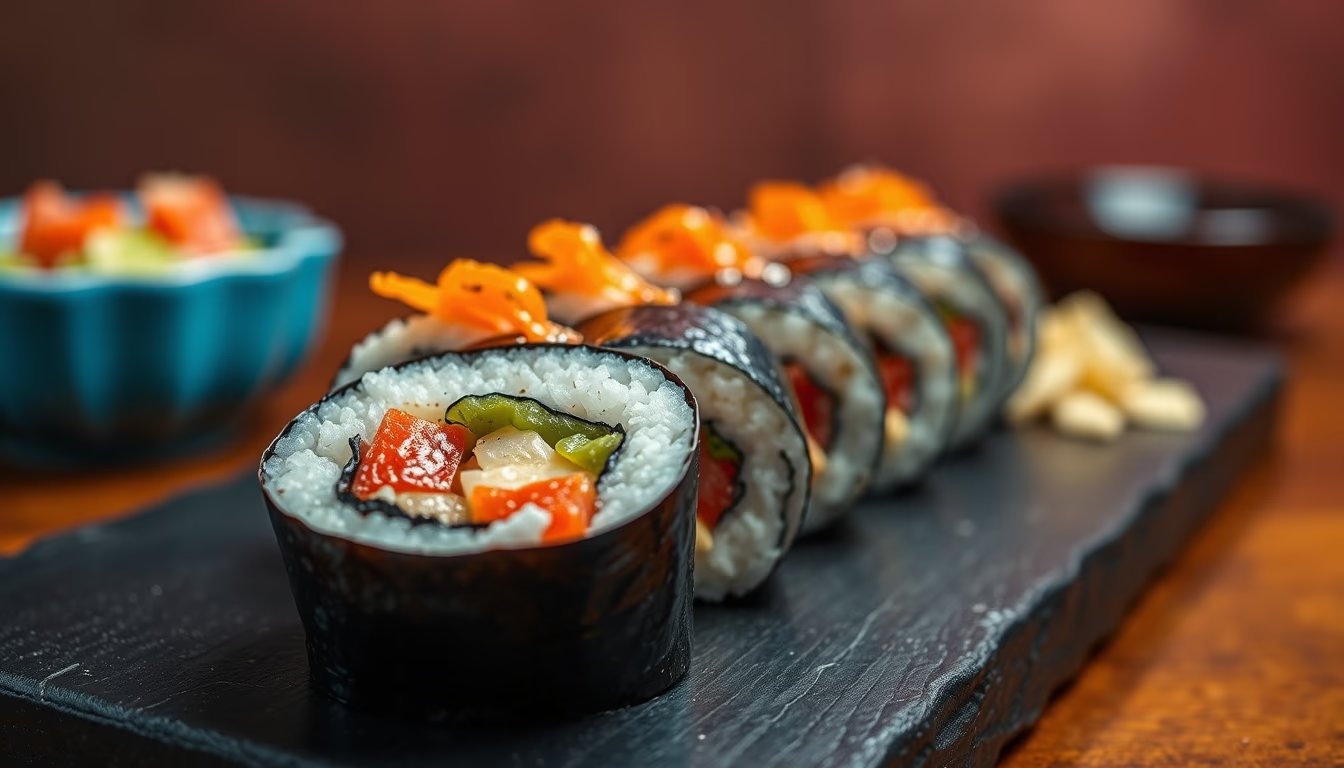
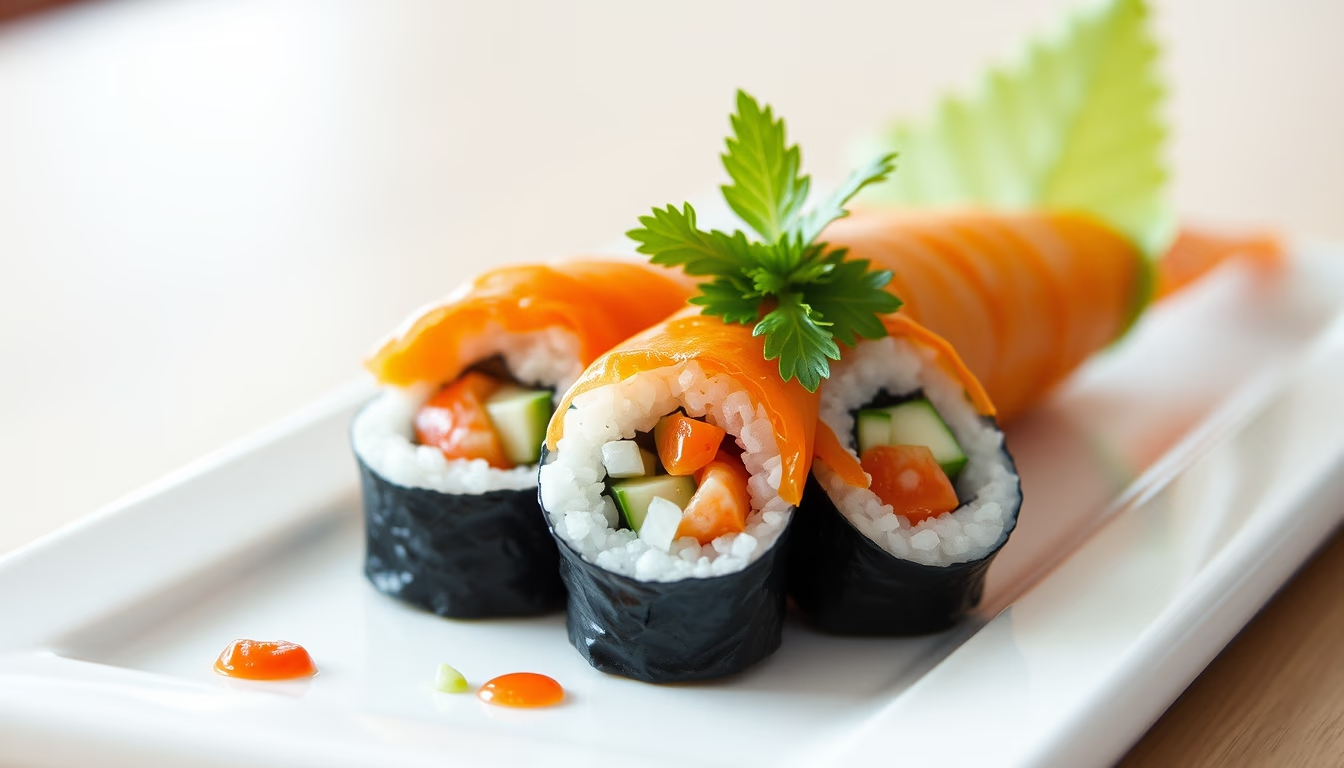
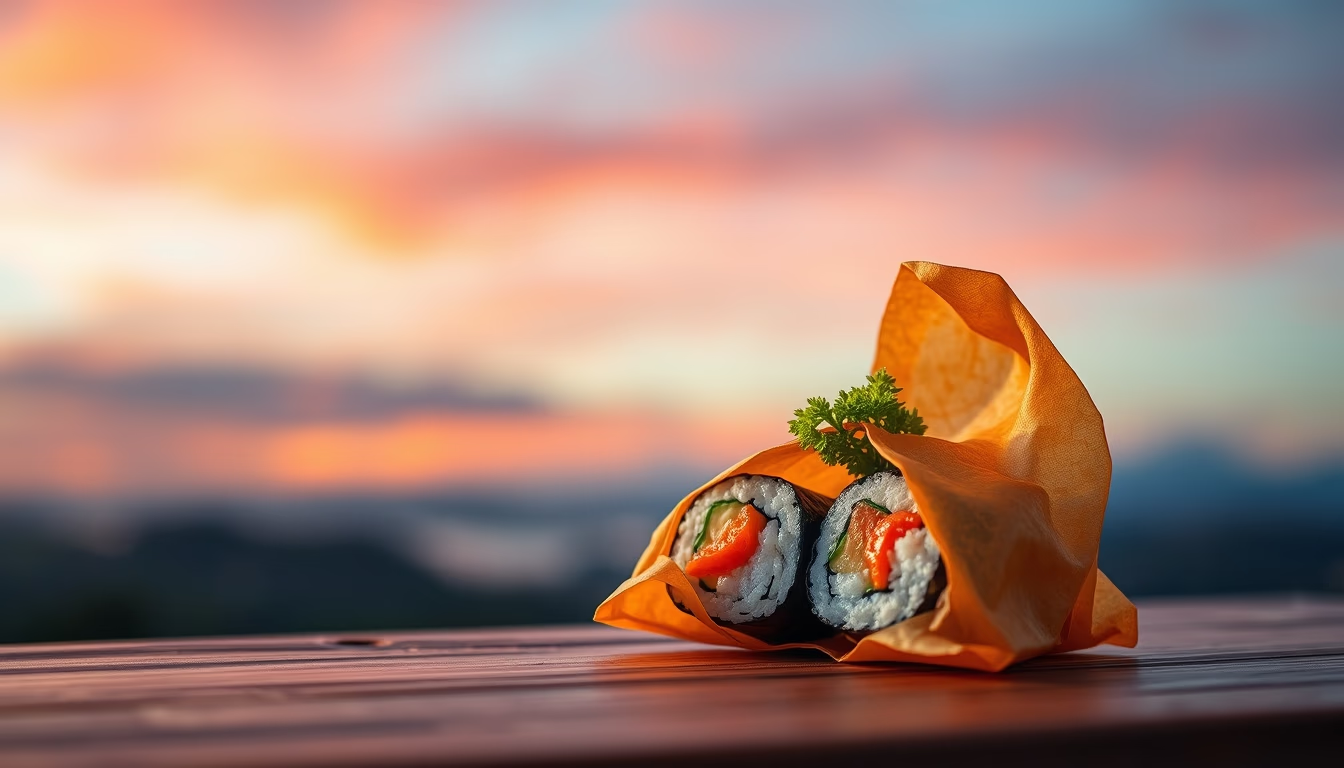
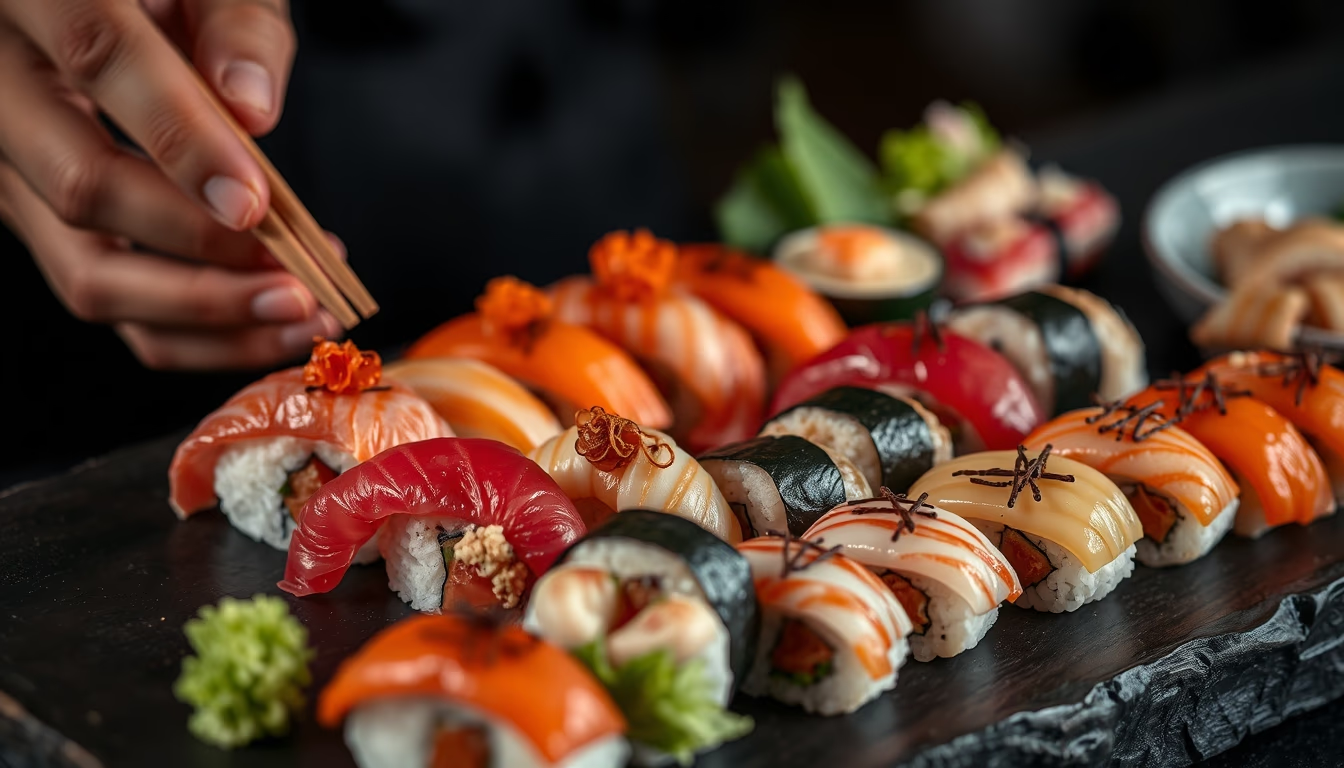
Maki rolls are sushi wrapped in nori seaweed, filled with rice, fish, and vegetables. Discover their variations and the art behind these Japanese delicacies.
About this subject
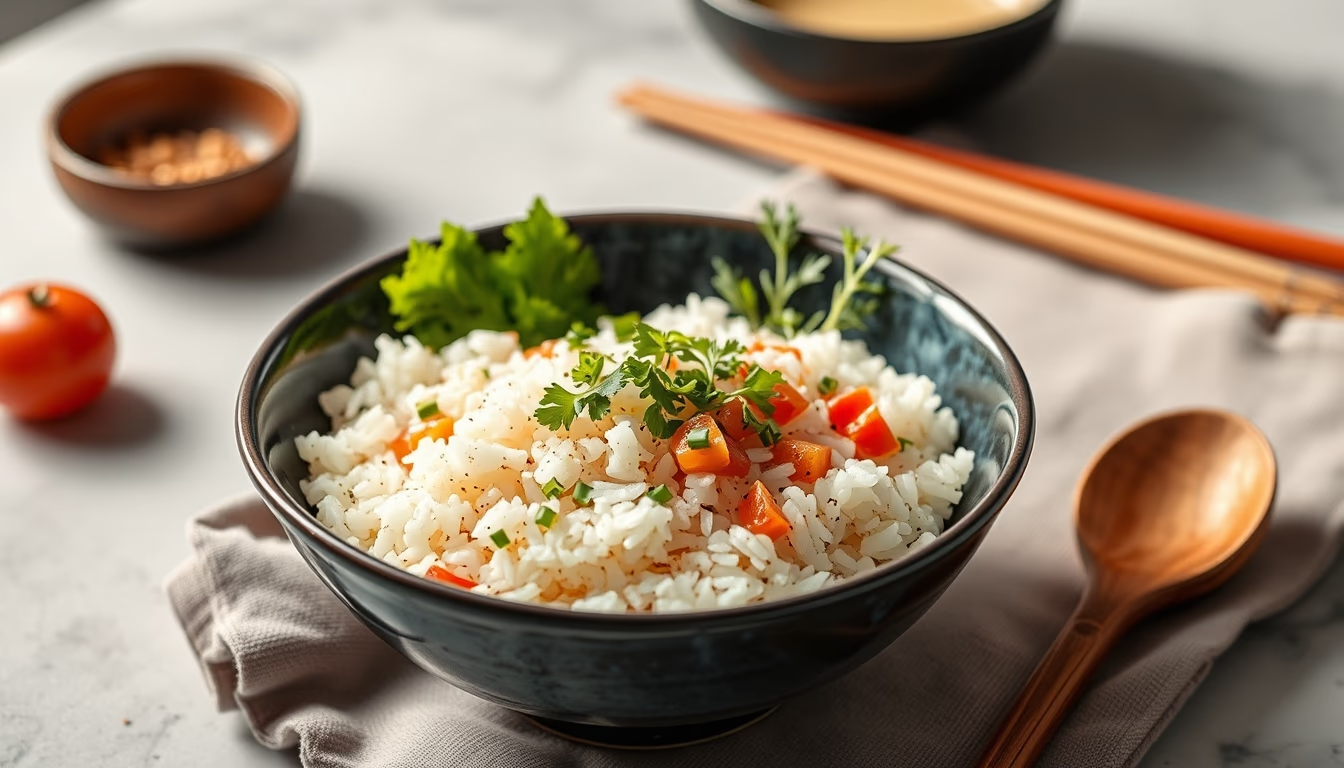
Maki rolls, or makizushi, are one of the most popular sushi styles worldwide. Originating in Japan, these rolls combine vinegared rice with various fillings, all wrapped in a sheet of nori seaweed. The preparation technique demands precision: rice must be spread evenly on the nori, leaving a small gap to seal the roll. Traditional fillings include salmon, tuna, cucumber, and avocado, while modern versions incorporate cream cheese, mango, or even tempura-fried ingredients.
There are several types of maki. Hosomaki is thin and contains a single ingredient, such as cucumber or salmon. Futomaki is thicker and holds multiple fillings like omelette, crab stick (kanikama), and vegetables. Uramaki, the 'inside-out roll', has rice on the outside and nori inside, often coated with sesame seeds or masago (fish roe). Each Japanese region may have variations based on local ingredients.
Culturally, maki is an expression of kaiseki cuisine, which values presentation and seasonality. In Brazil, sushi was adapted with tropical ingredients like chives and cream cheese, creating the famous 'Brazilian sushi'. This fusion reflects Japanese immigration to Brazil and the creativity of local chefs. Statistics show that sushi consumption has grown over 200% in Brazil in the last decade, becoming a dish for celebrations and family gatherings.
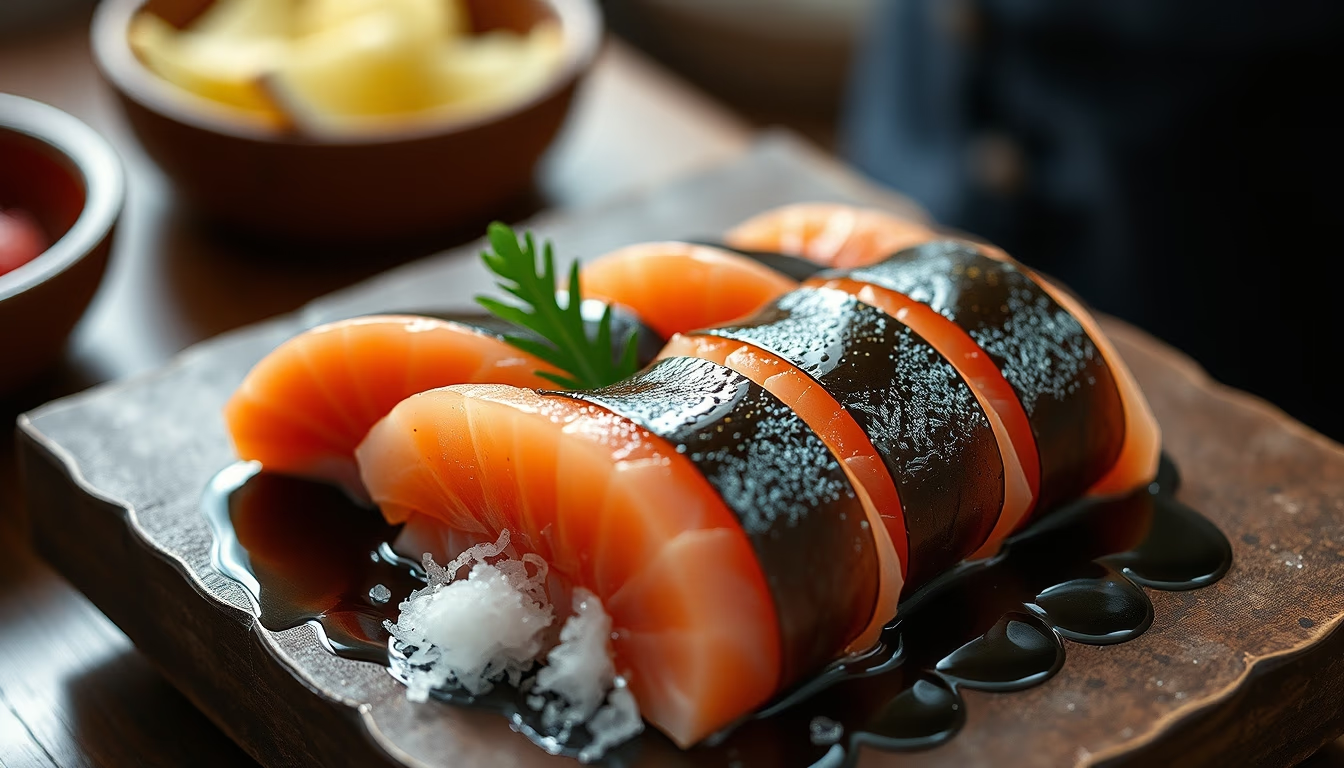
To appreciate maki, it should be eaten fresh, ideally in one bite, to experience the combination of textures. It is served with shoyu (soy sauce), wasabi, and pickled ginger (gari). When toasted, nori adds a smoky, crispy flavor. Besides being delicious, maki is nutritious: rice provides energy, fish is rich in omega-3, and seaweed contains iodine. A curiosity: the longest sushi roll ever made was completed in Japan in 2014, measuring over 2.5 km in length.
Frequently Asked Questions
What is the difference between maki, nigiri, and sashimi?
Maki is rolled in nori seaweed with rice and filling. Nigiri is a hand-pressed rice ball topped with a slice of raw fish. Sashimi is just thinly sliced raw fish, no rice.
How to eat maki properly?
Pick up the maki with chopsticks (or clean hands), dip lightly in soy sauce (not on the rice side to avoid falling apart), and eat in one bite. Pickled ginger (gari) is used to cleanse the palate between different types.
What does 'maki' mean in Japanese?
'Maki' means 'roll' or 'rolled' in Japanese. Makizushi is the full term, where 'zushi' is the reading of sushi when combined in words.
Direct URL
https://pub-c7d6a6ea828543ac903a74a341ccb2e1.r2.dev/imagens/maki-rolls-colorful-studio-still-life-fresh0.avifHow to credit
Include a visible link back to UtilizAí. Copy one of the snippets below:
<a href="https://xn--utiliza-eza.com/en/midia/imagens/maki-rolls-colorful-studio-still-life-fresh0">Maki rolls colorful</a> by <a href="https://xn--utiliza-eza.com">UtilizAí</a>, licensed under <a href="https://creativecommons.org/licenses/by/4.0/">CC BY 4.0</a>.
[Maki rolls colorful](https://xn--utiliza-eza.com/en/midia/imagens/maki-rolls-colorful-studio-still-life-fresh0) by [UtilizAí](https://xn--utiliza-eza.com), CC BY 4.0
License: CC-BY-4.0