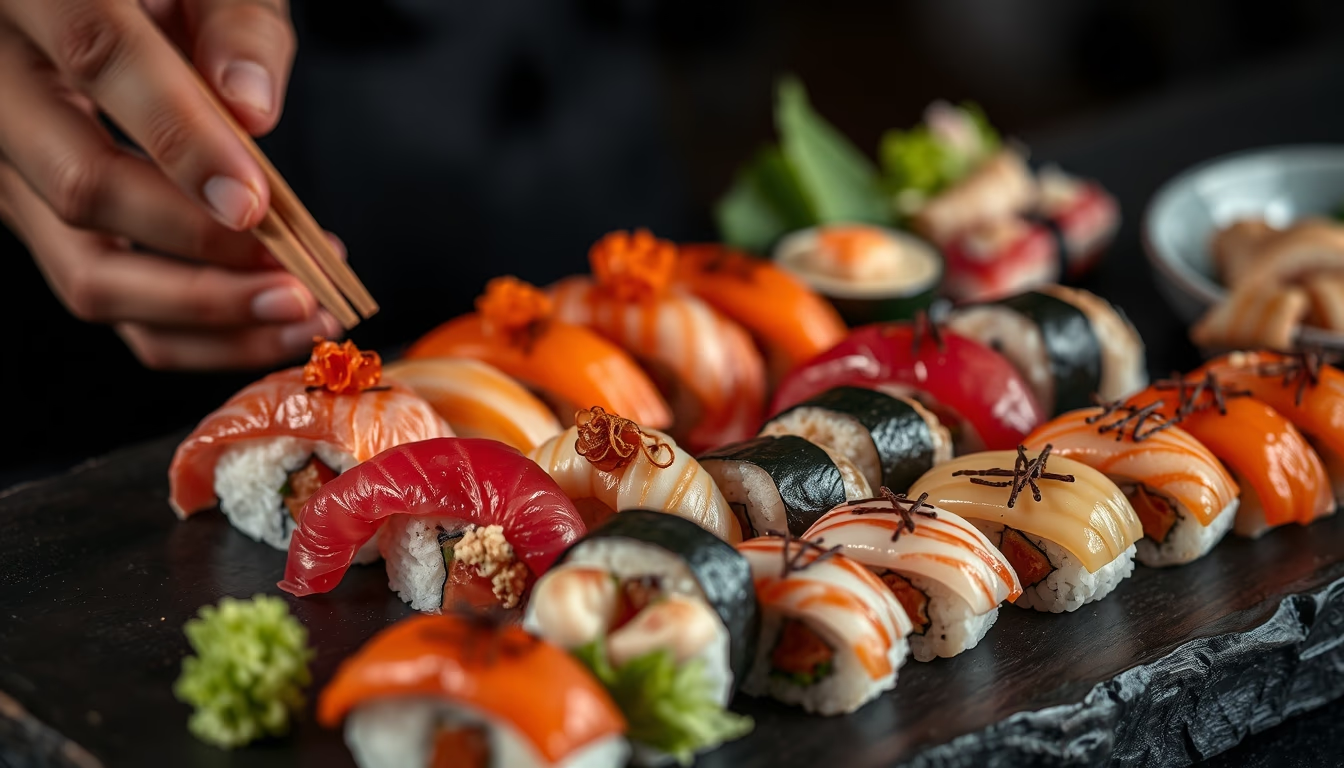
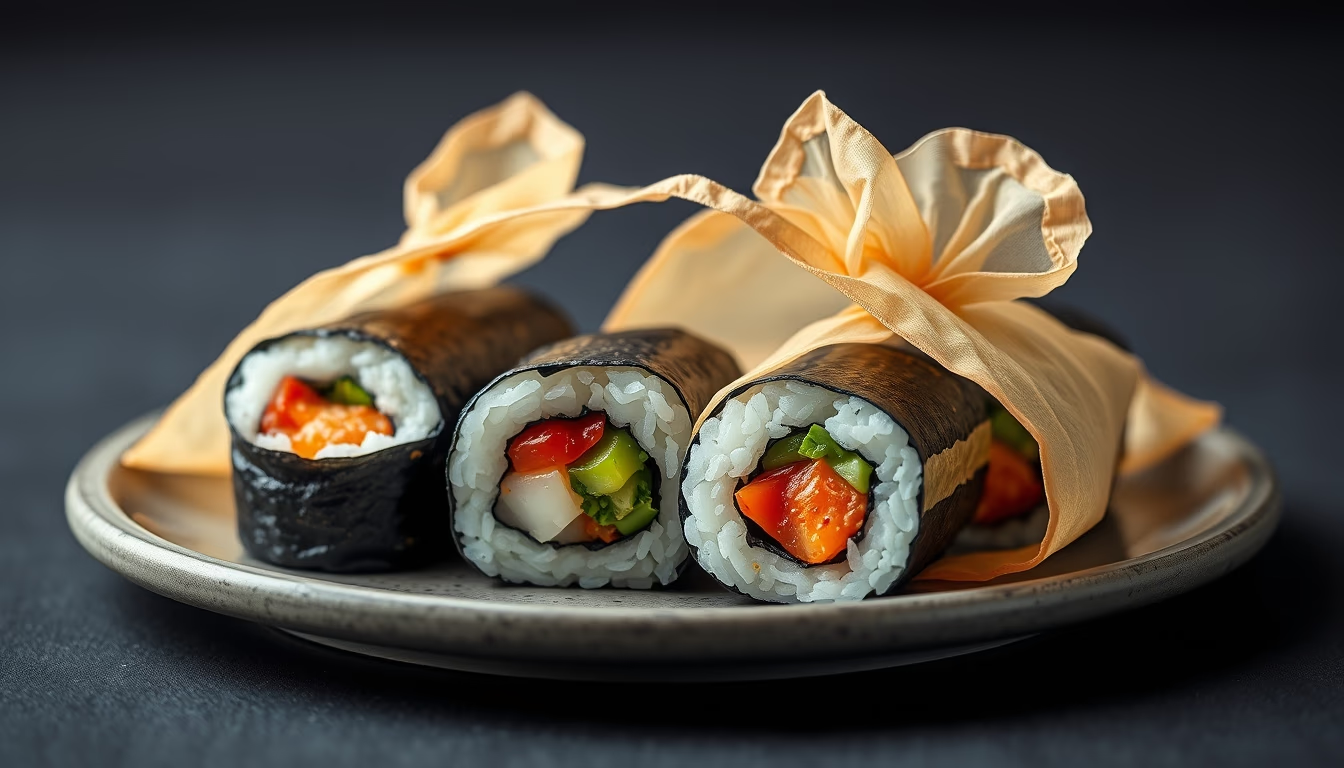
Maki rolls colorful
1344×768 · AVIF · CC BY 4.0
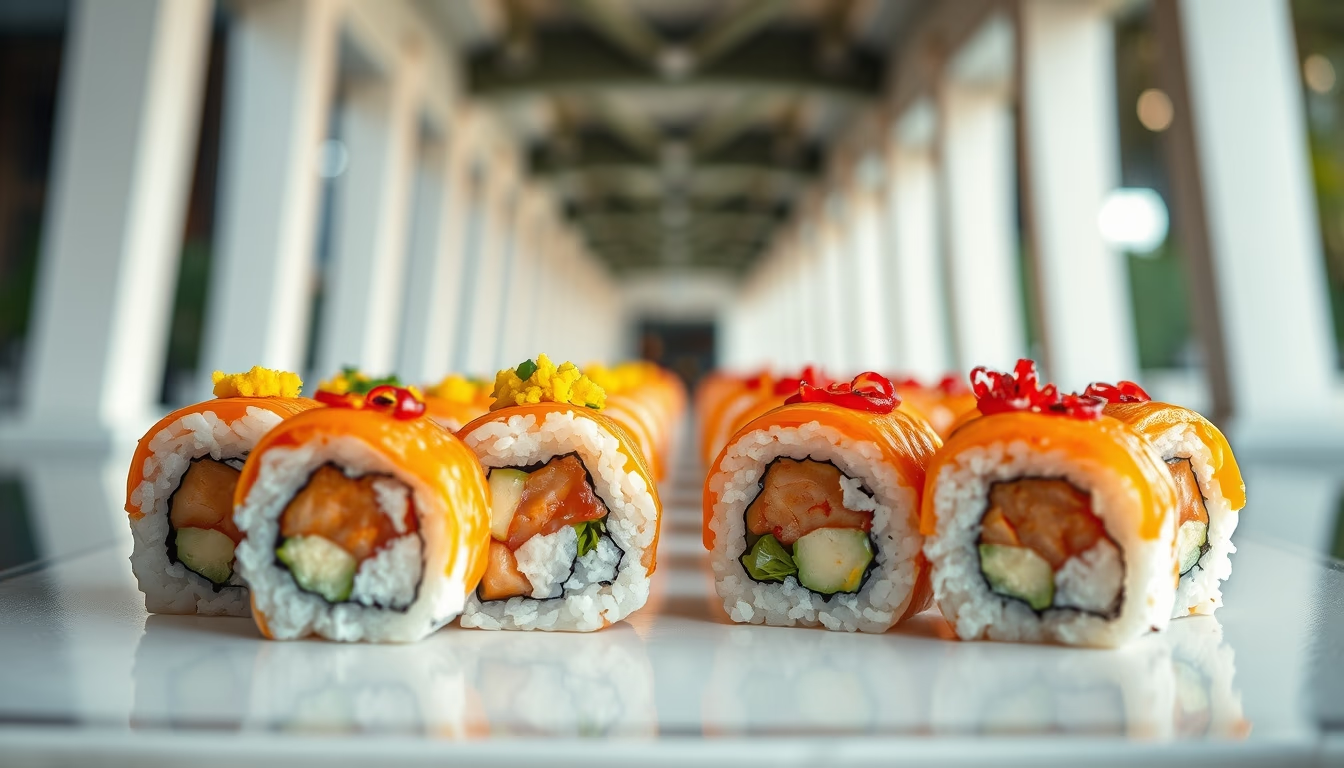
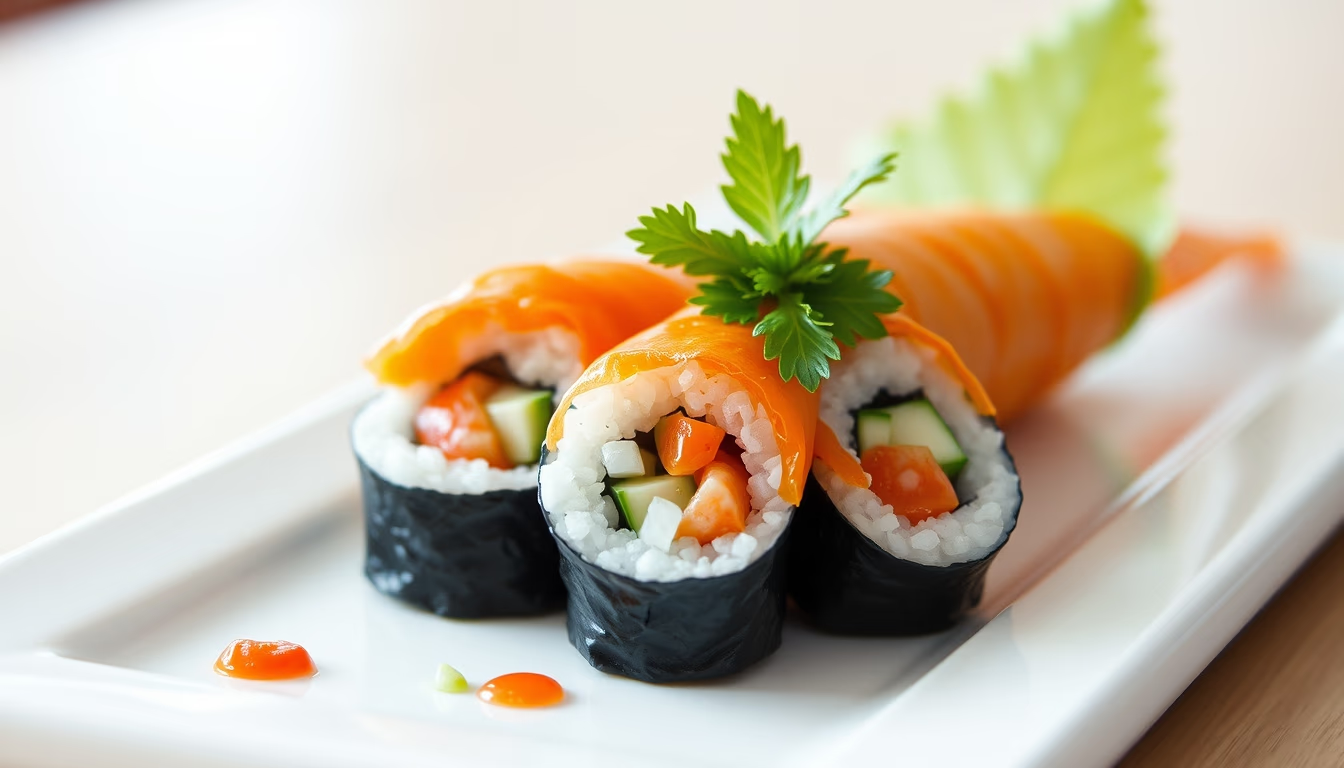
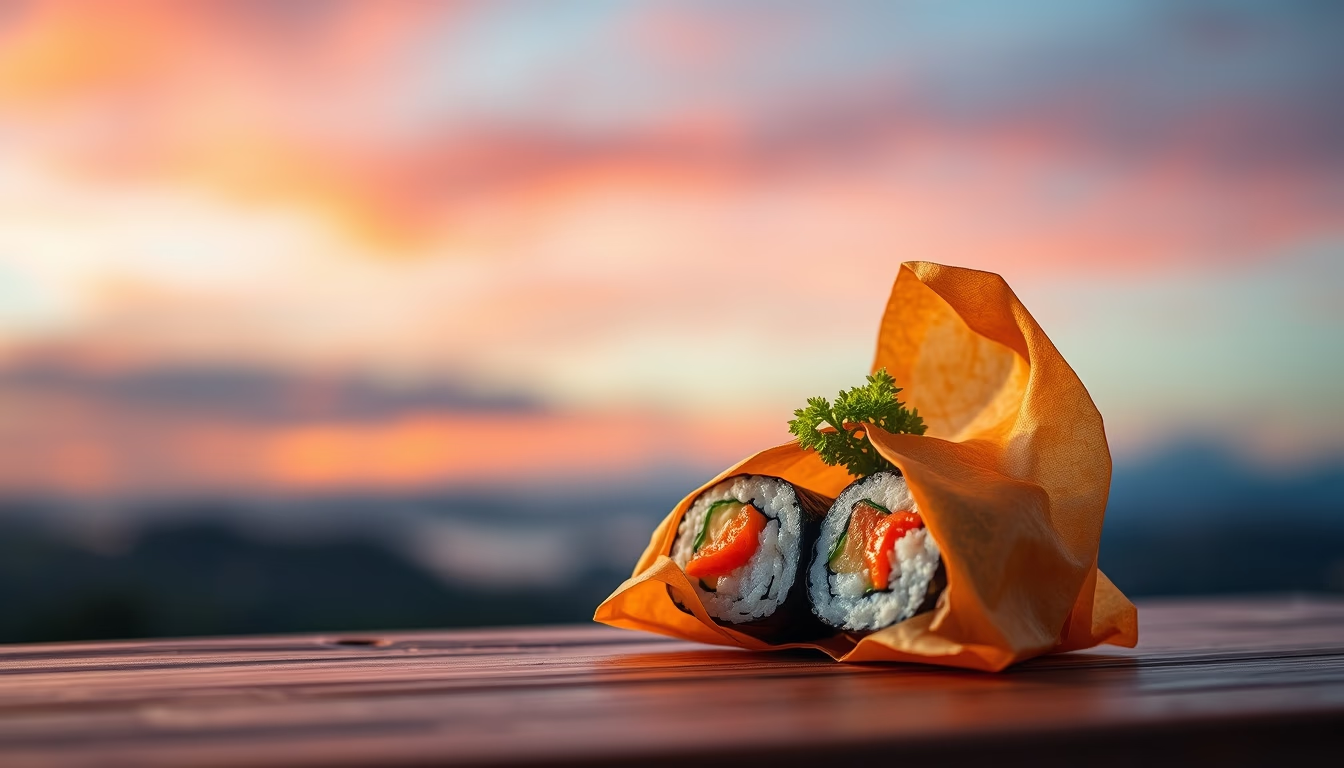
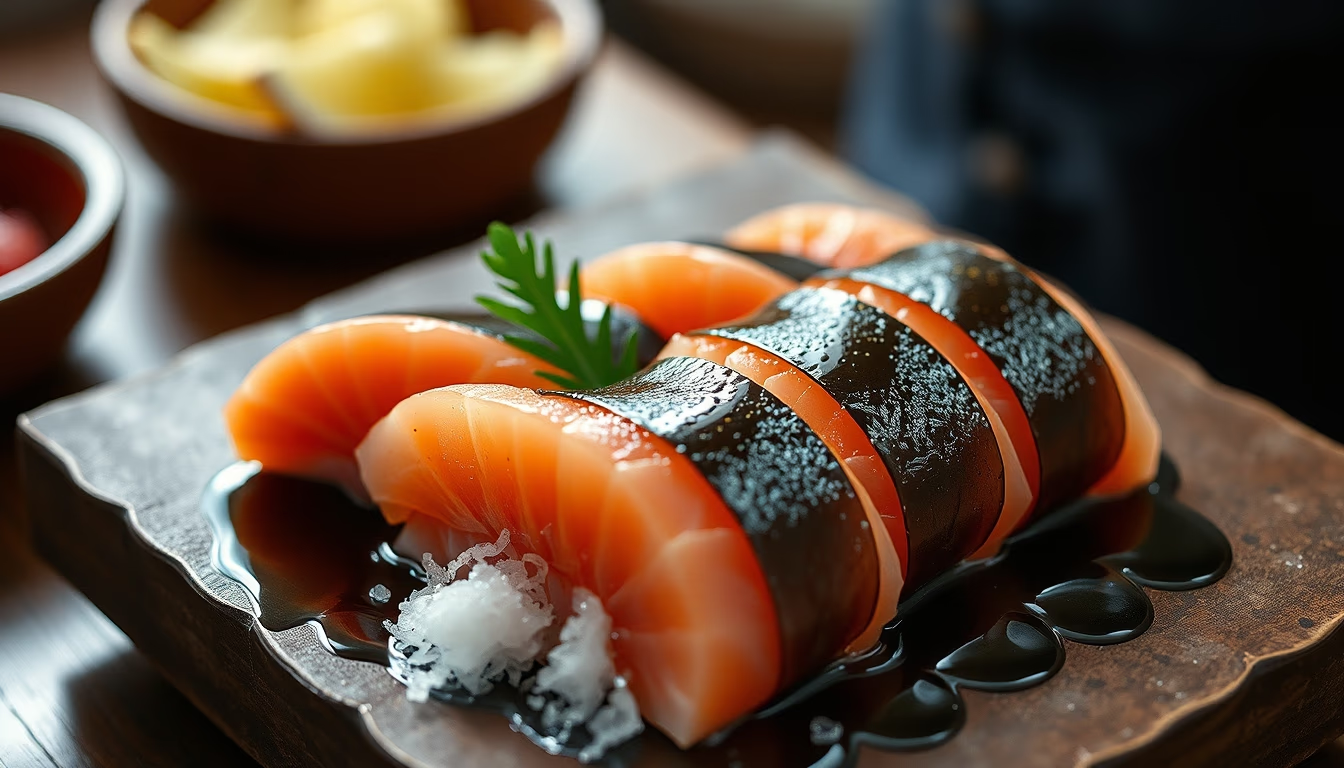
Maki rolls are sushi rolls with rice, seaweed, and various fillings like salmon, cucumber, and avocado, known for their vibrant colors.
About this subject
Maki rolls, one of the most popular types of sushi, consist of a layer of seasoned rice wrapped in nori seaweed, filled with ingredients like raw fish, vegetables, or omelet. The word "maki" means "roll" in Japanese, and the technique of rolling with a bamboo mat (makisu) requires practice to achieve optimal texture and firmness.
The versatility of maki rolls allows for colorful and creative combinations. Traditional varieties include hosomaki (thin roll with a single ingredient), futomaki (thick roll with multiple ingredients), and uramaki (rice on the outside, with sesame seeds). In Brazil, adaptations such as maki with cream cheese and salmon are common, reflecting local culinary fusion.
Historically, sushi originated as a method of preserving fish in fermented rice in Southeast Asia. In Japan, it evolved into its current form during the Edo period (19th century). Today, maki rolls are enjoyed worldwide, with variations incorporating local ingredients. The colorful presentation not only pleases the eye but also indicates freshness and nutritional variety.
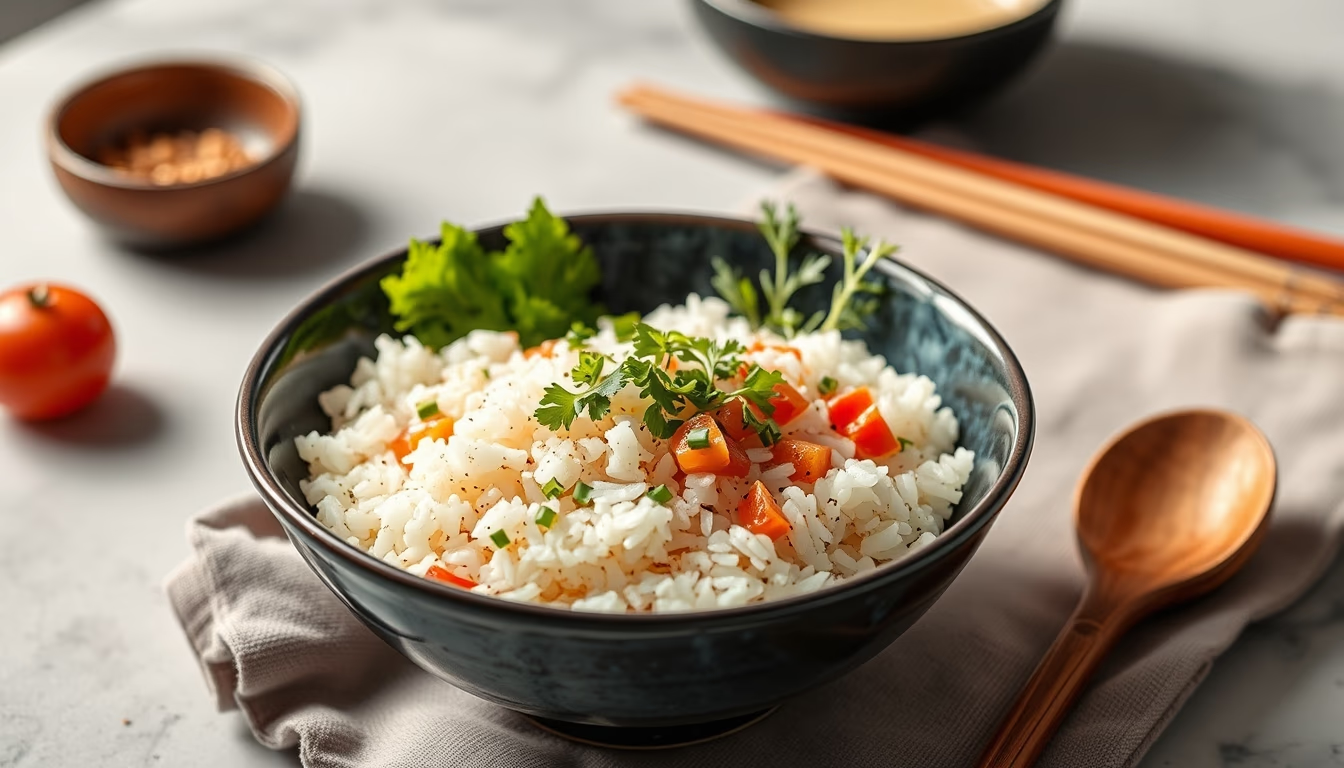
Fun fact: nori (seaweed) used in maki is rich in iodine and vitamins, and sushi rice is seasoned with rice vinegar, sugar, and salt. The rolling technique influences the final texture: a precise cut with a wet knife prevents the maki from falling apart.
Frequently Asked Questions
What is the difference between maki, uramaki, and temaki?
Maki is rolled with seaweed on the outside and rice inside. Uramaki has rice on the outside and seaweed inside. Temaki is a seaweed cone filled with ingredients, eaten by hand.
What ingredients are typical in maki rolls?
Common ingredients include salmon, tuna, cucumber, avocado, carrot, cream cheese, and omelet. In Brazil, cream cheese and fruits like mango are also used.
How to cut maki rolls properly?
Use a sharp knife and wet it with water between cuts to prevent rice from sticking. Cut with smooth motions, without pressing, to maintain the shape.
Direct URL
https://pub-c7d6a6ea828543ac903a74a341ccb2e1.r2.dev/imagens/maki-rolls-colorful-architectural-photography-fresh17.avifHow to credit
Include a visible link back to UtilizAí. Copy one of the snippets below:
<a href="https://xn--utiliza-eza.com/en/midia/imagens/maki-rolls-colorful-architectural-photography-fresh17">Maki rolls colorful</a> by <a href="https://xn--utiliza-eza.com">UtilizAí</a>, licensed under <a href="https://creativecommons.org/licenses/by/4.0/">CC BY 4.0</a>.
[Maki rolls colorful](https://xn--utiliza-eza.com/en/midia/imagens/maki-rolls-colorful-architectural-photography-fresh17) by [UtilizAí](https://xn--utiliza-eza.com), CC BY 4.0
License: CC-BY-4.0