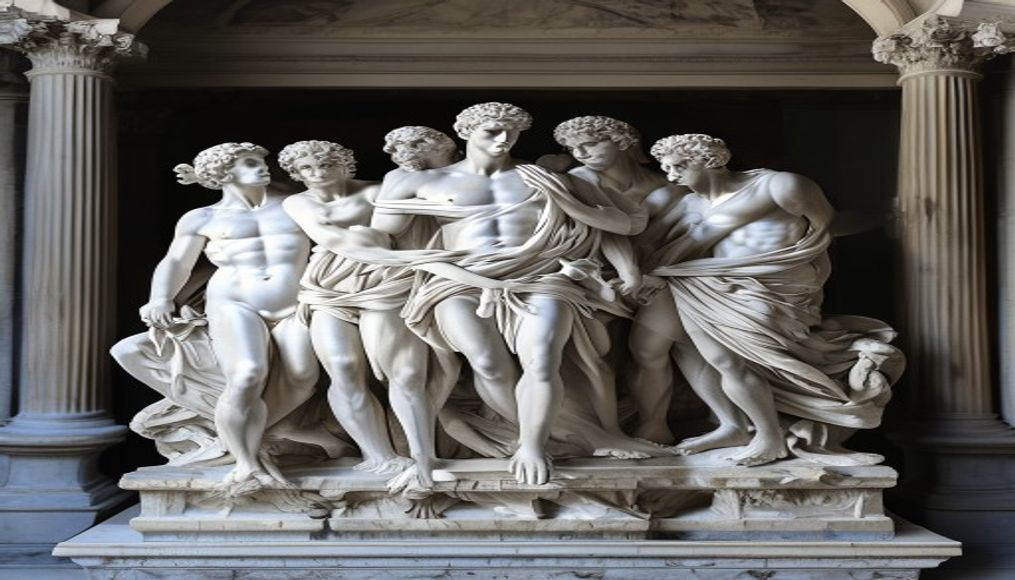
Laocoon group sculpture
1344×768 · AVIF · CC BY 4.0
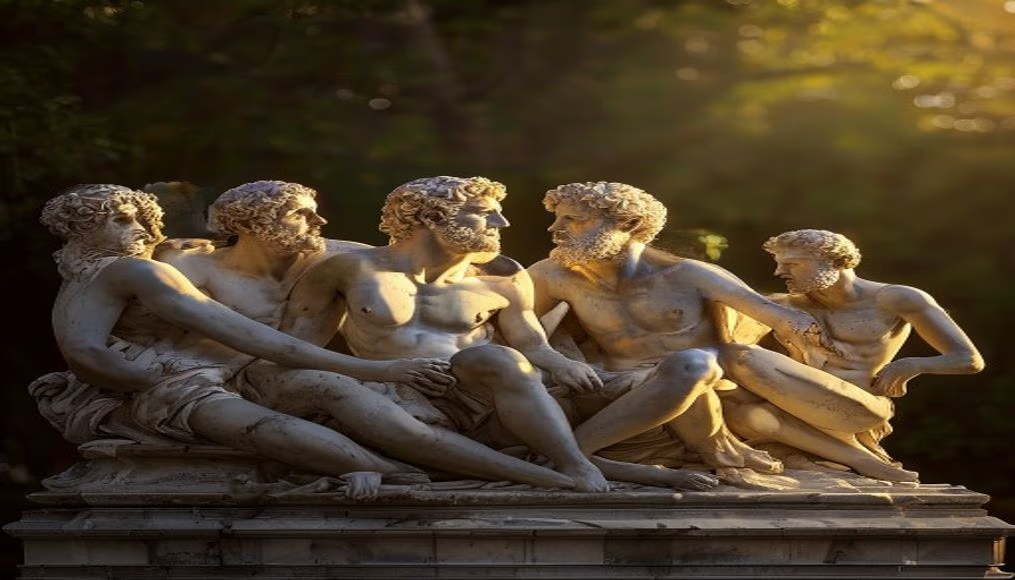
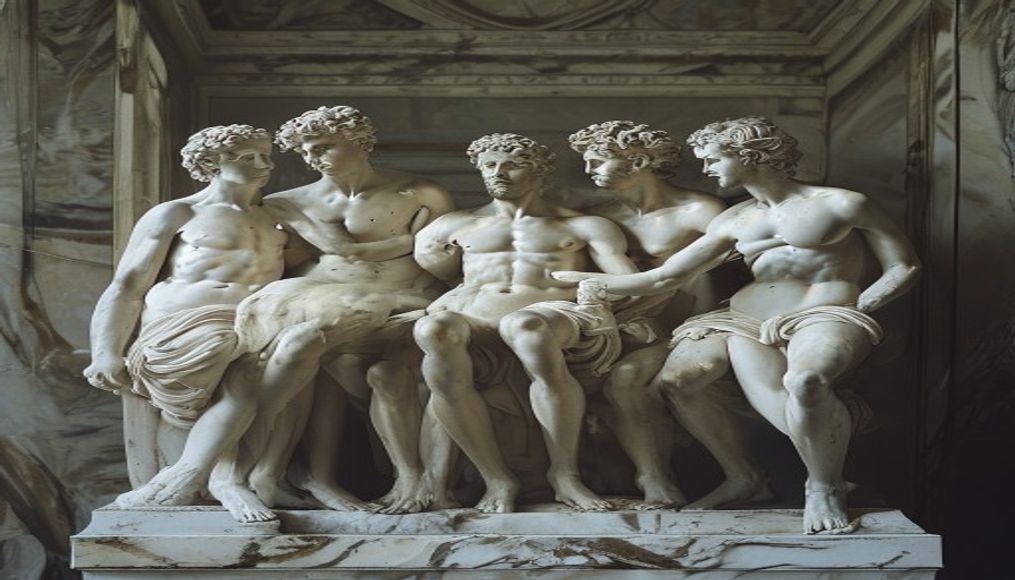
The Laocoön and His Sons sculpture is one of the most emblematic works of Hellenistic sculpture, displayed in the Vatican Museums.
About this subject
The Laocoön and His Sons is a marble sculpture from the Hellenistic period, dated between 200 BC and 70 AD. It depicts the Trojan priest Laocoön and his two sons being attacked by sea serpents, an episode described in Virgil's Aeneid. The dramatic expression of pain and anatomical realism exemplify the Hellenistic style, characterized by pathos and movement.
Discovered in 1506 in a vineyard near the Basilica of Santa Maria Maggiore in Rome, the sculpture was immediately recognized as the masterpiece described by Pliny the Elder. Pope Julius II acquired it and placed it in the Vatican, where it remains today in the Pio Clementino Museum. Michelangelo was present at the excavation and his admiration for the piece influenced his own work, such as the slaves in the Sistine Chapel.
Attributed to Agesander, Athenodorus, and Polydorus of Rhodes, the work underwent several restorations over the centuries. The first, by Giovanni Antonio Montorsoli, a pupil of Michelangelo, added Laocoön's right arm in an extended position, but later excavations revealed that the original arm was bent. This discovery sparked debates about the accuracy of Renaissance restorations. Today, the original arm has been reintegrated after a series of analyses.
The piece has been widely studied for its pyramidal composition and the use of serpentine lines to create dramatic tension. It influenced artists such as Titian, El Greco, and William Blake. Although its dating is controversial, some scholars suggest it is a Roman copy of a Greek bronze original, the Laocoön remains a testament to ancient sculptural mastery and an icon of Western art.
Frequently Asked Questions
Where is the Laocoön sculpture located?
The Laocoön and His Sons sculpture is displayed in the Vatican Museums, specifically in the Pio Clementino Museum in Vatican City.
Who sculpted the Laocoön group?
The work is attributed to the Rhodian sculptors Agesander, Athenodorus, and Polydorus, as mentioned by Pliny the Elder.
What story does the Laocoön group depict?
The sculpture depicts the Trojan priest Laocoön and his sons being attacked by sea serpents sent by the gods as punishment for trying to warn the Trojans about the Trojan Horse.
Direct URL
https://pub-c7d6a6ea828543ac903a74a341ccb2e1.r2.dev/imagens/laocoon-group-sculpture-travel-photography-p0.avifHow to credit
Include a visible link back to UtilizAí. Copy one of the snippets below:
<a href="https://xn--utiliza-eza.com/en/midia/imagens/laocoon-group-sculpture-travel-photography-p0">Laocoon group sculpture</a> by <a href="https://xn--utiliza-eza.com">UtilizAí</a>, licensed under <a href="https://creativecommons.org/licenses/by/4.0/">CC BY 4.0</a>.
[Laocoon group sculpture](https://xn--utiliza-eza.com/en/midia/imagens/laocoon-group-sculpture-travel-photography-p0) by [UtilizAí](https://xn--utiliza-eza.com), CC BY 4.0
License: CC-BY-4.0