Kilimanjaro tanzania snow
1344×768 · AVIF · CC BY 4.0
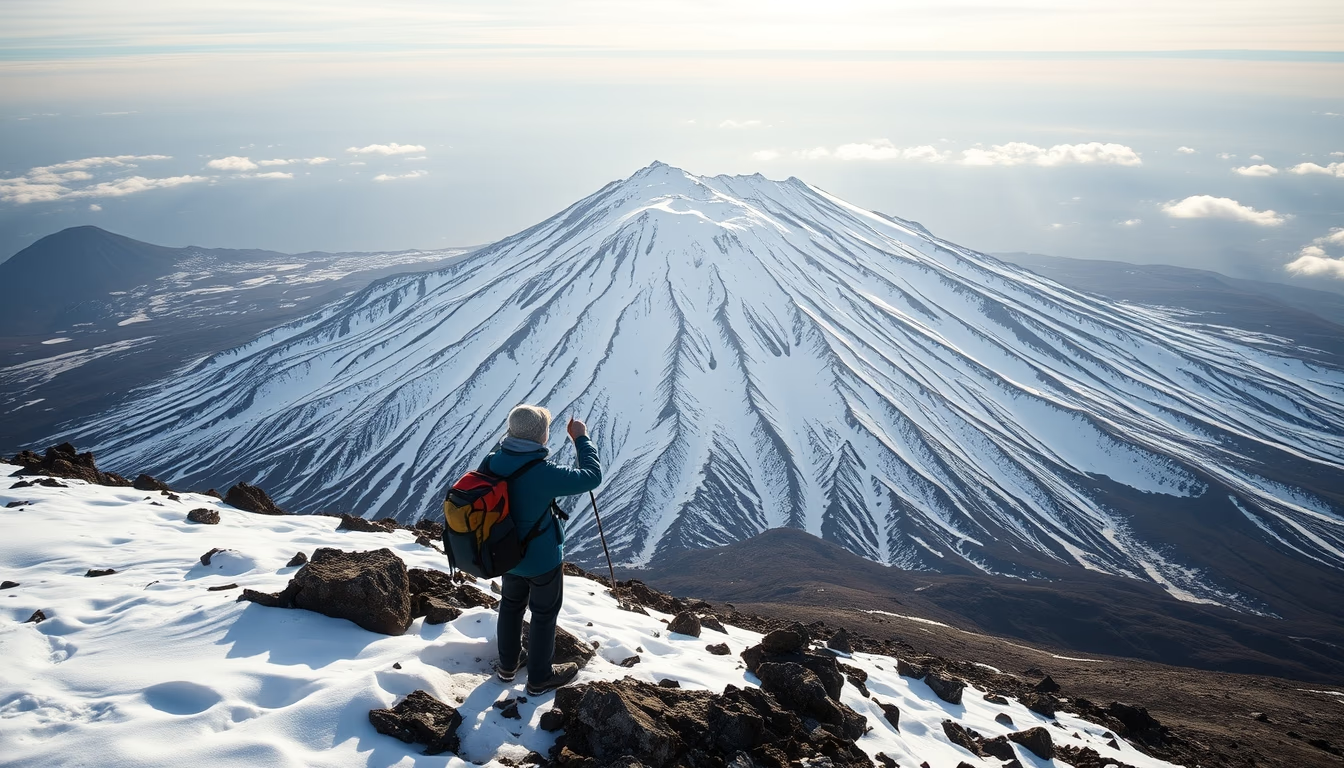
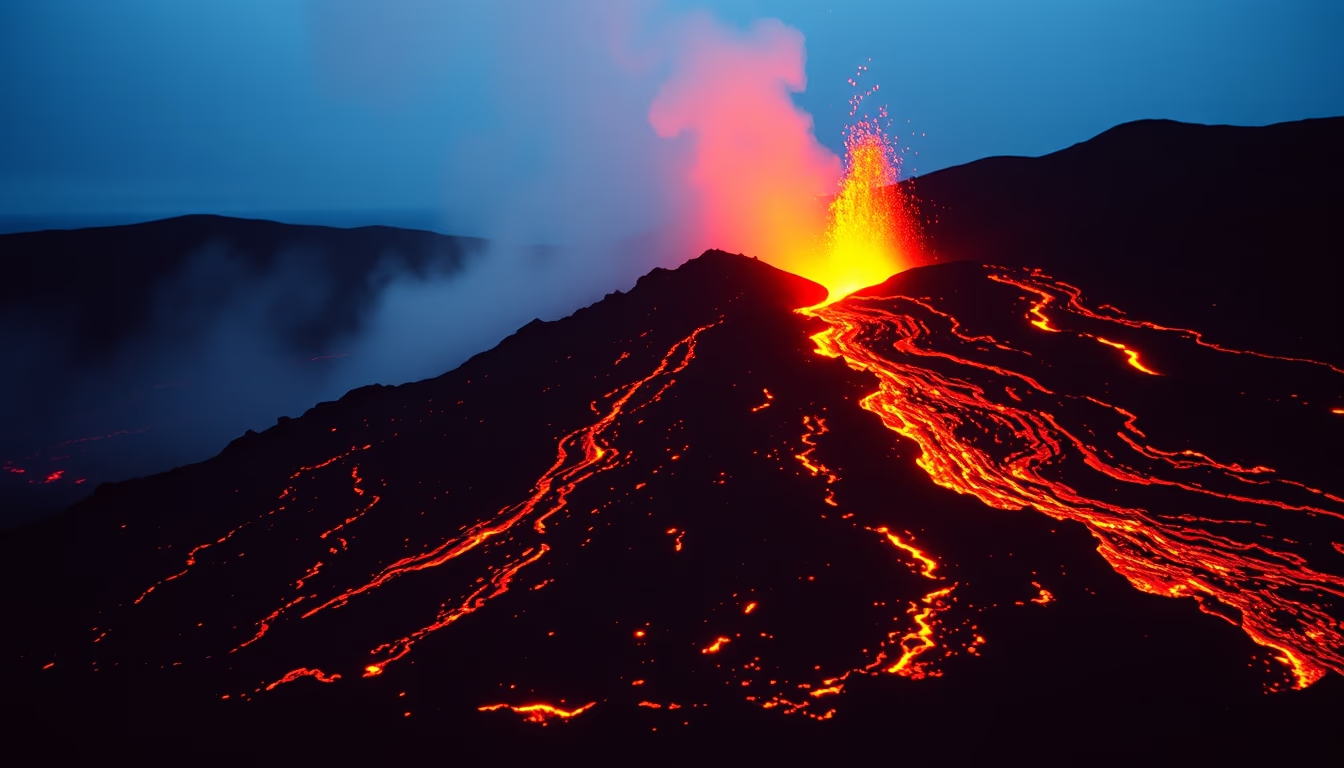
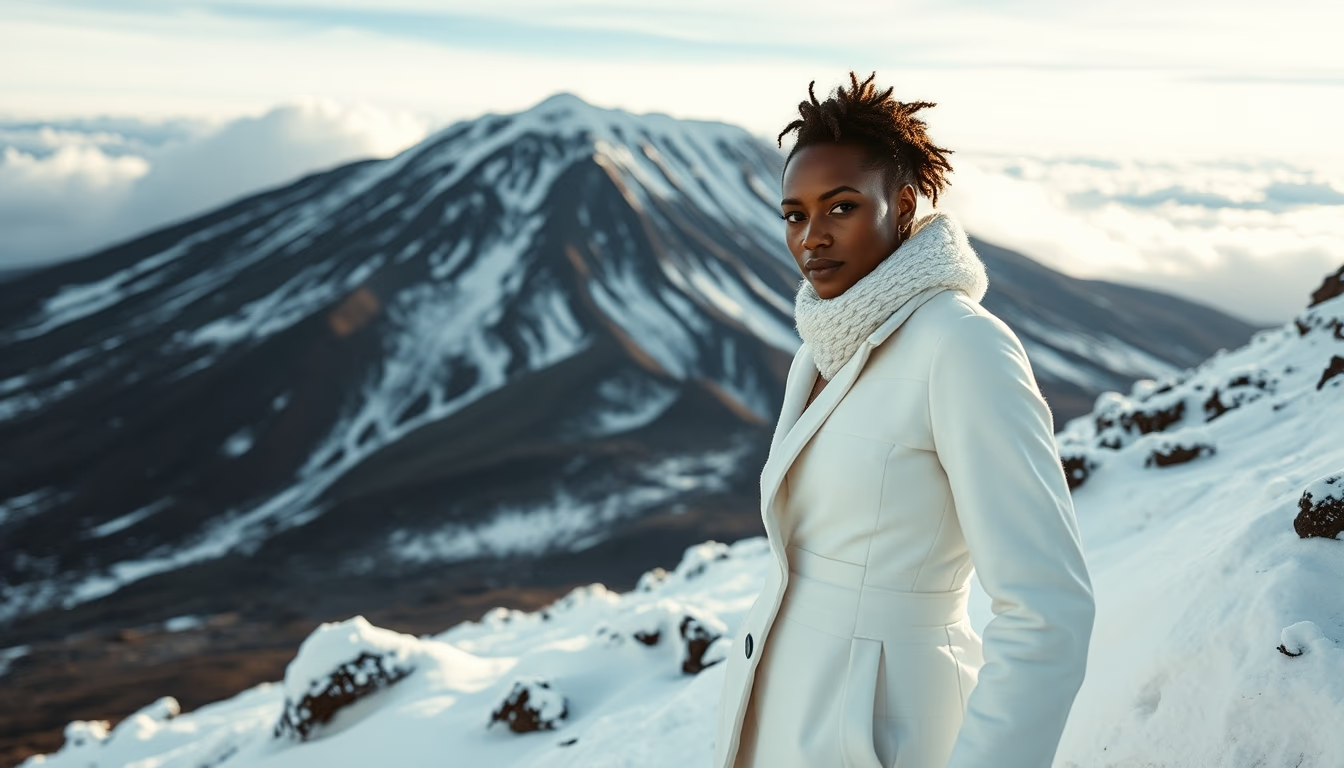
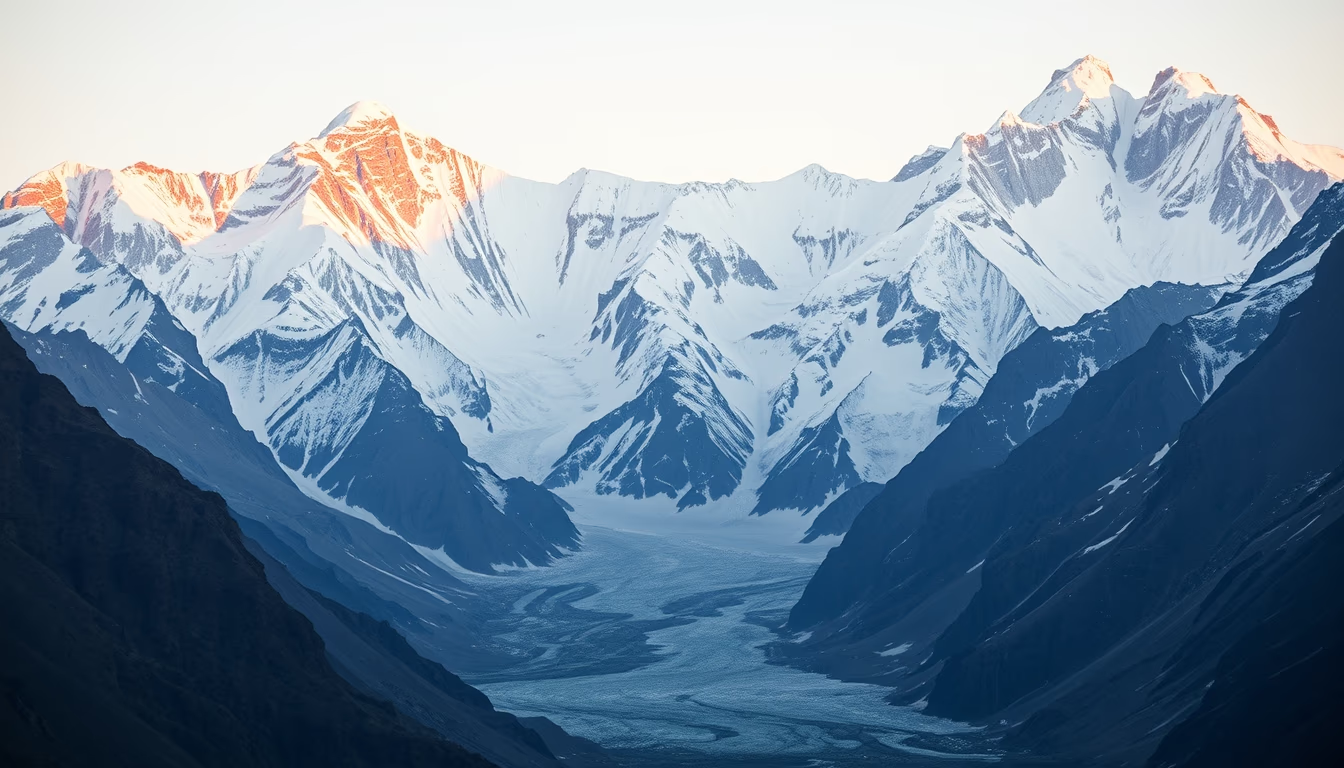
Mount Kilimanjaro in Tanzania hosts unique tropical glaciers that are rapidly retreating due to climate change.
About this subject
Mount Kilimanjaro, standing at 5,895 meters, is Africa's highest peak and one of the few places on Earth where tropical glaciers still exist. These ice masses crown the summit of an extinct volcano, forming a fragile and rare ecosystem. Kilimanjaro's glaciers began forming about 11,000 years ago, at the end of the last ice age, and have since been a key indicator of global climate variations.
In recent decades, Kilimanjaro's glaciers have shrunk dramatically. Studies show that since 1912, the ice cover has decreased by more than 80%, and projections suggest complete disappearance by 2050. This retreat is linked to rising global temperatures and reduced snowfall, exacerbated by climate change. The phenomenon not only affects the landscape but also threatens water supplies for surrounding communities, which rely on seasonal meltwater for rivers and groundwater.
Geologically, Kilimanjaro is a stratovolcano composed of three cones: Kibo (the highest, where glaciers are located), Mawenzi, and Shira. Kibo's summit is a caldera about 2 km in diameter, with snow and ice accumulating mainly in the crater and on the southern and eastern slopes. The extreme altitude and equatorial location create a microclimate that supports ice, but global warming has disrupted this balance.
The loss of Kilimanjaro's glaciers is a powerful symbol of climate change. For climbers and scientists, the scene is an urgent warning. Moreover, the snowy peak has inspired works like Ernest Hemingway's short story "The Snows of Kilimanjaro" and attracts thousands of tourists each year. Preserving this natural heritage requires global emission reductions and local adaptation efforts.
Frequently Asked Questions
Why are Kilimanjaro's glaciers melting?
The melting of Kilimanjaro's glaciers is primarily caused by rising global temperatures due to climate change, combined with reduced snowfall. Since 1912, the ice cover has decreased by more than 80% and could disappear completely by 2050.
What is the altitude of Mount Kilimanjaro?
Mount Kilimanjaro is 5,895 meters high, making it the highest point in Africa. Its main peak, Kibo, is an extinct volcano with a caldera about 2 km in diameter.
Is Kilimanjaro an active volcano?
No, Kilimanjaro is an extinct volcano. It consists of three volcanic cones: Kibo, Mawenzi, and Shira. Kibo is the highest and the only one that still has glaciers on its summit.
Direct URL
https://pub-c7d6a6ea828543ac903a74a341ccb2e1.r2.dev/imagens/kilimanjaro-tanzania-snow-magazine-editorial-p7.avifHow to credit
Include a visible link back to UtilizAí. Copy one of the snippets below:
<a href="https://xn--utiliza-eza.com/en/midia/imagens/kilimanjaro-tanzania-snow-magazine-editorial-p7">Kilimanjaro tanzania snow</a> by <a href="https://xn--utiliza-eza.com">UtilizAí</a>, licensed under <a href="https://creativecommons.org/licenses/by/4.0/">CC BY 4.0</a>.
[Kilimanjaro tanzania snow](https://xn--utiliza-eza.com/en/midia/imagens/kilimanjaro-tanzania-snow-magazine-editorial-p7) by [UtilizAí](https://xn--utiliza-eza.com), CC BY 4.0
License: CC-BY-4.0