Jigokudani snow monkeys
1344×768 · JPG · CC BY 4.0
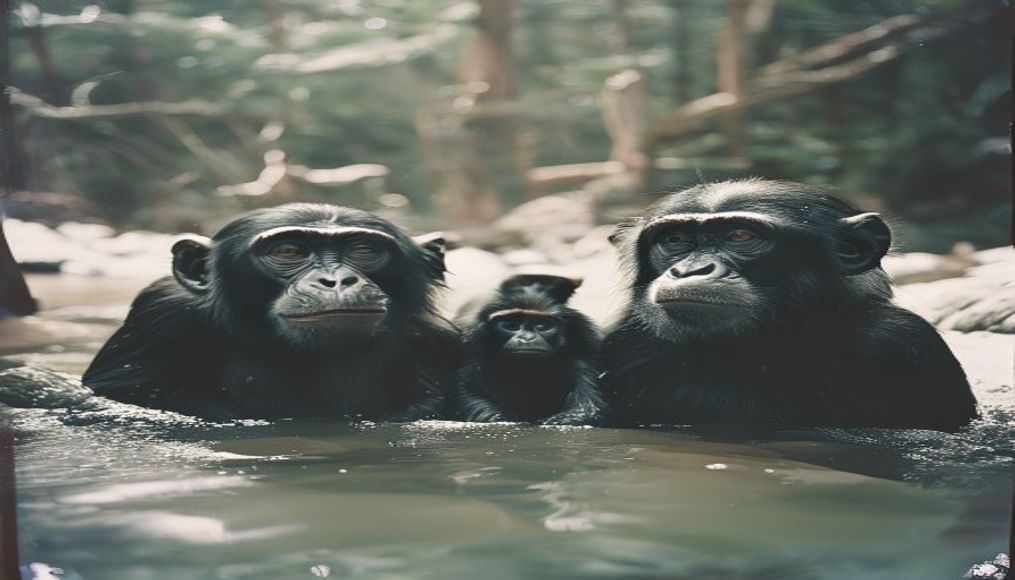
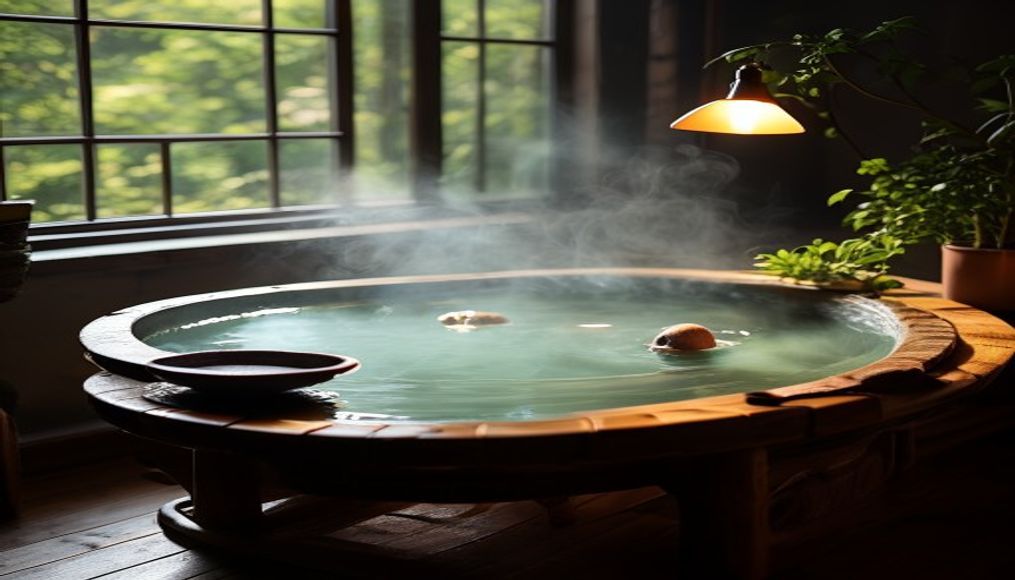
The snow monkeys of Jigokudani, Nagano, are world-famous for bathing in hot springs during Japan's harsh winter.
About this subject
The Japanese macaques (Macaca fuscata) inhabiting the Jigokudani valley near Yamanouchi in Nagano Prefecture are an endemic subspecies of Japan. They are widely known as snow monkeys due to their adaptation to harsh winters with temperatures dropping to -10 °C. Since the 1960s, researchers have observed that these primates use the geothermally heated waters of the Jigokudani Yaen-koen park to warm themselves, a behavior unique among non-human primates. This thermoregulatory strategy allows them to conserve energy and maintain body temperature without drastically increasing food intake. The group's social hierarchy influences access to the best pools; dominant individuals occupy warmer spots while subordinates stay at the edges. Bathing also serves a social function, strengthening bonds through mutual grooming during immersion. Their diet varies seasonally, including shoots, fruits, insects, and tree bark. In winter, they supplement with food provided at the park, such as grains and vegetables. Photographic tourism in Jigokudani is intense, especially in winter when the combination of snow and steam creates iconic scenes. The lo-fi aesthetic of disposable cameras, mentioned in the tags, recalls the popularization of these images in the 1990s, predating the digital era, when travelers captured the contrast between snow and the furry bodies of monkeys emerging from hot springs. The park is a protected sanctuary, and human-animal interaction is regulated to prevent over-habituation. Scientists continue studying the monkeys' behavior to understand how the bathing culture is transmitted across generations and how climate change may affect their range.
Frequently Asked Questions
Why do snow monkeys enter the hot springs?
They enter to warm themselves during the harsh winter, saving energy that would be spent on maintaining body temperature. This behavior is unique among non-human primates.
Are the monkeys aggressive toward tourists?
Generally no, but they are wild animals and can become aggressive if they feel threatened or are fed. The park has rules to maintain a safe distance and prohibits feeding.
What is the best time to visit Jigokudani to see the monkeys bathing?
Winter, from December to March, is when snow is present and monkeys use the hot springs most frequently. The park is open year-round, but the spectacle is most dramatic in winter.
Direct URL
https://pub-c7d6a6ea828543ac903a74a341ccb2e1.r2.dev/imagens/jigokudani-snow-monkeys-lo-fi-disposable-camera-p4.jpgHow to credit
Include a visible link back to UtilizAí. Copy one of the snippets below:
<a href="https://xn--utiliza-eza.com/en/midia/imagens/jigokudani-snow-monkeys-lo-fi-disposable-camera-p4">Jigokudani snow monkeys</a> by <a href="https://xn--utiliza-eza.com">UtilizAí</a>, licensed under <a href="https://creativecommons.org/licenses/by/4.0/">CC BY 4.0</a>.
[Jigokudani snow monkeys](https://xn--utiliza-eza.com/en/midia/imagens/jigokudani-snow-monkeys-lo-fi-disposable-camera-p4) by [UtilizAí](https://xn--utiliza-eza.com), CC BY 4.0
License: CC-BY-4.0