Japanese kanji shodo
1344×768 · AVIF · CC BY 4.0
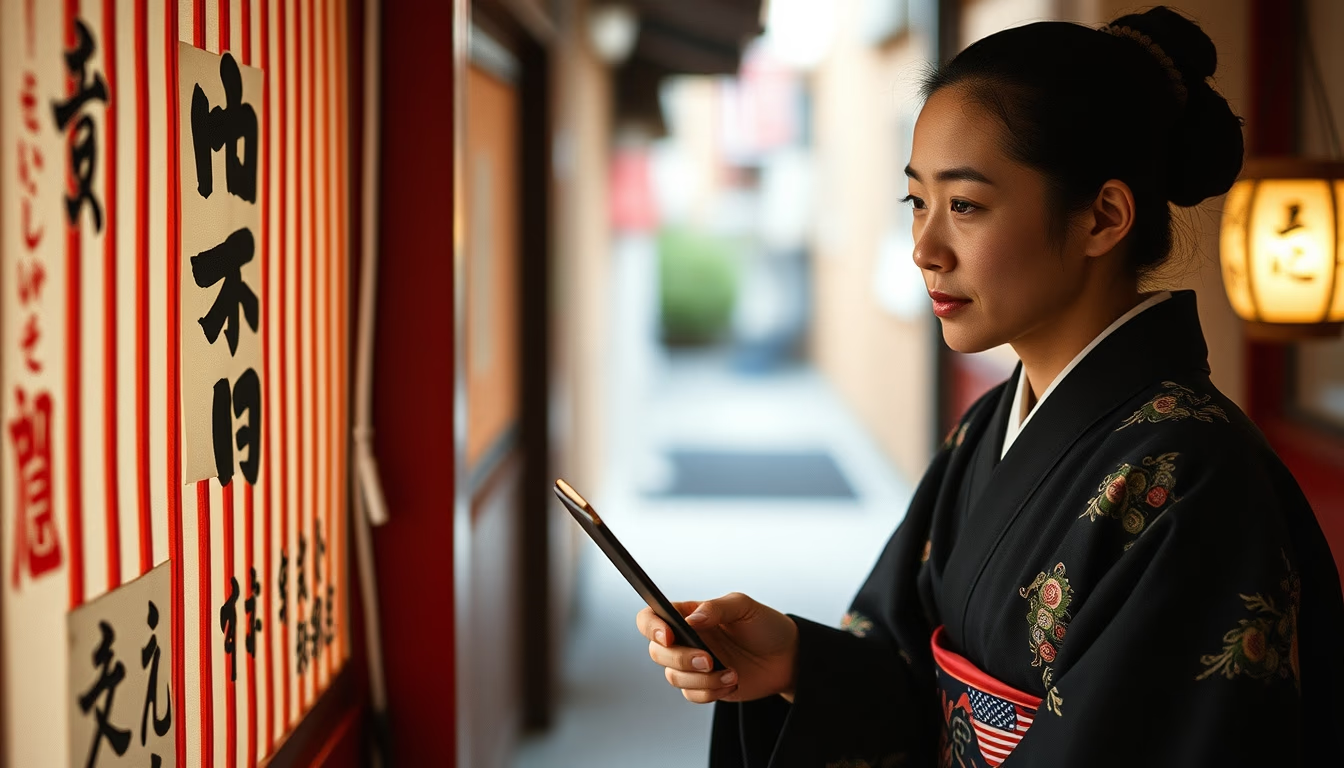
Shodo is the Japanese art of brush calligraphy, expressing harmony and movement in each kanji stroke.
About this subject
Shodo, Japanese calligraphy, originated from Chinese writing and was introduced to Japan around the 6th century, influenced by Zen Buddhism. More than a simple writing technique, shodo is considered a spiritual martial art where the calligrapher seeks to capture ki (life energy) in each brushstroke. The practice involves not only brush mastery but also posture, breathing, and meditative concentration.
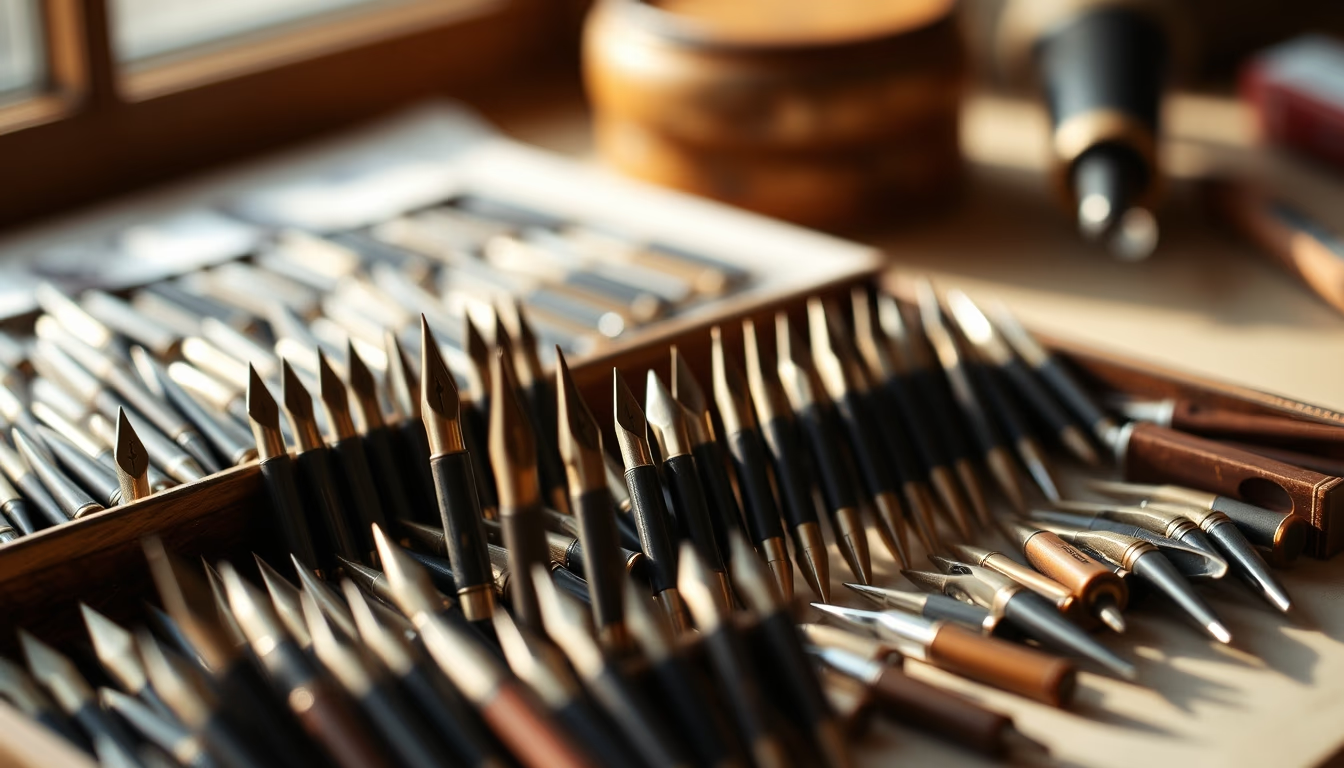
The basic tools are the brush (fude), ink (sumi), paper (washi), and inkstone (suzuri). Ink is made by rubbing a sumi stick on the stone with water, a process that prepares the practitioner for calligraphy. The three main styles are kaisho (regular script, with clear separated strokes), gyosho (semi-cursive, more fluid), and sosho (cursive, highly stylized and fast).
Shodo values the empty space (ma) between strokes, spontaneity, and intentional imperfection. Each brushstroke must be irreversible: once made, there is no correction. Thus, practice requires years of training. Formal exams classify calligraphers into levels (dan and kyu), similar to martial arts. Famous works include those of masters like Ono no Michikaze and Wang Xizhi.
Today, shodo is practiced both as a hobby and as fine art. It is common in New Year ceremonies (kakizome) and gallery exhibitions. Beyond Japan, Japanese calligraphy has influenced contemporary Western art and continues to fascinate as a practice that unites aesthetics, philosophy, and technique.
Frequently Asked Questions
What is the difference between shodo and Western calligraphy?
Shodo emphasizes spiritual expression and movement, while Western calligraphy prioritizes legibility and uniformity. In shodo, each stroke is irreversible and carries the calligrapher's energy.
How long does it take to learn shodo?
Beginners can learn basic strokes in a few months, but mastery requires decades of continuous practice. Progress is measured through grading exams (dan and kyu).
Do you need to know Japanese to practice shodo?
Not required, but understanding the meaning of kanji helps with composition and artistic intent. Many non-Japanese practitioners focus on the aesthetics of the strokes.
Direct URL
https://pub-c7d6a6ea828543ac903a74a341ccb2e1.r2.dev/imagens/japanese-kanji-shodo-film-grain-authentic-fresh14.avifHow to credit
Include a visible link back to UtilizAí. Copy one of the snippets below:
<a href="https://xn--utiliza-eza.com/en/midia/imagens/japanese-kanji-shodo-film-grain-authentic-fresh14">Japanese kanji shodo</a> by <a href="https://xn--utiliza-eza.com">UtilizAí</a>, licensed under <a href="https://creativecommons.org/licenses/by/4.0/">CC BY 4.0</a>.
[Japanese kanji shodo](https://xn--utiliza-eza.com/en/midia/imagens/japanese-kanji-shodo-film-grain-authentic-fresh14) by [UtilizAí](https://xn--utiliza-eza.com), CC BY 4.0
License: CC-BY-4.0