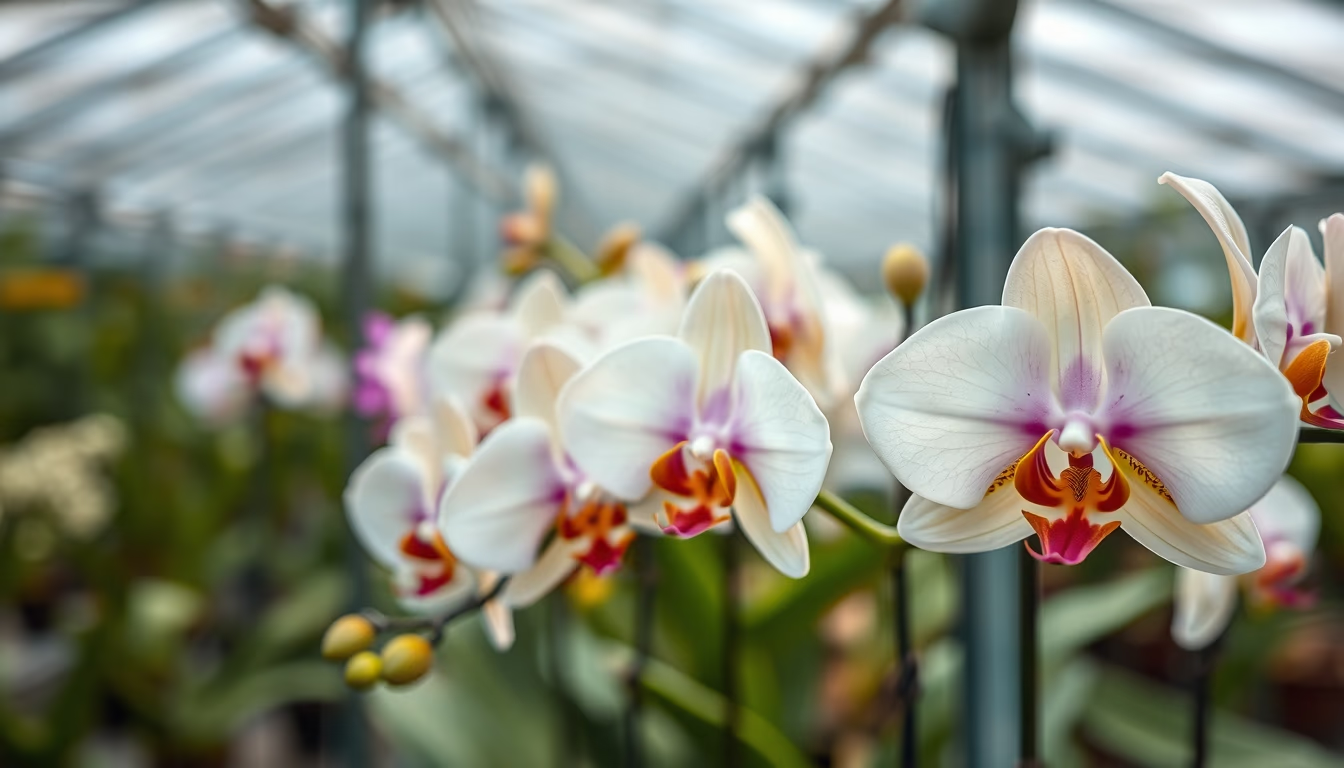
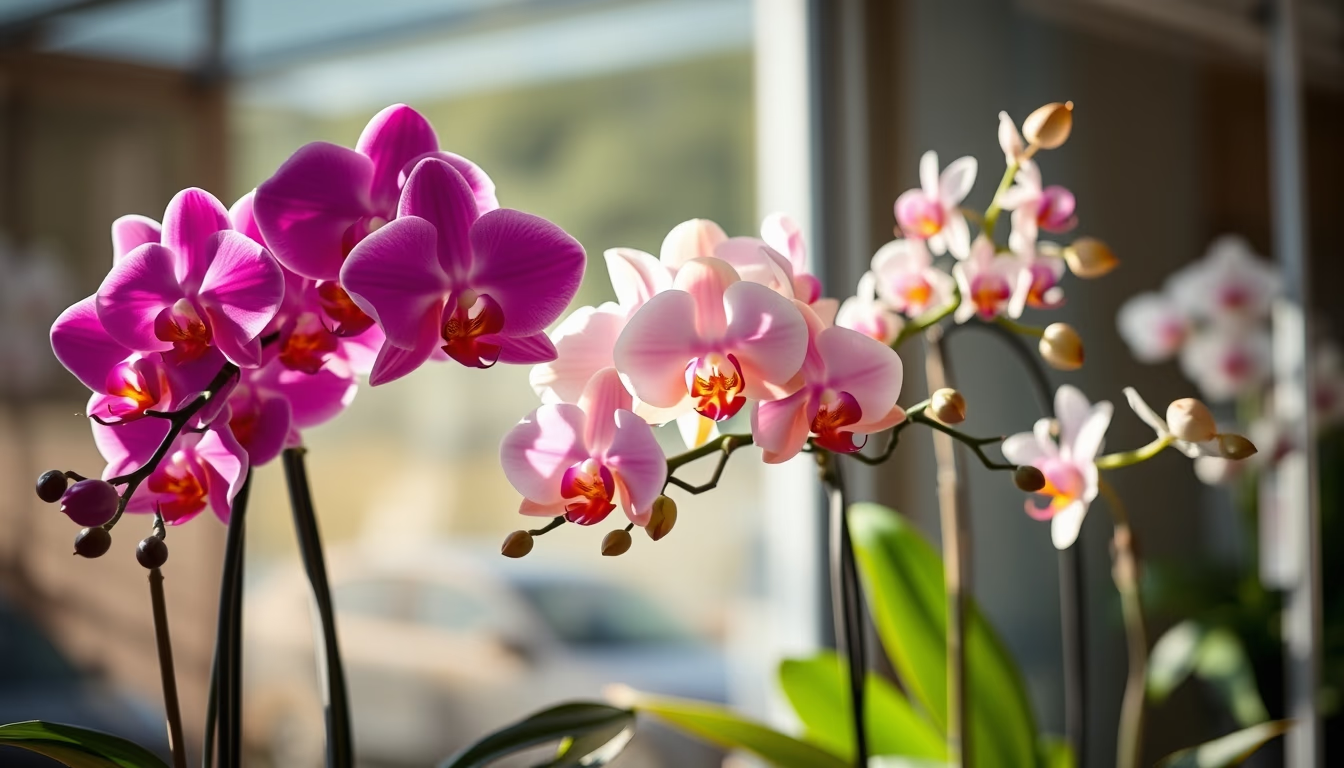
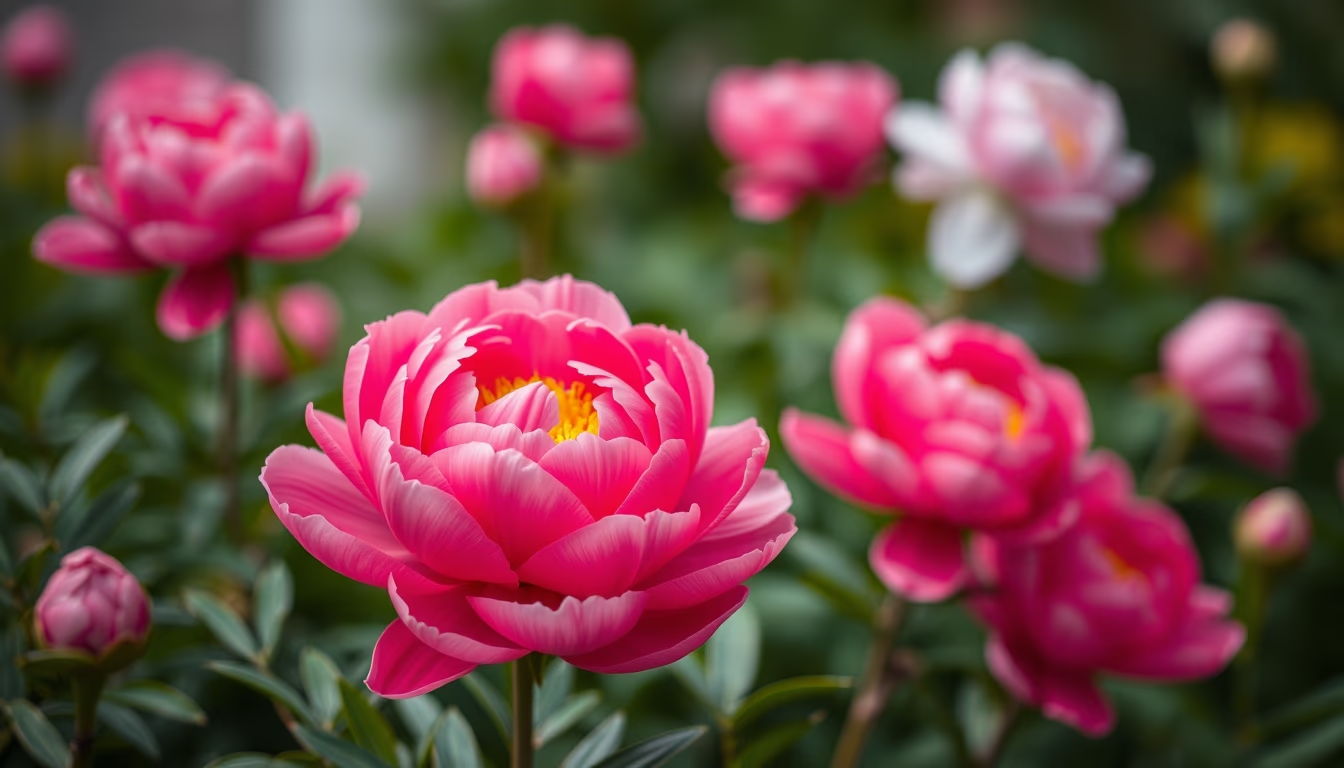
Ikebana japanese arrangement
1344×768 · AVIF · CC BY 4.0
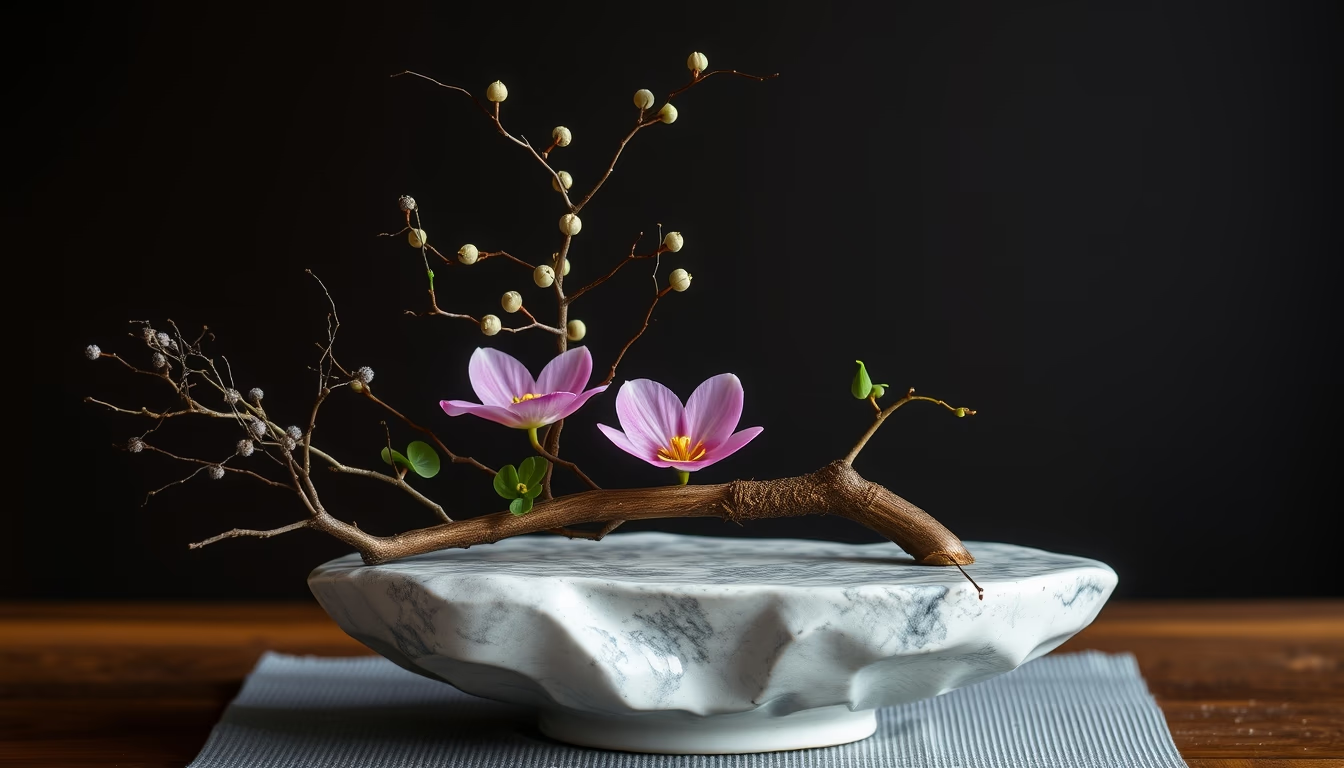
Ikebana é a arte japonesa de arranjos florais, conhecida por sua simplicidade, equilíbrio e uso de linhas para expressar a beleza natural.
Sobre o tema
Ikebana, também chamada de kado (caminho das flores), é uma prática milenar que surgiu no Japão no século VI, associada aos rituais budistas de oferenda de flores nos altares. Diferente da florística ocidental, que busca volumes e cores, o ikebana valoriza a assimetria, o vazio e a harmonia entre os elementos: galhos, folhas, flores e recipientes.
Existem diversas escolas de ikebana, sendo as mais tradicionais a Ikenobo (fundada no século XV), a Ohara (que introduziu paisagens em miniatura) e a Sogetsu (moderna, focada na expressão pessoal). Cada escola possui princípios específicos, mas todas seguem a estrutura básica de três hastes principais: shin (céu), soe (homem) e hikae (terra), representando o equilíbrio cósmico.
A prática exige domínio de técnicas como o corte em ângulo, a curvatura controlada dos galhos e a fixação sem espuma floral, usando kenzan (suporte de pregos) ou manualmente. No Japão, o ikebana é considerado um caminho de meditação e disciplina, e exposições sazonais destacam flores típicas como sakura na primavera e crisântemos no outono. Desde o século XX, difundiu-se globalmente como forma de arte floral contemporânea, influenciando designers e arranjadores.
Perguntas frequentes
Qual a diferença entre ikebana e arranjo floral ocidental?
O ikebana foca na simplicidade, assimetria e uso de linhas, destacando o vazio e a harmonia entre os elementos. Já o arranjo ocidental busca volume, cores vibrantes e simetria.
Quais são os materiais básicos para iniciar no ikebana?
Os principais materiais são: kenzan (suporte de pregos), vaso baixo, tesoura de poda (hasami), e galhos, folhas e flores frescas. Espuma floral não é usada.
O ikebana tem significado espiritual?
Sim, é considerado uma prática de meditação e disciplina. Cada arranjo busca expressar a beleza efêmera da natureza e conectar o praticante ao momento presente.
URL direta
https://pub-c7d6a6ea828543ac903a74a341ccb2e1.r2.dev/imagens/ikebana-japanese-arrangement-documentary-nature-style-fresh11.avifComo creditar
Inclua um link visível de volta pro UtilizAí. Copie um dos snippets abaixo:
<a href="https://xn--utiliza-eza.com/midia/imagens/ikebana-japanese-arrangement-documentary-nature-style-fresh11">Ikebana japanese arrangement</a> by <a href="https://xn--utiliza-eza.com">UtilizAí</a>, licensed under <a href="https://creativecommons.org/licenses/by/4.0/">CC BY 4.0</a>.
[Ikebana japanese arrangement](https://xn--utiliza-eza.com/midia/imagens/ikebana-japanese-arrangement-documentary-nature-style-fresh11) by [UtilizAí](https://xn--utiliza-eza.com), CC BY 4.0
Licença: CC-BY-4.0