Ice climbing wall
1344×768 · AVIF · CC BY 4.0
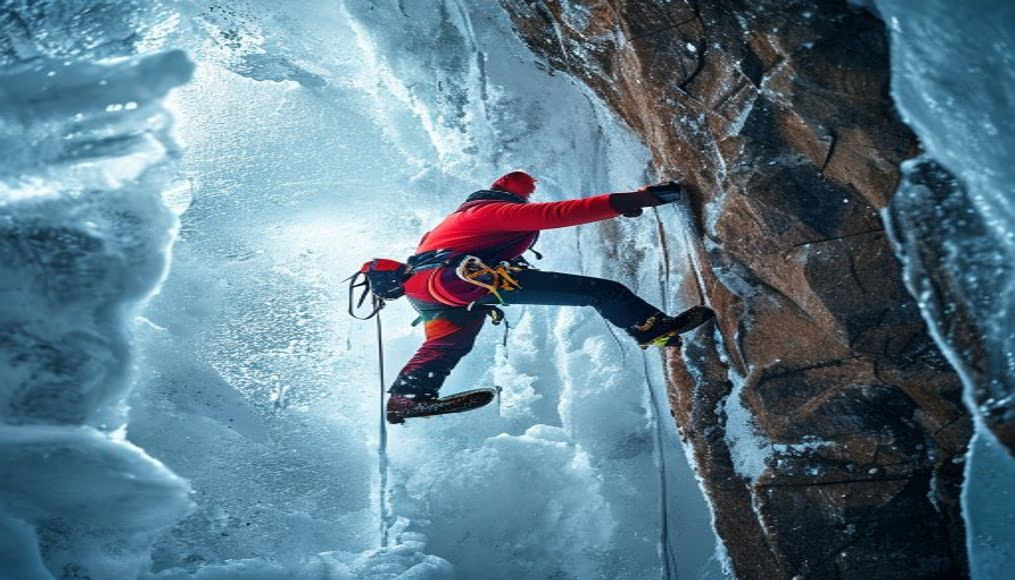
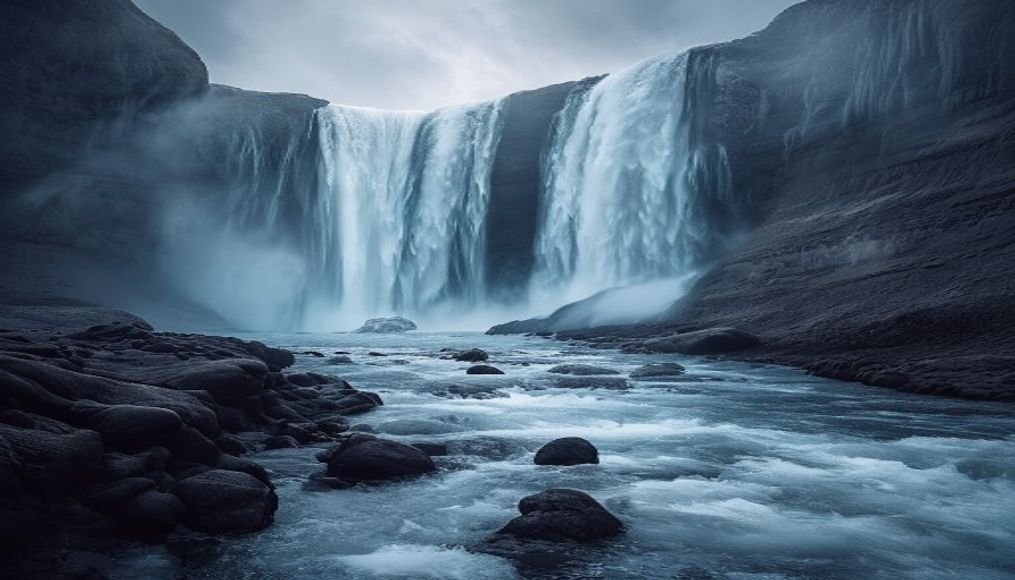
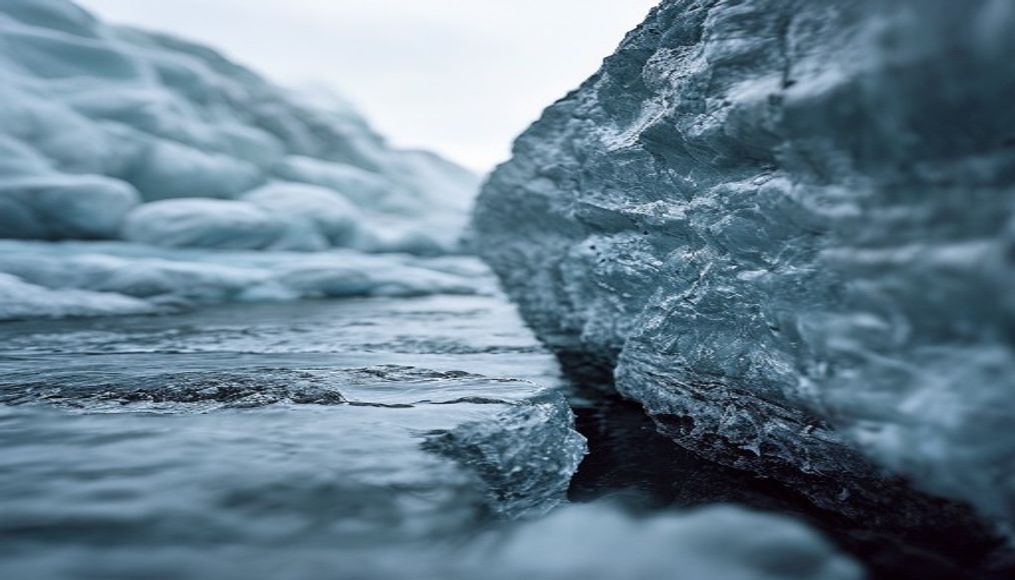
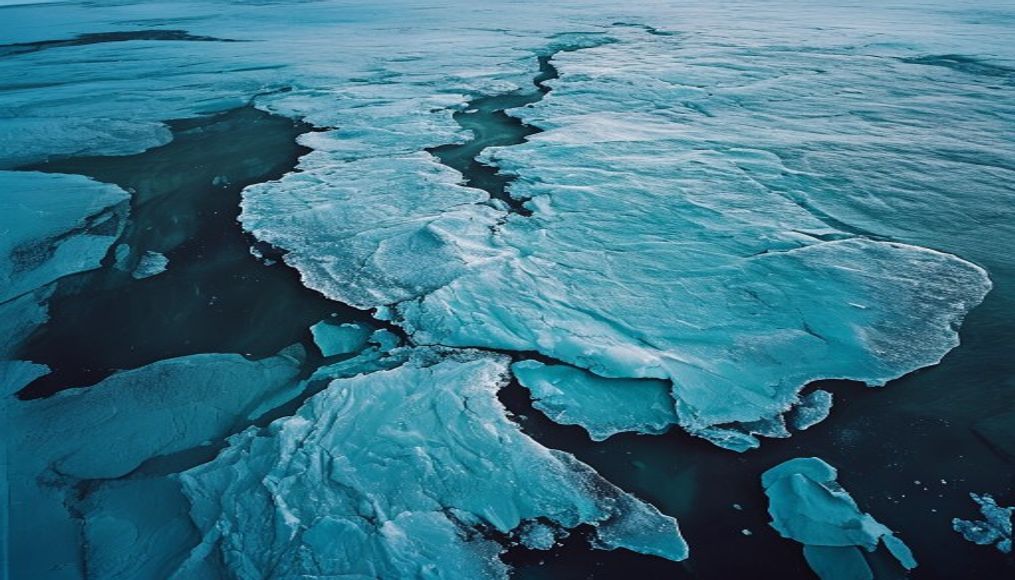
Natural ice walls on glaciers provide the setting for ice climbing, a sport combining technique and adventure in extreme environments.
About this subject
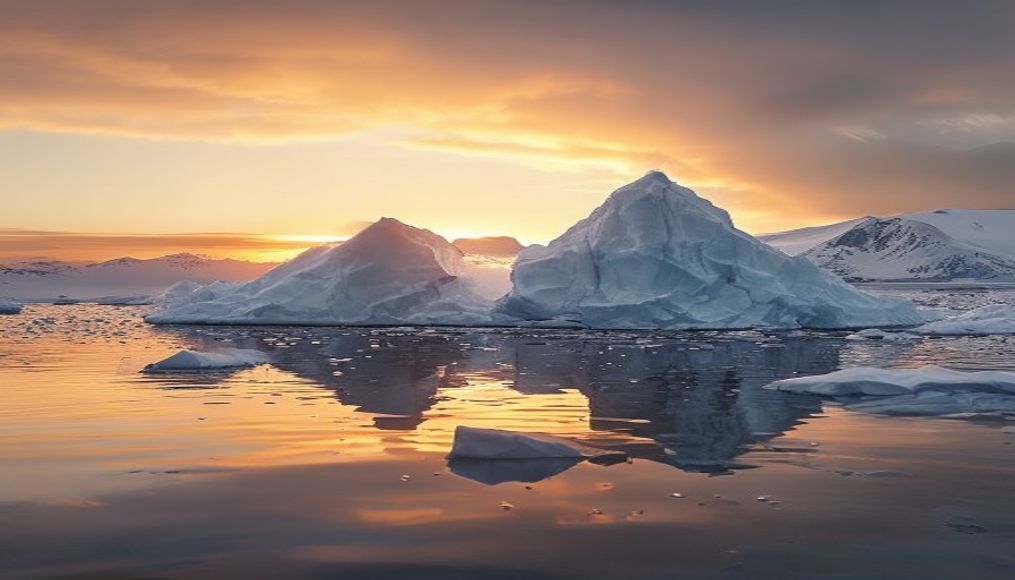
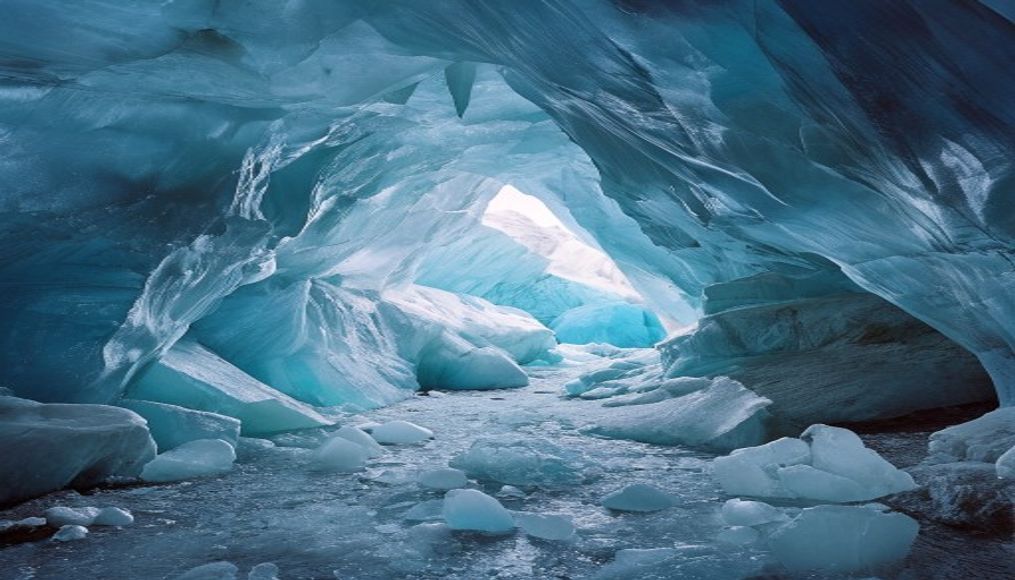
Ice climbing walls are natural formations found on glaciers, mountains, and frozen waterfalls around the world. Unlike rock faces, these structures consist of seasonal or perennial ice, requiring specialized equipment such as crampons, ice axes, and ice screws for safe progression. Ice climbing is practiced in destinations like the Khumbu Glacier in the Himalayas, the Canadian Rockies, and Chilean Patagonia, where vertical walls up to 100 meters offer technical challenges of varying difficulty grades.
The sport gained popularity in the 1970s with the development of lighter, more efficient gear. Today, competitions like the UIAA Ice Climbing World Cup take place on both artificial and natural walls, with athletes from countries such as Russia, Austria, and the United States. One of the most famous natural walls is Helmcken Falls in Canada, at 141 meters high, while the Ouray Ice Park in Colorado offers over 200 routes in a frozen canyon.
Safety is paramount: avalanches, falling ice, and anchor failure are real risks. Training includes self-rescue techniques, use of dynamic ropes, and knowledge of weather conditions. Additionally, global warming directly affects the practice, as glacial retreat reduces the availability of walls in many regions. Therefore, ice climbing is monitored by organizations like the American Alpine Club and the International Federation of Sport Climbing (IFSC).
Frequently Asked Questions
What is the best season for ice climbing?
The best season is generally winter, from November to March in the Northern Hemisphere, when temperatures are low and ice is most stable. In high-altitude regions, the season can extend into spring.
What equipment is needed to start ice climbing?
Basic equipment includes crampons, ice axes, ice screws, helmet, harness, dynamic ropes, carabiners, and waterproof, insulated clothing.
Is ice climbing dangerous?
Yes, it carries risks such as falling ice, avalanches, and anchor failure. However, with proper training, modern gear, and respect for conditions, danger can be minimized.
Direct URL
https://pub-c7d6a6ea828543ac903a74a341ccb2e1.r2.dev/imagens/ice-climbing-wall-fine-art-photography-p3.avifHow to credit
Include a visible link back to UtilizAí. Copy one of the snippets below:
<a href="https://xn--utiliza-eza.com/en/midia/imagens/ice-climbing-wall-fine-art-photography-p3">Ice climbing wall</a> by <a href="https://xn--utiliza-eza.com">UtilizAí</a>, licensed under <a href="https://creativecommons.org/licenses/by/4.0/">CC BY 4.0</a>.
[Ice climbing wall](https://xn--utiliza-eza.com/en/midia/imagens/ice-climbing-wall-fine-art-photography-p3) by [UtilizAí](https://xn--utiliza-eza.com), CC BY 4.0
License: CC-BY-4.0