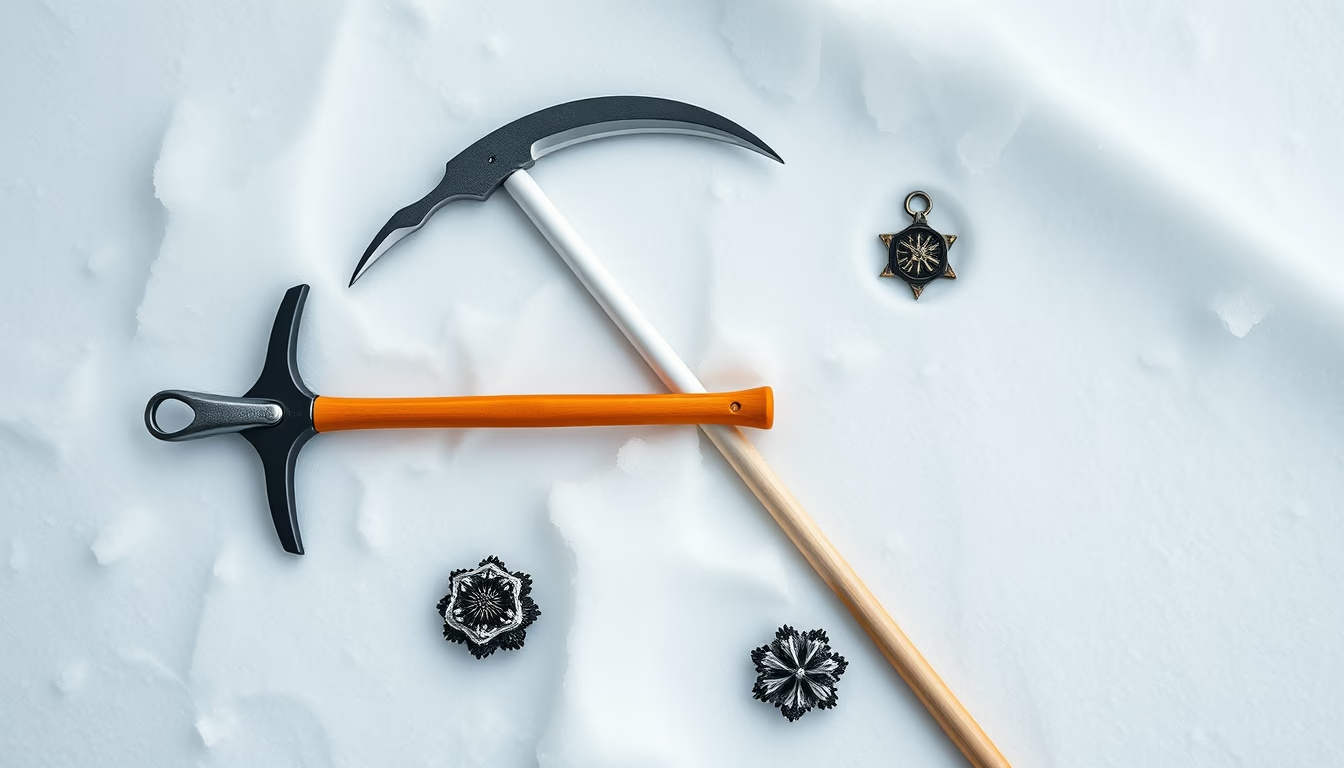
Ice axe alpine
1344×768 · AVIF · CC BY 4.0
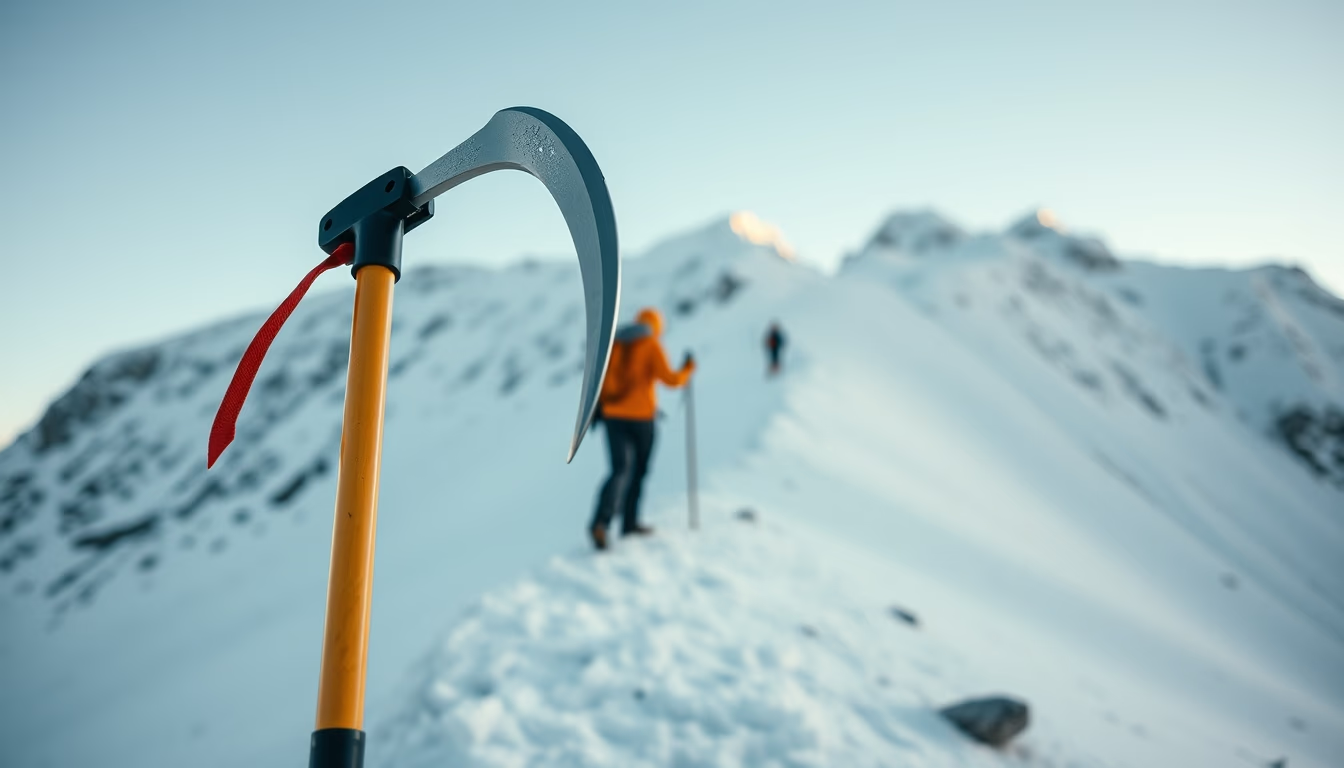
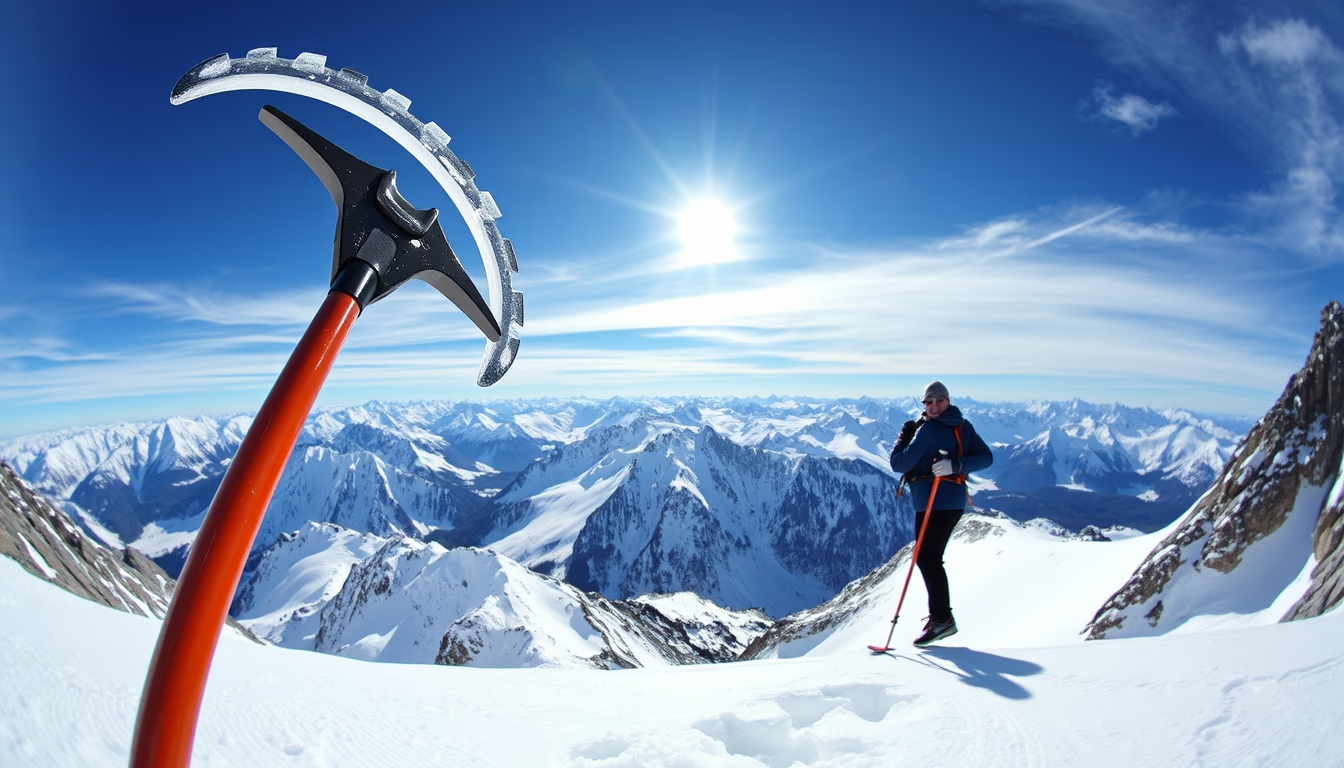
Learn about the alpine ice axe, an essential tool for mountaineering on glacial terrain and frozen slopes.
About this subject
The alpine ice axe is a fundamental piece of equipment for mountaineers facing snow, ice, and mixed terrain at high altitudes. Typically consisting of a metal shaft (stainless steel or aluminum) with a curved pick at one end and a flat adze at the opposite end, it serves both for self-arrest during falls and for cutting steps in ice. The shaft is usually between 60 and 90 cm long, and the material varies according to desired weight and strength.
Historically, the modern design of the ice axe was standardized in the early 20th century, but similar tools were already used by mountaineers in the Alps since the 18th century. The classic model, with a straight shaft and T-shaped pick, evolved into curved versions (like the technical piolet) that facilitate anchoring on vertical ice. In expeditions to the Himalayas or the Andes, the ice axe is mandatory for glacier crossings, where crevasses can be fatal.
Technical curiosity: the angle of the pick and the type of teeth directly influence efficiency on different ice consistencies. Modern ice axes often incorporate aircraft-grade aluminum shafts to reduce weight without sacrificing strength, and rubberized grips for better handling. Besides mountaineering, they are also used in avalanche rescue and self-arrest training.
Culturally, the ice axe is a symbol of classic mountaineering, immortalized in photographs of historic expeditions like the first ascent of Mount Everest (1953). In countries like Brazil, where extreme altitude mountaineering is rarer, the tool is better known among ice climbers in southern ranges or on expeditions to Mount Aconcagua in Argentina.
Frequently Asked Questions
What is the difference between an alpine ice axe and a technical ice tool?
The alpine ice axe has a longer shaft (60, 90 cm) and straight or slightly curved design, ideal for glacier travel and self-arrest. The technical ice tool has a shorter shaft (30, 50 cm) and more aggressive pick, designed for steep ice and mixed climbing.
How do you choose the correct length for an ice axe?
The length should be such that when holding the axe head with your arm hanging at your side, the pick tip reaches the middle of your ankle. This balances self-arrest efficiency and ease of use.
Is the alpine ice axe still used in modern mountaineering?
Yes, it remains mandatory for glacier crossings, firm snow ascents, and as a safety backup. Even on technical climbs, a classic ice axe is often carried for emergencies.
Direct URL
https://pub-c7d6a6ea828543ac903a74a341ccb2e1.r2.dev/imagens/ice-axe-alpine-documentary-photography-fresh1.avifHow to credit
Include a visible link back to UtilizAí. Copy one of the snippets below:
<a href="https://xn--utiliza-eza.com/en/midia/imagens/ice-axe-alpine-documentary-photography-fresh1">Ice axe alpine</a> by <a href="https://xn--utiliza-eza.com">UtilizAí</a>, licensed under <a href="https://creativecommons.org/licenses/by/4.0/">CC BY 4.0</a>.
[Ice axe alpine](https://xn--utiliza-eza.com/en/midia/imagens/ice-axe-alpine-documentary-photography-fresh1) by [UtilizAí](https://xn--utiliza-eza.com), CC BY 4.0
License: CC-BY-4.0