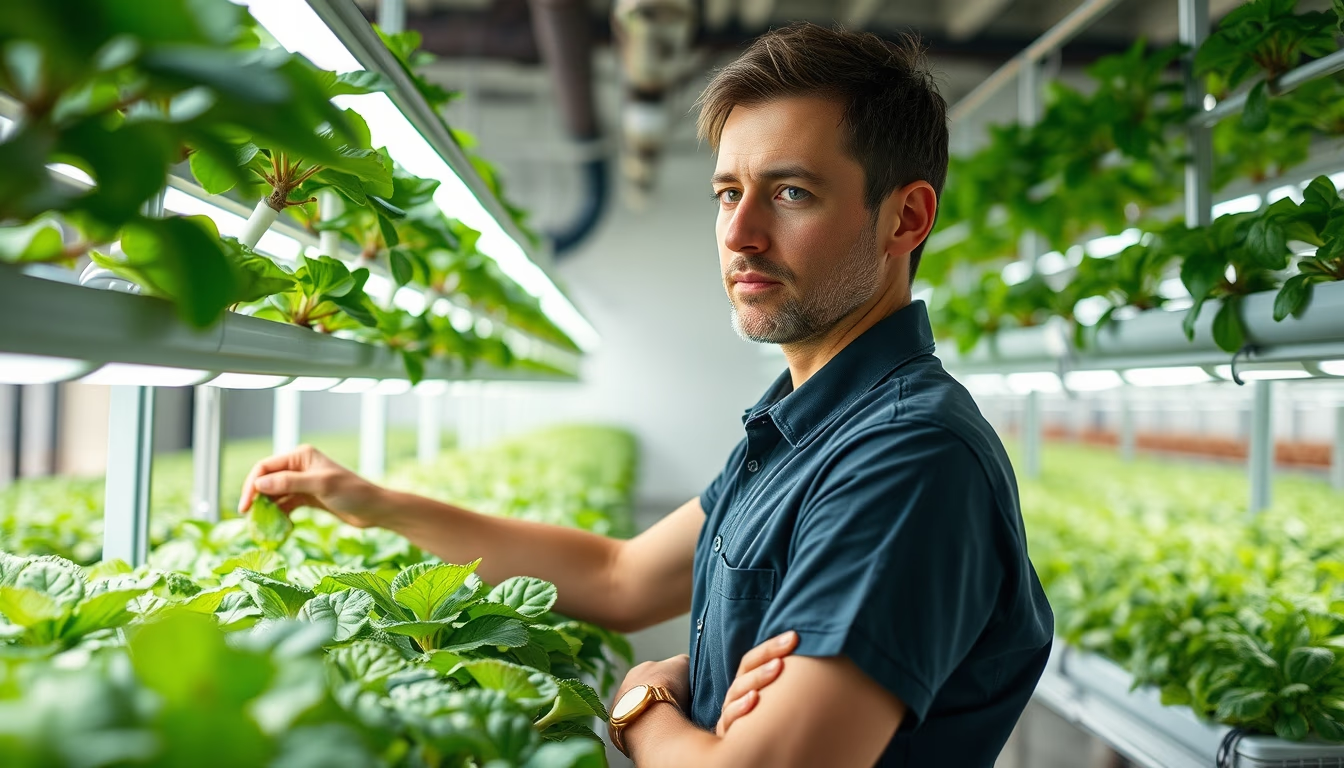
Hydroponic vertical farm
1344×768 · AVIF · CC BY 4.0
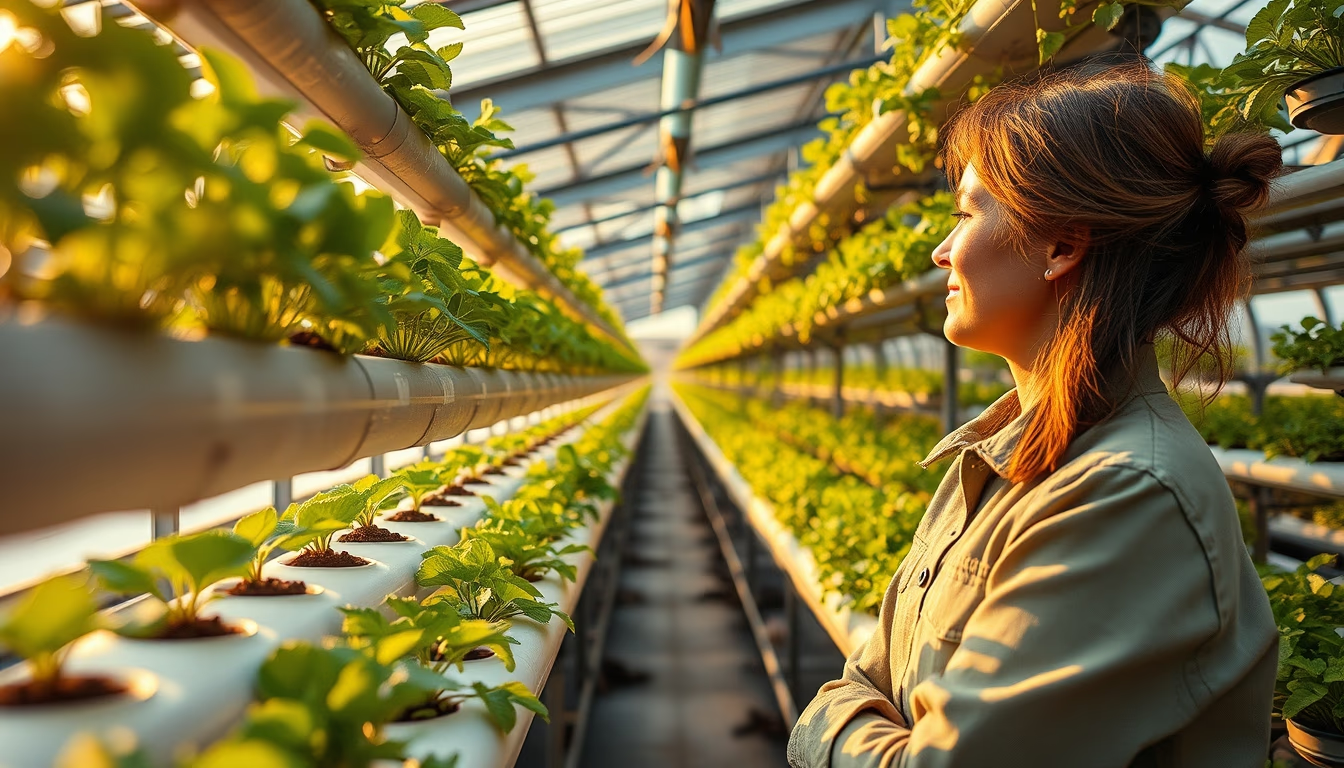
Hydroponic vertical farming: a soilless cultivation method that saves water and space, used in urban greenhouses and indoor facilities.
About this subject
Hydroponic vertical farms are cultivation systems where plants grow in stacked layers without soil, receiving nutrients dissolved in water. This method allows precise control of light, temperature, and humidity, typically using LED lighting to optimize plant growth. The absence of soil eliminates the need for herbicides and reduces disease risk, resulting in cleaner, safer food.
The technique originated from NASA research on growing food during long space missions. In the following decades, advances in automation and energy efficiency turned the concept into viable businesses. Large vertical farms like AeroFarms in Newark (US) and Plenty in California operate with hydroponic mist systems and IoT sensors, producing lettuce, herbs, and microgreens year-round.
Key benefits include using up to 95% less water than conventional agriculture, eliminating pesticides, and enabling localized urban production, reducing transport distances and carbon emissions. These farms are also independent of external weather, ensuring constant harvests even in arid regions or harsh winters. In Brazil, initiatives such as Pink Farms in São Paulo are already testing this model for organic vegetables.
Frequently Asked Questions
How does a hydroponic vertical farm work?
Plants are grown in stacked trays or towers, with roots submerged in or misted with a nutrient solution. Sensors and automated systems control lighting, irrigation, and climate to optimize growth.
Which plants can be grown in vertical hydroponics?
Leafy greens like lettuce, arugula, and spinach are most common, along with herbs, microgreens, and strawberries. Medium-sized crops such as cherry tomatoes are also feasible in adapted systems.
What are the economic advantages of vertical hydroponic farming?
Although initial investment is high, productivity per square meter is greater, harvests are continuous, and water and pesticide costs are lower. Proximity to urban consumers enables competitive pricing and fresh produce.
Direct URL
https://pub-c7d6a6ea828543ac903a74a341ccb2e1.r2.dev/imagens/hydroponic-vertical-farm-travel-photography-p0.avifHow to credit
Include a visible link back to UtilizAí. Copy one of the snippets below:
<a href="https://xn--utiliza-eza.com/en/midia/imagens/hydroponic-vertical-farm-travel-photography-p0">Hydroponic vertical farm</a> by <a href="https://xn--utiliza-eza.com">UtilizAí</a>, licensed under <a href="https://creativecommons.org/licenses/by/4.0/">CC BY 4.0</a>.
[Hydroponic vertical farm](https://xn--utiliza-eza.com/en/midia/imagens/hydroponic-vertical-farm-travel-photography-p0) by [UtilizAí](https://xn--utiliza-eza.com), CC BY 4.0
License: CC-BY-4.0