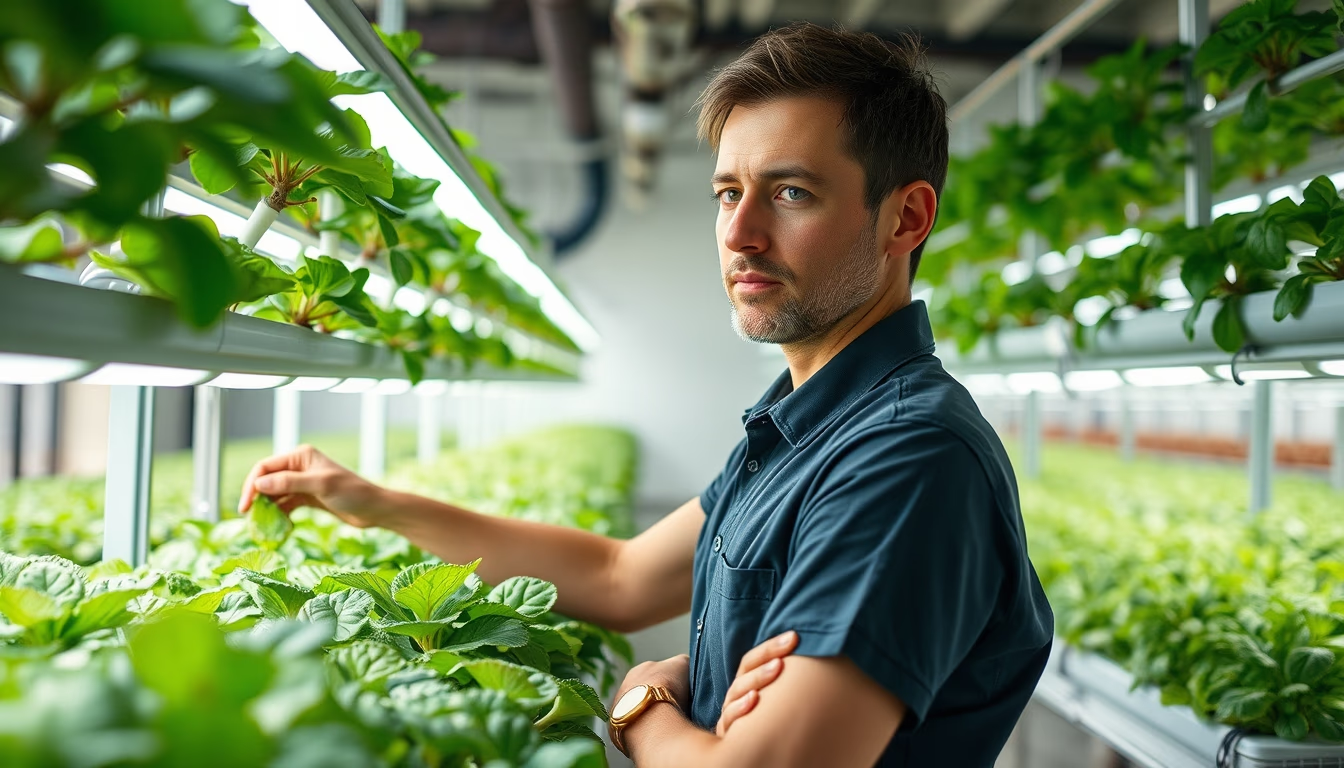
Hydroponic vertical farm
1344×768 · AVIF · CC BY 4.0
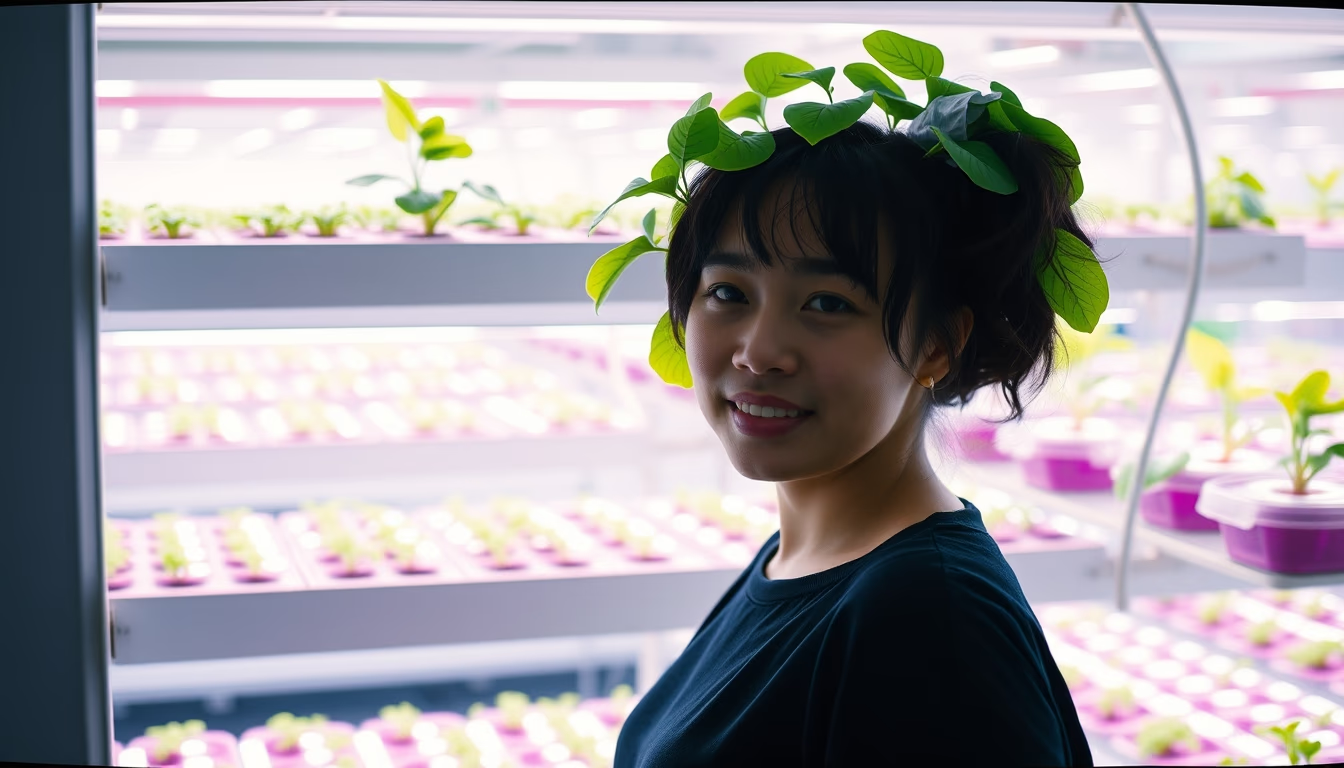
Fazendas verticais hidropônicas cultivam plantas sem solo, empilhadas em camadas verticais, usando soluções nutritivas e iluminação LED.
Sobre o tema
As fazendas verticais hidropônicas representam uma inovação na agricultura urbana, permitindo o cultivo de alimentos em ambientes controlados, sem a necessidade de solo. Nesse sistema, as plantas são dispostas em torres ou prateleiras verticais, e suas raízes recebem uma solução rica em nutrientes dissolvidos em água. A iluminação artificial, geralmente por LEDs de espectro específico, substitui a luz solar, otimizando a fotossíntese e acelerando o crescimento.
O método hidropônico vertical surgiu como resposta à crescente demanda por alimentos em áreas urbanas densamente povoadas, onde o espaço horizontal é escasso. Empresas como a AeroFarms e a Plenty popularizaram o conceito, construindo instalações que produzem alfaces, ervas e morangos o ano todo, independentemente do clima externo. Essas fazendas consomem até 95% menos água que a agricultura tradicional, pois a água é reciclada continuamente, e dispensam pesticidas, já que o ambiente fechado reduz a incidência de pragas.
A tecnologia de hidroponia vertical também contribui para a redução da pegada de carbono dos alimentos. Ao produzir perto dos centros consumidores, elimina-se grande parte do transporte e da refrigeração necessários na cadeia logística convencional. No Brasil, startups como a Pink Farms e a BeGreen já operam fazendas verticais em São Paulo e Rio de Janeiro, fornecendo verduras frescas para supermercados e restaurantes locais.
Apesar dos benefícios, o custo energético da iluminação LED e o alto investimento inicial ainda são desafios para a expansão em larga escala. Pesquisas em agricultura vertical buscam reduzir o consumo de energia com LEDs mais eficientes e integrar fontes renováveis, como painéis solares, para tornar o sistema mais sustentável economicamente.
Perguntas frequentes
O que é uma fazenda vertical hidropônica?
É um sistema de cultivo em camadas verticais que utiliza solução nutritiva em vez de solo, com iluminação artificial LED, permitindo produzir alimentos em ambientes fechados e controlados.
Quais são as principais vantagens da hidroponia vertical?
Economia de água de até 95%, eliminação de pesticidas, produção o ano todo independente do clima, e redução do transporte por estar próxima aos centros urbanos.
Existem fazendas verticais no Brasil?
Sim, startups como Pink Farms e BeGreen operam fazendas verticais em São Paulo e Rio de Janeiro, fornecendo verduras frescas para o mercado local.
URL direta
https://pub-c7d6a6ea828543ac903a74a341ccb2e1.r2.dev/imagens/hydroponic-vertical-farm-lo-fi-disposable-camera-p5.avifComo creditar
Inclua um link visível de volta pro UtilizAí. Copie um dos snippets abaixo:
<a href="https://xn--utiliza-eza.com/midia/imagens/hydroponic-vertical-farm-lo-fi-disposable-camera-p5">Hydroponic vertical farm</a> by <a href="https://xn--utiliza-eza.com">UtilizAí</a>, licensed under <a href="https://creativecommons.org/licenses/by/4.0/">CC BY 4.0</a>.
[Hydroponic vertical farm](https://xn--utiliza-eza.com/midia/imagens/hydroponic-vertical-farm-lo-fi-disposable-camera-p5) by [UtilizAí](https://xn--utiliza-eza.com), CC BY 4.0
Licença: CC-BY-4.0