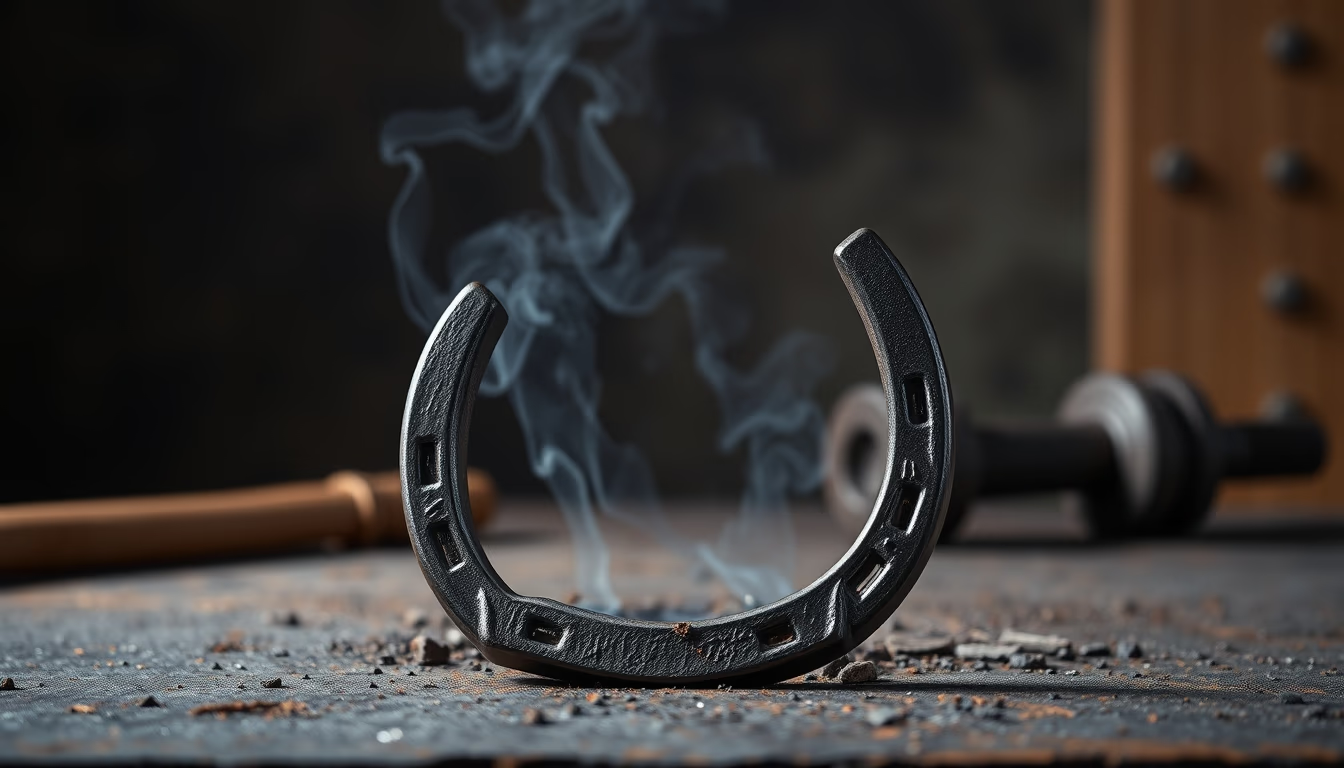
Horse bridle reins
1344×768 · AVIF · CC BY 4.0

Bridle reins are essential components of horse riding equipment, allowing the rider to communicate direct commands to the animal.
About this subject
Bridle reins are a critical part of horse tack, connecting the rider's hand to the bit or the halter. Traditionally made of leather, they can also be crafted from rope, nylon, or synthetic materials, each serving specific purposes. Leather offers durability and molds to the rider's grip, while rope is common in natural horsemanship, providing greater sensitivity and lightness.
There are various types of reins, such as plain snaffle reins used in classical riding and pleasure riding, and double reins (bradoon and curb) employed in dressage and haute école. In Western riding, reins are longer and often tied into a specific knot to allow one-handed control. For polo, reins are short for quick responses.
Historically, the use of reins dates back to the domestication of horses about 5,000 years ago. In medieval Europe, ornate reins with precious metals indicated the rider's wealth. In Brazil, braided leather reins are typical of the gaucho tradition, used both in cattle work and in lasso competitions.
An often overlooked aspect is how the weight and length of the reins influence communication. Ideal length varies by discipline: in classical riding, reins should form a straight line from bit to hand, while in Western riding there is slack to allow the horse to move freely. The rider's sensitivity, cultivated over time, transforms the reins into a subtle channel of commands.
Frequently Asked Questions
What is the difference between bridle reins and halter reins?
Bridle reins are used with a bit in the horse's mouth, allowing more direct control through pressure and release. Halter reins attach to a halter (no bit) and are typical for leading on foot or natural horsemanship, requiring less pressure.
How to choose the right reins for my horse?
The choice depends on the discipline and the horse's sensitivity. Leather reins are durable and comfortable for general use. Rope reins are suitable for horses with a sensitive mouth as they offer a lighter touch. The length should allow soft contact without forcing the horse.
What materials are riding reins usually made of?
Common materials include leather, rope (usually paraffin or polyester), nylon, and biothane (synthetic leather). Leather is traditional and tough, while rope provides lightness and is easy to clean. For competitions, finished or braided leather reins are preferred.
Direct URL
https://pub-c7d6a6ea828543ac903a74a341ccb2e1.r2.dev/imagens/horse-bridle-reins-studio-editorial-portrait-fresh7.avifHow to credit
Include a visible link back to UtilizAí. Copy one of the snippets below:
<a href="https://xn--utiliza-eza.com/en/midia/imagens/horse-bridle-reins-studio-editorial-portrait-fresh7">Horse bridle reins</a> by <a href="https://xn--utiliza-eza.com">UtilizAí</a>, licensed under <a href="https://creativecommons.org/licenses/by/4.0/">CC BY 4.0</a>.
[Horse bridle reins](https://xn--utiliza-eza.com/en/midia/imagens/horse-bridle-reins-studio-editorial-portrait-fresh7) by [UtilizAí](https://xn--utiliza-eza.com), CC BY 4.0
License: CC-BY-4.0