Western saddle leather
1344×768 · AVIF · CC BY 4.0
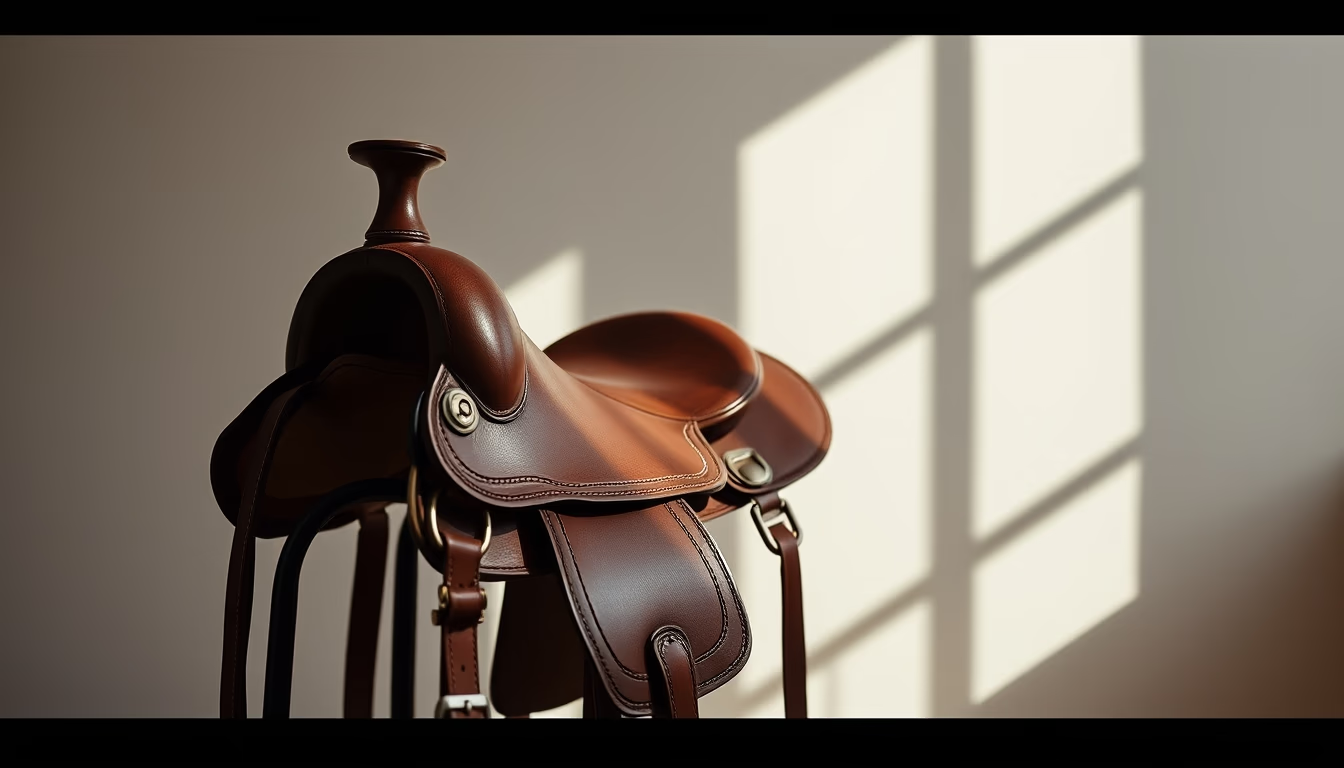
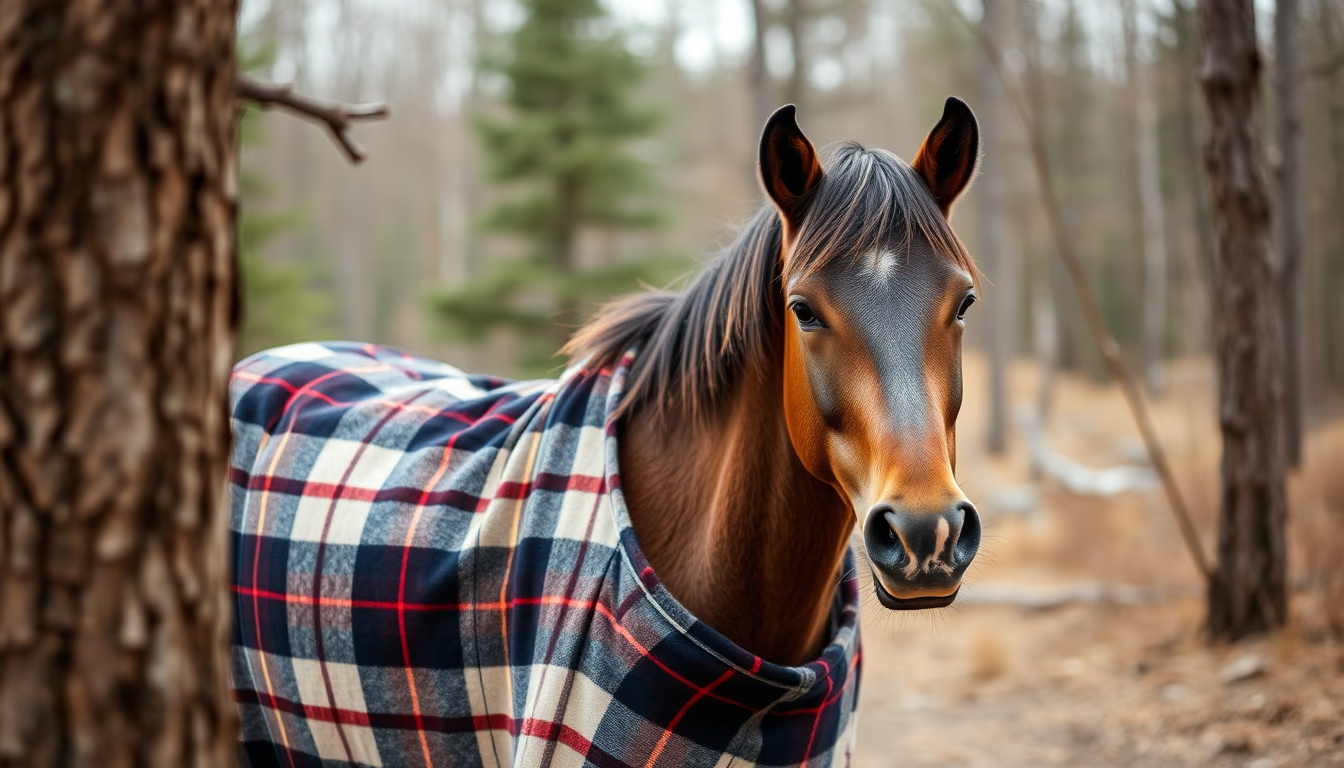
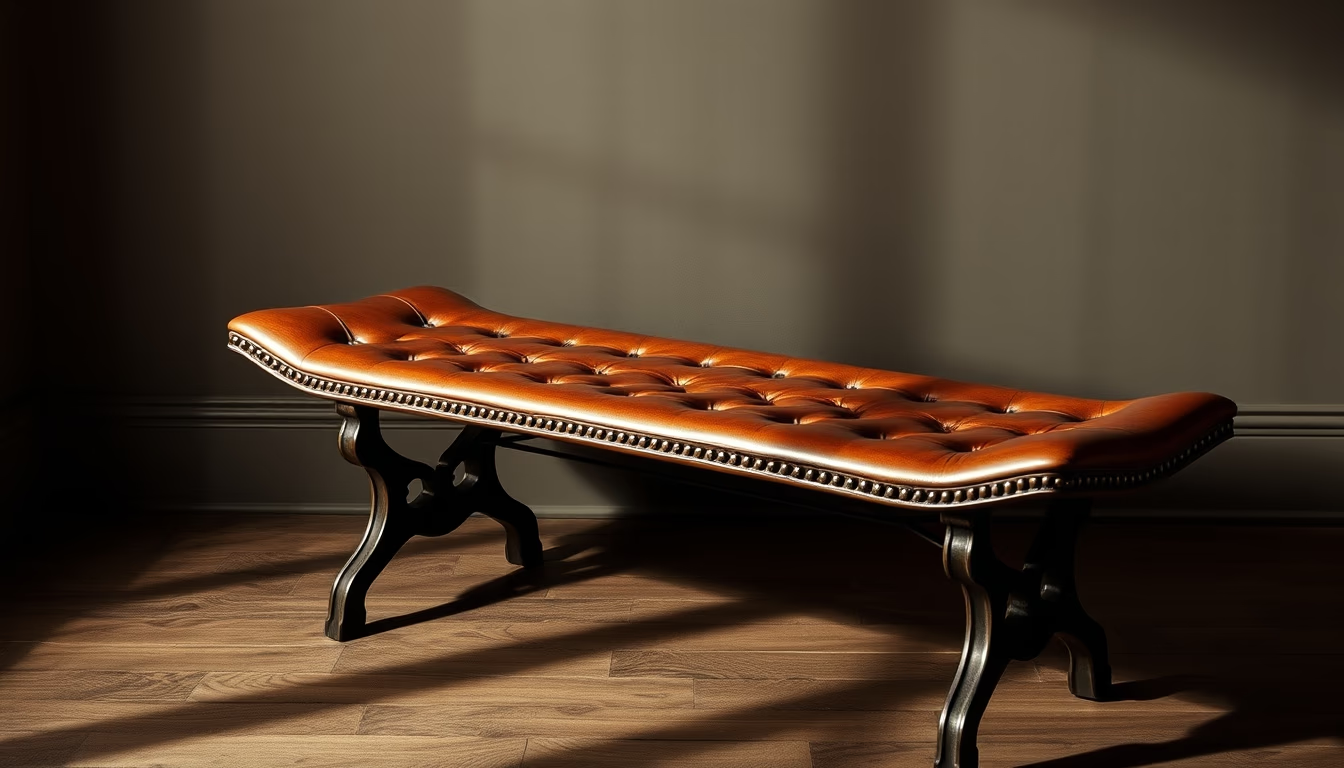
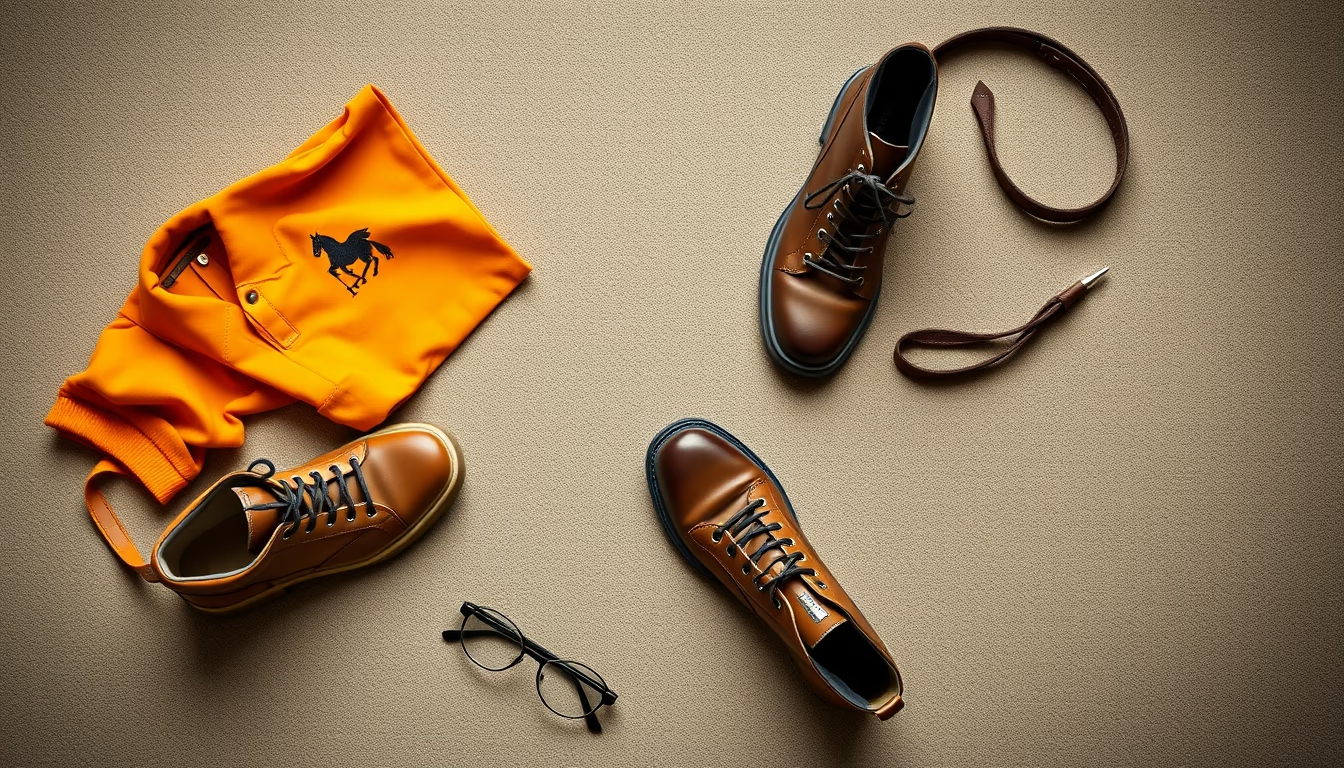
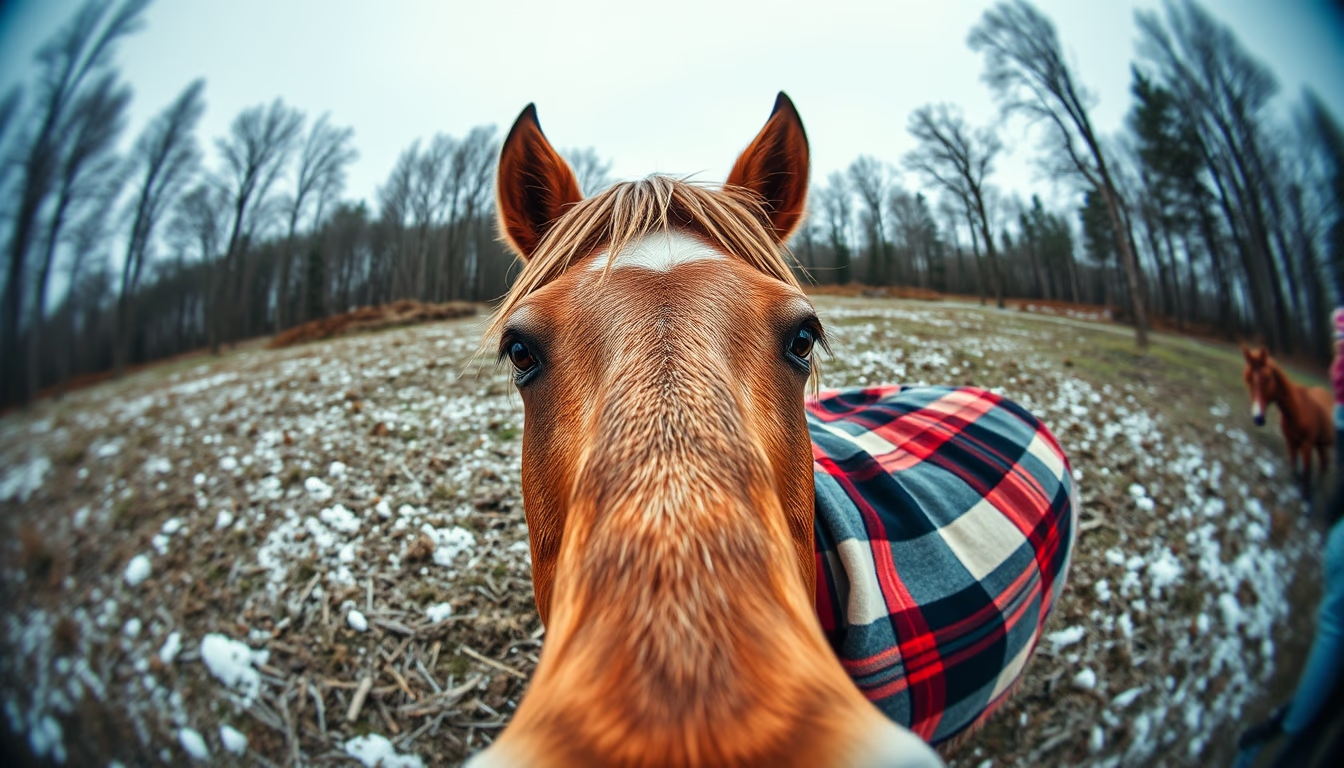
Western saddle leather: types, tanning, and care for durability on ranches and in rodeos.
About this subject
Western saddle leather is primarily made from cowhide, chosen for its strength and flexibility. Chrome tanning is most common, offering durability and water resistance, while vegetable tanning is used in high-end handmade saddles, allowing for intricate carving and tooling. The thickness ranges from 7 to 10 ounces (approx. 2.8 to 4 mm) to support rider and tack.
The manufacturing process involves selecting hides without defects, precise cutting, and stitching with polyester or waxed linen thread. Western saddles, used in bull riding or ranch cutting, require leather resistant to tearing, sweat, and sunlight. Top-grain leather is common for luxury saddles, while full-grain is preferred for daily ranch work.
Historically, western saddle leather stems from Mexican vaquero and US cowboy traditions, adapted for long rides and cattle work. Today, buffalo (carneiro) and goat leather are also used for secondary parts like stirrups and headstalls, but cowhide remains standard. Regular maintenance with saddle soap and oils such as mink or oxgall preserves flexibility and prevents drying.
A fun fact: vegetable-tanned leather saddles can temporarily soften under high heat but regain shape when cooled. The value of a western saddle often lies in leather quality and handwork: saddles by renowned craftsmen can cost over USD 4,000.
Frequently Asked Questions
What is the difference between chrome and vegetable tanning for saddle leather?
Chrome tanning is faster, producing soft, water-resistant leather ideal for frequent use. Vegetable tanning is more eco-friendly, yielding firm leather suitable for carving, but requires more care against moisture.
How do I clean and condition western saddle leather?
Use saddle soap applied with a damp cloth to remove dirt and sweat. Then apply a conditioner based on mink oil or oxgall, avoiding excess which can make the leather sticky.
Why is cowhide preferred for western saddles?
Cowhide offers high tensile strength, abrasion resistance, good cost-effectiveness, and availability. Its thickness and texture are ideal for supporting the rider's weight and the stresses of cattle work.
Direct URL
https://pub-c7d6a6ea828543ac903a74a341ccb2e1.r2.dev/imagens/western-saddle-leather-minimalist-composition-fresh18.avifHow to credit
Include a visible link back to UtilizAí. Copy one of the snippets below:
<a href="https://xn--utiliza-eza.com/en/midia/imagens/western-saddle-leather-minimalist-composition-fresh18">Western saddle leather</a> by <a href="https://xn--utiliza-eza.com">UtilizAí</a>, licensed under <a href="https://creativecommons.org/licenses/by/4.0/">CC BY 4.0</a>.
[Western saddle leather](https://xn--utiliza-eza.com/en/midia/imagens/western-saddle-leather-minimalist-composition-fresh18) by [UtilizAí](https://xn--utiliza-eza.com), CC BY 4.0
License: CC-BY-4.0