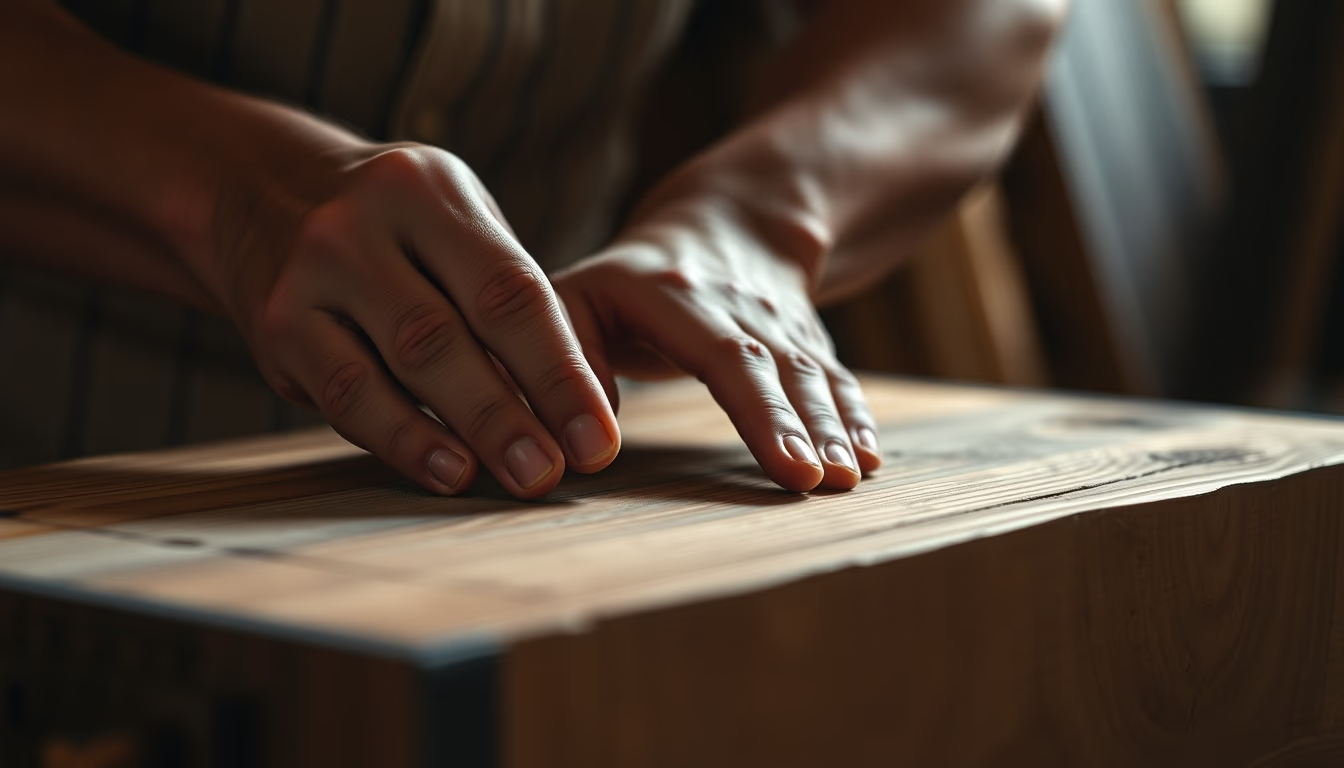
Hand carved chest cedar
1344×768 · AVIF · CC BY 4.0
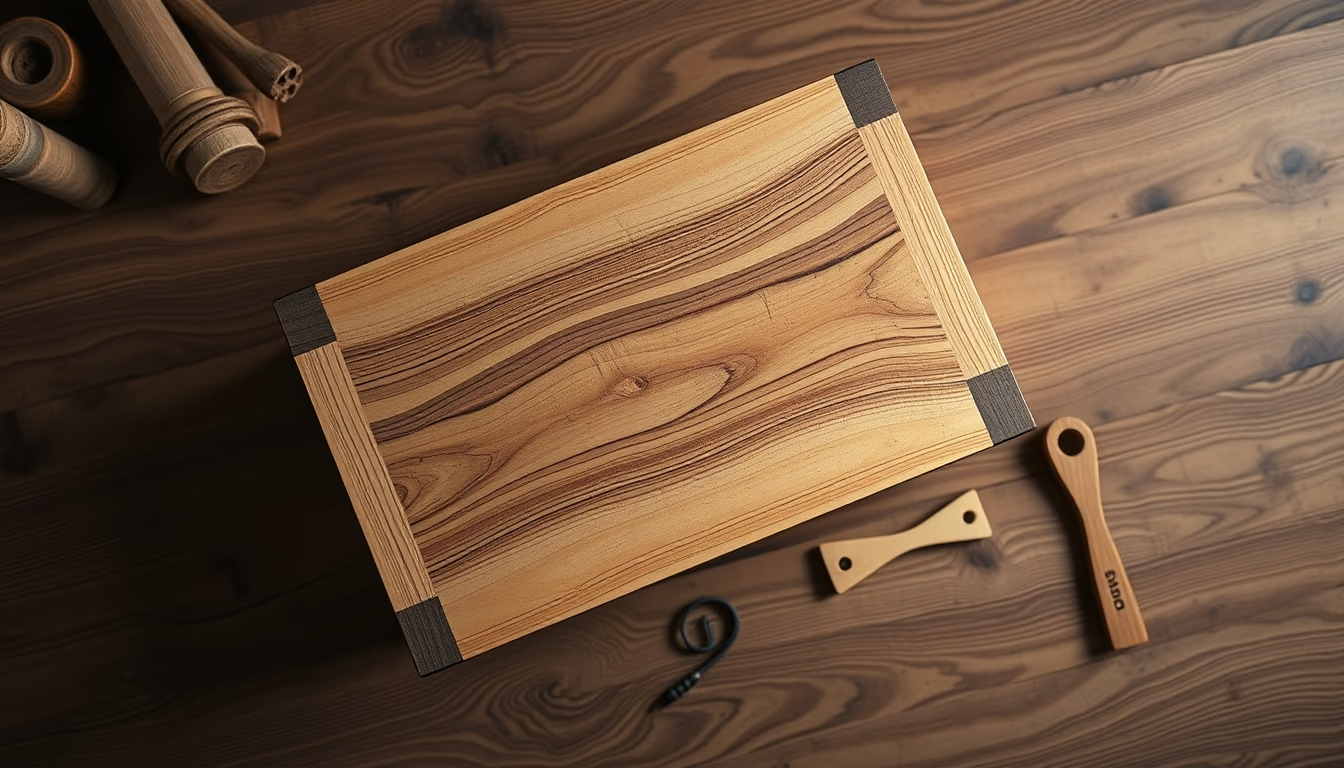
Hand-carved cedar chest combines artisan tradition with the durability and distinctive aroma of premium wood.
About this subject
The hand-carved cedar chest is a piece of furniture with centuries of history. Cedar, especially species like Cedrela fissilis or Spanish cedar, is prized for its natural resistance to termites and its pleasant aroma, which repels moths and other insects. For this reason, these chests were traditionally used to store clothing, linens, and important documents, particularly in tropical regions such as Brazil. The manual carving technique, passed down through generations of woodworkers, allows for detailed reliefs ranging from floral motifs to scenes of daily life.
In Brazil, the production of cedar chests gained prominence in the South and Southeast states, where European immigration brought influences from styles like Baroque and Art Nouveau. Each piece is unique, as hand carving depends on the artisan's skill and the natural grain of the wood. Beyond functionality, the chest often becomes a family heirloom, carrying the stories of generations. Today, there is a resurgence of interest in handmade furniture, driven by the search for sustainability and appreciation of manual work.
From a technical perspective, crafting a cedar chest involves selecting high-density logs, cutting them into boards, controlled drying, and carving with chisels and gouges. The finish typically uses natural wax or matte varnish to preserve the wood's texture. The lid, often domed, requires precise joinery to maintain a seal against dust and moisture. A curiosity: cedar's aroma can last for decades and is refreshed with light sanding and essential oil application.
Culturally, the cedar chest was once an essential item in bridal trousseaus in many Brazilian communities, symbolizing the protection of family assets. Today, besides being a decorative piece, it is used in meditation spaces or as a focal point in living rooms and bedrooms. The combination of utility, beauty, and history makes this object a testament to fine woodworking artistry.
Frequently Asked Questions
Why is cedar used for making chests?
Cedar is resistant to termites, fungi, and moths, and has a lasting aroma that repels insects. These properties protect stored clothes and documents, making it ideal for long-term storage.
What is the difference between a hand-carved and an industrial chest?
Hand-carved chests are made by artisans using hand tools, resulting in unique pieces with personalized details. Industrial chests are mass-produced with machines, losing individuality and often using lower-quality materials.
How to maintain a cedar chest?
Avoid direct sunlight and excessive humidity. Clean with a dry or slightly damp cloth without chemicals. To refresh the aroma, lightly sand and apply cedar essential oil. Keep it ventilated and away from heat sources.
Direct URL
https://pub-c7d6a6ea828543ac903a74a341ccb2e1.r2.dev/imagens/hand-carved-chest-cedar-isometric-flat-lay-fresh13.avifHow to credit
Include a visible link back to UtilizAí. Copy one of the snippets below:
<a href="https://xn--utiliza-eza.com/en/midia/imagens/hand-carved-chest-cedar-isometric-flat-lay-fresh13">Hand carved chest cedar</a> by <a href="https://xn--utiliza-eza.com">UtilizAí</a>, licensed under <a href="https://creativecommons.org/licenses/by/4.0/">CC BY 4.0</a>.
[Hand carved chest cedar](https://xn--utiliza-eza.com/en/midia/imagens/hand-carved-chest-cedar-isometric-flat-lay-fresh13) by [UtilizAí](https://xn--utiliza-eza.com), CC BY 4.0
License: CC-BY-4.0