Gong large bronze
1344×768 · AVIF · CC BY 4.0
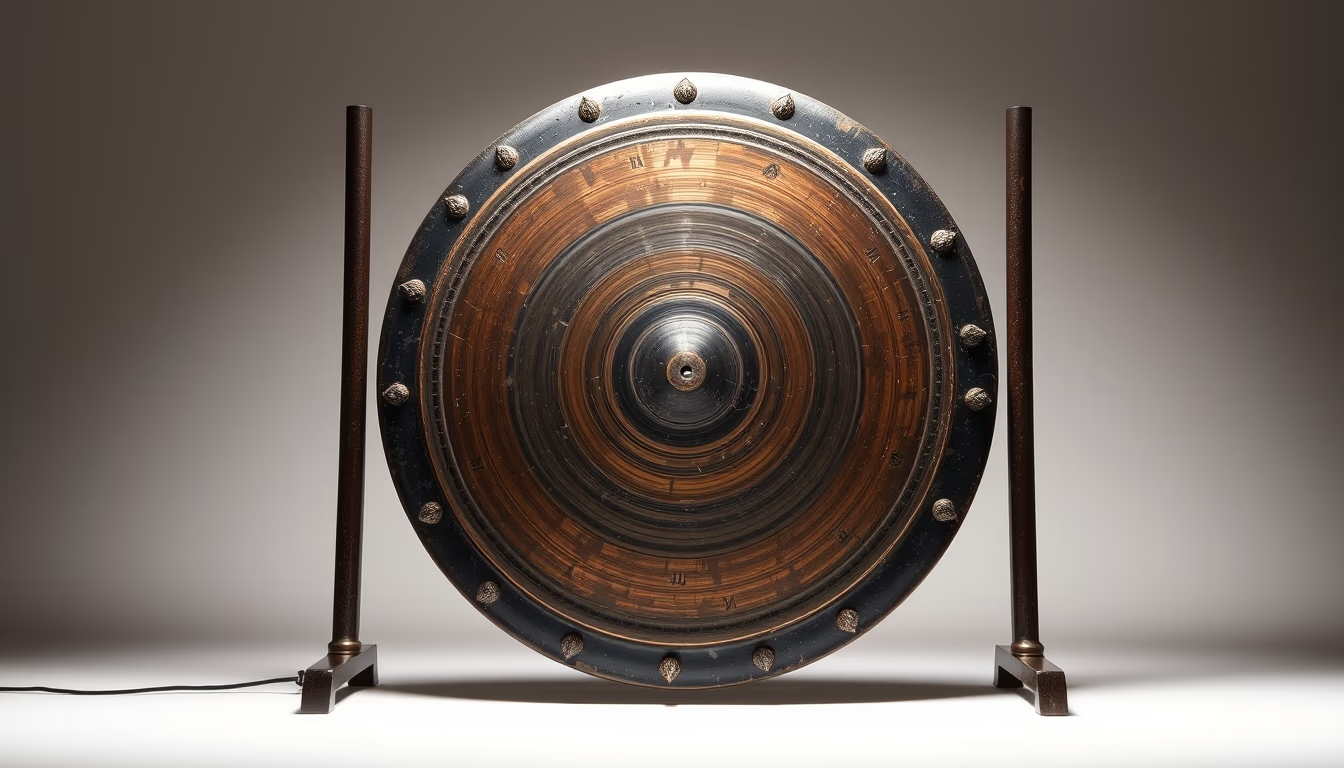
Um gongo grande de bronze, instrumento de percussão milenar originário do Sudeste Asiático, com aplicações em rituais, música clássica e orquestras sinfônicas.
Sobre o tema
O gongo de bronze é um instrumento de percussão que remonta a mais de dois mil anos, com origens no Sudeste Asiático, especialmente na China, Birmânia e Indonésia. Tradicionalmente fabricado a partir de uma liga de bronze (cobre e estanho), o gongo produz um som profundo e ressonante quando percutido com uma baqueta. Sua confecção exige habilidade artesanal: o metal é fundido, forjado e martelado para atingir a espessura e curvatura ideais. Cada gongo tem um timbre único, dependendo do tamanho, espessura e tratamento da superfície.
Na cultura asiática, os gongos têm papel central em cerimônias religiosas, como no Budismo e Taoísmo, onde são usados para marcar o início de meditações ou rituais. No Sudeste Asiático, especialmente nas culturas javanesa e balinesa, os gongos são parte essencial do gamelão, um conjunto instrumental que acompanha danças e teatros tradicionais. O gongo grande, muitas vezes chamado de gongo agung, possui um som grave e prolongado, diferente dos menores que produzem sons mais agudos.
No Ocidente, o gongo foi incorporado à música clássica a partir do século XVIII, com destaque para obras de compositores como Richard Wagner, que utilizou gongos para evocar atmosferas dramáticas em suas óperas. Hoje, é comum em orquestras sinfônicas, bandas de música contemporânea e até mesmo em trilhas sonoras de filmes. Além disso, os gongos são empregados em práticas de terapia sonora, pois suas vibrações são associadas à redução do estresse e à meditação.
Há diferentes tipos de gongos, como o gongo chinês (tam-tam), que tem borda virada para baixo, e o gongo javanês, que possui um mamelão central. Os grandes bronze gongos, como o da imagem, podem ter mais de um metro de diâmetro e pesar dezenas de quilos. A técnica de execução varia desde golpes suaves a ataques vigorosos, permitindo uma ampla gama de dinâmicas e texturas sonoras. O gongo é, portanto, um instrumento versátil e carregado de simbolismo, unindo tradição e inovação musical.
Perguntas frequentes
Qual a origem do gongo de bronze?
O gongo de bronze tem origem no Sudeste Asiático, com registros de uso na China, Birmânia e Indonésia há mais de dois mil anos.
Para que o gongo é utilizado na música clássica ocidental?
Na música clássica ocidental, o gongo é usado para efeitos dramáticos e atmosféricos, como nas óperas de Richard Wagner, e em orquestras sinfônicas para adicionar profundidade sonora.
Qual a diferença entre um gongo e um tam-tam?
O tam-tam é um tipo específico de gongo chinês, com borda virada para baixo e som mais explosivo, enquanto o gongo tradicional tem borda lisa e som mais sustentado.
URL direta
https://pub-c7d6a6ea828543ac903a74a341ccb2e1.r2.dev/imagens/gong-large-bronze-studio-still-life-p11.avifComo creditar
Inclua um link visível de volta pro UtilizAí. Copie um dos snippets abaixo:
<a href="https://xn--utiliza-eza.com/midia/imagens/gong-large-bronze-studio-still-life-p11">Gong large bronze</a> by <a href="https://xn--utiliza-eza.com">UtilizAí</a>, licensed under <a href="https://creativecommons.org/licenses/by/4.0/">CC BY 4.0</a>.
[Gong large bronze](https://xn--utiliza-eza.com/midia/imagens/gong-large-bronze-studio-still-life-p11) by [UtilizAí](https://xn--utiliza-eza.com), CC BY 4.0
Licença: CC-BY-4.0