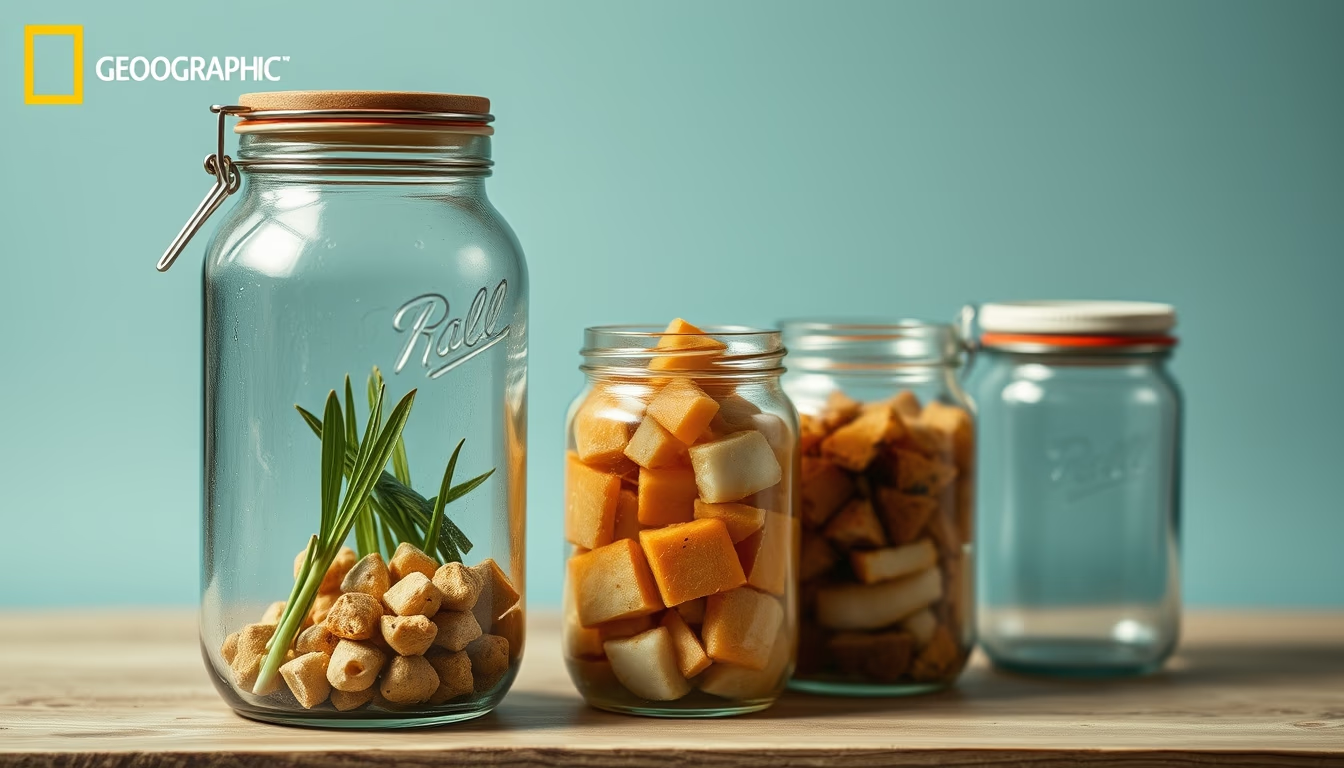
Glass jars zero waste
1344×768 · AVIF · CC BY 4.0
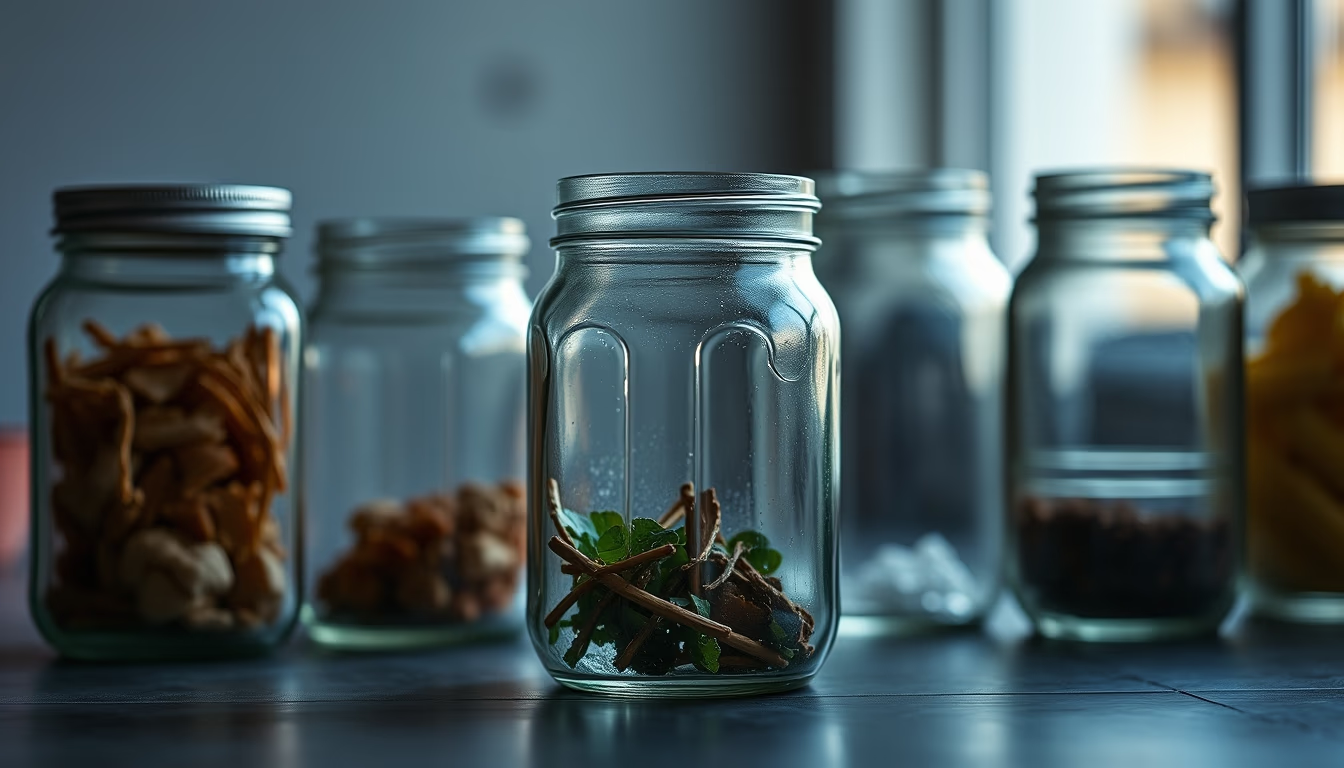
Vidros reutilizáveis são pilares do movimento zero waste, substituindo plásticos descartáveis e reduzindo o lixo doméstico.
Sobre o tema
Os potes de vidro, tradicionalmente usados para conservas e armazenamento, ganharam novo protagonismo com o movimento zero waste. Diferentemente do plástico, o vidro é 100% reciclável e pode ser reutilizado inúmeras vezes sem perder qualidade. Estima-se que uma embalagem de vidro pode ser reciclada infinitamente, enquanto o plástico perde propriedades a cada ciclo. No Brasil, a taxa de reciclagem de vidro gira em torno de 47%, segundo dados da Associação Brasileira de Vidro (Abividro), ainda abaixo do potencial. Adotar potes de vidro no dia a dia reduz a demanda por novos recipientes e diminui a pegada de carbono associada à produção de plásticos.
O uso de vidro para armazenar alimentos não é novidade. Civilizações antigas, como os romanos e egípcios, já fabricavam recipientes de vidro para conservar óleos, vinhos e grãos. Hoje, os potes de vidro são revalorizados na cultura do minimalismo e da sustentabilidade. Eles substituem embalagens descartáveis de mercado, como sacos plásticos e potes de iogurte, permitindo compras a granel e refeições preparadas em casa. A prática conhecida como "batch cooking" ganha eficiência com potes de vidro organizados na geladeira ou despensa.
Além do benefício ambiental, os potes de vidro oferecem vantagens práticas. Eles não retêm odores ou manchas como o plástico, são seguros para micro-ondas e lava-louças e mantêm os alimentos frescos por mais tempo. O vidro é inerte, não liberando substâncias químicas como o BPA encontrado em alguns plásticos. Para quem busca um estilo de vida sem desperdício, investir em um conjunto de potes de vidro de diferentes tamanhos é um primeiro passo acessível e durável.
Curiosidade: uma única garrafa de vidro descartada leva cerca de 4 mil anos para se decompor na natureza, mas se reciclada economiza energia equivalente a 30% da produção de vidro novo. Por isso, a reutilização é ainda mais eficiente que a reciclagem. O movimento zero waste incentiva dar prioridade à redução e reutilização, colocando os potes de vidro como ferramentas essenciais para uma casa livre de lixo.
Perguntas frequentes
Por que usar potes de vidro em vez de plástico no movimento zero waste?
O vidro é mais durável, não libera toxinas como o BPA e pode ser reutilizado infinitamente sem perder qualidade, enquanto o plástico se degrada e geralmente vai para aterros após alguns usos.
Onde posso comprar potes de vidro para começar o zero waste?
Eles são encontrados em lojas de produtos naturais, mercados a granel, lojas de utensílios domésticos e até em brechós. Aproveitar potes de alimentos comprados (como molhos e conservas) é uma opção gratuita.
Os potes de vidro são realmente mais sustentáveis que os de plástico?
Sim, desde que reutilizados. A produção de vidro consome mais energia, mas a longevidade e a reciclabilidade infinita compensam. No zero waste, o foco é reutilizar o que já existe, reduzindo a necessidade de novos recursos.
URL direta
https://pub-c7d6a6ea828543ac903a74a341ccb2e1.r2.dev/imagens/glass-jars-zero-waste-fine-art-photography-p1.avifComo creditar
Inclua um link visível de volta pro UtilizAí. Copie um dos snippets abaixo:
<a href="https://xn--utiliza-eza.com/midia/imagens/glass-jars-zero-waste-fine-art-photography-p1">Glass jars zero waste</a> by <a href="https://xn--utiliza-eza.com">UtilizAí</a>, licensed under <a href="https://creativecommons.org/licenses/by/4.0/">CC BY 4.0</a>.
[Glass jars zero waste](https://xn--utiliza-eza.com/midia/imagens/glass-jars-zero-waste-fine-art-photography-p1) by [UtilizAí](https://xn--utiliza-eza.com), CC BY 4.0
Licença: CC-BY-4.0