Glass jars zero waste
1344×768 · AVIF · CC BY 4.0
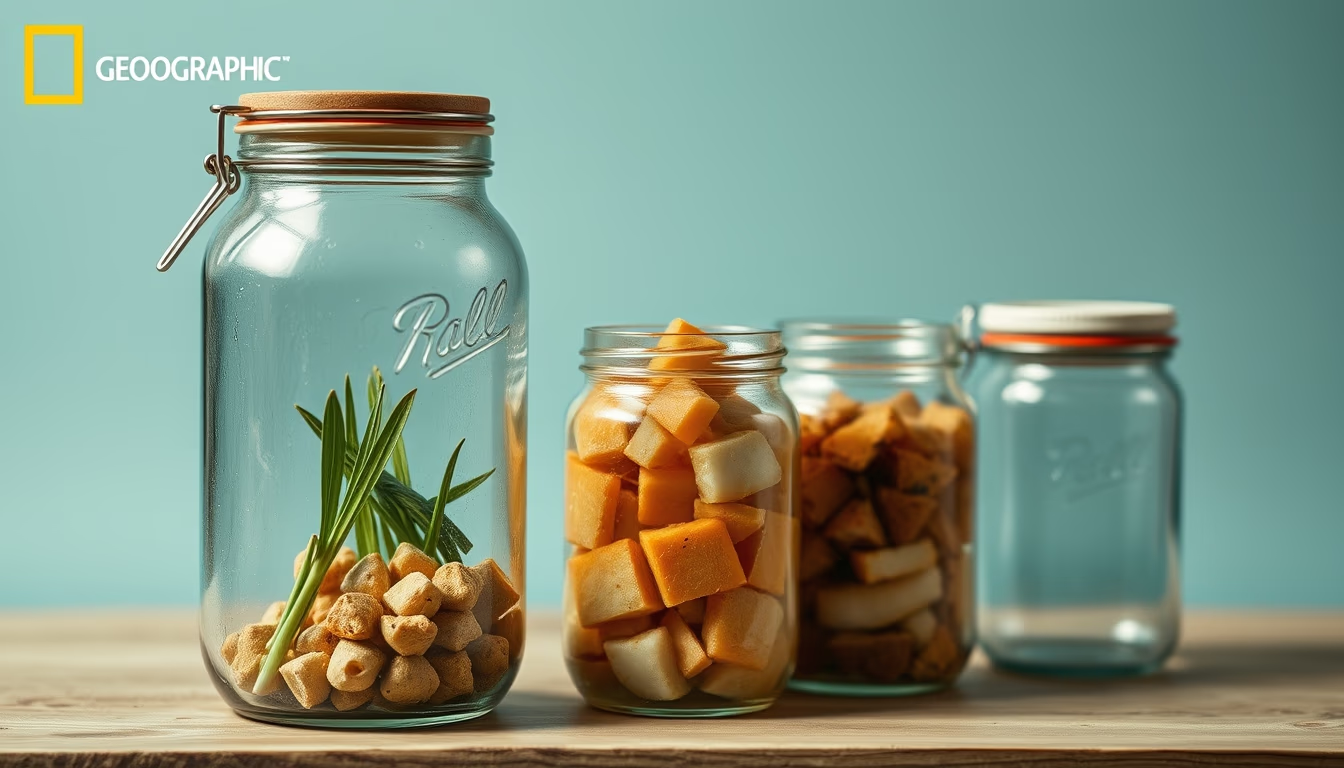
Glass jars are essential allies in the zero waste movement, reducing single-use plastics and promoting a sustainable lifestyle.
About this subject
Glass jars have gained prominence in the zero waste movement for their versatility and durability. Unlike plastic, glass is 100% recyclable without quality loss and can be reused indefinitely. It is estimated that each reused glass jar prevents the manufacture of up to 10 single-use plastic packaging per year, contributing to reducing the 380 million tons of plastic produced globally annually.
Historically, glass jars were popularized by John Landis Mason in 1858 with the invention of the Mason jar. Today, they are used not only for preserves but also for storing bulk foods, preparing beverages like kombucha, and even as containers for homemade cleaning products. In Brazil, the culture of reusing glass jars from foods such as hearts of palm or olives is common in many households, reducing waste and encouraging a circular economy.
In the zero waste context, glass jars are key for bulk shopping. Specialized stores allow consumers to bring their own jars, avoiding packaging. Additionally, glass does not leach chemicals like BPA found in some plastics, making it safer for food and beverages. Its transparency makes it easy to see contents, aiding in inventory control and meal planning, thereby reducing food waste.
A curious fact: glass takes about 1 million years to decompose in nature, but when reused or recycled, its lifecycle extends for decades. Adopting glass jars in daily life is a simple action with significant environmental impact, aligned with the 5 Rs of sustainability: refuse, reduce, reuse, recycle, and rot.
Frequently Asked Questions
Why are glass jars considered more sustainable than plastic ones?
Glass is 100% recyclable without quality loss and can be reused countless times. It also does not leach toxic chemicals like BPA found in some plastics, and its production generates less pollution compared to virgin plastic manufacturing.
How can I use glass jars in daily life to reduce waste?
You can use them to store bulk foods, bring to bulk stores for shopping, preserve leftovers, prepare homemade beverages, store natural cleaning products, and even as plant pots or organizers for small items.
Can glass jars go in the microwave or freezer?
Yes, as long as they are made of tempered glass or are specifically designed for those uses. Avoid thermal shock: do not place a hot jar directly into the freezer or vice versa. Check if the glass is resistant to temperature changes.
Direct URL
https://pub-c7d6a6ea828543ac903a74a341ccb2e1.r2.dev/imagens/glass-jars-zero-waste-national-geographic-style-p5.avifHow to credit
Include a visible link back to UtilizAí. Copy one of the snippets below:
<a href="https://xn--utiliza-eza.com/en/midia/imagens/glass-jars-zero-waste-national-geographic-style-p5">Glass jars zero waste</a> by <a href="https://xn--utiliza-eza.com">UtilizAí</a>, licensed under <a href="https://creativecommons.org/licenses/by/4.0/">CC BY 4.0</a>.
[Glass jars zero waste](https://xn--utiliza-eza.com/en/midia/imagens/glass-jars-zero-waste-national-geographic-style-p5) by [UtilizAí](https://xn--utiliza-eza.com), CC BY 4.0
License: CC-BY-4.0