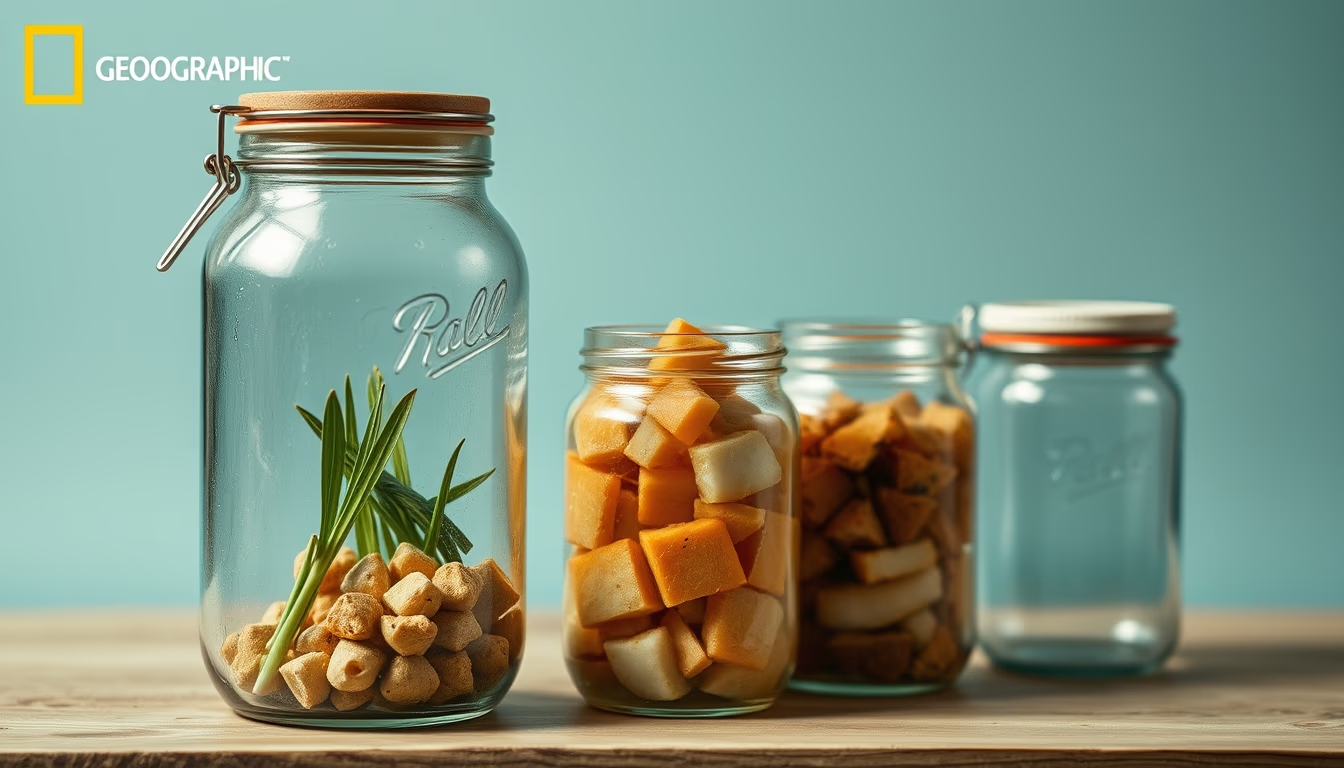
Glass jars zero waste
1344×768 · AVIF · CC BY 4.0
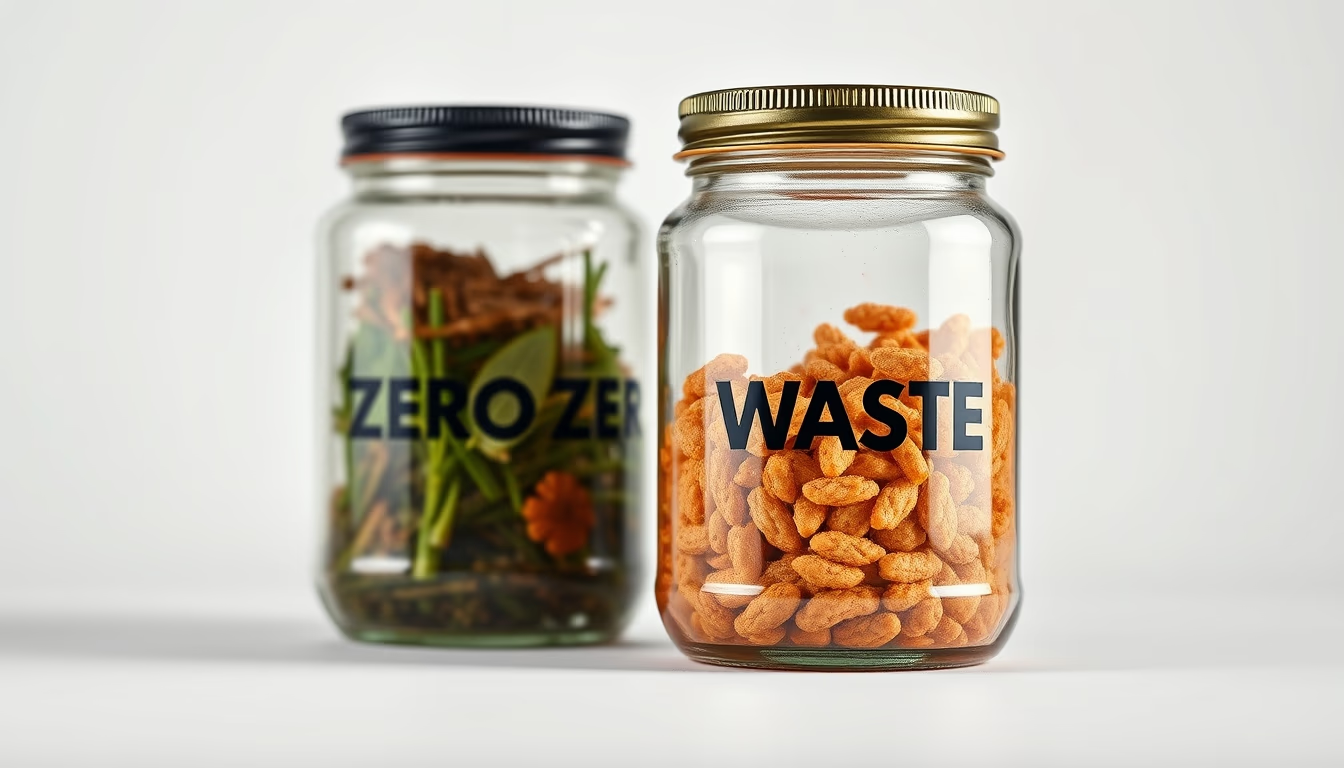
Potes de vidro são ícones do movimento zero waste, promovendo reutilização e redução de resíduos no dia a dia.
Sobre o tema
O movimento zero waste ganhou força globalmente a partir dos anos 2010, impulsionado por ativistas como Bea Johnson e sua filosofia dos 5 Rs (recusar, reduzir, reutilizar, reciclar, compostar). Os potes de vidro se tornaram símbolos práticos dessa abordagem, substituindo embalagens descartáveis de plástico e metal. Diferente de recipientes de plástico, o vidro é inerte, não libera substâncias químicas nos alimentos e pode ser reutilizado centenas de vezes sem perder qualidade. Além disso, sua reciclagem é infinitamente cíclica: uma garrafa de vidro reciclada economiza cerca de 30% de energia em relação à produção virgem.
No Brasil, o uso de potes de vidro remonta às feiras livres e quitandas, onde compotas e conservas eram vendidas em embalagens retornáveis. Com a popularização do consumo consciente, marcas e mercados a granel passaram a incentivar clientes a trazerem seus próprios potes para comprar grãos, cereais e líquidos. Essa prática reduz o descarte de plástico de uso único, que no país chega a 11 milhões de toneladas por ano, dos quais apenas 1,28% é efetivamente reciclado. A adoção de potes de vidro contribui diretamente para a meta de redução de resíduos nos Objetivos de Desenvolvimento Sustentável da ONU.
Curiosamente, a indústria do vidro tem investido em design funcional para o movimento zero waste: potes com tampas herméticas, formatos empilháveis e marcações de volume para facilitar o uso em despensas. Alguns modelos possuem bicos dosadores para líquidos ou aberturas largas para limpeza fácil. Esses detalhes tornam o pote de vidro não apenas um recipiente, mas uma ferramenta de organização e sustentabilidade. No contexto brasileiro, a cultura de guardar alimentos em vidro também está associada à tradição de fazer conservas caseiras, como picles e geleias, que prolongam a vida dos alimentos e evitam desperdício.
Perguntas frequentes
Potes de vidro são realmente melhores que os de plástico para zero waste?
Sim, por serem duráveis, inertes e recicláveis infinitamente. O vidro não libera toxinas e pode ser reutilizado muitas vezes, enquanto o plástico se degrada e tem reciclagem limitada.
Como higienizar potes de vidro para reutilização?
Lave com água quente e detergente neutro, ou esterilize em água fervente por 10 minutos. Remova rótulos com óleo de cozinha ou removedor caseiro. Secar completamente antes de armazenar.
Onde comprar potes de vidro a granel no Brasil?
Em mercados a granel, feiras orgânicas e lojas de produtos sustentáveis. Muitos permitem que você leve seu próprio pote, pesando antes e depois de encher. Também é possível reutilizar potes de conservas compradas.
URL direta
https://pub-c7d6a6ea828543ac903a74a341ccb2e1.r2.dev/imagens/glass-jars-zero-waste-commercial-product-photography-p3.avifComo creditar
Inclua um link visível de volta pro UtilizAí. Copie um dos snippets abaixo:
<a href="https://xn--utiliza-eza.com/midia/imagens/glass-jars-zero-waste-commercial-product-photography-p3">Glass jars zero waste</a> by <a href="https://xn--utiliza-eza.com">UtilizAí</a>, licensed under <a href="https://creativecommons.org/licenses/by/4.0/">CC BY 4.0</a>.
[Glass jars zero waste](https://xn--utiliza-eza.com/midia/imagens/glass-jars-zero-waste-commercial-product-photography-p3) by [UtilizAí](https://xn--utiliza-eza.com), CC BY 4.0
Licença: CC-BY-4.0