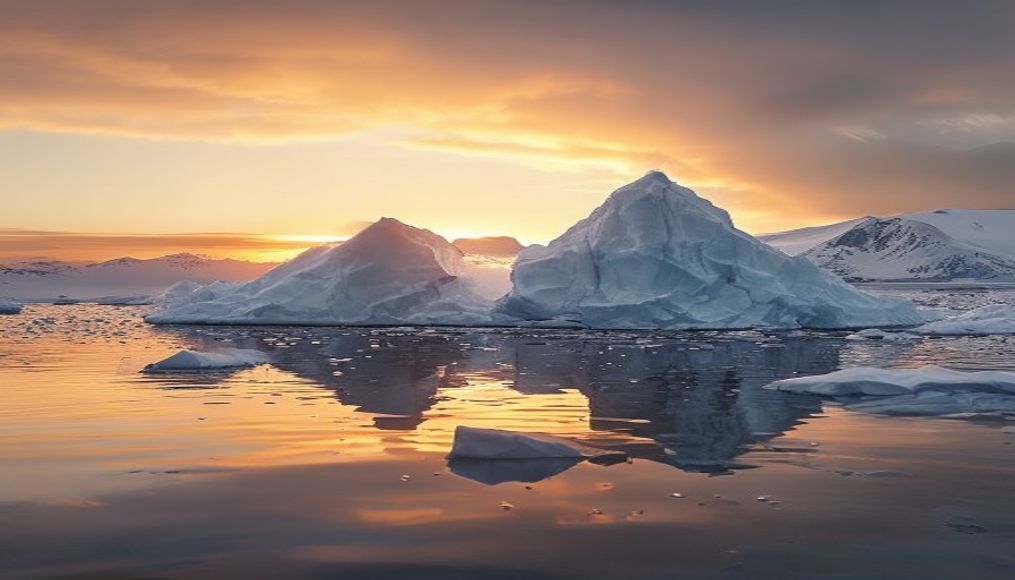
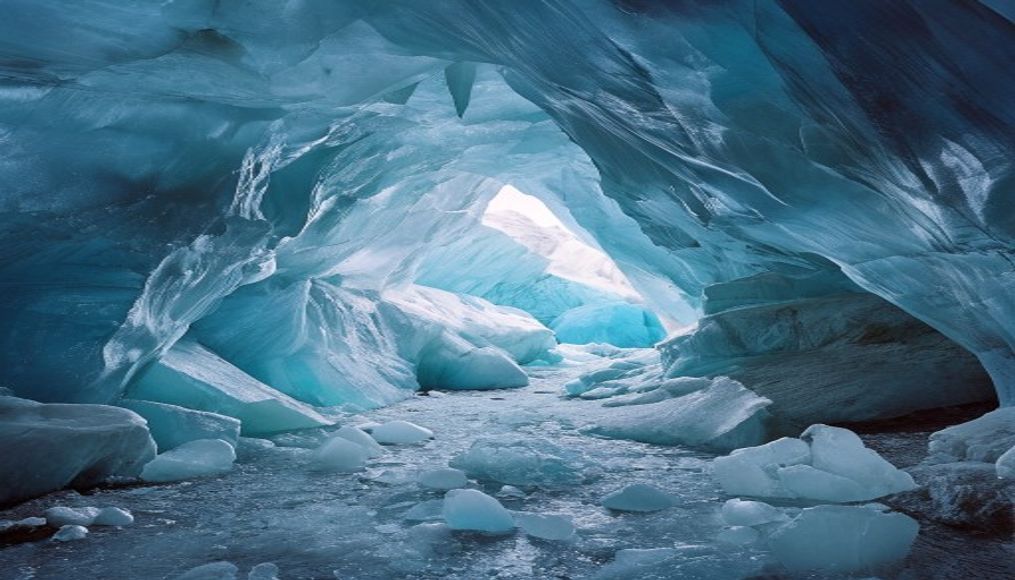
Glacier blue ice cave
1344×768 · AVIF · CC BY 4.0
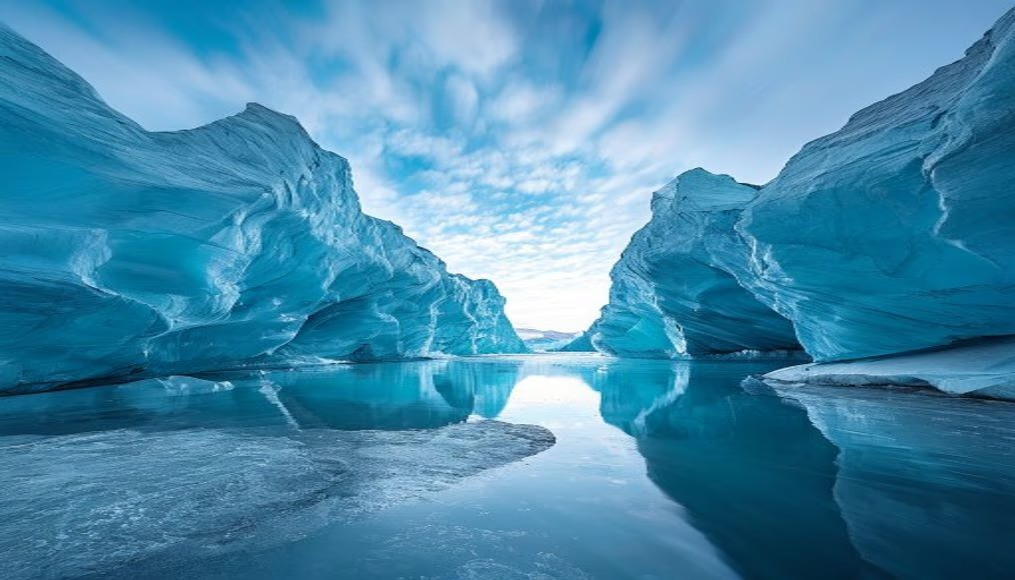
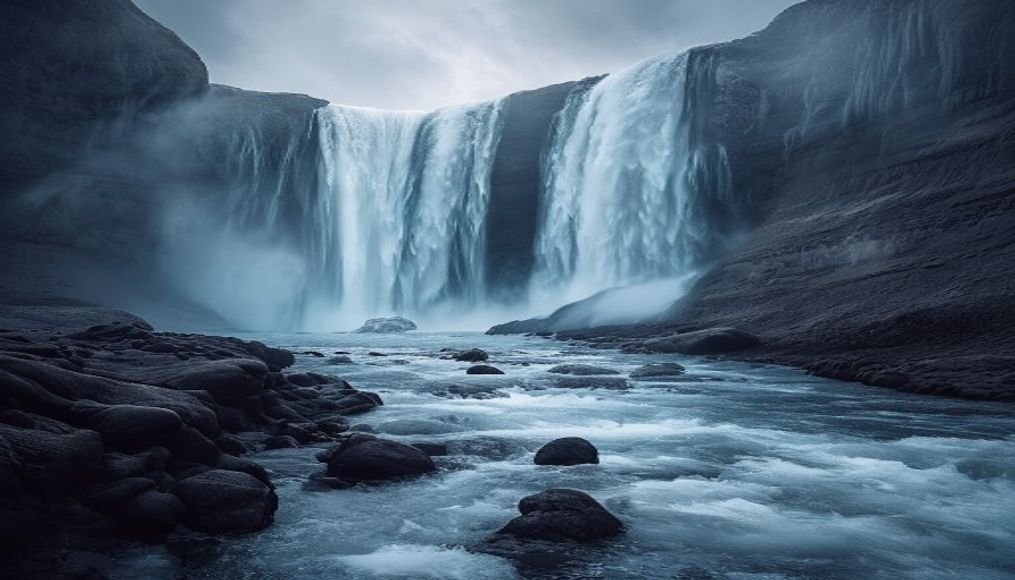
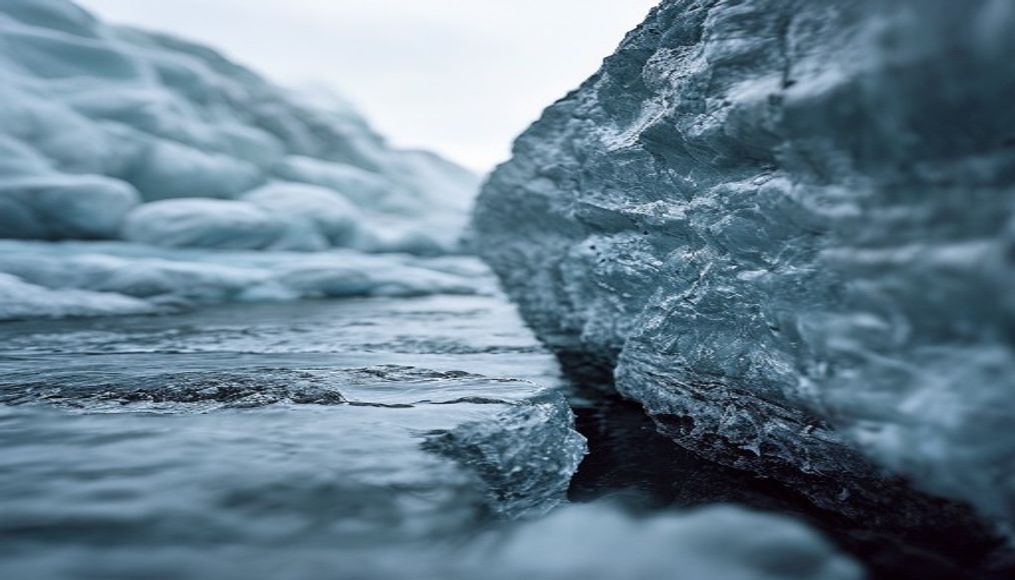
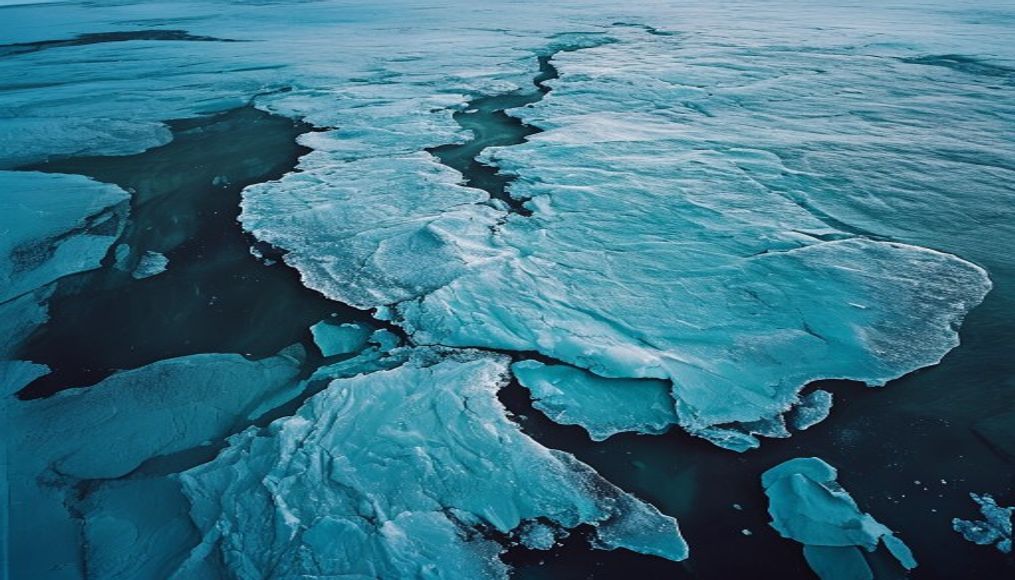
Blue ice caves in glaciers reveal ancient formations and intense colors, fascinating explorers and long-exposure photographers.
About this subject
Blue ice caves form inside glaciers when accumulated snow compresses over centuries, expelling air bubbles. This dense, pure ice absorbs red light from the solar spectrum and reflects blue, creating the intense hue that characterizes these environments. The formations are mainly found in polar and high-mountain glaciers, such as Vatnajökull in Iceland, Mendenhall in Alaska, and Perito Moreno in Argentine Patagonia. Each glacier offers caves with unique geometries, sculpted by meltwater flow that carves tunnels and chambers over months or years.
From a scientific perspective, these caves act as natural archives of past climate. The blue ice can contain air bubbles over a thousand years old, allowing study of historical greenhouse gas concentrations. Long-exposure photography is often used to capture the details and luminosity of these spaces, enhancing the texture of the ice and the depth of blue. The technique requires a tripod and low ISO settings, as light inside the caves is diffuse and dim.
Despite their beauty, these caves are extremely dangerous. Ice is dynamic and can collapse without warning. Safe exploration requires specialized guides and protective equipment such as helmets and crampons. Many caves are seasonal, forming in winter and disappearing in summer, making each visit an ephemeral experience. The most intense blue is often seen in ancient glaciers with high ice density, such as in Greenland and Antarctica, though these are of restricted access.
Frequently Asked Questions
Why is the ice in caves blue?
Compressed snow expels air bubbles, making the ice very pure. This pure ice absorbs red light and reflects blue, creating the intense color.
Where can blue ice caves be found?
The most famous are in glaciers such as Vatnajökull (Iceland), Mendenhall (Alaska), and Perito Moreno (Argentina). They also exist in Norway, Chile, and Greenland.
Is it safe to visit ice caves?
No, they are unstable and prone to collapse. Visits should only be made with experienced guides and proper equipment, such as helmets and crampons.
Direct URL
https://pub-c7d6a6ea828543ac903a74a341ccb2e1.r2.dev/imagens/glacier-blue-ice-cave-long-exposure-p0.avifHow to credit
Include a visible link back to UtilizAí. Copy one of the snippets below:
<a href="https://xn--utiliza-eza.com/en/midia/imagens/glacier-blue-ice-cave-long-exposure-p0">Glacier blue ice cave</a> by <a href="https://xn--utiliza-eza.com">UtilizAí</a>, licensed under <a href="https://creativecommons.org/licenses/by/4.0/">CC BY 4.0</a>.
[Glacier blue ice cave](https://xn--utiliza-eza.com/en/midia/imagens/glacier-blue-ice-cave-long-exposure-p0) by [UtilizAí](https://xn--utiliza-eza.com), CC BY 4.0
License: CC-BY-4.0