Freight train cars
1344×768 · AVIF · CC BY 4.0
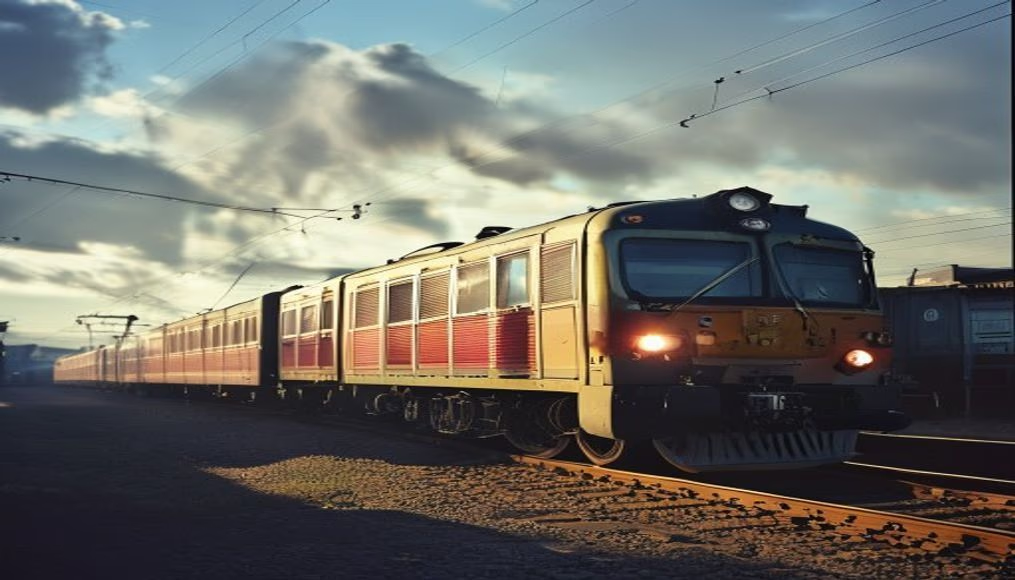
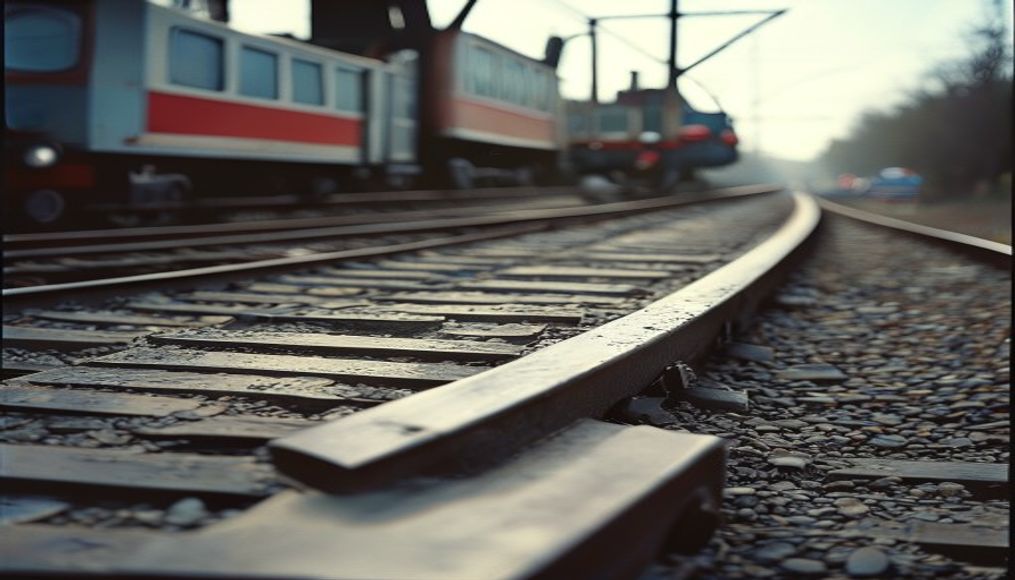
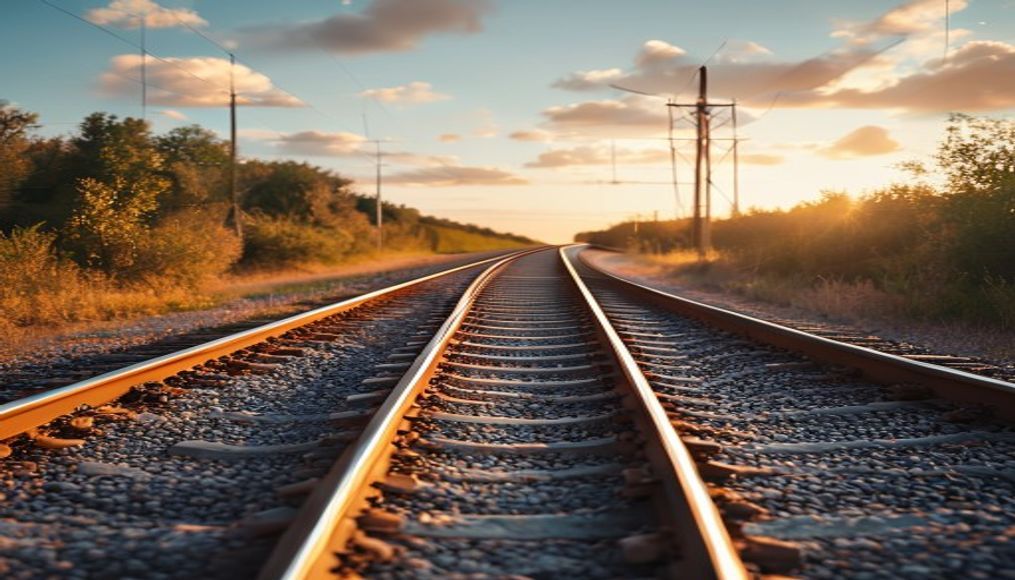
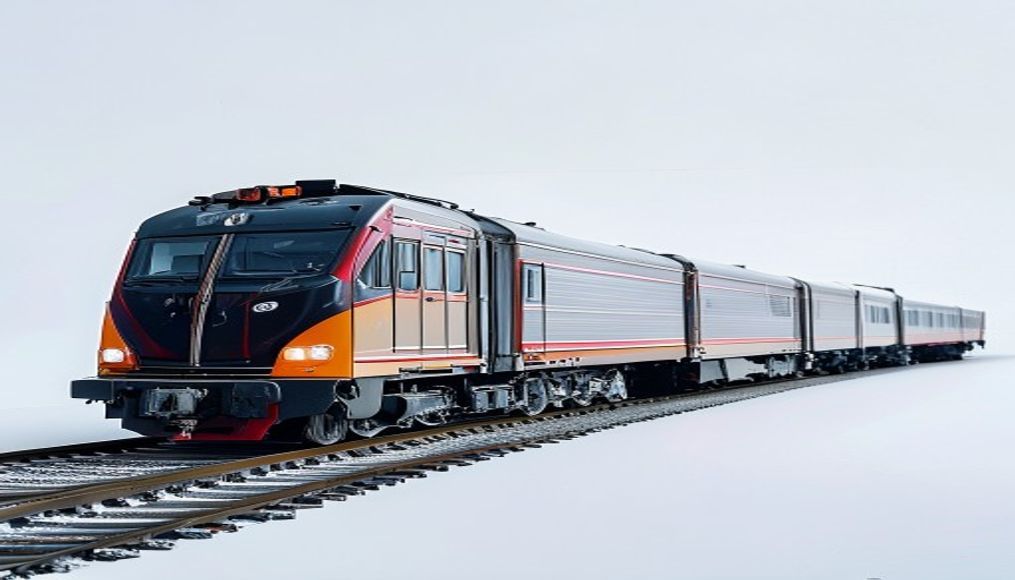
Freight train cars are essential for transporting goods worldwide, efficiently connecting industries and ports.
About this subject
Freight train cars are the backbone of railway cargo transport, moving everything from iron ore to manufactured goods. Globally, railways handle billions of tons annually, with the United States alone moving over 1.5 billion tons per year. These cars are built to endure heavy loads and harsh conditions, often operating in trains exceeding 100 cars.
Different car types serve specific purposes. Gondola cars, with open tops, carry bulk commodities like coal and scrap metal. Hopper cars have bottom doors for quick unloading of grain and ore. Tank cars transport liquids such as petroleum and chemicals, while boxcars protect sensitive goods from weather. This specialization allows railways to efficiently serve diverse industries.
Efficiency is a key advantage: a single freight train can replace hundreds of trucks, reducing congestion and emissions. According to the Association of American Railroads, trains can move a ton of freight 470 miles per gallon of fuel on average, making them 3, 4 times more fuel-efficient than trucks. Intermodal containers on flatcars have revolutionized global trade by seamlessly connecting rail, ship, and truck.
Recent innovations include smart cars with sensors for real-time monitoring of cargo and track conditions, as well as efforts to electrify main lines to cut emissions further. The freight rail industry continues to adapt to growing logistics demands, focusing on sustainability and digitalization.
Frequently Asked Questions
What are the main types of freight train cars?
Main types include gondola cars (open top for bulk), hopper cars (bottom discharge for grain and ore), tank cars (liquids), boxcars (protected freight), and flatcars (containers and long loads).
How many tons can a freight car carry?
It varies by type and design. Typical cars carry 50, 100 metric tons. Gondola cars for iron ore can handle up to 120 tons, while tank cars depend on liquid density.
How do freight trains contribute to sustainability?
They emit less CO2 per ton-mile than trucks. A single train can replace hundreds of trucks, reducing congestion and pollution. Electrification and biofuels are further greening the mode.
Direct URL
https://pub-c7d6a6ea828543ac903a74a341ccb2e1.r2.dev/imagens/freight-train-cars-magazine-editorial-p3.avifHow to credit
Include a visible link back to UtilizAí. Copy one of the snippets below:
<a href="https://xn--utiliza-eza.com/en/midia/imagens/freight-train-cars-magazine-editorial-p3">Freight train cars</a> by <a href="https://xn--utiliza-eza.com">UtilizAí</a>, licensed under <a href="https://creativecommons.org/licenses/by/4.0/">CC BY 4.0</a>.
[Freight train cars](https://xn--utiliza-eza.com/en/midia/imagens/freight-train-cars-magazine-editorial-p3) by [UtilizAí](https://xn--utiliza-eza.com), CC BY 4.0
License: CC-BY-4.0