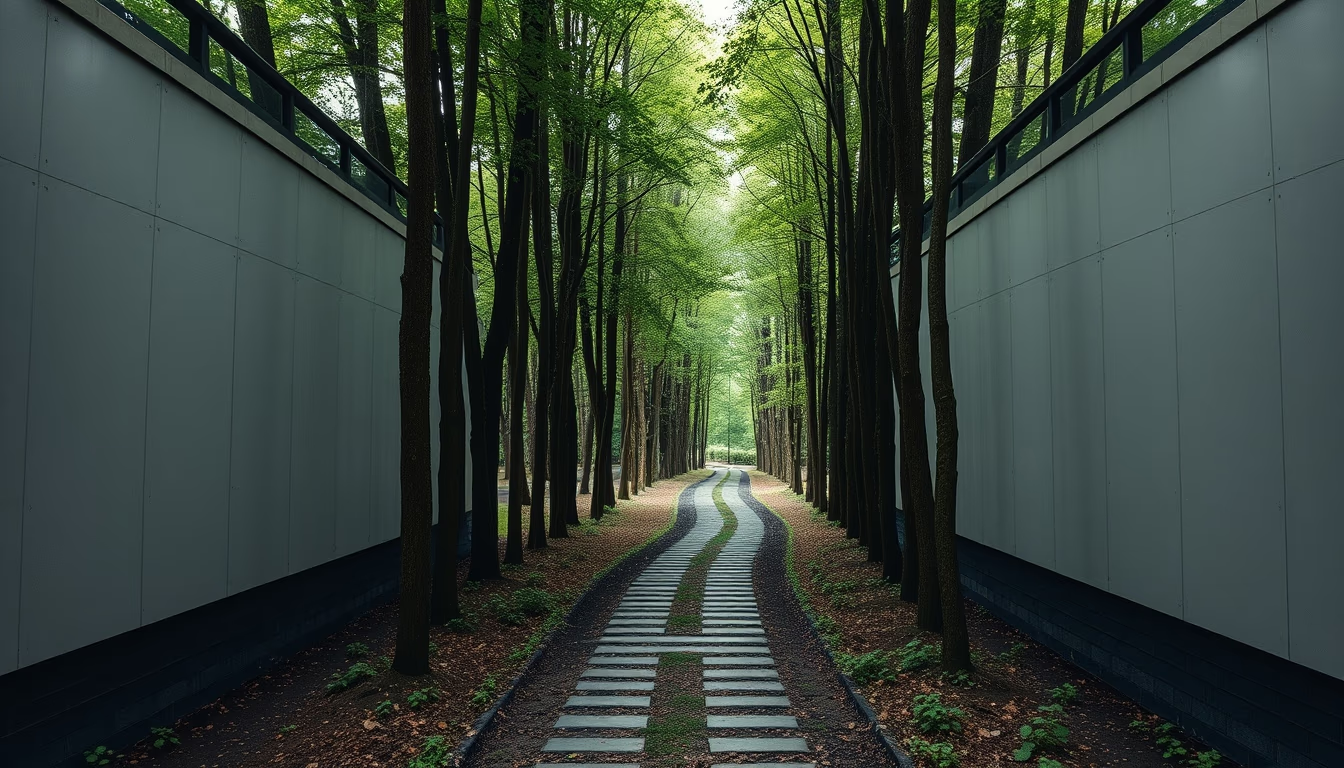
Forest bathing path
1344×768 · AVIF · CC BY 4.0
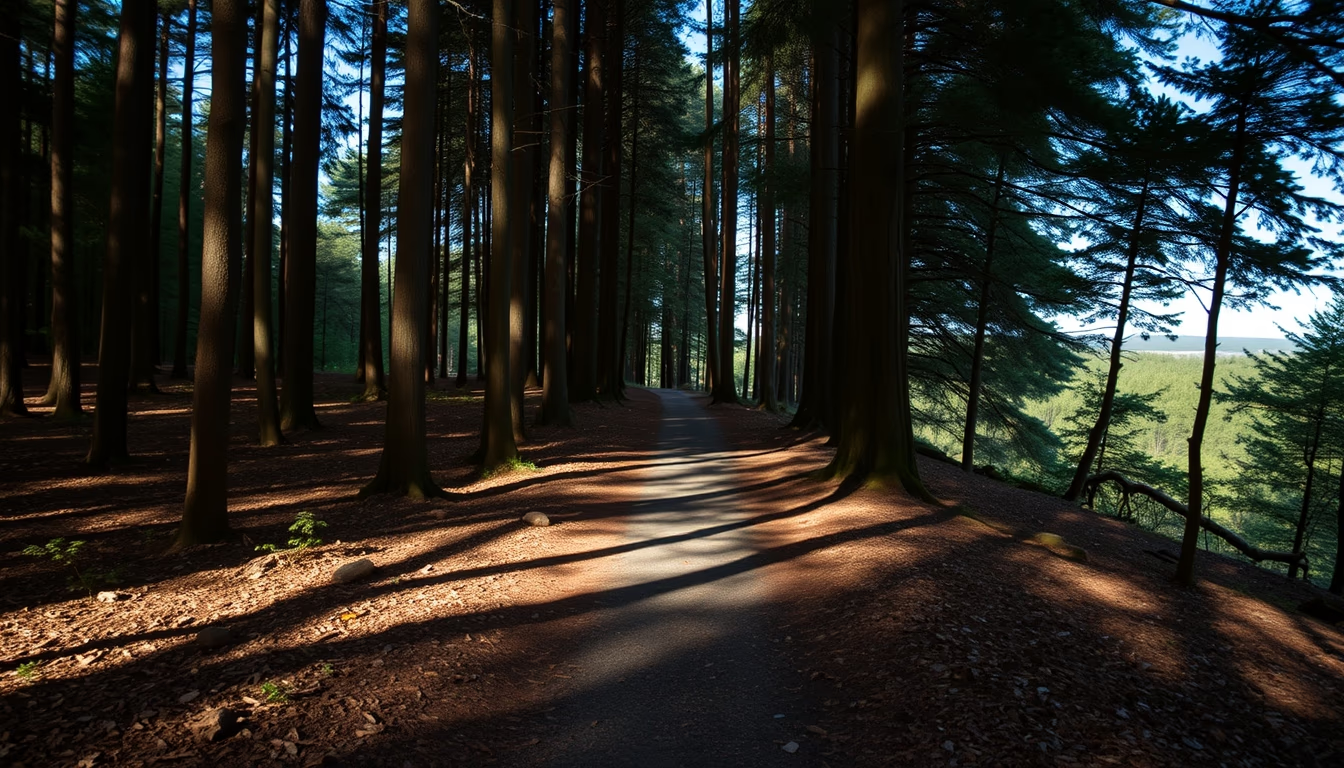
Forest bathing path: an immersive nature trail inspired by Japanese Shinrin-yoku, proven to reduce stress and boost health.
About this subject
The concept of forest bathing, or Shinrin-yoku, originated in Japan in the 1980s as part of a national public health initiative. The practice involves walking slowly through wooded trails, engaging all senses to absorb the forest atmosphere. Unlike ordinary hiking or power walking, the focus is on mindfulness: listening to birdsong, feeling the texture of bark, inhaling the scent of damp earth. Studies by Chiba University and the Japanese government have shown that forest exposure reduces cortisol, lowers blood pressure, and boosts immune function through inhalation of phytoncides, antimicrobial compounds released by trees.
Japan now has over 60 official forest therapy bases, with trails certified for their therapeutic effects. These paths are designed for accessibility, safety, and sensory immersion, including rest areas and informational signs about local flora. Globally, forest bathing has spread to urban parks and wellness resorts, especially in South Korea, Germany, and Canada. By 2026, it is considered a leading preventive wellness trend, combining ecotourism with proven mental and physical health benefits.
The forest bathing path depicted represents a deliberately planned environment for this practice, blending natural serenity with accessibility. Walking barefoot on the earth, noticing the pattern of sunlight through leaves, and breathing deeply are intentional components. No special equipment is needed; only a willingness to slow down and connect. Beginners are encouraged to start with 20 to 30 minute sessions, focusing on slow breathing and detailed observation of their surroundings.
Frequently Asked Questions
What is Shinrin-yoku?
Shinrin-yoku is the Japanese term for 'forest bathing', a therapeutic practice of mindful walking in nature to promote relaxation and health. It originated in Japan in the 1980s as a response to urban stress.
What are the proven benefits of forest bathing?
Studies show reduced cortisol levels, lower blood pressure, improved mood, enhanced immune function, and increased parasympathetic nervous system activity. Phytoncides from trees have anti-inflammatory and antimicrobial effects.
How to practice forest bathing correctly?
Choose a wooded trail, turn off your phone, and walk slowly. Focus on sounds, scents, textures, and colors. Breathe deeply and pause to observe details. It is not about physical exercise but sensory immersion.
Direct URL
https://pub-c7d6a6ea828543ac903a74a341ccb2e1.r2.dev/imagens/forest-bathing-path-magazine-editorial-p1.avifHow to credit
Include a visible link back to UtilizAí. Copy one of the snippets below:
<a href="https://xn--utiliza-eza.com/en/midia/imagens/forest-bathing-path-magazine-editorial-p1">Forest bathing path</a> by <a href="https://xn--utiliza-eza.com">UtilizAí</a>, licensed under <a href="https://creativecommons.org/licenses/by/4.0/">CC BY 4.0</a>.
[Forest bathing path](https://xn--utiliza-eza.com/en/midia/imagens/forest-bathing-path-magazine-editorial-p1) by [UtilizAí](https://xn--utiliza-eza.com), CC BY 4.0
License: CC-BY-4.0