Feather quill ink
1344×768 · AVIF · CC BY 4.0
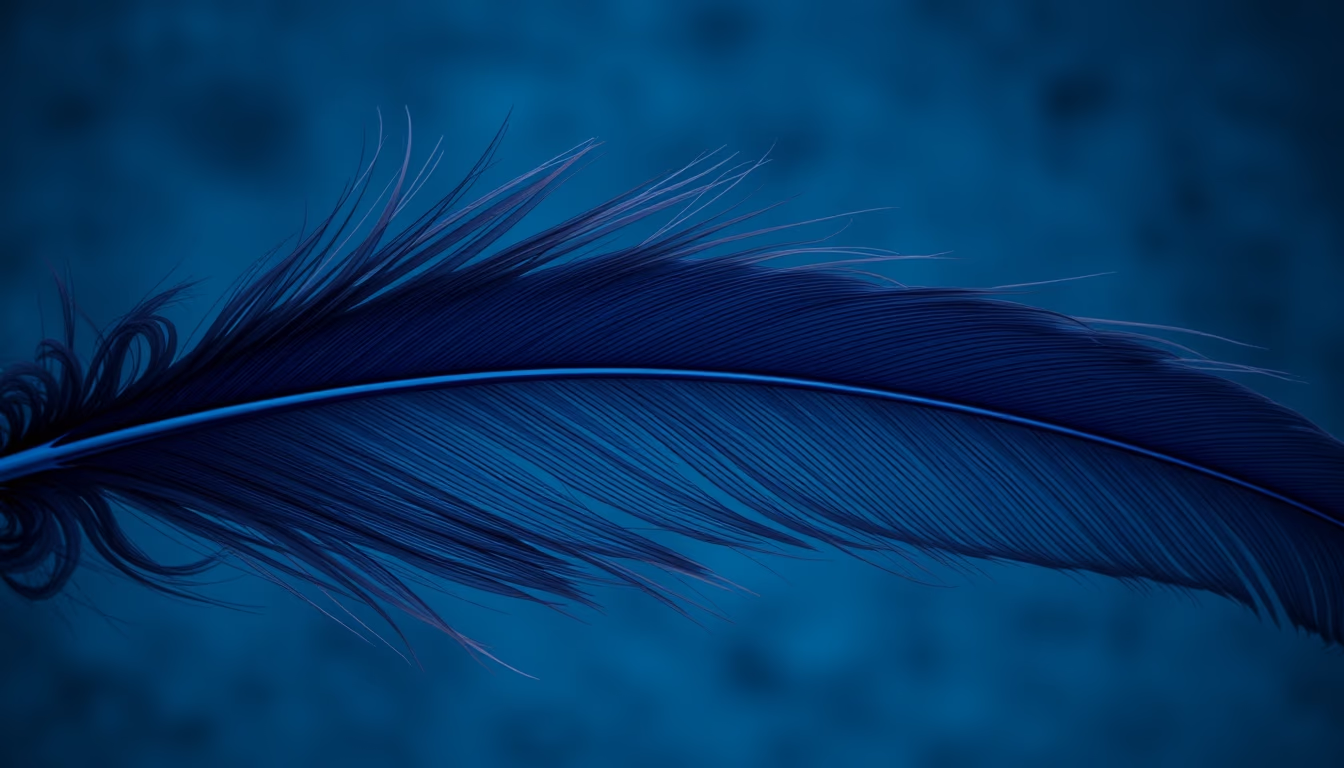
A pena de ave e a tinta formaram a principal ferramenta de escrita por séculos, antes da caneta-tinteiro e da esferográfica.
Sobre o tema
A pena de ave, ou cálamo, foi o instrumento de escrita dominante no Ocidente desde o século VI até meados do século XIX. Extraída geralmente das asas de gansos, cisnes ou corvos, a pena era cortada na ponta com um canivete (daí o nome 'canivete') para formar um bico que retinha tinta por capilaridade. A tinta ferrogálica, feita de sulfato de ferro, nozes de galha e goma arábica, era a mais comum por ser permanente e resistente à água. Escrever com pena exigia habilidade: a pressão variava para criar traços finos ou grossos, e a ponta precisava ser reafiada constantemente.
Manuscritos históricos, desde a Carta Magna até a Declaração de Independência dos EUA, foram redigidos com penas. O processo de fabricação envolvia curar as penas em areia quente para endurecê-las, depois cortar a ponta e fazer um corte transversal (fenda) para regular o fluxo de tinta. Cada pena durava apenas algumas páginas antes de precisar ser retocada. A produção em massa de penas metálicas no século XIX, combinada com tintas industriais, gradualmente substituiu as penas de ave, mas a caligrafia com pena ainda é praticada como arte.
Curiosidade: a palavra 'pena' em português tanto designa a pluma da ave quanto o instrumento de escrita, herança do latim 'penna'. No Brasil, o uso de penas foi comum até o final do Império, sendo importadas da Europa. A tinta nanquim, à base de negro de fumo e goma-laca, também era usada para desenhos técnicos e caligrafia oriental, mas a tinta ferrogálica predominava no Ocidente. Hoje, recriações históricas e praticantes de lettering ainda empregam penas verdadeiras para autenticidade.
Perguntas frequentes
Qual a diferença entre pena de ave e caneta-tinteiro?
A pena de ave é um instrumento natural que precisa ser cortada e reafiada manualmente, enquanto a caneta-tinteiro usa um reservatório de tinta e bico metálico, dispensando cortes frequentes. A tinta ferrogálica, comum em penas, também difere das tintas modernas à base de água ou pigmentos.
Como era feita a tinta ferrogálica?
A tinta ferrogálica era preparada misturando sulfato de ferro (vitríolo) com taninos extraídos de nozes de galha (excrescências em carvalhos), acrescentando goma arábica como espessante. A reação química produzia um pigmento preto-azulado permanente, muito usado em documentos oficiais.
Por que as penas de aves foram abandonadas?
A produção em massa de bicos metálicos no século XIX ofereceu durabilidade e uniformidade superiores. Além disso, o custo diminuiu com a industrialização, e as tintas em frascos comuns substituíram a preparação artesanal. A caneta-tinteiro, patenteada em 1884, consolidou a transição por sua praticidade.
URL direta
https://pub-c7d6a6ea828543ac903a74a341ccb2e1.r2.dev/imagens/feather-quill-ink-aerial-drone-shot-p6.avifComo creditar
Inclua um link visível de volta pro UtilizAí. Copie um dos snippets abaixo:
<a href="https://xn--utiliza-eza.com/midia/imagens/feather-quill-ink-aerial-drone-shot-p6">Feather quill ink</a> by <a href="https://xn--utiliza-eza.com">UtilizAí</a>, licensed under <a href="https://creativecommons.org/licenses/by/4.0/">CC BY 4.0</a>.
[Feather quill ink](https://xn--utiliza-eza.com/midia/imagens/feather-quill-ink-aerial-drone-shot-p6) by [UtilizAí](https://xn--utiliza-eza.com), CC BY 4.0
Licença: CC-BY-4.0