Douro valley terraces
1344×768 · AVIF · CC BY 4.0
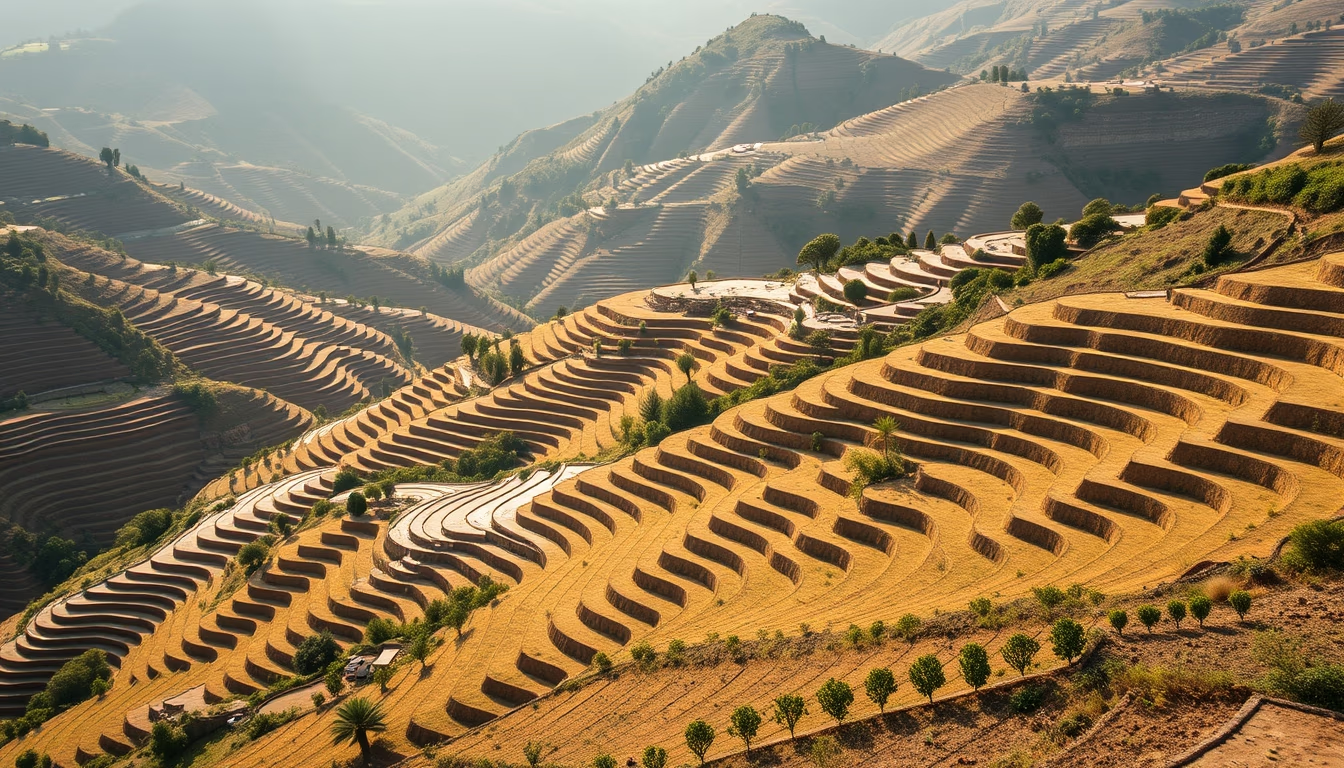
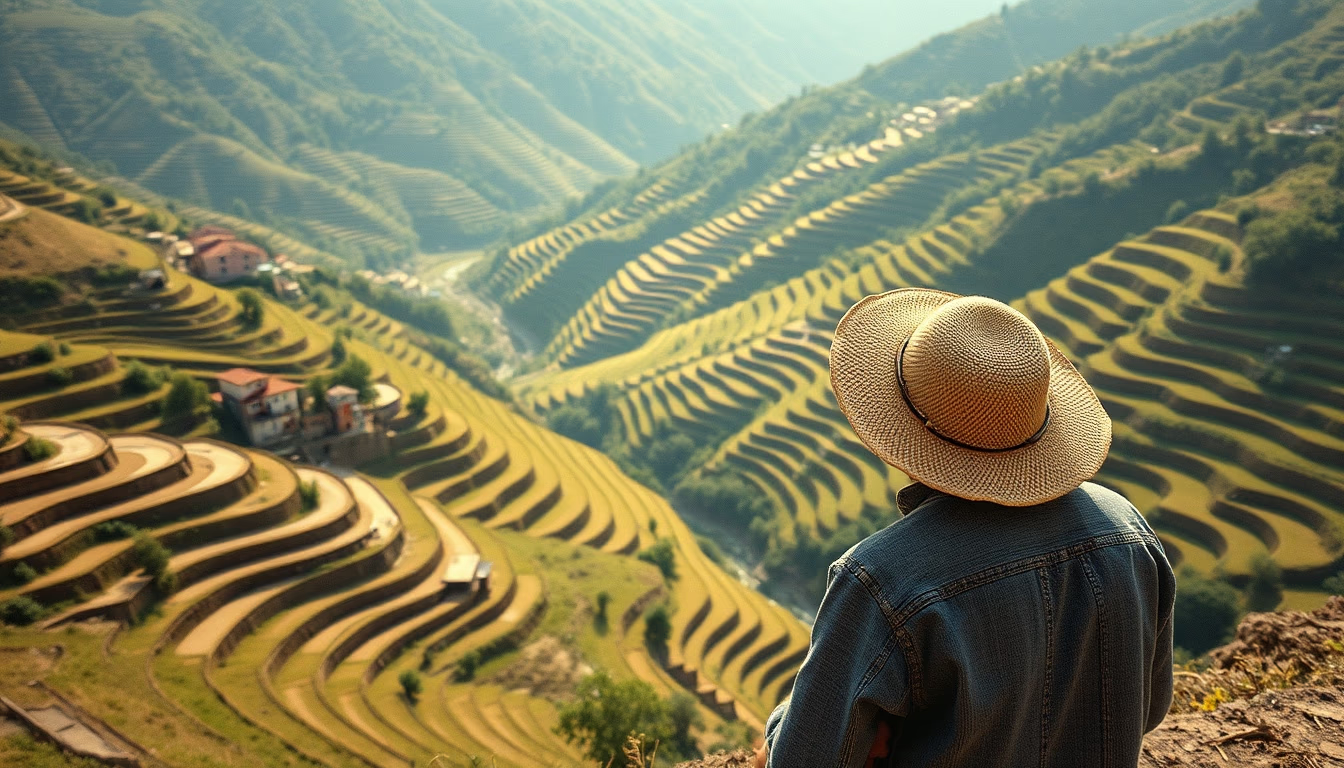
The terraces of the Douro Valley in Portugal are an iconic example of heroic viticulture on steep schist slopes.
About this subject
The Douro Valley, located in northern Portugal, is one of the oldest and most famous wine regions in the world, recognized as a UNESCO World Heritage site since 2001. The terraces that characterize the landscape were carved over centuries to allow vine cultivation on extremely steep slopes, often with gradients exceeding 60%. This cultivation technique is known as heroic viticulture, due to the difficult access and intensive manual labor required to manage the vineyards.
The terraces are primarily built on schist soil, a metamorphic rock that retains heat at night and reflects sunlight, benefiting grape ripening. The region is divided into three sub‑regions: Baixo Corgo, Cima Corgo, and Douro Superior, with the latter being the hottest and driest. The most cultivated grape varieties include Touriga Nacional, Tinta Roriz, and Touriga Franca, used to produce the world‑famous Port wine and high‑quality still wines.
The history of viticulture in the Douro dates back to the 17th century, when Port wine began to be exported to England. To increase production, the socalcos (terraces) were built, allowing planting on previously inaccessible slopes. Today, the terraces are maintained using traditional techniques, such as dry stone walls, which prevent erosion and aid drainage. The landscape of the Douro terraces is a testament to human adaptation to harsh conditions, combining scenic beauty and agricultural productivity.
Frequently Asked Questions
Why is the Douro Valley known as a region of heroic viticulture?
Heroic viticulture is practiced on steep, hard‑to‑access slopes where manual labor is predominant and mechanization is nearly impossible. In the Douro, the terraced socalcos and schist soil require intense human effort, justifying the term.
What is the importance of the schist terraces for wine production in the Douro?
The schist terraces allow cultivation on very steep slopes, preventing erosion. Schist absorbs heat during the day and releases it at night, aiding grape ripening. Additionally, the dry stone walls contribute to drainage and soil stability.
Does the Douro Valley produce only Port wine?
No, besides the famous Port wine, the region produces high‑quality still red and white wines, many with the Douro DOC designation. The diversity of grapes and microclimates results in a variety of styles.
Direct URL
https://pub-c7d6a6ea828543ac903a74a341ccb2e1.r2.dev/imagens/douro-valley-terraces-documentary-photography-fresh4.avifHow to credit
Include a visible link back to UtilizAí. Copy one of the snippets below:
<a href="https://xn--utiliza-eza.com/en/midia/imagens/douro-valley-terraces-documentary-photography-fresh4">Douro valley terraces</a> by <a href="https://xn--utiliza-eza.com">UtilizAí</a>, licensed under <a href="https://creativecommons.org/licenses/by/4.0/">CC BY 4.0</a>.
[Douro valley terraces](https://xn--utiliza-eza.com/en/midia/imagens/douro-valley-terraces-documentary-photography-fresh4) by [UtilizAí](https://xn--utiliza-eza.com), CC BY 4.0
License: CC-BY-4.0