Didgeridoo aboriginal
1344×768 · AVIF · CC BY 4.0
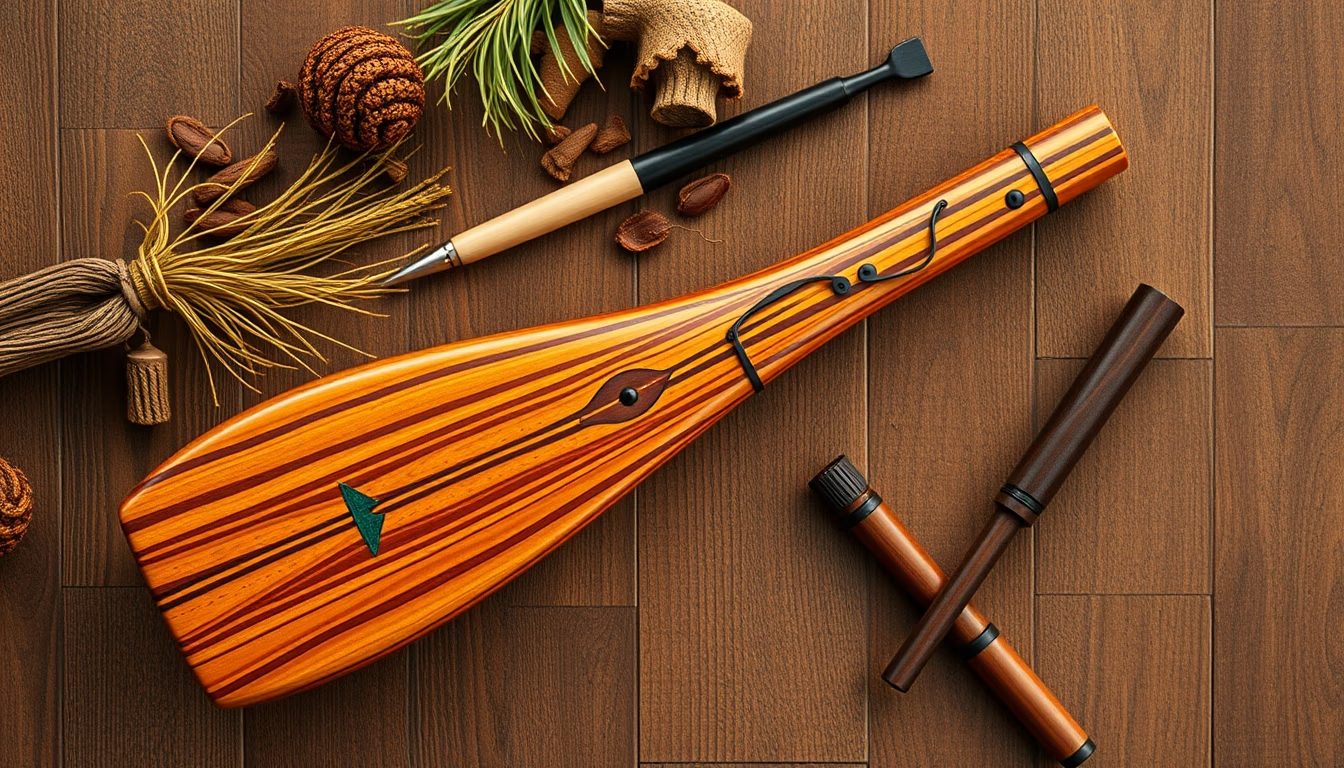
O didgeridoo é um instrumento de sopro ancestral dos aborígenes australianos, produzido a partir de troncos ocos de eucalipto.
Sobre o tema
O didgeridoo, também conhecido como yidaki ou yiḏaki, é um aerofone tradicional dos aborígenes australianos, especialmente dos povos do norte da Austrália, como os Yolngu. O instrumento é geralmente confeccionado a partir de troncos de eucalipto naturalmente ocos por ação de cupins. Com comprimento que varia de 1 a 3 metros, produz um som grave e contínuo, obtido pela técnica de respiração circular, que permite ao músico inspirar pelo nariz enquanto expira pela boca, mantendo a vibração dos lábios.
A origem do didgeridoo remonta a pelo menos 1.500 anos, com evidências arqueológicas e pinturas rupestres que o retratam. Na cultura aborígene, o instrumento não é apenas musical, mas tem profundo significado cerimonial, acompanhando canções e danças que contam histórias do Dreamtime, o tempo da criação. Cada região e clã possui variações no formato e nos ritos associados, havendo restrições quanto a quem pode tocá-lo, especialmente em contextos sagrados.
Atualmente, o didgeridoo é um dos símbolos mais reconhecíveis da cultura australiana, sendo utilizado na música mundial e em fusões contemporâneas. Sua fabricação artesanal envolve a seleção cuidadosa da madeira, a limpeza do canal interno e a aplicação de cera de abelha na boquilha para vedar e ajustar o timbre. Apesar de sua popularidade global, muitos aborígenes consideram o uso comercial desrespeitoso quando feito sem autorização ou conhecimento tradicional.
Perguntas frequentes
Como é feito o didgeridoo tradicionalmente?
O didgeridoo é tradicionalmente feito a partir de troncos de eucalipto naturalmente ocos pela ação de cupins. O artesão limpa o interior, corta o comprimento desejado e modela a boquilha, geralmente revestindo-a com cera de abelha para melhor vedação e ajuste do som.
O que é a técnica de respiração circular usada no didgeridoo?
A respiração circular permite ao músico inspirar pelo nariz enquanto expira pela boca, mantendo o fluxo de ar contínuo. Isso é feito armazenando ar nas bochechas e usando os músculos para empurrá-lo enquanto se inspira rapidamente pelo nariz.
Qual é a importância cultural do didgeridoo para os aborígenes australianos?
O didgeridoo é um instrumento cerimonial sagrado, usado para acompanhar canções e danças que contam as histórias do Dreamtime. Ele representa a conexão com os ancestrais e a terra, e seu toque é frequentemente restrito a homens iniciados em certas tradições.
URL direta
https://pub-c7d6a6ea828543ac903a74a341ccb2e1.r2.dev/imagens/didgeridoo-aboriginal-isometric-flat-lay-p12.avifComo creditar
Inclua um link visível de volta pro UtilizAí. Copie um dos snippets abaixo:
<a href="https://xn--utiliza-eza.com/midia/imagens/didgeridoo-aboriginal-isometric-flat-lay-p12">Didgeridoo aboriginal</a> by <a href="https://xn--utiliza-eza.com">UtilizAí</a>, licensed under <a href="https://creativecommons.org/licenses/by/4.0/">CC BY 4.0</a>.
[Didgeridoo aboriginal](https://xn--utiliza-eza.com/midia/imagens/didgeridoo-aboriginal-isometric-flat-lay-p12) by [UtilizAí](https://xn--utiliza-eza.com), CC BY 4.0
Licença: CC-BY-4.0