Crewel work wool
1344×768 · AVIF · CC BY 4.0
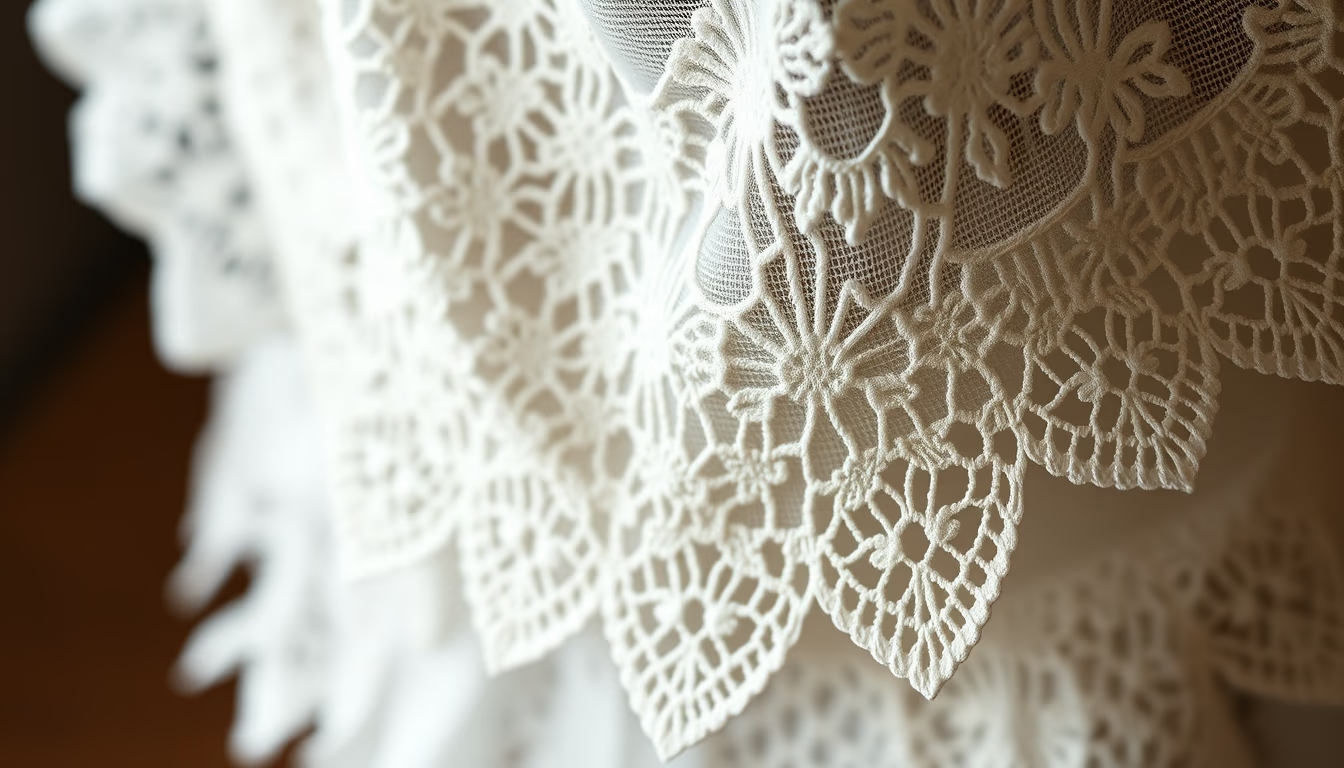
Crewel work is an embroidery technique using wool thread to create decorative designs, originating in 17th-century England.
About this subject
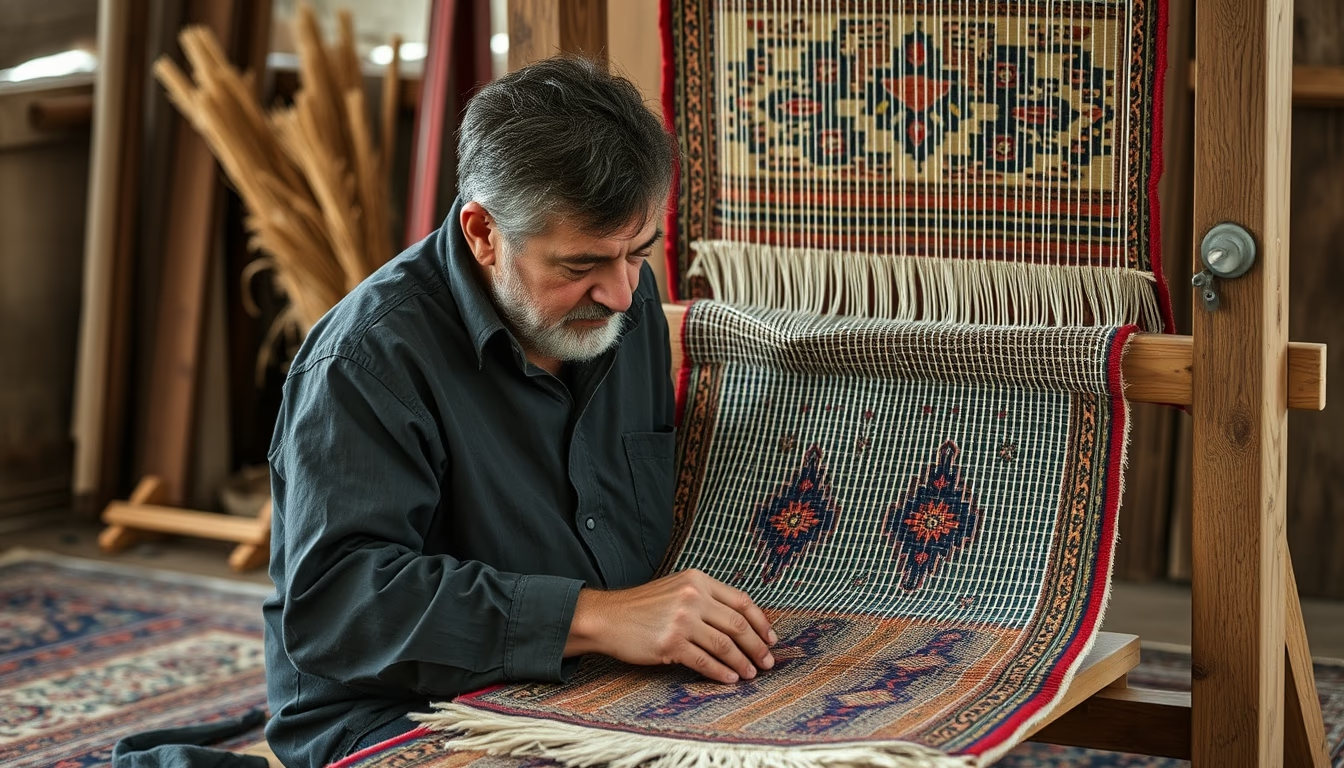
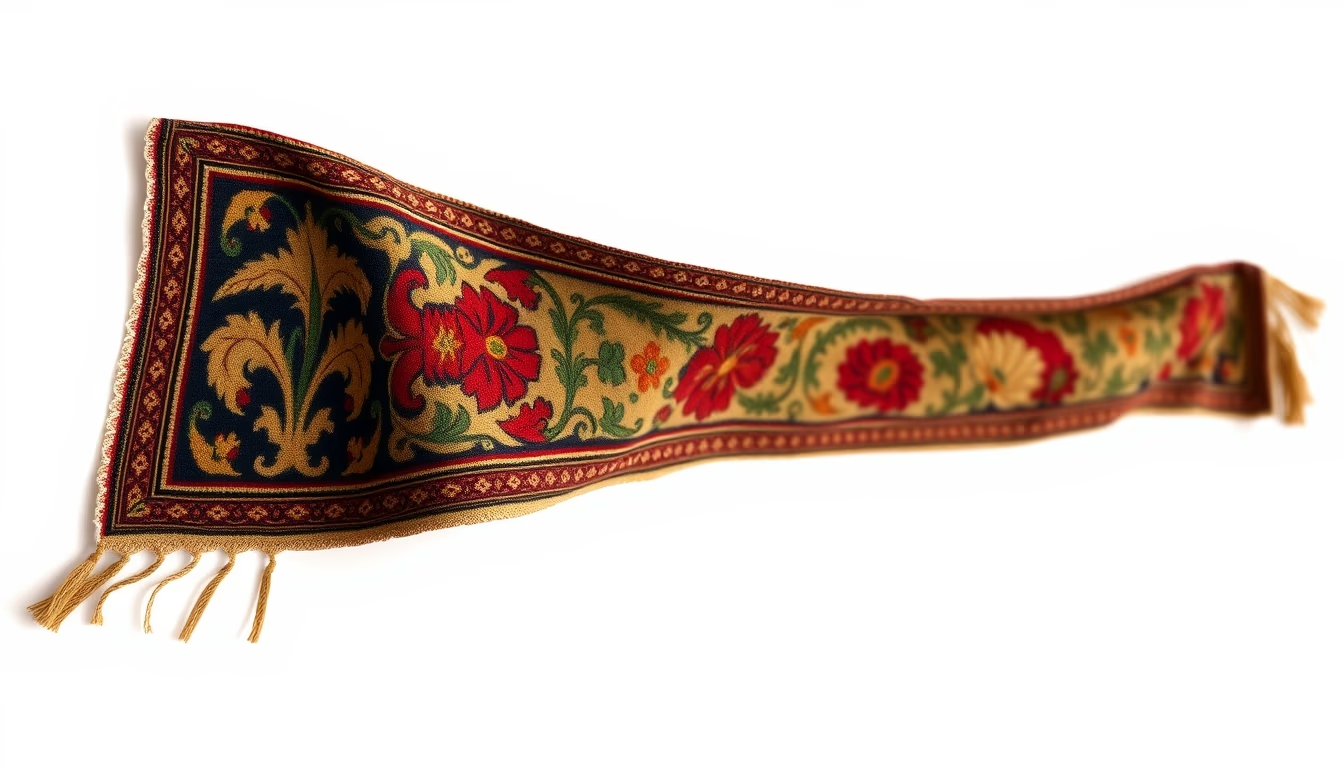
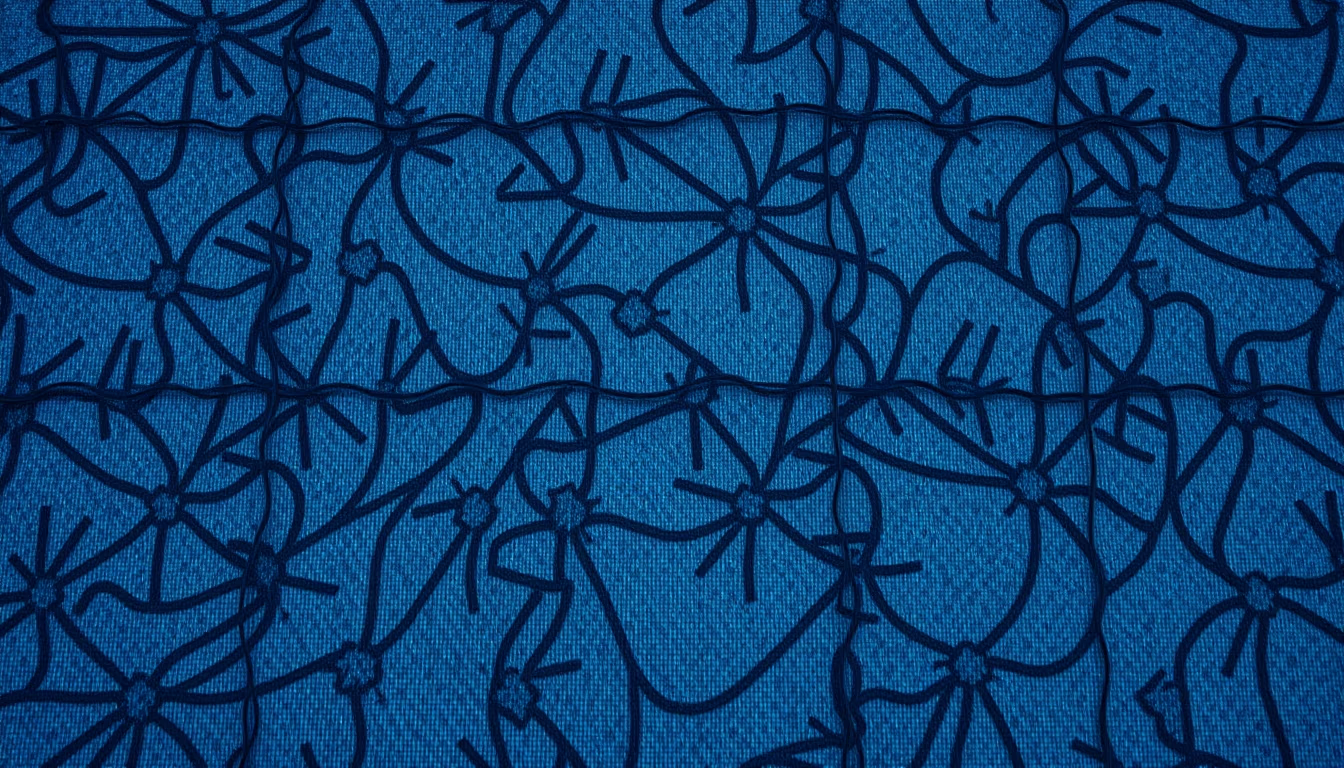
Crewel work, also known as crewel embroidery, is a form of embroidery that uses wool yarn to decorate fabric. Originating in 17th-century England, this style flourished during the Jacobean period, often applied to tapestries, cushions, and clothing. The wool used is traditionally two-ply, twisted, and dyed in vibrant colors, allowing for stitches such as satin stitch, stem stitch, and French knots. Typical motifs include stylized leaves, flowers, trees of life, and geometric patterns, influenced by Indian and Persian art brought by the East India Company trade.
The term "crewel" derives from an Anglo-Saxon word meaning "ball of wool." Historically, crewel work was a domestic female activity, but it also produced large-scale tapestries for manor houses. The most common ground fabric is linen or cotton with an open weave, such as crewel fabric or Java cloth. Unlike cross-stitch, crewel work does not follow a gridded chart but rather designs transferred onto the fabric. In the 19th century, interest in crewel revived with the Arts and Crafts movement, which valued handmade craftsmanship.
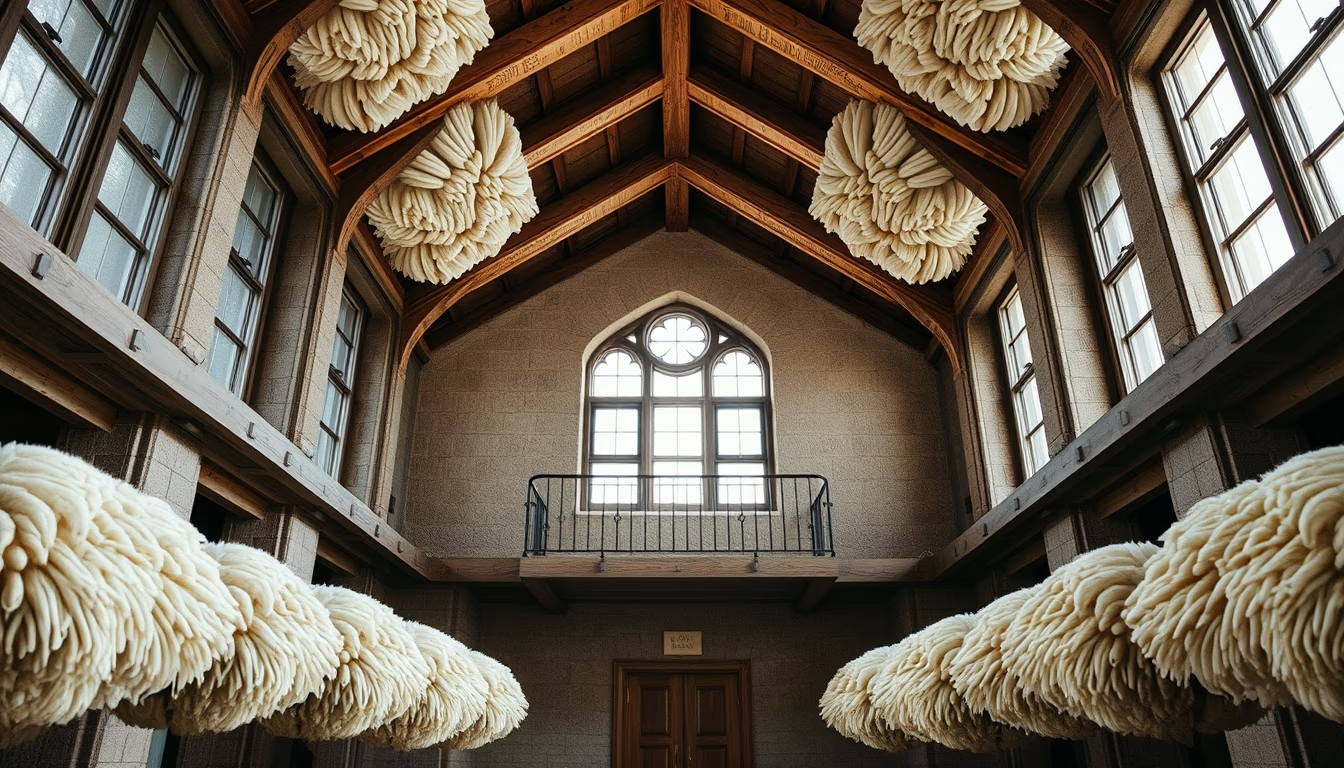
Today, crewel work is appreciated in contemporary embroidery projects, with kits and patterns available worldwide. Crewel wool is specially prepared for this purpose, being flexible and durable. Although traditionally used in tapestries, crewel appears also on cushions, bags, and decorative panels. Architectural photography may capture details of these embroideries in historic interiors or textile art exhibitions, highlighting the texture and chromatic richness of the wool.
Frequently Asked Questions
What is crewel work?
Crewel work is an embroidery technique using wool yarn to create decorative designs, originating in 17th-century England. It employs various stitches to produce textured floral or geometric patterns.
What type of wool is used for crewel work?
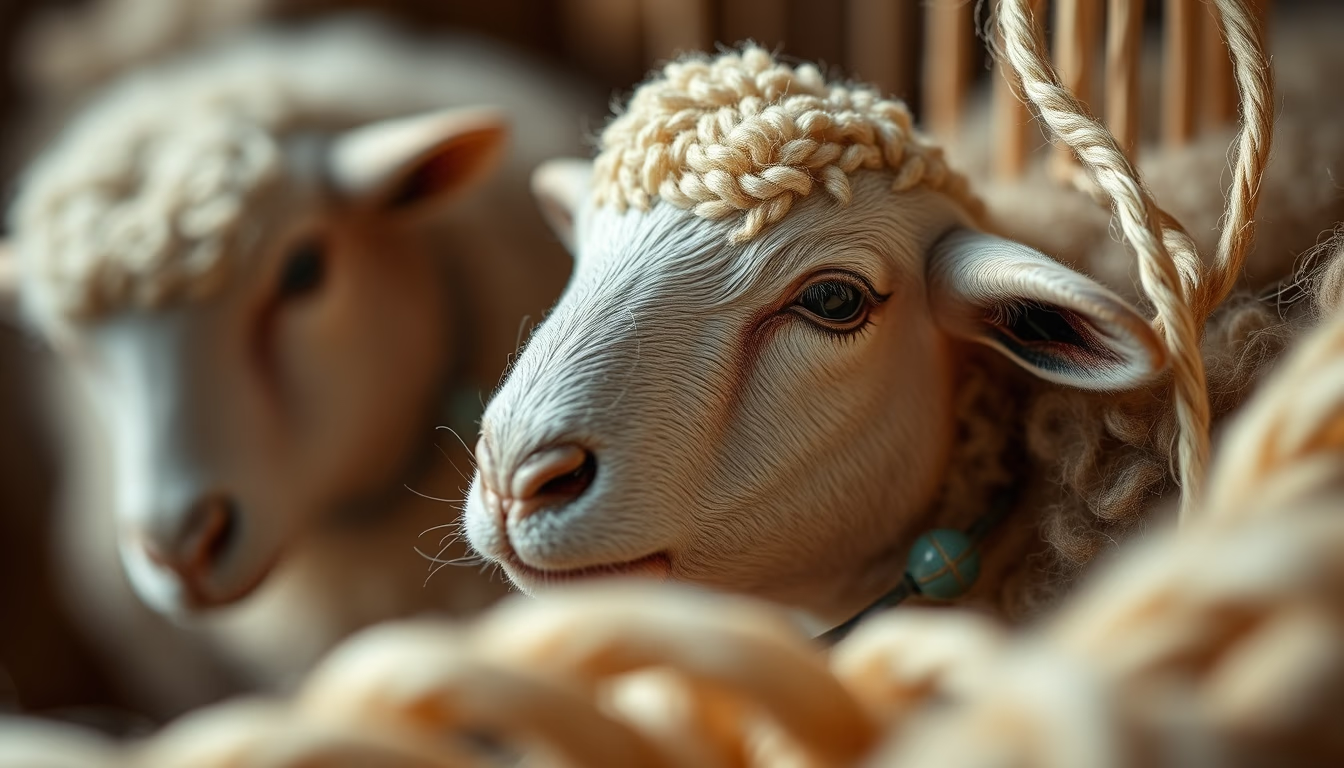
Crewel wool is typically two-ply, twisted, and dyed in vibrant colors. It is finer than knitting wool, allowing for detailed stitching.
How does crewel work differ from other embroidery?
Unlike cross-stitch, crewel work does not follow a gridded chart but uses transferred designs. It uses wool thread and a variety of stitches, resulting in a thicker, textured surface.
Direct URL
https://pub-c7d6a6ea828543ac903a74a341ccb2e1.r2.dev/imagens/crewel-work-wool-architectural-photography-fresh5.avifHow to credit
Include a visible link back to UtilizAí. Copy one of the snippets below:
<a href="https://xn--utiliza-eza.com/en/midia/imagens/crewel-work-wool-architectural-photography-fresh5">Crewel work wool</a> by <a href="https://xn--utiliza-eza.com">UtilizAí</a>, licensed under <a href="https://creativecommons.org/licenses/by/4.0/">CC BY 4.0</a>.
[Crewel work wool](https://xn--utiliza-eza.com/en/midia/imagens/crewel-work-wool-architectural-photography-fresh5) by [UtilizAí](https://xn--utiliza-eza.com), CC BY 4.0
License: CC-BY-4.0