Concert wristbands stack
1344×768 · AVIF · CC BY 4.0
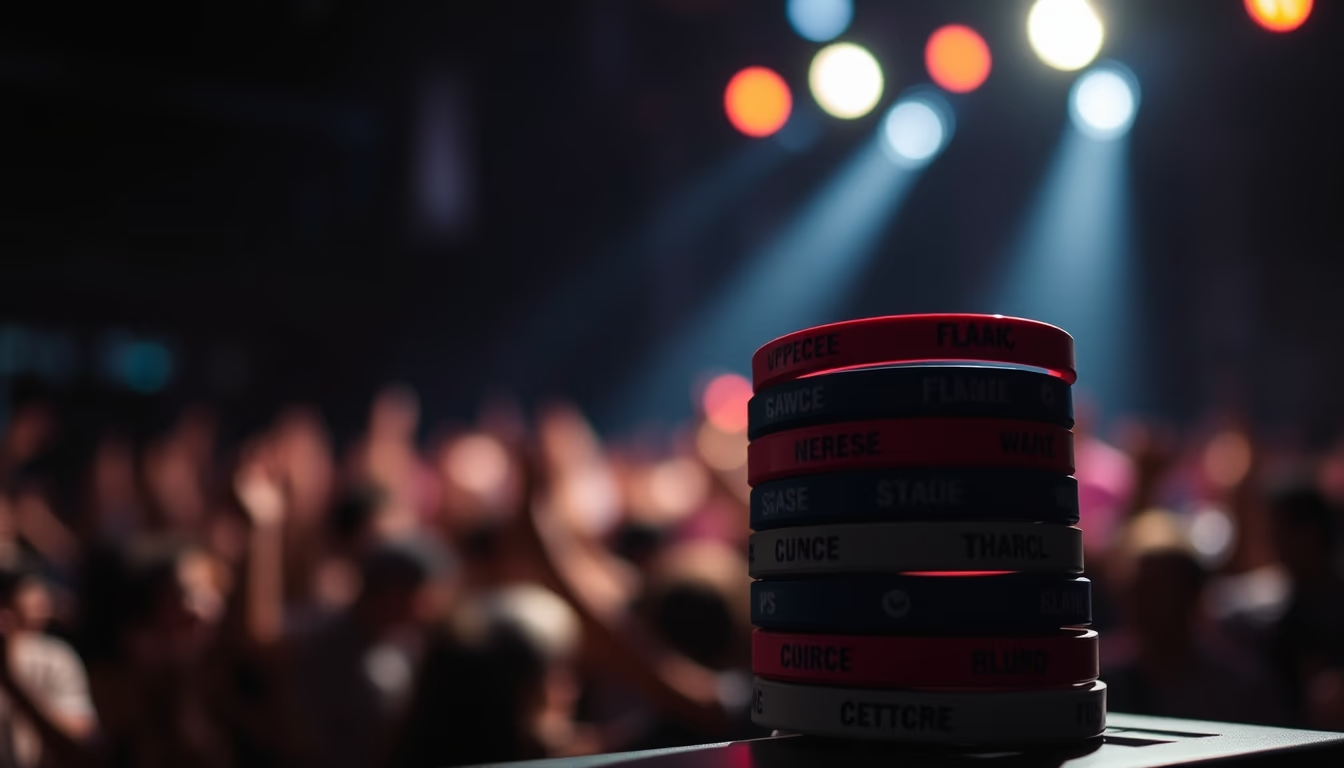
Concert wristbands stacked become symbols of musical memories and youth culture, each representing an unforgettable night.
About this subject
Concert wristbands are much more than disposable accessories: they serve as physical tokens of lived experiences. Used at festivals like Rock in Rio, Lollapalooza, and Tomorrowland, these strips of fabric, silicone, or plastic carry colors, logos, and names that refer to specific editions. For many attendees, collecting wristbands becomes a visual diary of nights of music, friendship, and emotion.
The origin of identification wristbands dates back to the 1980s, when large events began using them for access control. Over time, design became more sophisticated: anti-counterfeiting materials, vibrant colors, and even RFID technology for cashless payments. Rave culture and electronic music festivals popularized the habit of keeping wristbands on the wrist for days or weeks as a badge of belonging to a tribe.
Beyond sentimental value, wristbands gained status as collectible items. Fans trade, sell, and display their collections in frames or murals. Some limited editions, such as those from Glastonbury or Coachella, fetch high prices on resale sites. On the other hand, the excess of disposable wristbands raised environmental concerns, spurring recycling initiatives and reusable bands.
Interestingly, technology also transformed the function of wristbands. Models with RFID chips allow access to restricted areas, payment for goods, and even location tracking. At festivals like Primavera Sound, the wristband becomes a digital wallet, reducing queues and physical cash. This evolution shows how a simple object can condense memory, identity, and technological innovation.
Frequently Asked Questions
What do concert wristbands signify?
Concert wristbands are accessories used at live events for access control and identification. Over time, they became symbols of sentimental memories, belonging to musical tribes, and even collector's items.
How have festival wristbands evolved over time?
They evolved from simple paper or fabric strips to durable materials like silicone and plastic, with anti-counterfeiting features and RFID technology. Today, many function as digital wallets for contactless payments.
Why have concert wristbands become collector's items?
Because they represent unique experiences and limited editions from iconic festivals. Collectors value colors, logos, and rarity, creating a market for trading and selling, as well as displays in frames or albums.
Direct URL
https://pub-c7d6a6ea828543ac903a74a341ccb2e1.r2.dev/imagens/concert-wristbands-stack-fine-art-photography-p1.avifHow to credit
Include a visible link back to UtilizAí. Copy one of the snippets below:
<a href="https://xn--utiliza-eza.com/en/midia/imagens/concert-wristbands-stack-fine-art-photography-p1">Concert wristbands stack</a> by <a href="https://xn--utiliza-eza.com">UtilizAí</a>, licensed under <a href="https://creativecommons.org/licenses/by/4.0/">CC BY 4.0</a>.
[Concert wristbands stack](https://xn--utiliza-eza.com/en/midia/imagens/concert-wristbands-stack-fine-art-photography-p1) by [UtilizAí](https://xn--utiliza-eza.com), CC BY 4.0
License: CC-BY-4.0