Cocktail bar mixology
1344×768 · AVIF · CC BY 4.0
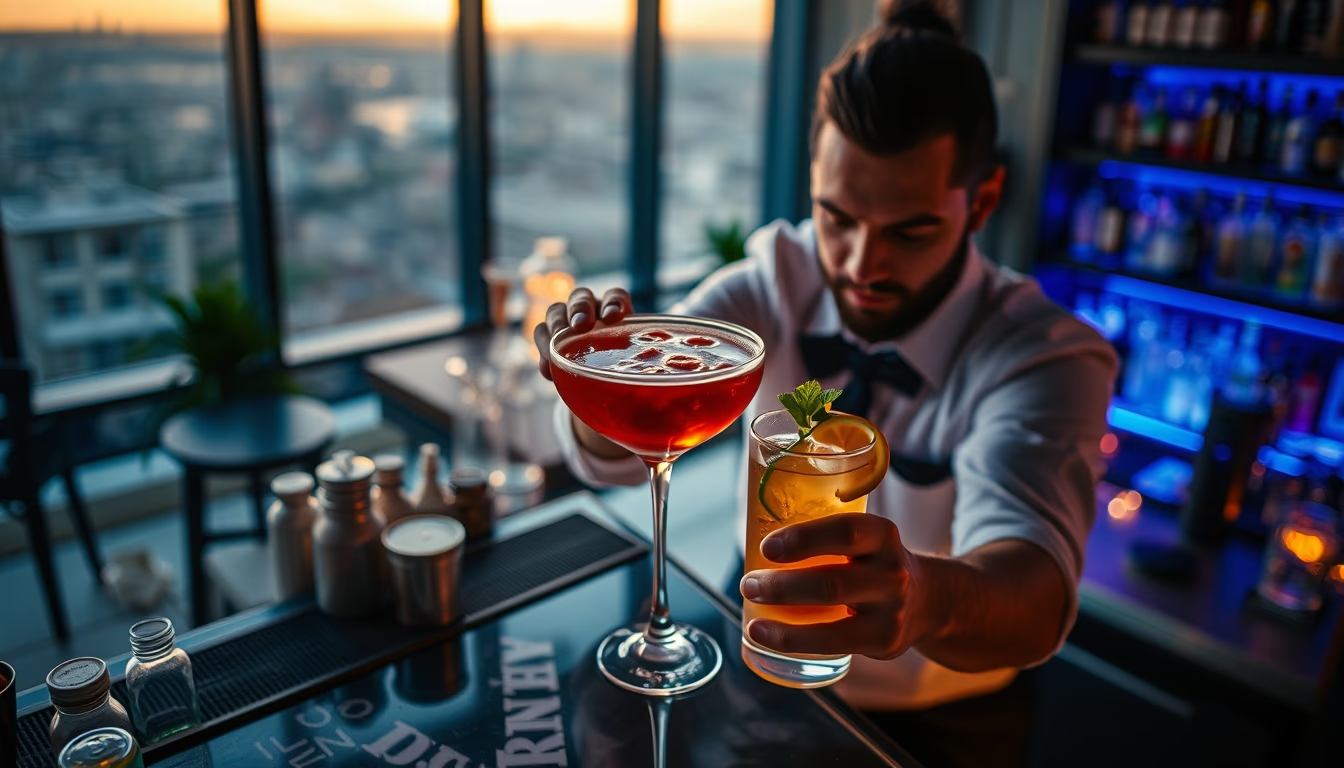
A arte da mixologia transforma ingredientes simples em experiências sensoriais, combinando técnica, criatividade e história em cada drink servido nos melhores bares do mundo.
Sobre o tema
A mixologia é a prática de criar coquetéis com domínio de técnicas, proporções e harmonização de sabores, indo além do simples preparo de bebidas. Surgiu formalmente no século XIX com a publicação do primeiro livro de coquetéis, mas ganhou status de arte a partir do movimento craft cocktail, que começou nos anos 2000 em cidades como Nova York, Londres e Tóquio. Bares como o Death & Co, Milk & Honey e o extinto Dandelyan estabeleceram novos padrões de qualidade, usando ingredientes frescos, xaropes artesanais e técnicas como clarificação, infusão a frio e carbonatação.
O Brasil tem papel relevante na mixologia global, principalmente pela cachaça e pela caipirinha, considerada patrimônio cultural imaterial. Bares como o Guilhotina e o Frank em São Paulo, além do Red House em Curitiba, são referências na aplicação de métodos clássicos e inovadores com insumos brasileiros, como tucupi, jambu e frutas amazônicas. A mixologia brasileira também explora a sustentabilidade, com aproveitamento integral de frutas e redução de resíduos.
Técnicas fundamentais incluem o shake (agitação com gelo para drinks que levam sucos e xaropes), o stir (mexida suave para bebidas apenas alcoólicas como o Martini) e o muddle (maceração de ervas e frutas). O uso correto do gelo, picado, em blocos ou esferas, influencia diluição e temperatura. Coquetéis clássicos como Negroni, Old Fashioned, Daiquiri e Margarita seguem receitas padronizadas, mas a mixologia contemporânea permite variações autorais, como o uso de fermentação láctica, espumas e óleos essenciais.
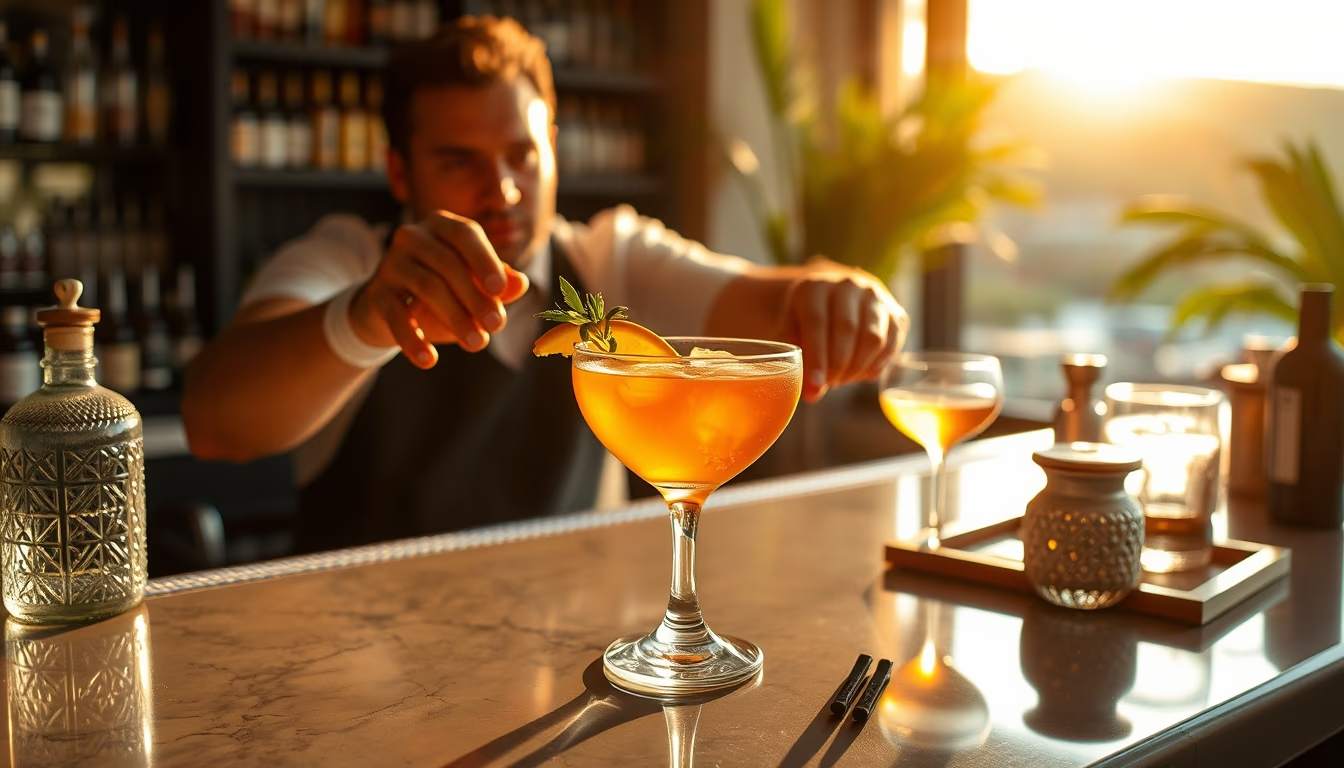
Atualmente, a tendência de low-ABV (baixo teor alcoólico) e mocktails impulsiona a criação de drinks sem álcool com mesma complexidade sensorial. A mixologia também dialoga com a gastronomia, em harmonizações e menus degustação. Eventos como o Tales of the Cocktail e o Manuscrito, no Brasil, celebram a inovação e a troca de conhecimento entre profissionais. A imagem de um bar de mixologia vista de cima revela a organização meticulosa da bancada, a simetria de garrafas e utensílios, e o fluxo controlado do preparo.
Perguntas frequentes
Como surgiu a mixologia?
A mixologia moderna tem raízes no século XIX, quando o primeiro livro de coquetéis foi publicado nos Estados Unidos em 1862 por Jerry Thomas. O termo 'mixologia' popularizou-se no início dos anos 2000 com o movimento craft cocktail, que resgatou técnicas clássicas e ingredientes frescos, elevando o bartender a uma posição de especialista.
Quais são os principais ingredientes de um bar de mixologia?
Além de destilados como gin, vodca, uísque, rum, tequila e cachaça, um bar de mixologia utiliza xaropes artesanais (de açúcar, mel, gengibre), bitters, frutas frescas, ervas, especiarias, águas aromáticas e gelo de diferentes formatos. Ingredientes como claras de ovo, leite e espumantes também são comuns.
Qual a diferença entre mixologia e bartending?
Bartending refere-se ao ato geral de servir bebidas em um bar, incluindo preparo rápido e atendimento ao cliente. Mixologia é uma especialização focada na ciência e arte da criação de coquetéis, com ênfase em técnicas, história e inovação dos sabores. Todo mixologista é bartender, mas nem todo bartender é mixologista.
URL direta
https://pub-c7d6a6ea828543ac903a74a341ccb2e1.r2.dev/imagens/cocktail-bar-mixology-aerial-drone-shot-p0.avifComo creditar
Inclua um link visível de volta pro UtilizAí. Copie um dos snippets abaixo:
<a href="https://xn--utiliza-eza.com/midia/imagens/cocktail-bar-mixology-aerial-drone-shot-p0">Cocktail bar mixology</a> by <a href="https://xn--utiliza-eza.com">UtilizAí</a>, licensed under <a href="https://creativecommons.org/licenses/by/4.0/">CC BY 4.0</a>.
[Cocktail bar mixology](https://xn--utiliza-eza.com/midia/imagens/cocktail-bar-mixology-aerial-drone-shot-p0) by [UtilizAí](https://xn--utiliza-eza.com), CC BY 4.0
Licença: CC-BY-4.0