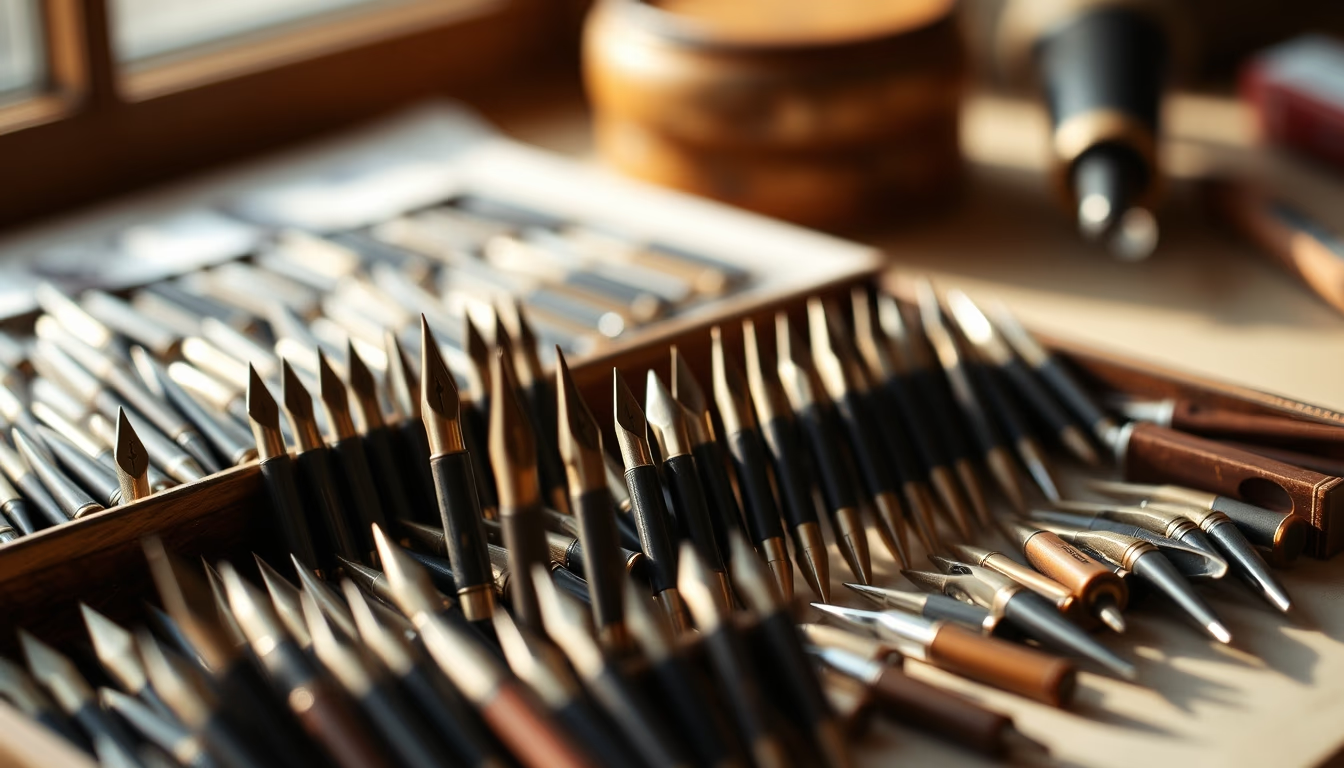
Calligraphy nibs collection
1344×768 · AVIF · CC BY 4.0
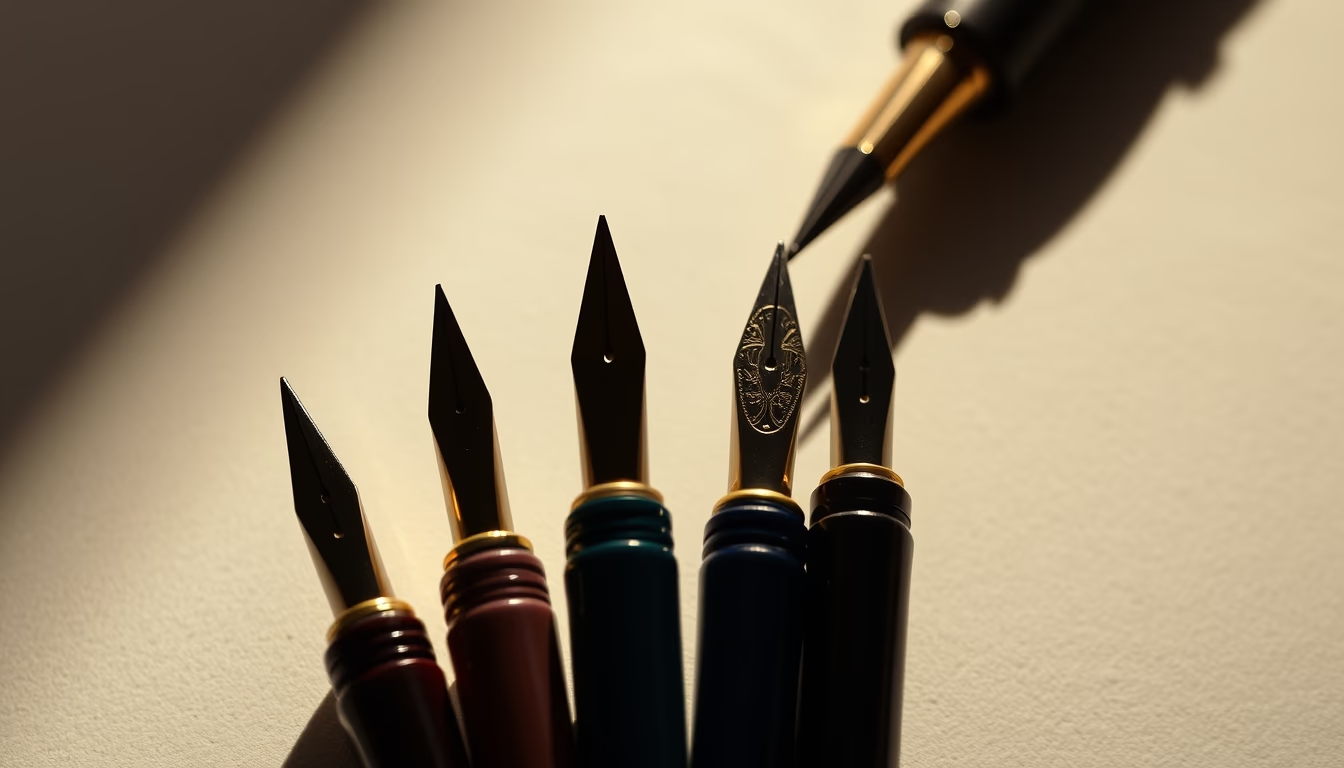
Conheça uma ampla coleção de bicos de caneta para caligrafia, com diferentes tipos, materiais e usos históricos e contemporâneos.
Sobre o tema
Os bicos de caneta para caligrafia são ferramentas essenciais para a prática dessa arte milenar. Eles variam em formato, tamanho e material, influenciando diretamente o traço e o estilo da escrita. Entre os tipos mais comuns estão os bicos pontiagudos, usados na caligrafia copperplate e spenceriana, e os bicos de ponta larga, empregados em estilos como itálico, gótico e uncial. Cada modelo oferece uma experiência única, com flexibilidade e largura de traço que podem ser ajustadas conforme a técnica do calígrafo.
A fabricação de bicos de metal remonta ao século XIX, quando substituíram as penas de ave (quills). A invenção do bico de aço revolucionou a caligrafia, tornando a escrita mais consistente e durável. Hoje, os materiais mais comuns são aço inoxidável, latão e ouro. Bicos de ouro são mais flexíveis e macios, ideais para caligrafia com variação de pressão, enquanto os de aço são mais rígidos e acessíveis. Além disso, existem bicos específicos para efeitos decorativos, como os bicos de pincel e os de tinta sumi (sumi-e).
A escolha do bico depende do estilo de caligrafia, do suporte (papel) e da tinta utilizada. Calígrafos experientes possuem uma coleção variada, pois cada bico se adapta melhor a um tipo de trabalho. Por exemplo, bicos flexíveis exigem tinta mais fluida e papel resistente, enquanto bicos rígidos são indicados para iniciantes. A manutenção dos bicos é crucial para prolongar sua vida útil, sendo necessário limpá-los após o uso para evitar entupimentos e corrosão.
Curiosamente, a produção de bicos artesanais ainda existe em pequenas fábricas na Europa e no Japão, mantendo tradições seculares. Marcas como Brause, Tachikawa, Nikko e Leonardt são referências no mercado. A diversidade de bicos permite desde a escrita formal em documentos históricos até a arte contemporânea em ilustrações e lettering. Colecionadores e artistas valorizam modelos raros e vintage, que contam a evolução da caligrafia ao longo dos séculos.
Perguntas frequentes
Qual a diferença entre um bico pontiagudo e um bico de ponta larga?
O bico pontiagudo produz traços finos e grossos variando a pressão, ideal para caligrafia copperplate e spenceriana. O bico de ponta larga mantém largura constante, usado para estilos como itálico, gótico e uncial.
Como escolher o bico de caneta ideal para iniciantes?
Iniciantes devem optar por bicos de aço rígidos e de ponta larga, como os de tamanho 2 a 4 mm, que oferecem maior controle e menos respingos. Marcas como Speedball e Brause possuem kits para iniciantes.
Como limpar e conservar os bicos de caligrafia?
Após o uso, limpe o bico com água fria (nunca quente) e seque com um pano macio. Evite deixar tinta secar; para manchas persistentes, use uma solução de água com gotas de detergente neutro ou removedor próprio.
URL direta
https://pub-c7d6a6ea828543ac903a74a341ccb2e1.r2.dev/imagens/calligraphy-nibs-collection-rembrandt-lighting-dramatic-shadows-fresh17.avifComo creditar
Inclua um link visível de volta pro UtilizAí. Copie um dos snippets abaixo:
<a href="https://xn--utiliza-eza.com/midia/imagens/calligraphy-nibs-collection-rembrandt-lighting-dramatic-shadows-fresh17">Calligraphy nibs collection</a> by <a href="https://xn--utiliza-eza.com">UtilizAí</a>, licensed under <a href="https://creativecommons.org/licenses/by/4.0/">CC BY 4.0</a>.
[Calligraphy nibs collection](https://xn--utiliza-eza.com/midia/imagens/calligraphy-nibs-collection-rembrandt-lighting-dramatic-shadows-fresh17) by [UtilizAí](https://xn--utiliza-eza.com), CC BY 4.0
Licença: CC-BY-4.0