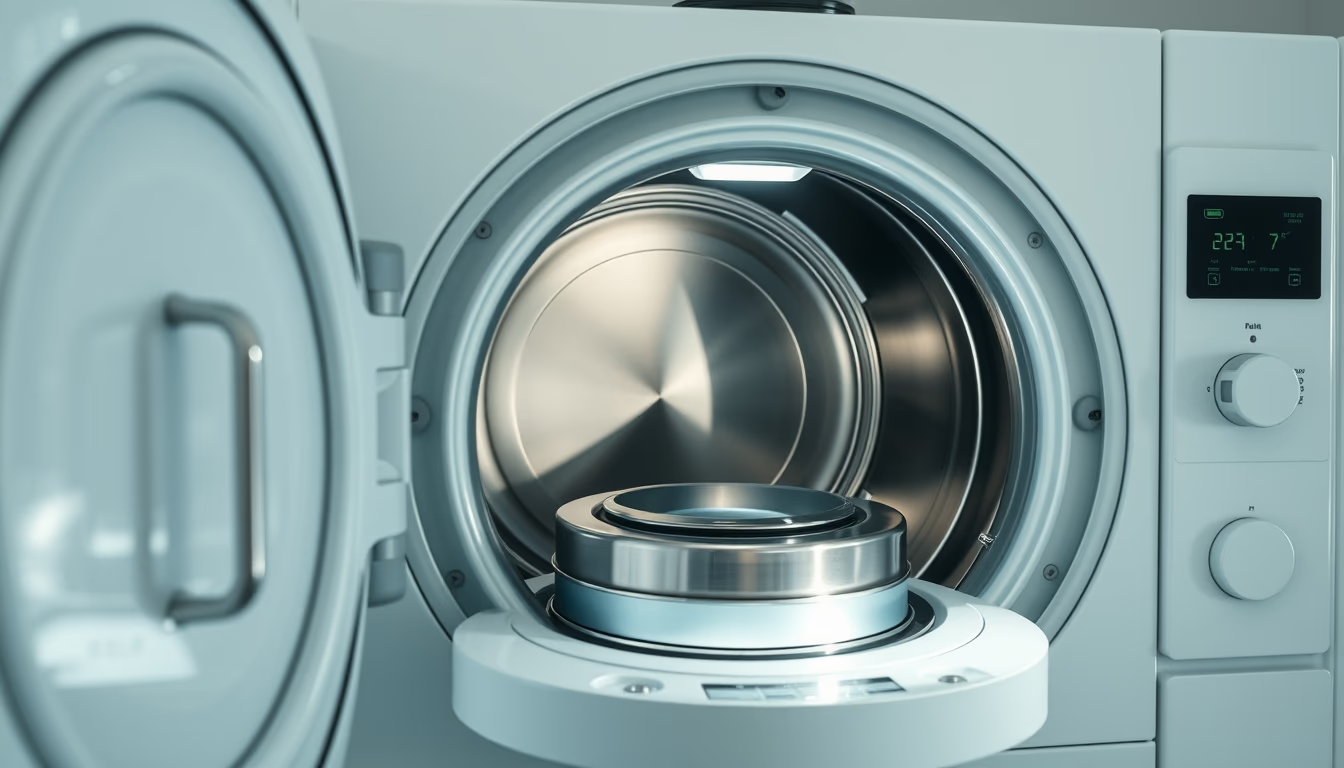
Autoclave sterilizer
1344×768 · AVIF · CC BY 4.0
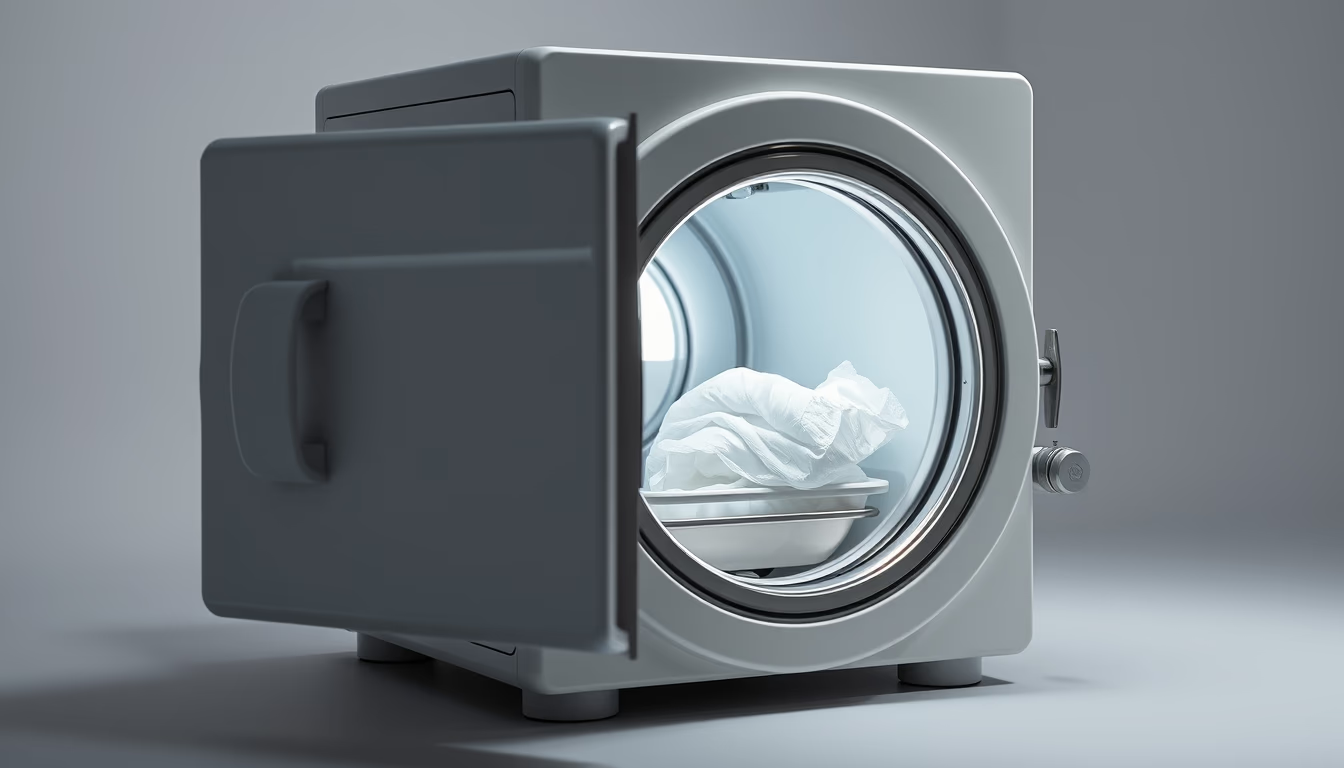
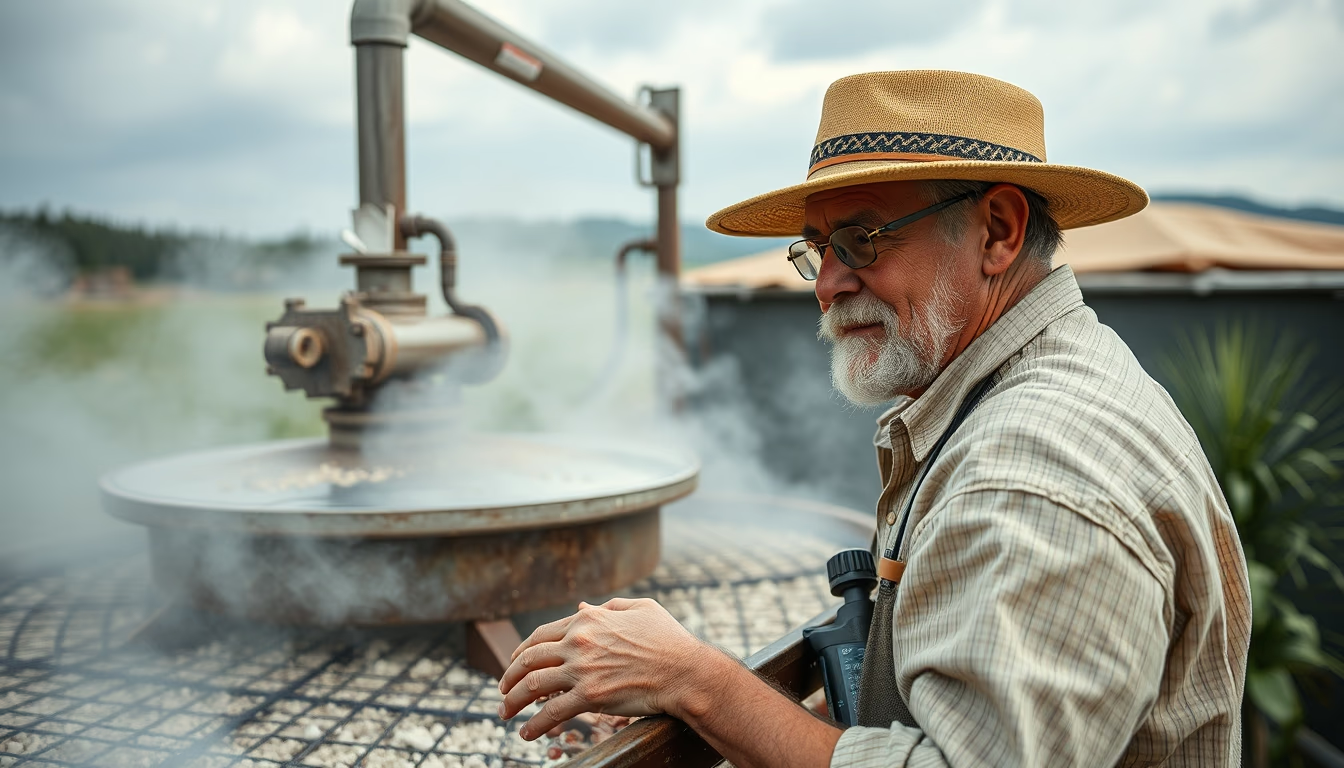
Autoclave sterilizer: essential equipment for steam sterilization in laboratories and hospitals, using high temperature and pressure to eliminate microorganisms.
About this subject
An autoclave is equipment used to sterilize materials through pressurized steam. Its principle of operation was developed in the late 19th century by Charles Chamberland, a collaborator of Louis Pasteur. The autoclave operates at temperatures typically ranging from 121°C to 134°C, with pressure around 1.0 to 2.0 kgf/cm². This process, known as autoclaving, is capable of destroying bacteria, viruses, fungi, and spores, making it a reliable method widely employed in microbiology labs, dental clinics, and hospitals.
There are different types of autoclaves, such as vertical and horizontal models, varying in capacity and control features. Modern autoclaves feature microprocessor-controlled systems ensuring precise cycles and operational safety. The sterilization cycle includes heating, steam exposure, and cooling phases. For heat-sensitive materials, vacuum-cycle autoclaves remove air before steam injection, ensuring better penetration.
Regular maintenance of the autoclave is crucial for its effectiveness. Biological tests using spore indicators are performed periodically to validate sterilization. In Brazil, ANVISA regulates the use of autoclaves in healthcare facilities. Autoclaves are also used in the food industry for sterilizing canned goods and in research labs for safe disposal of biological waste. Their importance in preventing infections and contamination is undeniable.
Frequently Asked Questions
What is the ideal temperature and pressure for an autoclave?
Most autoclaves operate at 121°C with a pressure of 1.0 kgf/cm² (about 15 psi) for cycles of 15 to 30 minutes, or at 134°C with 2.0 kgf/cm² for faster cycles. These parameters ensure effective sterilization.
What materials can be autoclaved?
Heat- and moisture-resistant materials such as glass, metal, some plastics (polypropylene), cotton fabrics, and surgical instruments. Heat-sensitive items like disposable syringes should not be autoclaved.
How to check if the autoclave is working correctly?
Biological indicators like spore strips of Geobacillus stearothermophilus and chemical indicators that change color when exposed to steam at the correct temperature are used. Tests should be performed periodically as per manufacturer protocol.
Direct URL
https://pub-c7d6a6ea828543ac903a74a341ccb2e1.r2.dev/imagens/autoclave-sterilizer-studio-still-life-fresh7.avifHow to credit
Include a visible link back to UtilizAí. Copy one of the snippets below:
<a href="https://xn--utiliza-eza.com/en/midia/imagens/autoclave-sterilizer-studio-still-life-fresh7">Autoclave sterilizer</a> by <a href="https://xn--utiliza-eza.com">UtilizAí</a>, licensed under <a href="https://creativecommons.org/licenses/by/4.0/">CC BY 4.0</a>.
[Autoclave sterilizer](https://xn--utiliza-eza.com/en/midia/imagens/autoclave-sterilizer-studio-still-life-fresh7) by [UtilizAí](https://xn--utiliza-eza.com), CC BY 4.0
License: CC-BY-4.0