Autoclave sterilizer
1344×768 · AVIF · CC BY 4.0
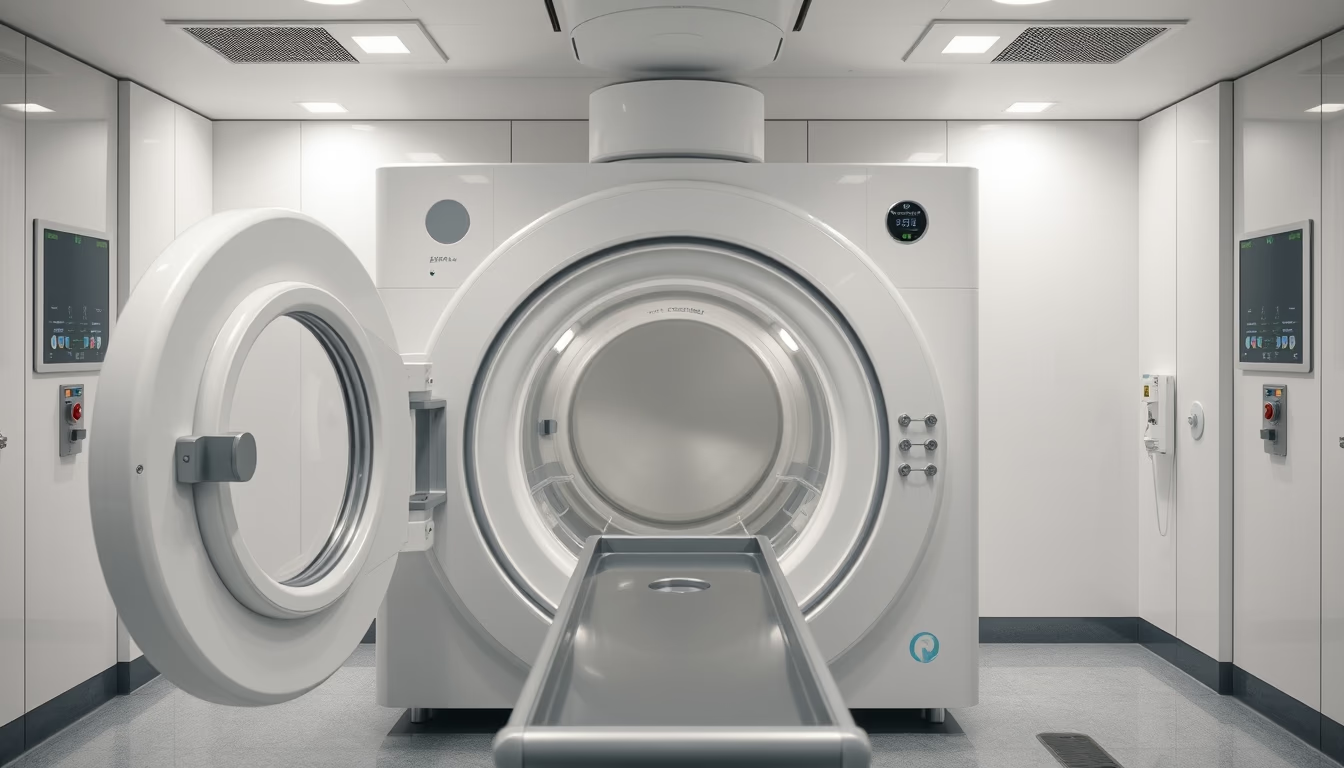
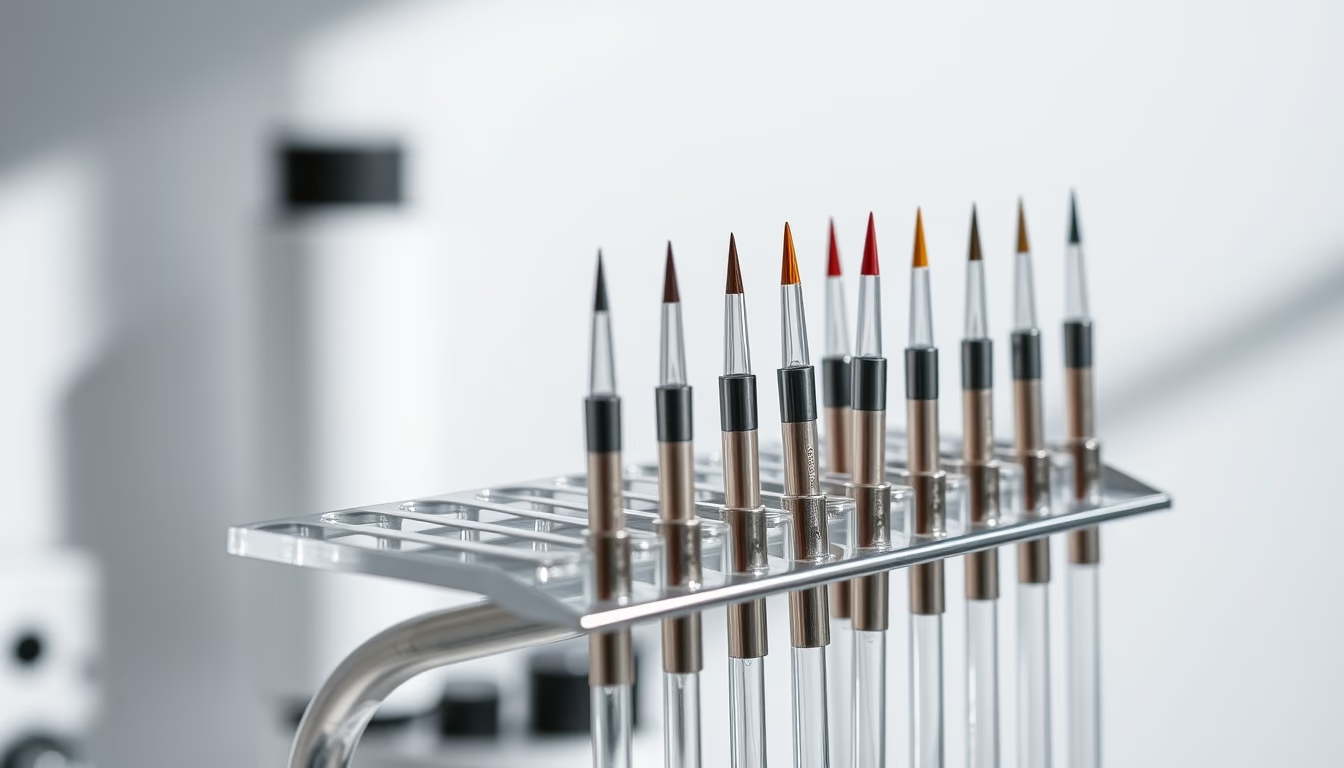
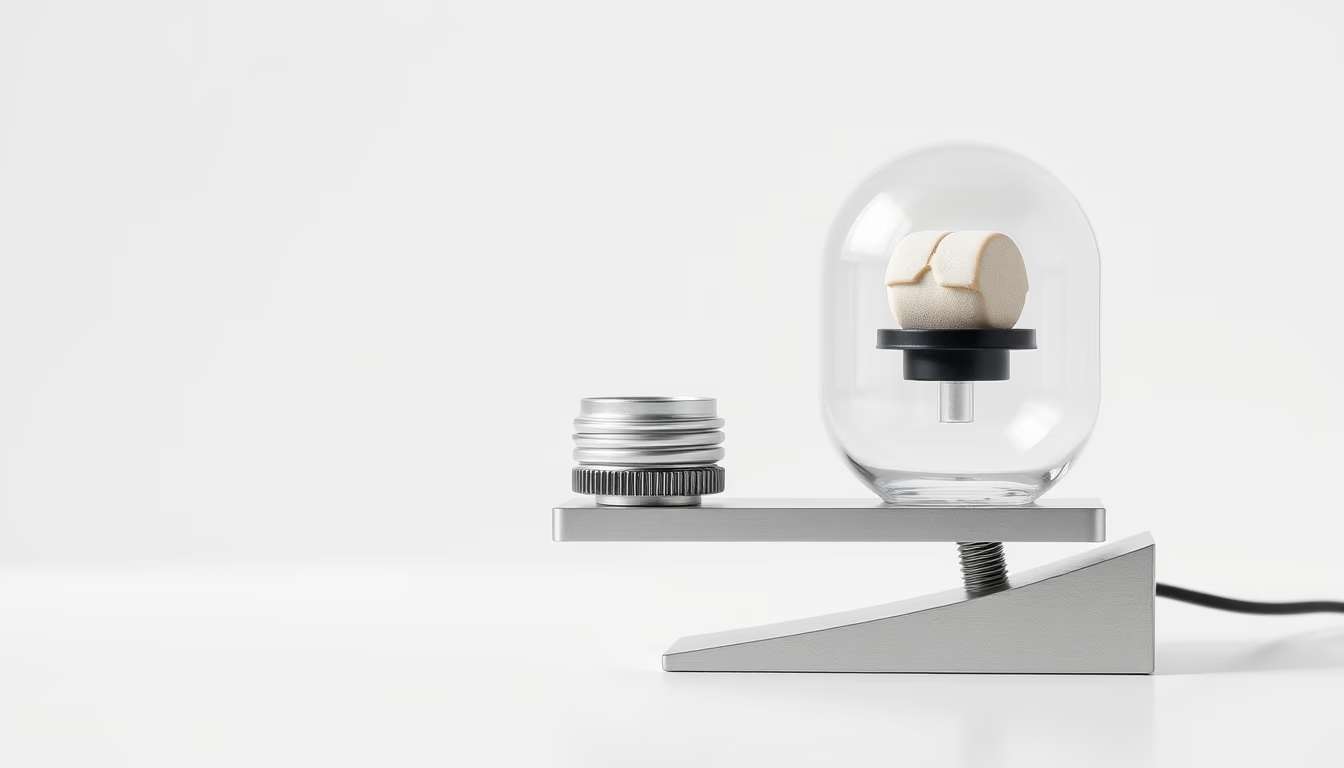
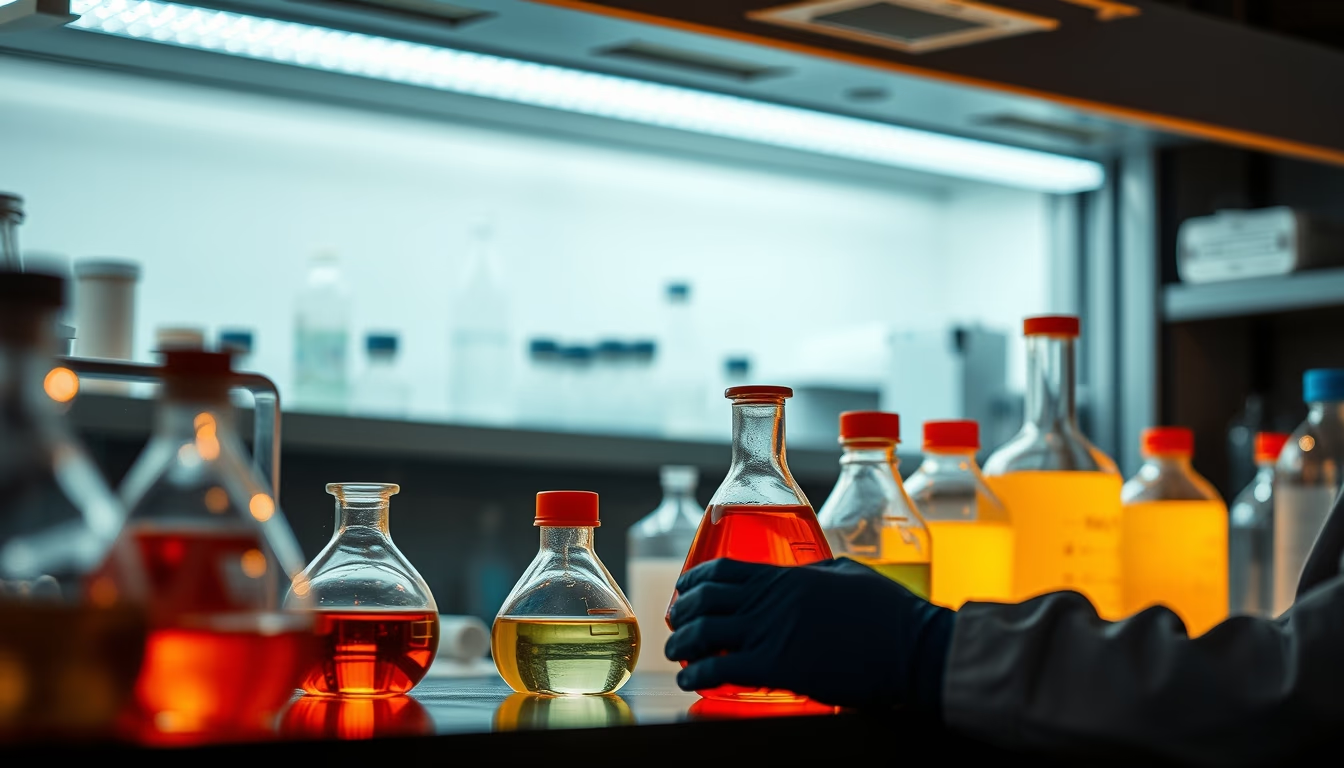
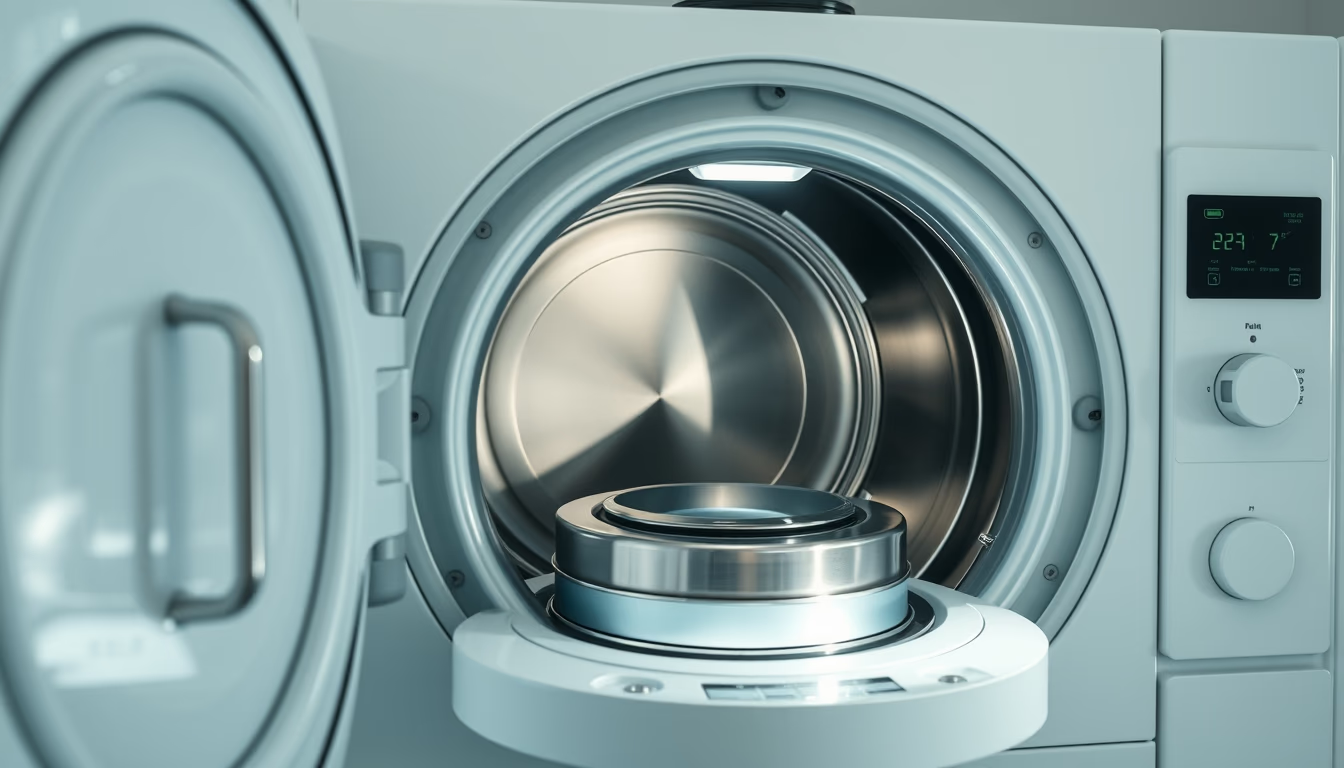
Autoclave sterilizer, essential equipment in laboratories and hospitals for steam sterilization under pressure, eliminating microorganisms from instruments and materials.
About this subject
An autoclave is a device that uses steam under pressure to sterilize materials, eliminating bacteria, viruses, fungi, and spores. Its operating principle relies on exposing objects to temperatures between 121°C and 134°C for a set period, usually 15 to 30 minutes. This process is essential in microbiology labs, hospitals, dental clinics, and pharmaceutical industries to ensure the sterility of surgical instruments, glassware, and culture media.
The first practical autoclave was invented by French microbiologist Charles Chamberland in 1879, as an evolution of the pressure cooker. Chamberland worked with Louis Pasteur and needed a reliable method to sterilize equipment. Since then, the device has become indispensable in environments requiring infection control. Different types exist: gravity displacement autoclaves, which remove air by gravity, and vacuum autoclaves, which use pumps to eliminate air before steam injection, ensuring uniform penetration.
Safety in operation is critical, as high pressure and temperature can cause accidents. Therefore, modern models feature safety locks, sensors, and programmable cycles. Beyond healthcare, autoclaves are used to sterilize substrates for mushroom cultivation, treat biological waste, and in the food industry. A typical cycle includes heating, exposure, exhaust, and drying, varying by material. Items such as heat-sensitive plastics, liquids in sealed containers, and flammable materials should not be autoclaved.
Frequently Asked Questions
What is the difference between an autoclave and an oven?
An autoclave uses steam under pressure to sterilize, reaching temperatures of 121°C to 134°C. An oven uses dry hot air, typically at 170°C for 2 hours, being slower and suitable for heat-resistant materials like glass and metal.
How long does an autoclave cycle take?
It depends on the type and size of the load. A typical cycle for solid instruments takes 15 to 30 minutes at 121°C or 3 to 15 minutes at 134°C. Including heating, exposure, and drying, the total time is usually 30 to 60 minutes.
Which materials cannot be autoclaved?
Heat-sensitive materials such as some plastics (polycarbonate, low-density polyethylene), liquids in hermetically sealed containers, sharp objects that may damage gaskets, and flammable or volatile substances should not be autoclaved.
Direct URL
https://pub-c7d6a6ea828543ac903a74a341ccb2e1.r2.dev/imagens/autoclave-sterilizer-architectural-photography-fresh4.avifHow to credit
Include a visible link back to UtilizAí. Copy one of the snippets below:
<a href="https://xn--utiliza-eza.com/en/midia/imagens/autoclave-sterilizer-architectural-photography-fresh4">Autoclave sterilizer</a> by <a href="https://xn--utiliza-eza.com">UtilizAí</a>, licensed under <a href="https://creativecommons.org/licenses/by/4.0/">CC BY 4.0</a>.
[Autoclave sterilizer](https://xn--utiliza-eza.com/en/midia/imagens/autoclave-sterilizer-architectural-photography-fresh4) by [UtilizAí](https://xn--utiliza-eza.com), CC BY 4.0
License: CC-BY-4.0