Archaeological dig site
1344×768 · AVIF · CC BY 4.0
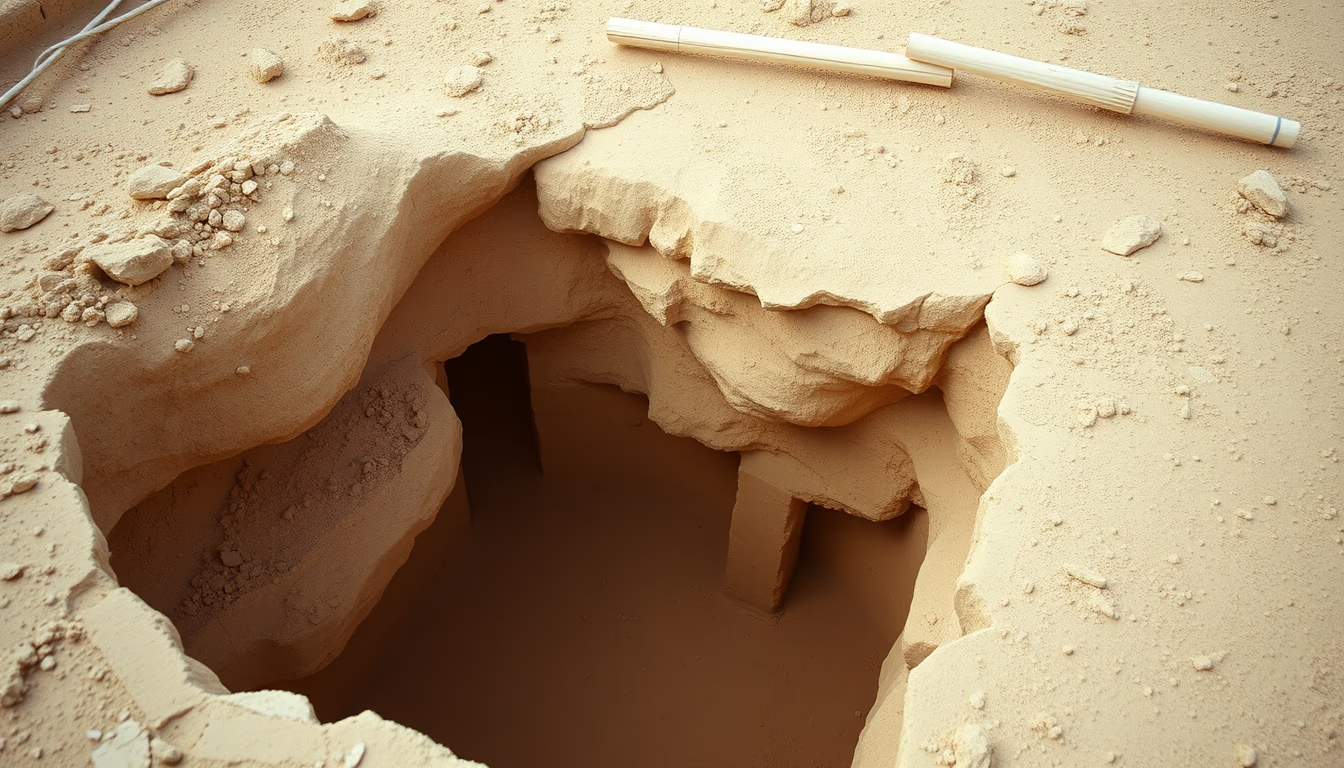
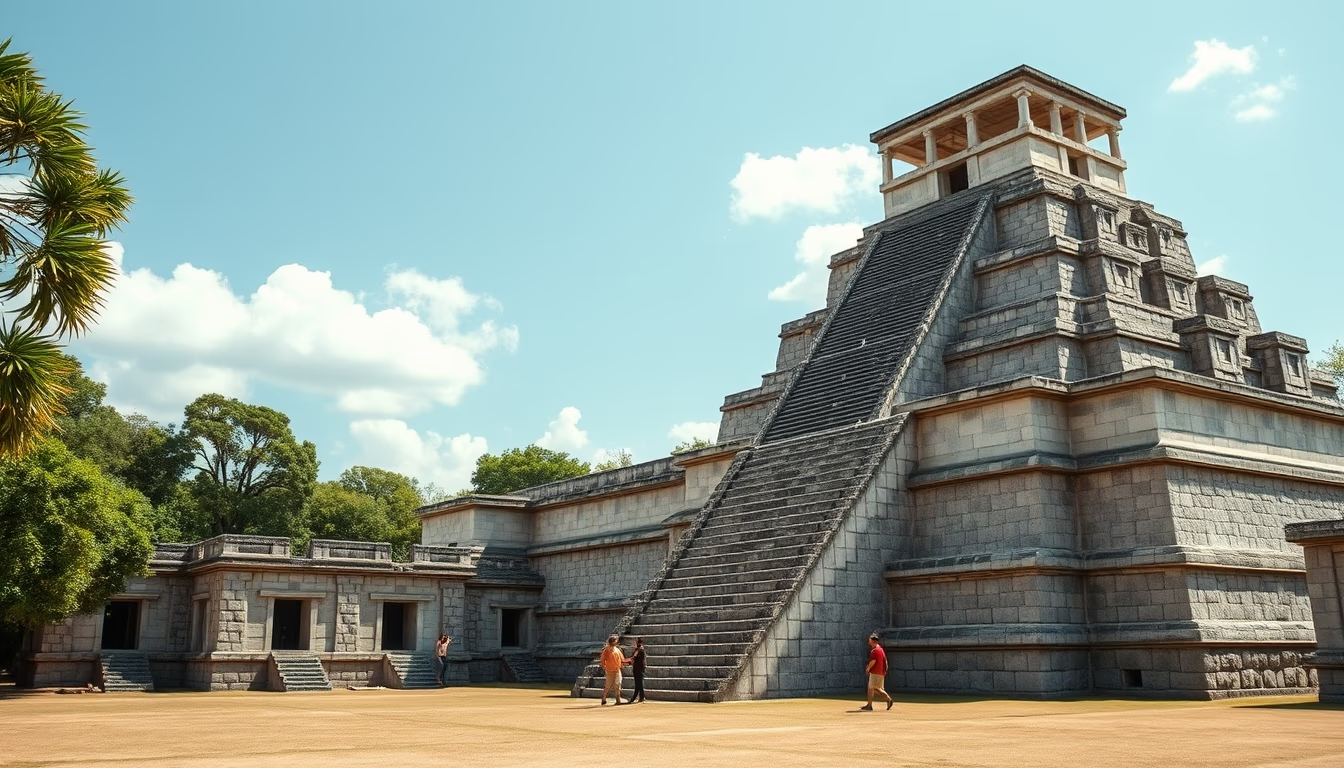
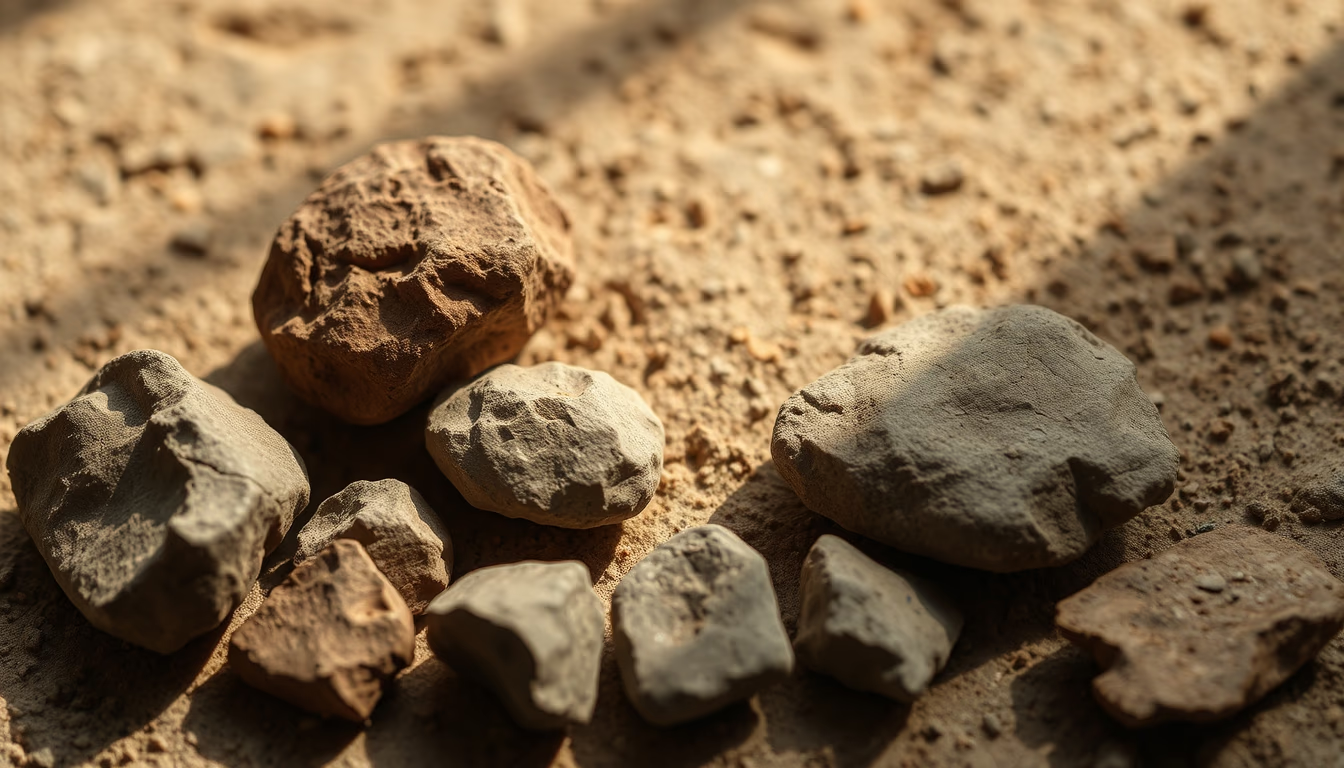
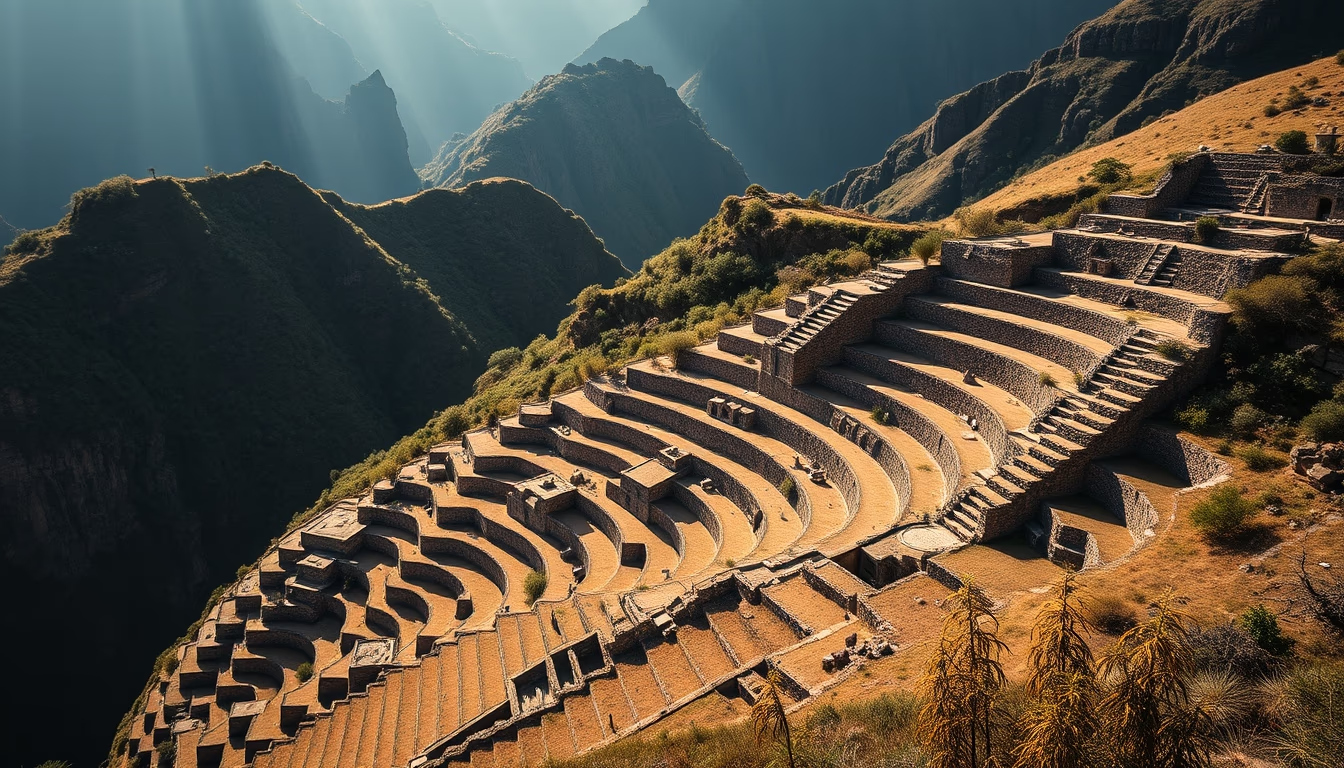
Sítios arqueológicos revelam vestígios de civilizações passadas através de escavações sistemáticas e análise de artefatos.
Sobre o tema
Sítios arqueológicos são locais onde evidências da atividade humana passada são preservadas no solo, como ferramentas, cerâmicas, estruturas e ossos. Escavações arqueológicas seguem métodos rigorosos para registrar cada camada de solo, permitindo datar objetos e reconstruir modos de vida. No Brasil, sítios como os da Serra da Capivara (Piauí) contêm pinturas rupestres com mais de 10 mil anos, enquanto na região amazônica, geoglifos e terra preta indicam ocupações complexas pré-coloniais.
Globalmente, sítios famosos incluem Pompeia (Itália), soterrada pela erupção do Vesúvio em 79 d.C., e Machu Picchu (Peru), cidade inca do século XV. A arqueologia subaquática também explora naufrágios, como o Titanic. Técnicas como datação por carbono-14, radar de penetração no solo e análise de pólen ajudam a interpretar o contexto ambiental e cronológico.
Escavações enfrentam desafios como erosão, saques e urbanização. A preservação é prioritária: muitos sítios são protegidos por leis e geridos por museus ou universidades. A participação de comunidades locais é cada vez mais valorizada, integrando conhecimentos tradicionais. Novas tecnologias, como drones e scanners 3D, permitem documentar sítios sem danificá-los.
Perguntas frequentes
Como os arqueólogos escolhem onde escavar?
A escolha envolve prospecção superficial, imagens de satélite, radar de solo e análises de documentos históricos. Sítios conhecidos por relatos locais ou acidentes (como obras) também são investigados.
Qual a diferença entre sítio arqueológico e paleontológico?
Sítios arqueológicos contêm vestígios de atividade humana (ferramentas, construções). Sítios paleontológicos preservam fósseis de animais e plantas pré-históricos sem intervenção humana.
É permitido visitar sítios arqueológicos no Brasil?
Sim, muitos sítios abertos ao público, como o Parque Nacional Serra da Capivara. A visita deve ser acompanhada por guias autorizados para preservação do patrimônio.
URL direta
https://pub-c7d6a6ea828543ac903a74a341ccb2e1.r2.dev/imagens/archaeological-dig-site-lo-fi-disposable-camera-p8.avifComo creditar
Inclua um link visível de volta pro UtilizAí. Copie um dos snippets abaixo:
<a href="https://xn--utiliza-eza.com/midia/imagens/archaeological-dig-site-lo-fi-disposable-camera-p8">Archaeological dig site</a> by <a href="https://xn--utiliza-eza.com">UtilizAí</a>, licensed under <a href="https://creativecommons.org/licenses/by/4.0/">CC BY 4.0</a>.
[Archaeological dig site](https://xn--utiliza-eza.com/midia/imagens/archaeological-dig-site-lo-fi-disposable-camera-p8) by [UtilizAí](https://xn--utiliza-eza.com), CC BY 4.0
Licença: CC-BY-4.0