Arabic calligraphy mosque
1344×768 · AVIF · CC BY 4.0
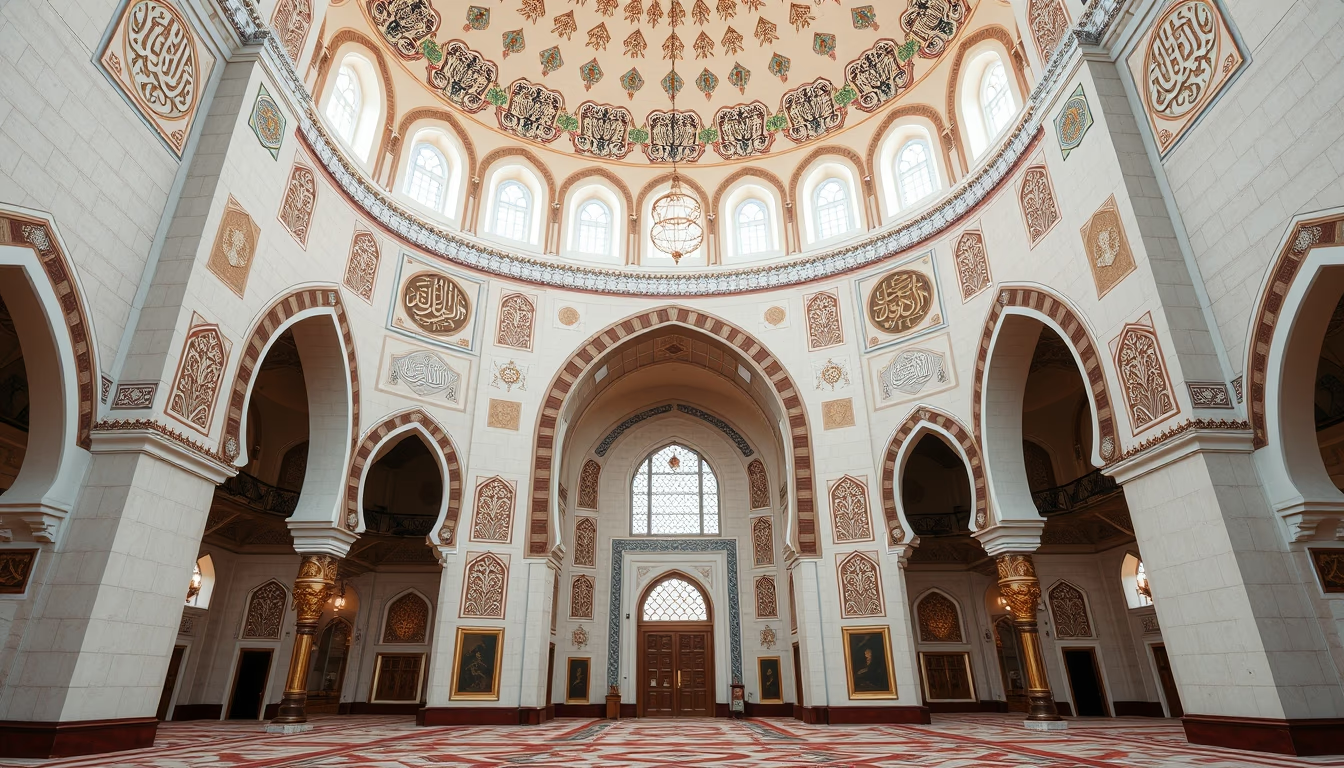
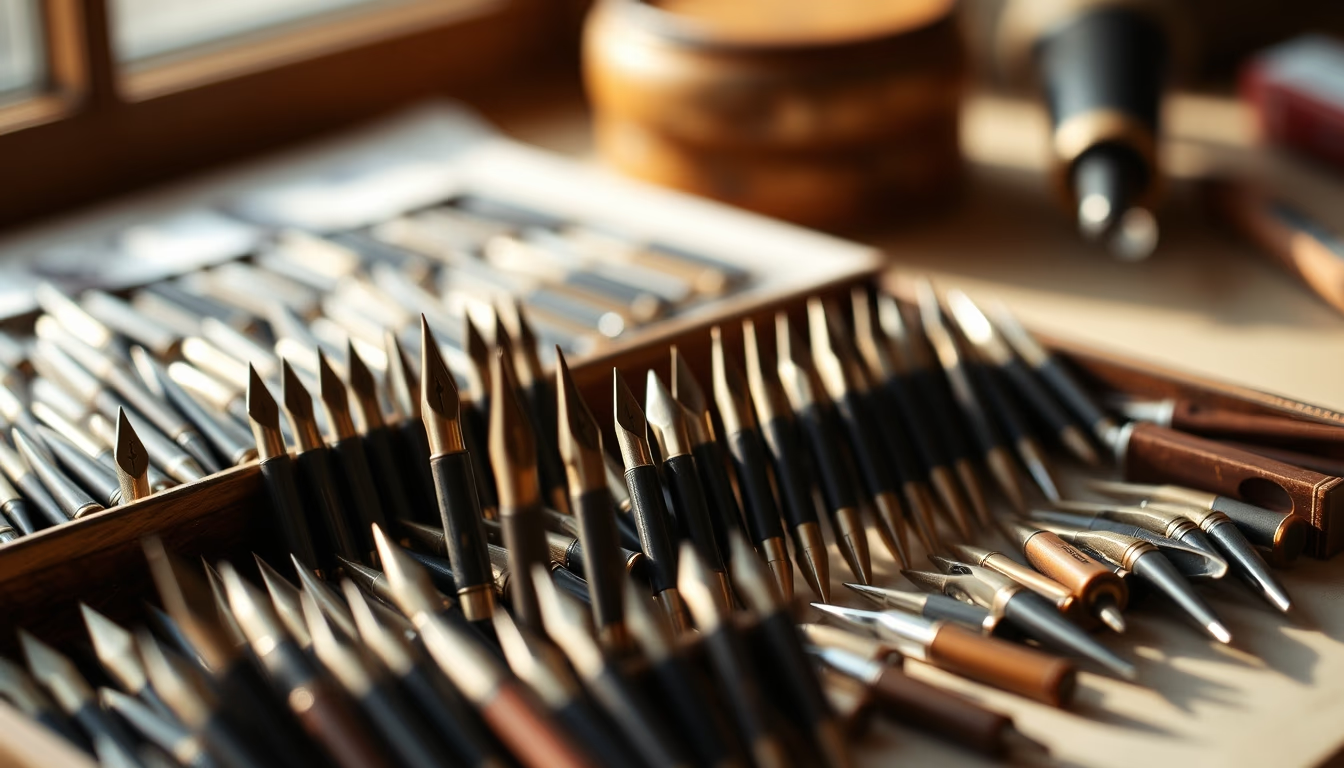
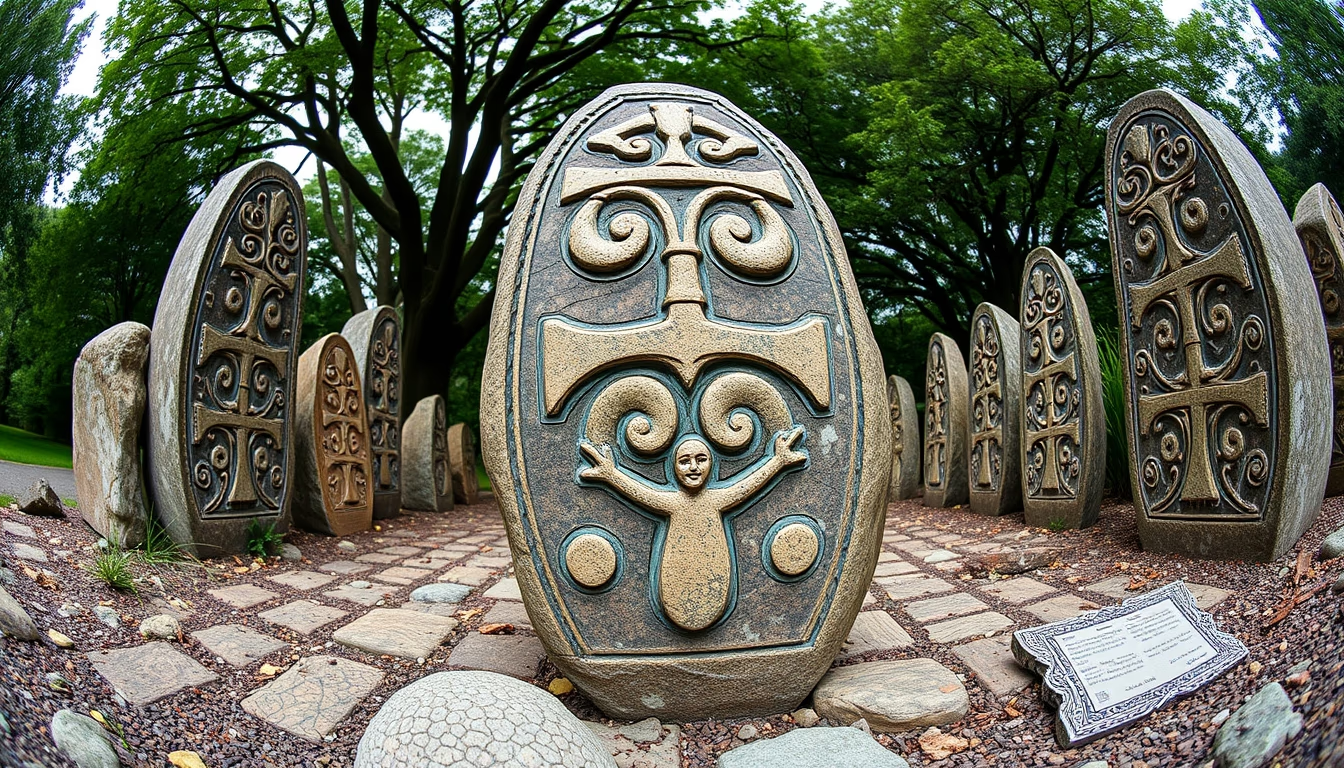
The art of Arabic calligraphy in mosques combines religious tradition and aesthetic expression, decorating walls and domes with verses from the Quran.
About this subject
Arabic calligraphy is a central art form in Islamic architecture, especially in mosques. Since the early centuries of Islam, verses from the Quran have been inscribed on walls, mihrabs, and domes, serving both decoration and reminder of faith. The inscriptions often employ styles such as Kufic, with angular and geometric strokes, or Naskh, more cursive and legible.
Historically, the Dome of the Rock in Jerusalem and the Great Mosque of Córdoba display notable examples of monumental calligraphy. These texts not only beautify but also create a spiritual atmosphere, integrating the divine word into the physical space. Calligraphy frequently accompanies arabesques and geometric motifs, forming a harmonious ensemble that avoids figurative representation.
Over the centuries, different dynasties such as the Umayyads, Abbasids, and Ottomans developed regional variations. In Turkey, for example, the Thuluth style is common, while in Iran, Nasta'liq predominates. Master calligraphers, or khattat, were highly respected, and their works are still studied as cultural heritage.
Interestingly, mural calligraphy also serves to identify the mosque: the patron's name or construction date is often inscribed in calligraphic bands. Additionally, techniques such as the use of tiles (like Iznik panels) allowed calligraphy to become a permanent part of architecture, resisting wear over time.
Frequently Asked Questions
Why is Arabic calligraphy so widely used in mosques?
It is a non-figurative art form that expresses God's word (the Quran) beautifully and reverently, while decorating the sacred space without depicting images.
What are the most common calligraphy styles in mosques?
Kufic (angular) and Naskh (cursive) are the most traditional, but Thuluth, Muhaqqaq, and Riq'a also appear depending on region and period.
Does mosque calligraphy have any function beyond decoration?
Yes, it often conveys religious messages, recites Quranic verses, and records historical information such as patron names and construction dates.
Direct URL
https://pub-c7d6a6ea828543ac903a74a341ccb2e1.r2.dev/imagens/arabic-calligraphy-mosque-architectural-photography-fresh18.avifHow to credit
Include a visible link back to UtilizAí. Copy one of the snippets below:
<a href="https://xn--utiliza-eza.com/en/midia/imagens/arabic-calligraphy-mosque-architectural-photography-fresh18">Arabic calligraphy mosque</a> by <a href="https://xn--utiliza-eza.com">UtilizAí</a>, licensed under <a href="https://creativecommons.org/licenses/by/4.0/">CC BY 4.0</a>.
[Arabic calligraphy mosque](https://xn--utiliza-eza.com/en/midia/imagens/arabic-calligraphy-mosque-architectural-photography-fresh18) by [UtilizAí](https://xn--utiliza-eza.com), CC BY 4.0
License: CC-BY-4.0