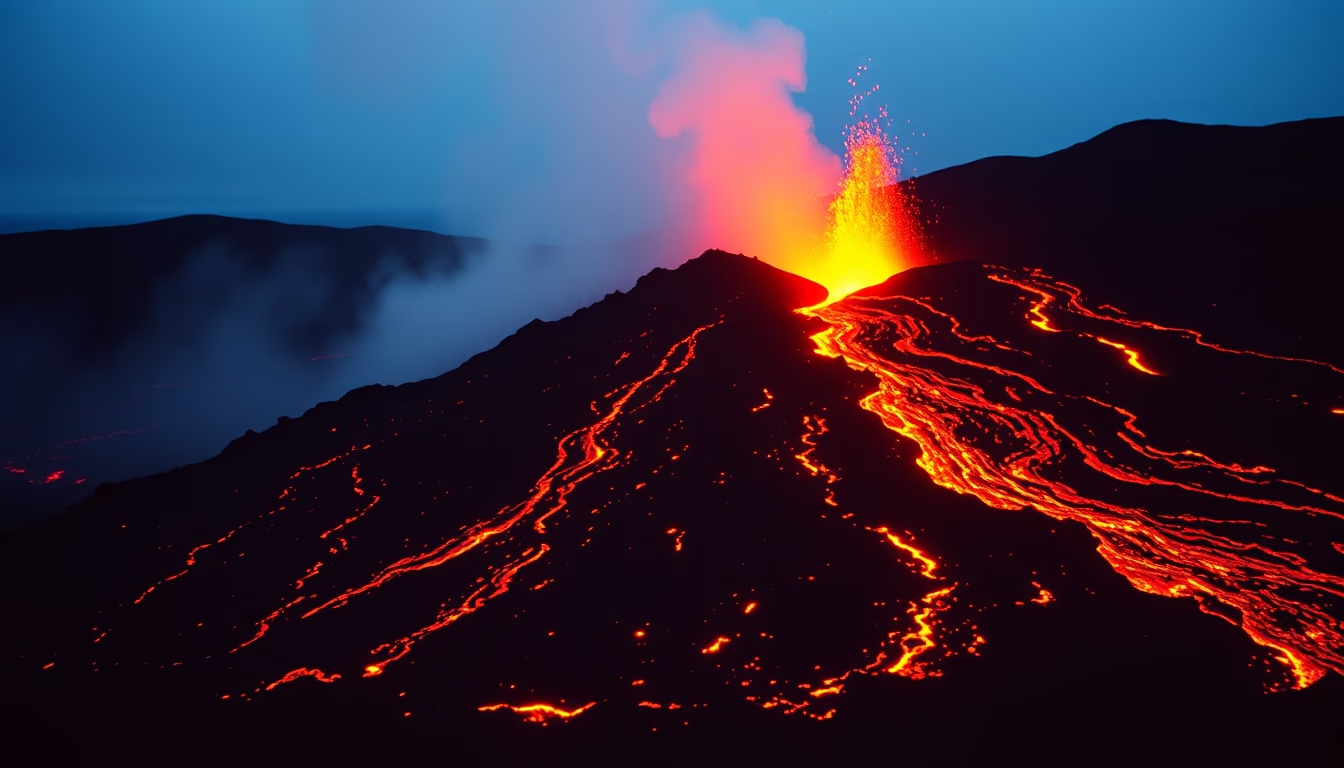
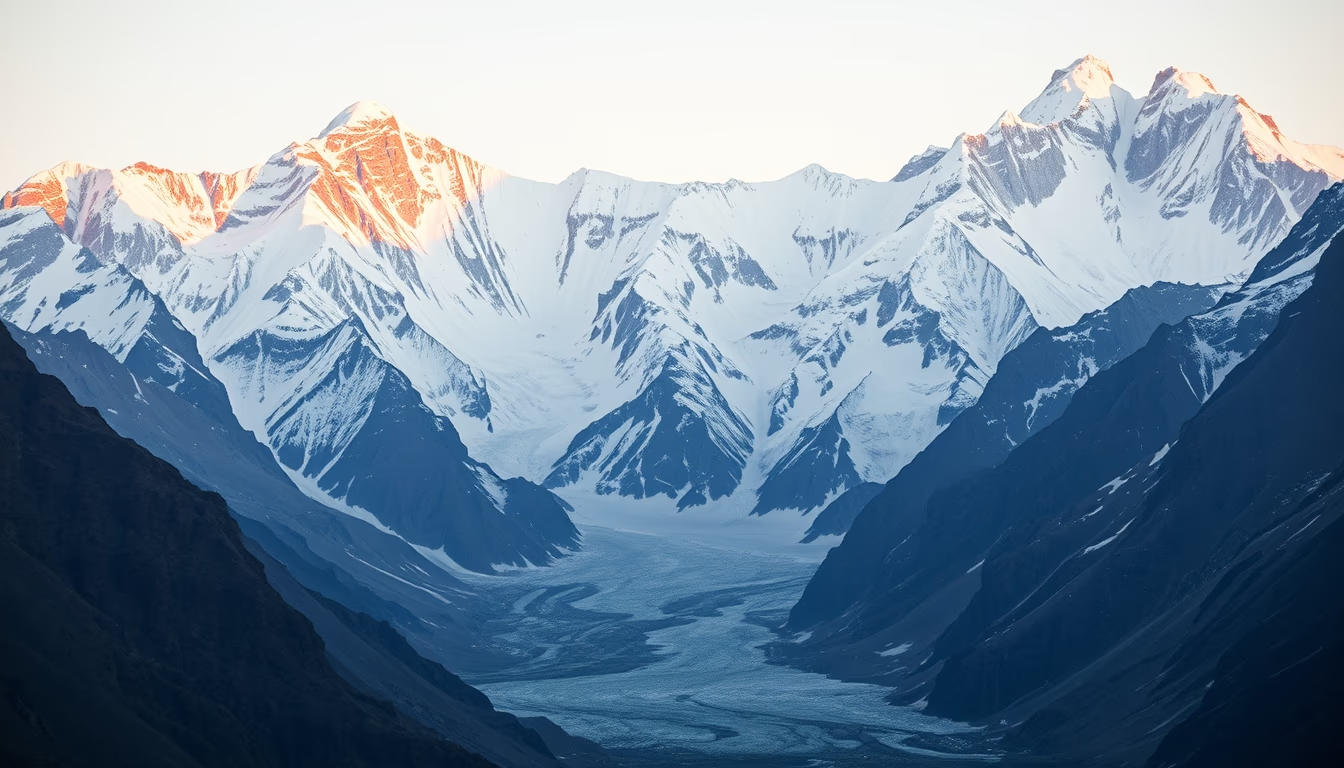
Antelope canyon arizona
1344×768 · AVIF · CC BY 4.0
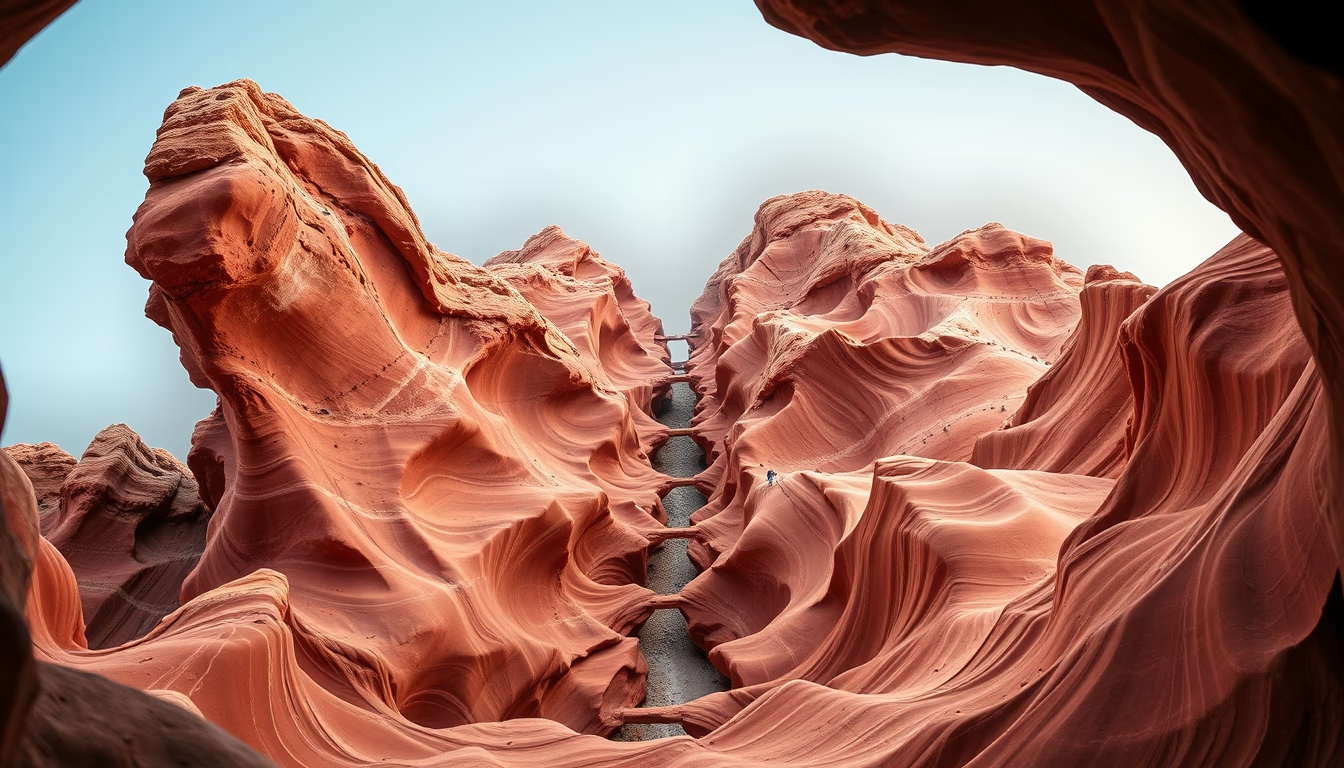
Antelope Canyon, one of the world's most photographed sandstone slot canyons, is located on Navajo land in Arizona, USA, and is famous for its smooth curves and colorful light beams.
About this subject
Antelope Canyon is a narrow slot canyon formed over millions of years by water erosion in the Navajo Sandstone, a Jurassic geological formation. Located on the Navajo Nation reservation near Page, Arizona, the canyon consists of two sections: Upper Antelope Canyon and Lower Antelope Canyon. The Upper is more accessible and famous for shafts of sunlight that pierce through the cracks, especially between March and October. The Lower requires climbing ladders and is less crowded, featuring tighter passageways.
The canyon's formation began with flash floods carving sinuous corridors along fractures in the sandstone. The rock, composed of quartz grains cemented by silica and calcite, displays hues from orange to red due to iron oxide presence. The Navajo name for the Upper is Tse' bighanilini, meaning 'the place where water runs through the rocks'. For the Navajo people, the site holds spiritual significance and is considered a portal to other dimensions.
Antelope Canyon has become a global icon for landscape photography, drawing visitors worldwide. Access requires hiring an authorized Navajo guide, as the canyon is on protected tribal land. The Upper tour takes about 1.5 hours with photo stops. Best light occurs around midday when sunbeams create pillars of light and dust. The Lower is more challenging and offers less direct light, but its swirling walls are equally stunning.
Despite its popularity, Antelope Canyon faces flash flood risks, such as the 1997 disaster that killed 11 tourists. Visits are strictly monitored, and closures occur during rain. Preservation is vital to maintain its natural beauty and cultural significance.
Frequently Asked Questions
How was Antelope Canyon formed?
It was formed over millions of years by erosion from flash floods and wind, carving the Navajo Sandstone into narrow, curving corridors.
What is the best time to visit Antelope Canyon?
The best time to see light beams in Upper Antelope Canyon is between March and October, especially around midday. In winter, the light is softer.
Do you need a guide to visit Antelope Canyon?
Yes, it is mandatory to hire an authorized Navajo guide because the canyon is on protected tribal land, and visits are controlled for safety and preservation.
Direct URL
https://pub-c7d6a6ea828543ac903a74a341ccb2e1.r2.dev/imagens/antelope-canyon-arizona-isometric-flat-lay-p11.avifHow to credit
Include a visible link back to UtilizAí. Copy one of the snippets below:
<a href="https://xn--utiliza-eza.com/en/midia/imagens/antelope-canyon-arizona-isometric-flat-lay-p11">Antelope canyon arizona</a> by <a href="https://xn--utiliza-eza.com">UtilizAí</a>, licensed under <a href="https://creativecommons.org/licenses/by/4.0/">CC BY 4.0</a>.
[Antelope canyon arizona](https://xn--utiliza-eza.com/en/midia/imagens/antelope-canyon-arizona-isometric-flat-lay-p11) by [UtilizAí](https://xn--utiliza-eza.com), CC BY 4.0
License: CC-BY-4.0