Western saddle leather
1344×768 · AVIF · CC BY 4.0
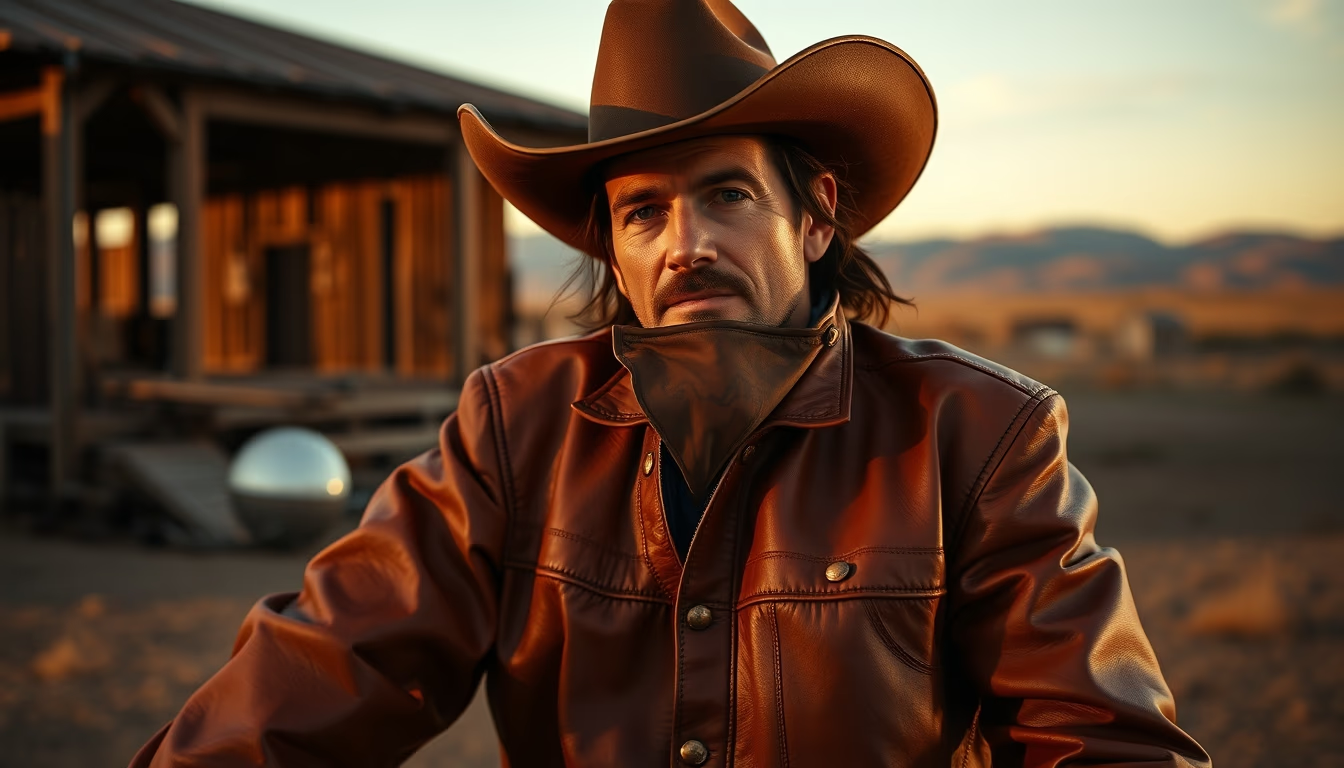
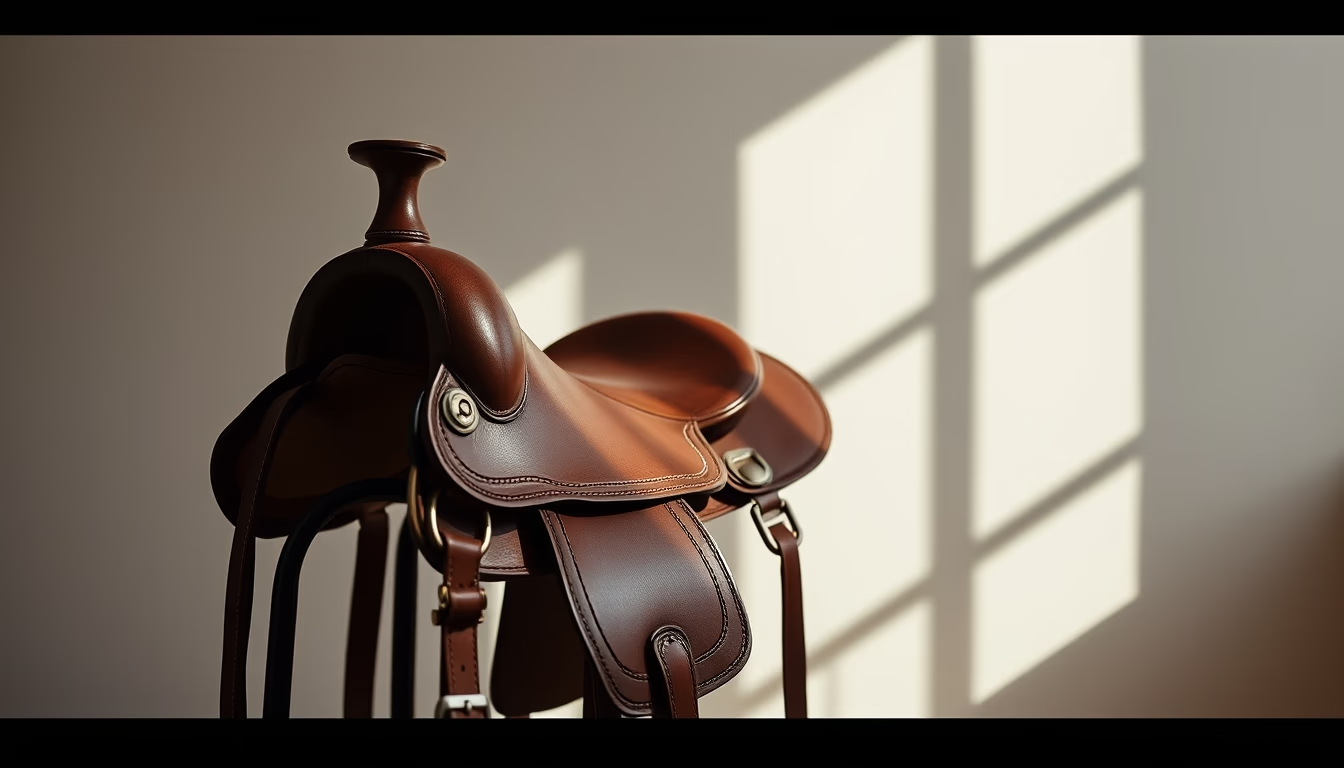
Western saddle leather is renowned for its durability and strength, essential for equestrian work in the United States since the 19th century.
About this subject
Leather used in western saddles is traditionally made from cowhide, selected for its thickness and uniformity. Chrome tanning is the most common method, giving the material water resistance and flexibility while maintaining the firmness needed to support the rider's weight and the pressure of ranching activities. Western saddles are heavier than English ones, often reaching 20 kg, and the leather needs to be thick (between 4 and 6 mm) to ensure longevity.
The history of western saddle leather dates back to the Spanish colonial period, when vaqueros in New Spain adapted Moorish saddles for open-range work. With the westward expansion in the 19th century, the design evolved to include a horn and wide stirrups, requiring increasingly durable leathers. Handcrafted production in states like Texas, Oklahoma, and Colorado preserved hand-stitching techniques and natural oil finishing, such as mink oil, for waterproofing.
Interestingly, western saddle leather is not purely functional: it also carries aesthetic and cultural value. Traditional tooling is done with hand tools and features flowers, arabesques, or rodeo scenes. Each piece can take weeks to finish, and the leather ages over time, acquiring a distinctive patina. Leather quality is evaluated by tensile strength, elasticity, and absence of defects such as grain marks or natural holes.
Besides cowhide, some manufacturers use buffalo or horse leather for special saddles, but cowhide dominates. Maintenance of western saddle leather requires cleaning with mild soap and periodic hydration with specific conditioners to prevent drying and cracking. Saddles restored every two years can last decades, becoming family heirlooms in the country lifestyle.
Frequently Asked Questions
What is the difference between western saddle leather and English saddle leather?
Western saddle leather is thicker and more durable, typically 4 to 6 mm, to withstand heavy work. English saddles use thinner, more flexible leather, prioritizing lightness and contact with the horse.
How to care for western saddle leather?
Clean with mild soap and warm water, dry in the shade, and apply a specific leather conditioner every 3 to 6 months. Avoid prolonged sun exposure and silicone-based products.
Can western saddle leather be used for other equipment?
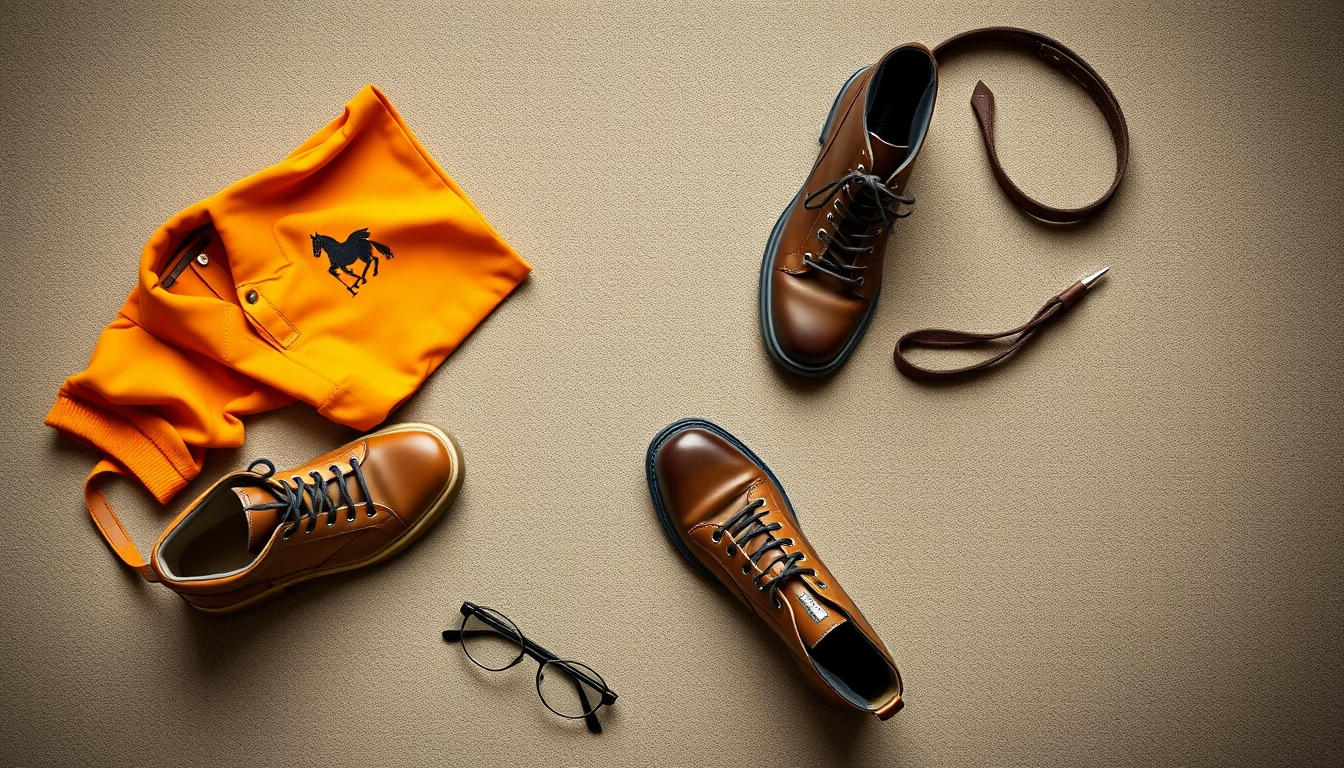
Yes, the same type of leather is used in cinches, headstalls, boots, and country accessories due to its durability. However, each item requires appropriate thickness and treatment.
Direct URL
https://pub-c7d6a6ea828543ac903a74a341ccb2e1.r2.dev/imagens/western-saddle-leather-cinematic-wide-shot-fresh14.avifHow to credit
Include a visible link back to UtilizAí. Copy one of the snippets below:
<a href="https://xn--utiliza-eza.com/en/midia/imagens/western-saddle-leather-cinematic-wide-shot-fresh14">Western saddle leather</a> by <a href="https://xn--utiliza-eza.com">UtilizAí</a>, licensed under <a href="https://creativecommons.org/licenses/by/4.0/">CC BY 4.0</a>.
[Western saddle leather](https://xn--utiliza-eza.com/en/midia/imagens/western-saddle-leather-cinematic-wide-shot-fresh14) by [UtilizAí](https://xn--utiliza-eza.com), CC BY 4.0
License: CC-BY-4.0